
Choosing between a 10mm and a 6mm yoga mat is not a matter of finding a universal winner, but rather of balancing your body’s need for joint cushioning against your practice’s demand for stability. A 10mm thick yoga mat excels at absorbing impact and relieving pressure on sensitive joints during floor-based poses, but this extra plushness comes at the cost of stability during standing balances. Conversely, a standard 6mm yoga mat offers a firmer, more responsive connection to the ground, which enhances your body’s natural balance and alignment during active transitions.
When you step onto a 10mm mat, the thick material compresses under your weight, distributing pressure away from bony prominences like your knees, hips, and elbows. However, this compression creates a sinking effect that can compromise the alignment of your wrists and ankles. In standing poses like Tree Pose or Warrior III, your feet must constantly micro-adjust to find a stable base, which can lead to muscle fatigue or joint strain as your ankles wobble on the soft surface.
A 6mm mat strikes a widely accepted balance by keeping your center of gravity closer to the floor. This proximity enhances proprioception—your brain’s awareness of your body’s position in space—allowing you to make quick, precise adjustments during dynamic sequences. The firmer surface prevents your hands and feet from sinking, which helps maintain a neutral joint alignment and reduces the risk of overextending your wrists during weight-bearing postures like Downward-Facing Dog.
Products mentioned in this guide
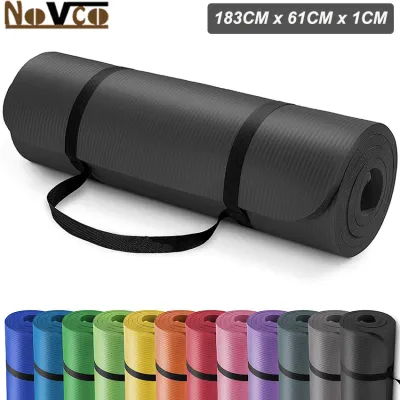
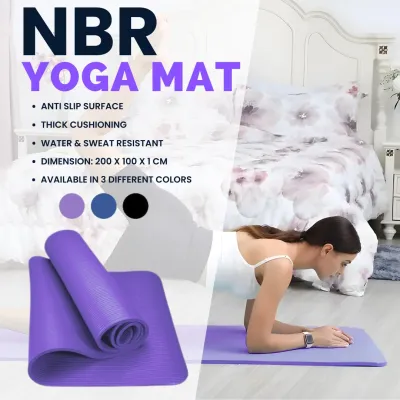
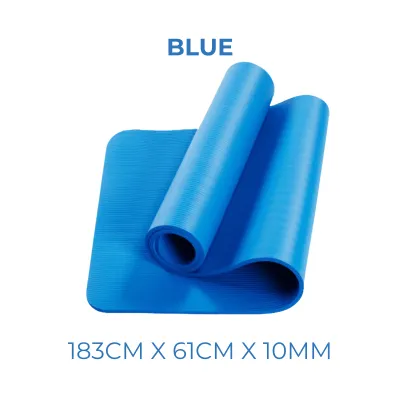
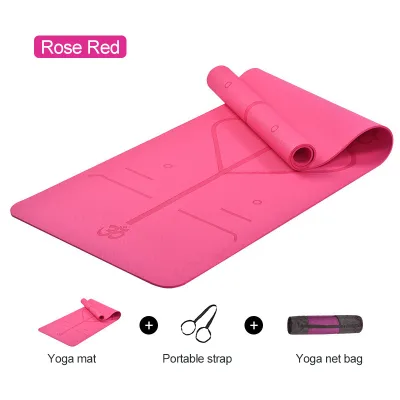
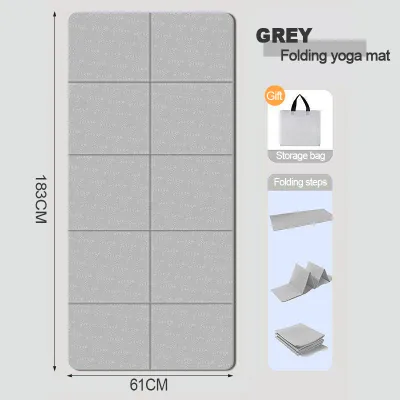

Prices are valid at publication and may change. Please refer to the product page for the latest price.
It is also important to recognize that physical thickness is only one part of the joint support equation. The density of the mat’s material plays an equally critical role in how well it cushions your body. A soft, low-density 10mm mat may bottom out completely under pressure, leaving your joints resting against the hard floor anyway, while a high-density 6mm mat can offer superior, resilient support without sacrificing your balance.
When a 10mm Thick Yoga Mat Is the Right Choice
A 10mm thick yoga mat is highly beneficial for practices that are primarily floor-based, slow-paced, and focused on long-held passive stretches. In styles like Yin yoga or restorative yoga, where you might hold a single pose for several minutes, the extra cushioning prevents discomfort from building up in your knees, hips, and spine. This allows your muscles to fully relax and release tension without the distracting sensation of a hard floor pressing against your bones.
This thickness is also an excellent option for floor-heavy Pilates routines or core workouts that involve a lot of rolling on the spine, kneeling, or side-lying exercises. If you frequently experience discomfort in your tailbone during rolling exercises, or if your knees feel bruised after a few minutes of kneeling, the substantial barrier of a 10mm mat can make these movements comfortable and accessible.
Practitioners who train on exceptionally hard surfaces will find a 10mm mat particularly useful. If your home practice space features ceramic tiles, polished concrete, or unyielding hardwood floors, a standard mat may not provide enough insulation from the hard ground. The extra thickness acts as a protective buffer, transforming an unforgiving floor into a comfortable space for daily movement.
However, choosing a 10mm mat requires accepting a significant trade-off in stability. Because the material is thick and compressible, it absorbs the downward force of your body rather than pushing back against it. This makes it much harder to maintain your balance in standing poses, as your feet cannot establish a flat, solid connection with the ground. You will likely find yourself gripping the mat with your toes and working your lower leg muscles much harder just to stay upright.
When a Standard 6mm Yoga Mat Is the Better Option
For dynamic, active, and flow-based practices, a standard 6mm yoga mat is generally the superior choice. In fast-paced styles like Vinyasa, Ashtanga, or Power yoga, you are constantly moving through rapid transitions, jumps, and standing balances. A 6mm mat provides the firm, predictable foundation required to execute these movements safely and with confidence, ensuring your feet do not slide or sink as you shift your weight.

The stability of a 6mm mat is crucial for protecting your wrists and ankles from strain. When you perform weight-bearing poses like Plank or Handstand on a firm surface, your hands can spread wide and press evenly into the mat, keeping your wrists in a safe, neutral position. On a thicker mat, your wrists can sink deeper than your fingers, forcing the joint into an extreme angle of extension that can quickly lead to discomfort or repetitive strain injuries.
A 6mm mat also excels at fostering a strong sense of grounding and connection to the earth. This physical feedback is essential for proper alignment, as it allows you to feel exactly how your weight is distributed across your feet. By maintaining a clear connection to the floor, you can engage your core and leg muscles more effectively, leading to cleaner transitions and a more controlled practice overall.
Furthermore, a 6mm mat is highly versatile and accommodates a wide range of movement styles beyond traditional yoga. Whether you are incorporating light strength training, stretching, or mobility work into your routine, the moderate thickness offers just enough protection for occasional floor work while remaining firm enough for dynamic, standing exercises.
Beyond Thickness: Other Specs That Affect Joint Support
When evaluating a yoga mat, focusing solely on the millimeter measurement can be misleading, as several other specifications directly impact how much support and comfort the mat actually provides. Material density is perhaps the most critical factor to consider alongside thickness. Mats made from high-density materials, such as natural rubber or heavy-duty polyvinyl chloride (PVC), offer excellent compression resistance, meaning they do not flatten out completely when you place your full weight on a single knee or elbow.
In contrast, mats made from low-density materials, such as standard thermoplastic elastomer (TPE) or cheap polyethylene (PE) foam, often feel incredibly plush to the touch but compress easily under pressure. A low-density 10mm mat may feel comfortable when you first lie down, but during a kneeling pose, your knee joint can easily push straight through the soft foam to meet the hard floor beneath. A high-density 6mm mat, however, will hold its shape and keep your joint suspended, providing more effective protection despite its slimmer profile.
Surface texture and grip are also vital components of joint safety. If a mat is slippery, your muscles must work twice as hard to keep your hands and feet from sliding apart in poses like Downward-Facing Dog. This constant slipping can put undue stress on your shoulders, lower back, and knees as your body struggles to maintain its position. A mat with a high-traction surface allows you to relax into poses with proper alignment, reducing the risk of joint strain caused by sudden slips.
Finally, weight and portability are practical considerations that can affect how often you actually use your mat. A 10mm mat is inherently bulkier and significantly heavier than a 6mm counterpart, making it a challenge to roll up tightly and carry. If you regularly commute to a local studio, travel, or navigate public transport like buses and trains, carrying a massive, heavy mat can quickly become a chore. A 6mm mat is much easier to roll, fits into standard mat bags, and is light enough to carry comfortably on your shoulder throughout the day.
Quick Comparison: 10mm vs 6mm Yoga Mats
To help you visualize the key differences between these two common thicknesses, the table below outlines how they compare across essential performance metrics.
| Feature | 10mm Yoga Mat | 6mm Yoga Mat |
|---|---|---|
| Joint Cushioning | Maximum pressure relief; ideal for sensitive joints and prolonged floor contact. | Moderate cushioning; relies on material density to prevent bottoming out. |
| Balance & Stability | Low; soft surface causes sinking and ankle instability during standing poses. | High; firm surface provides excellent grounding and precise alignment. |
| Weight & Portability | Heavy and bulky; difficult to roll tightly and inconvenient for commuting. | Lightweight and compact; easy to roll, pack, and carry to studios. |
| Best Practice Styles | Yin yoga, restorative yoga, floor Pilates, and gentle stretching. | Vinyasa, Ashtanga, Hatha, hot yoga, and dynamic flow sequences. |
| Ideal Practice Surface | Very hard floors (ceramic tile, concrete, thin carpet over concrete). | Standard studio floors, hardwood, laminate, or firm home flooring. |
How to Evaluate Your Needs and Make a Decision
To choose the right mat thickness, start by analyzing the specific style of yoga or exercise you perform most frequently. If your routine consists almost entirely of slow, floor-based movements where you spend most of your time kneeling, sitting, or lying down, a 10mm mat will provide the luxurious comfort you need to enjoy your practice. However, if your practice includes sun salutations, standing balances, or quick transitions, a 6mm mat is the safer and more functional choice to keep your ankles and wrists stable.
Next, consider your physical body and any specific joint sensitivities you may have. If you have a history of knee discomfort or find that kneeling on hard surfaces is painful even on a standard mat, you may naturally lean toward the extra padding of a 10mm mat. Before making that choice, assess the floors in your typical practice space. If you practice at home on hard ceramic tiles, the extra cushioning is highly beneficial; if you practice on carpet or a sprung wood studio floor, a 6mm mat will easily suffice because the floor itself already offers some shock absorption.
If you find yourself torn between the two options—needing joint protection but refusing to sacrifice stability—there is a highly effective middle ground. You can choose a high-quality, high-density 6mm mat as your primary foundation, and supplement it with localized support when needed. Keeping a folded yoga blanket, a small foam knee pad, or even a folded towel nearby allows you to cushion your knees during specific poses without compromising your balance during the rest of your practice.
Ultimately, the best mat is one that supports your unique body while matching the physical demands of your favorite movement style. By focusing on high-density materials and matching the mat’s thickness to your primary exercises, you can create a safe, comfortable, and stable environment for your daily wellness routine.
Frequently Asked Questions (FAQ)
Can I use a 10mm mat for standing balance poses?
While you can physically stand on a 10mm mat, it is not recommended for balance-heavy practices. The thick, squishy material compresses unevenly under your feet, which reduces your proprioception and makes it difficult for your ankles to stabilize. This instability increases the risk of rolling your ankle or straining the small muscles in your feet. If you must use a 10mm mat for a class that includes standing balances, consider stepping off the mat onto the bare floor for those specific poses to ensure a safe, stable foundation.
Is a thicker mat always better for bad knees?
Not necessarily. While a thicker mat provides more immediate padding, a soft, low-density 10mm mat can compress completely under your weight, offering very little actual protection for your knees. Furthermore, the instability of a thick mat can cause your body to misalign during standing poses, placing lateral stress on your knees and ankles. For sensitive knees, a high-density 6mm mat paired with a dedicated foam knee pad or a folded blanket often provides superior, targeted protection without compromising your overall stability.
Community discussion
Share your experience or ask a question. Comments are reviewed before publication.