
Choosing the right 1L insulated sports bottle to keep your drinks cold during workouts depends on understanding how different designs handle heat transfer. In tropical, high-humidity climates like Singapore, where outdoor temperatures routinely exceed 30 degrees Celsius, a standard single-wall bottle will allow ice to melt within minutes. To maintain a refreshing, ice-cold drink throughout an intense training session, you must evaluate the bottle’s insulation technology, lid construction, and how well its physical design matches your specific sport.
While many manufacturers claim their bottles can keep liquids cold for 24 hours or more, real-world performance during active use varies significantly. The absolute cold retention of a 1L bottle is determined by the quality of its double-wall vacuum insulation, the presence of internal thermal barriers like copper lining, and the sealing efficiency of the lid. For long, hot outdoor workouts, a bottle featuring a copper-lined vacuum chamber paired with a fully insulated, leak-proof screw cap will consistently outperform a bottle with an uninsulated, flip-top straw lid.
Core Dimensions for Comparing Cold Retention
To make an informed decision, it is essential to look past marketing claims and analyze the physical components that govern thermal resistance. A 1L bottle provides an excellent balance of capacity and thermal mass, but its ability to fight off external heat relies on several distinct engineering choices.
Products mentioned in this guide
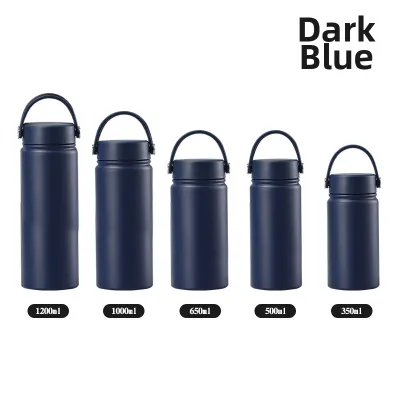
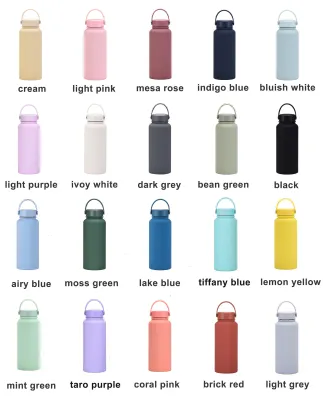
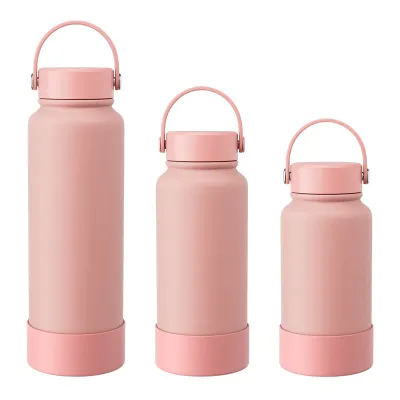
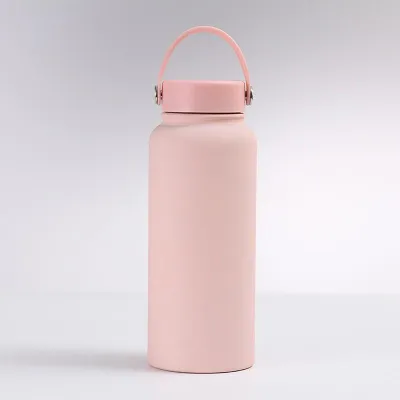
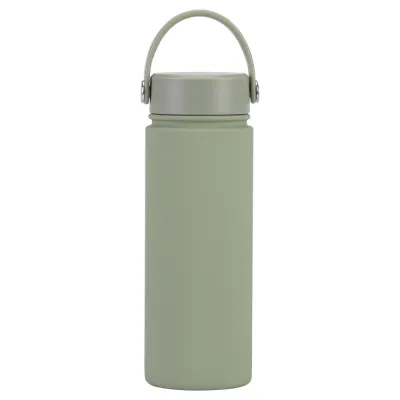
Prices are valid at publication and may change. Please refer to the product page for the latest price.
Vacuum Insulation Quality and Copper Lining
At the heart of any high-performing insulated bottle is double-wall vacuum construction. This design features an inner and an outer wall made of food-grade stainless steel, typically 18/8 (304) stainless steel, with the air evacuated from the space between them. Because a vacuum contains virtually no matter, it prevents heat from moving via conduction or convection from the hot outside environment to your cold drink.
To enhance this effect, some premium sports bottles incorporate a thin layer of copper plating on the outer surface of the inner stainless steel wall. Copper is an exceptional thermal reflector. In a vacuum bottle, this copper lining reflects radiant heat away from the inner chamber, further slowing down the rate at which your water warms up. When comparing bottles, check the manufacturer’s technical specifications to verify if a copper-shielded vacuum layer is included, as this feature provides a measurable advantage during extended exposure to high ambient temperatures.
Lid Design and Thermal Sealing
While the stainless steel body of a bottle is highly effective at blocking heat, the lid is almost always the primary point of thermal failure. Lids are typically constructed from various plastics, silicone, and rubber, which do not insulate as effectively as a double-wall vacuum steel body.
Simple, heavy-duty screw caps offer the best cold retention because they create a thick, continuous barrier over the opening and compress a heavy silicone gasket to seal out warm air. Conversely, lids designed for quick access—such as flip-top spouts, straw lids, and push-button mechanisms—introduce multiple joints, seams, and uninsulated pathways. Straw lids, in particular, require an integrated air vent to allow liquid to flow smoothly. This vent, along with the uninsulated plastic straw itself, allows a small but constant exchange of ambient air, accelerating the melting of ice inside the bottle.
Bottle Geometry, Surface Area, and Volume
Thermodynamically, a larger volume of cold liquid holds more thermal mass, meaning a 1L bottle will naturally stay cold longer than a 500ml bottle under identical conditions. However, the physical shape of the bottle also plays a role. 1L bottles are generally designed with either a wide mouth or a narrow mouth.
Wide-mouth bottles are highly practical because they allow you to easily load large ice cubes, which melt much slower than crushed ice due to their lower surface-area-to-volume ratio. The trade-off is that every time you unscrew a wide lid to take a drink, a larger volume of warm, humid air enters the bottle. Narrow-mouth bottles restrict this air exchange, preserving the internal temperature better during frequent drinking, but they make adding ice significantly more difficult.
Exterior Finishes and Radiant Heat Mitigation
When training outdoors under direct sunlight, the exterior finish of your bottle affects its thermal performance. Dark, glossy painted surfaces absorb radiant heat from the sun rapidly, warming the outer steel wall and putting extra strain on the vacuum barrier.
To mitigate this, look for bottles with light-colored, matte powder-coated finishes or highly reflective raw metallic surfaces. Powder coating is electrostatically applied and cured under heat, creating a durable, textured exterior. This finish not only helps reflect a portion of solar radiation but also provides a slip-resistant grip when your hands are sweaty or wet from condensation during high-intensity training.
Matching Bottle Features to Your Workout Type
An insulated bottle that excels in a climate-controlled indoor environment may not be the practical choice for an outdoor endurance session. To find the right balance between thermal performance, convenience, and weight, match the bottle’s features to your specific training environment.

High-Intensity Indoor Gym Sessions
If your workouts take place primarily inside air-conditioned fitness centres, spin studios, or indoor climbing gyms, extreme outdoor heat is not a factor. In these settings, your primary considerations should be ease of use, hygiene, and preventing messy condensation.
For indoor training, a 1L bottle with a high-flow straw lid or a quick-release spout is highly convenient. It allows you to take fast, one-handed sips between sets without tilting your head back or losing focus on your form. Ensure the bottle features a reliable double-wall vacuum design that guarantees a sweat-free exterior. This prevents condensation from pooling on gym floors, yoga mats, or the electronic consoles of cardio equipment, reducing slipping hazards and protecting sensitive gear.
Long-Distance Outdoor Running and Cycling
Outdoor running along coastal paths or cycling on park connector networks exposes your gear to constant movement, vibrations, and direct sunlight. Under these conditions, a secure, leak-proof locking lid is critical to prevent your cold water from spilling over bumpy terrain or during a vigorous running stride.
Weight and physical dimensions are major factors here. A fully filled 1L stainless steel bottle weighs approximately 1.5 kilograms. If you are cycling, verify that your bicycle’s bottle cage can handle the wider diameter of a 1L flask, as standard cages are built for slimmer 74mm bottles. If you are running, carrying a heavy 1L bottle in your hand can disrupt your running gait and lead to muscle strain. Instead, plan to carry the bottle in a dedicated hydration backpack or a specialized waist belt designed to distribute the weight evenly across your torso.
Outdoor Hiking, Field Sports, and Trail Exploration
For multi-hour hikes through nature reserves or competitive field sports like football or rugby, your bottle must withstand rough handling, dirt, and prolonged exposure to fluctuating outdoor temperatures.
For these activities, prioritize durability and maximum cold retention. Look for bottles constructed from thick-gauge stainless steel with reinforced, dent-resistant bases or protective silicone boots. A dent in the outer wall of a vacuum bottle can cause the inner and outer walls to touch, instantly destroying the vacuum barrier and ruining its insulating capabilities. A wide-mouth design is highly beneficial here, allowing you to pack the bottle tightly with large ice blocks to ensure your water remains cold even after four to six hours in the sun.
Decision Framework: How to Choose Your 1L Sports Bottle
To finalize your purchase, use this clear decision framework to weigh thermal performance against convenience, weight, and equipment compatibility.
Choose a Copper-Lined, Screw-Cap Bottle If:
- Your environment is demanding: You train outdoors for multiple hours in high temperatures and direct sunlight.
- Cold temperature is your top priority: You want your water to remain near-freezing from the start to the end of a long hike or field session.
- You prioritize leak prevention: You need a highly secure, mechanical screw seal that will not pop open inside a packed gear bag.
Choose a Standard Vacuum, Flip-Top Straw Bottle If:
- Your workouts are shorter or indoors: You train in climate-controlled environments or keep your sessions under two hours.
- You need rapid, one-handed hydration: You participate in activities like cycling, spinning, or weightlifting, where unscrewing a cap is inconvenient or unsafe.
- You have easy access to refills: You can top up your bottle with chilled water from a gym dispenser, making long-term ice retention less critical.
- You prefer drinking without tilting: A straw lid allows you to keep your eyes forward and your head level, which is useful during active movement.
Verify Physical Dimensions and Compatibility First
Before buying any 1L insulated bottle, measure its physical dimensions against your existing equipment. Because of their high capacity and double-wall construction, 1L steel bottles typically have a outer diameter ranging from 8.5 to 10 centimetres and a height of 25 to 30 centimetres.
Compare these measurements to:
- The side pockets of your daily gym bag or hiking pack.
- The cup holders on your car's console or your favorite treadmill.
- The bottle cages on your bicycle frame. Standard bicycle cages will not fit a 1L insulated bottle; you will need to purchase an adjustable, oversized cage to carry it securely.
When an Insulated Steel Bottle May Not Fit Your Needs
It is important to recognize the physical limits of stainless steel gear. If your sport requires you to move quickly over long distances with minimal gear weight—such as fastpacking, trail running, or marathon training—a heavy 1L insulated steel bottle is highly impractical.
When empty, these bottles weigh between 400 and 600 grams, and when fully loaded with water and ice, they exceed 1.5 kilograms. For high-speed, lightweight endurance sports, a collapsible TPU (thermoplastic polyurethane) soft flask or a lightweight, single-wall non-insulated bottle paired with a hydration vest is a much safer and more ergonomic choice, even though your water will not remain cold.
Usage and Care Tips to Maintain Insulation Performance
To ensure your 1L insulated bottle continues to deliver excellent cold retention over years of active use, follow these practical maintenance and usage guidelines.
The Physics of Pre-Chilling
To maximize the lifespan of your ice during a workout, never pour cold water into a room-temperature bottle. The warm stainless steel of the inner wall will immediately absorb heat from the water, melting your ice prematurely.
Instead, take a few minutes to pre-chill the bottle:
- Fill the bottle with cold tap water or a handful of ice cubes.
- Close the lid and let it sit for three to five minutes to lower the temperature of the inner steel lining.
- Empty the pre-chilling water, then immediately fill the bottle with your chilled workout drink and fresh ice.
Optimizing the Ice-to-Water Ratio
For a 1L sports bottle, filling approximately one-third of the chamber with ice is the ideal ratio for long-lasting cold. This provides a substantial thermal mass of ice to combat incoming heat without taking up so much volume that you run out of drinking water too quickly.
If you are using a straw lid, always add the ice cubes first, followed by the water. This prevents the straw from getting pinned or blocked by shifting ice blocks at the bottom of the bottle, ensuring a smooth, uninterrupted flow of water when you take a drink.
Cleaning, Gasket Care, and Vacuum Integrity Checks
Sweat, dirt, and sports drink residues can easily accumulate in the silicone gaskets and O-rings inside your bottle’s lid. If these seals are not cleaned regularly, mold can develop, and the seals may fail, causing leaks and allowing warm air to bypass the insulation.
To maintain your seals:
- Periodically remove the silicone gaskets from the lid using a blunt tool.
- Soak the gaskets in warm, soapy water and scrub them gently with a soft-bristled brush.
- Allow the parts to dry completely before reassembling them to prevent trapping moisture.
To check if your bottle’s vacuum seal is still functioning correctly, fill it with ice-cold water and let it stand for five minutes. Feel the exterior wall of the bottle. If the outside of the bottle feels cold to the touch or starts to sweat, the vacuum seal has failed. This means air has entered the insulating chamber, and the bottle will no longer keep your drinks cold effectively.
Washing Safety and Surface Preservation
Always check the manufacturer’s care instructions before cleaning your bottle. Unless the label explicitly states that the bottle is dishwasher safe, you should always wash it by hand.
| Cleaning Method | Recommended For | Potential Risks |
|---|---|---|
| Hand Washing | All bottles, lids, and silicone gaskets | Minimal risk; preserves finishes and seals |
| Dishwasher (Standard) | Only bottles explicitly labeled as dishwasher safe | Can warp plastic lids; may degrade silicone gaskets |
| Dishwasher (High Heat) | Never recommended for insulated bottles | High heat can damage the vacuum seal and peel powder coatings |
| Bottle Brushes | Deep cleaning the interior of steel bottles | Use soft nylon bristles; avoid metal scourers that scratch steel |
The high heat and harsh chemicals used in standard dishwasher cycles can cause the vacuum seal to fail, warp plastic lids, and degrade or peel the exterior powder coating. Hand washing with warm, soapy water and a long-handled bottle brush is the safest way to preserve both the performance and the appearance of your sports bottle.
Frequently Asked Questions (FAQ)
Does a 1L insulated bottle sweat during summer workouts?
A properly functioning double-wall vacuum insulated bottle should never sweat on its exterior, even during hot, humid summer workouts. The vacuum layer between the inner and outer walls prevents the cold temperature of the liquid inside from reaching the outer steel shell. If you notice condensation forming on the outside of your bottle, it indicates that the vacuum seal has been compromised, allowing heat to transfer freely. In this case, the bottle will no longer retain cold temperatures effectively and may need to be replaced.
Can I put hot drinks in my 1L cold-weather sports bottle?
While the double-wall stainless steel body of most sports bottles can safely hold hot liquids, the lid design determines whether it is safe to do so. You should never use straw lids, flip-top spouts, or lids with rapid-release buttons for hot beverages. The steam from hot liquids can build up pressure inside the sealed bottle, causing hot liquid to spray out violently when the spout is opened, which poses a severe burn risk. Always check the manufacturer’s instructions and switch to a simple, non-vented screw cap if you plan to carry hot drinks.
Community discussion
Share your experience or ask a question. Comments are reviewed before publication.