
Quick Answer: How to Match Your Need to a 3M Futuro Support
To find the right 3M Futuro support, you must match the specific body part requiring attention with the level of stabilization your joint needs. Because joint discomfort can range from mild soreness after running along East Coast Park to acute instability following a sprain, the brand offers a structured spectrum of supports. Selecting the correct option depends on your current mobility, pain levels, and whether you are looking to prevent injury or recover from one.
The optimal choice is always conditional on your physical state and activity level. Choose a lightweight compression sleeve if you require mild support, warmth, and swelling control during active sports or daily chores. Opt for an adjustable wrap if you need moderate, customizable support during recovery from minor strains or to manage fluctuating swelling. For maximum or ultimate stabilization post-injury or post-surgery, select a hinged brace or a rigid splint that physically restricts harmful joint movements while allowing safe, linear motion.
Understanding the 3M Futuro Support Level System
Navigating the 3M Futuro product line requires a clear understanding of how the brand categorizes its support levels. Rather than relying on a one-size-fits-all approach, the brand uses a standardized tier system to help users balance compression with structural stability. These tiers typically range from Mild (often labeled as Comfort or Everyday), to Moderate (Performance or Active), Maximum (Sport or Stabilization), and Ultimate (Firm or Rigid Support). Each level serves a distinct anatomical purpose, and choosing the wrong tier can either restrict your movement unnecessarily or fail to protect a vulnerable joint.
Products mentioned in this guide
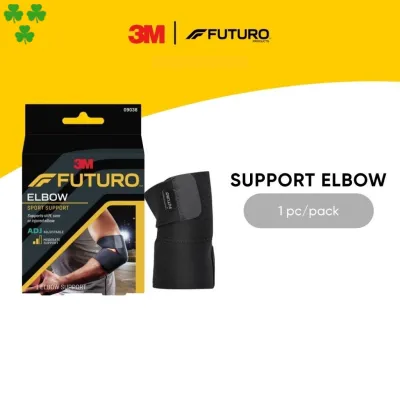
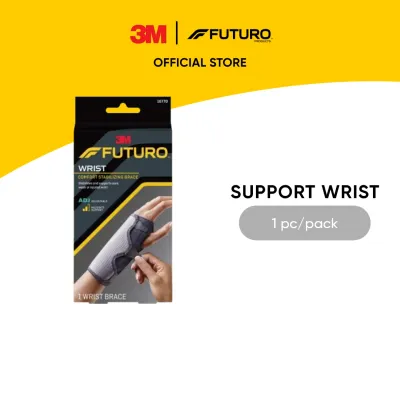
Prices are valid at publication and may change. Please refer to the product page for the latest price.

The fundamental difference between these tiers lies in the balance between compression and structural support. Mild and moderate supports rely primarily on elastic, knit, or neoprene materials to apply external compression. This compression improves localized blood flow, reduces mild swelling, and provides therapeutic warmth, which is highly beneficial for chronic conditions like mild arthritis or general fatigue. In contrast, maximum and ultimate supports incorporate physical structural elements, such as metal stays, plastic splints, or dual-hinges. These components bear a portion of the physical load and physically prevent the joint from moving into unstable or harmful angles.
To determine the support level of any 3M Futuro product, look at the front of the packaging, which features a clear visual scale indicating the level of stabilization provided. This indicator helps you quickly identify whether a product is designed for light daily wear or heavy-duty stabilization. It is important to match this indicator directly to your functional needs rather than assuming a higher level is always better.
A critical safety boundary must be observed when selecting higher-tier supports. Maximum and ultimate support levels are engineered specifically for acute injury recovery, severe joint instability, or structured rehabilitation. These rigid braces should ideally be used in consultation with a healthcare professional, such as a physiotherapist or orthopedic specialist. Relying on highly restrictive braces without medical guidance can lead to muscle weakness or joint stiffness, and these products should never be viewed as a substitute for proper medical evaluation and treatment.
Comparing Options by Body Part: Knee, Wrist, Back, and Ankle
To choose the right support, you must look at how the brand’s design variations address the unique mechanical demands of different joints. The physical demands on a knee joint during a run are vastly different from the repetitive strain placed on a wrist during office work or the heavy loads borne by the lower back.
Knee Supports: Sleeves, Wraps, and Hinged Braces
The knee is a complex hinge joint that requires lateral stability and patellar alignment, especially during high-impact sports or lateral movements. Slip-on compression sleeves represent the mildest option, designed to slide over the leg to provide warmth, mild compression, and enhanced proprioception during gym workouts or running. These are ideal for general soreness or preventing minor fatigue in healthy joints.
If you are dealing with mild swelling or require a more customized fit, adjustable wrap-around designs are more appropriate. These wraps allow you to adjust the tension as swelling changes and are much easier to put on over swollen joints without painful pulling. Many moderate-to-maximum support knee models also incorporate patellar gel pads, which surround and stabilize the kneecap, alongside flexible lateral stabilizers that help guide the knee through its natural bending motion.
For severe instability or post-injury recovery, hinged or rigid knee braces provide ultimate support. These designs feature dual-pivoting hinges on either side of the knee to physically block lateral (side-to-side) movement while permitting safe flexion and extension. While highly effective at preventing reinjury, these braces are significantly bulkier and may require adjusting your clothing or limiting high-speed agility maneuvers.
Wrist and Thumb Supports: Splints, Wraps, and Sleeves
Wrist supports are designed to manage repetitive strain injuries, carpal tunnel syndrome, or localized sprains, with a primary focus on immobilization versus flexibility. Flexible compression sleeves or wraps provide mild support and warmth, keeping the wrist joint supported during repetitive tasks like typing, racket sports, or weightlifting without restricting hand movement.
When a higher degree of stabilization is required, adjustable wrist splints with removable metal or plastic palmar stays are the standard choice. These rigid stays run along the palm side of the wrist, physically preventing the wrist from bending up or down, which is crucial for reducing nerve compression during sleep or repetitive computer use. These designs are typically low-profile, allowing you to use a computer mouse or perform daily tasks with relative ease.
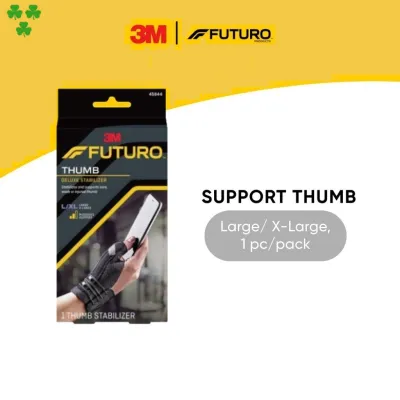
For injuries specifically affecting the thumb, such as skier’s thumb or basal joint arthritis, a dedicated thumb spica or thumb stabilizer is necessary. Unlike standard wrist braces, these models feature a rigid sleeve or stay that isolates and immobilizes the thumb joint while leaving the remaining fingers free to grip. This targeted immobilization is critical because a standard wrist brace will not prevent painful thumb movements.
Back and Lumbar Supports: Belts and Stabilizers
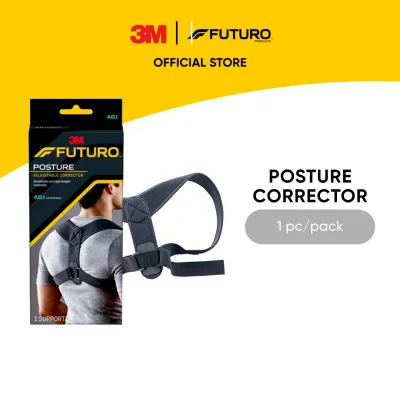
Back and lumbar supports focus on core compression and posture alignment to manage lower back strain, muscle fatigue, or the physical demands of heavy lifting. Posture correctors or trainers are lightweight, adjustable straps worn around the shoulders and upper back to gently pull the shoulders back and encourage proper spinal alignment during prolonged sitting.
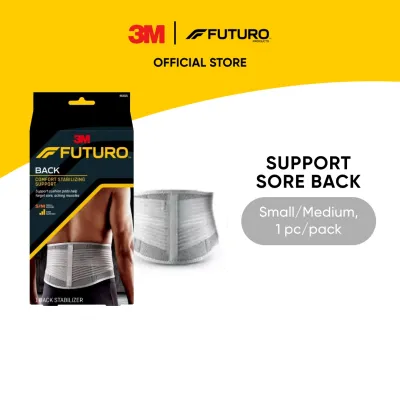
For the lower back, lumbar support belts provide abdominal compression, which increases intra-abdominal pressure to help support the spine and reduce load on the lower back muscles. These belts are highly adjustable and are commonly worn during activities that involve frequent bending or lifting.
Maximum support back braces incorporate rigid, vertical metal or plastic stays along the rear panel to provide firm physical reinforcement. While these stays are highly effective at limiting painful twisting and bending during acute flare-ups or heavy labor, they carry a specific safety warning. Relying on rigid back braces for prolonged daily wear without a corresponding core-strengthening routine can lead to muscle dependency and eventual atrophy, so they should be used selectively.
Ankle and Foot Supports: Stirrups, Lace-ups, and Sleeves
Ankle supports must balance the need for lateral stabilization against the physical constraints of your footwear. Low-profile compression sleeves are the simplest option, offering mild compression to manage minor swelling and improve joint awareness during daily walking or light exercise.
For moderate to maximum lateral stability during court sports like badminton or basketball, lace-up or figure-eight strap wraps are highly effective. These designs mimic professional athletic taping, wrapping tightly around the ankle in a cross-pattern to prevent the foot from rolling inward (inversion) or outward (eversion) while still fitting inside standard sports shoes.
Ultimate ankle stabilization is provided by rigid stirrup braces, which feature hard plastic outer shells and foam liners to completely block lateral movement while allowing normal heel-to-toe walking. These are typically reserved for acute sprain recovery and require roomy footwear to accommodate their bulk. For conditions like plantar fasciitis, specialized foot sleeves are available; these target the arch of the foot with localized compression rather than stabilizing the ankle joint itself.
Key Design Features: Materials, Adjustability, and Use Cases
Beyond choosing the correct body part and support level, secondary design features dictate how comfortable and practical a support will be during daily wear. The choice of material is highly significant, especially in Singapore’s hot and humid tropical climate. Breathable, moisture-wicking knit fabrics are ideal for active sports and long hours of wear, as they allow sweat to evaporate and prevent heat buildup. Conversely, thicker neoprene blends are excellent for joint warmth and recovery, as they retain therapeutic heat to soothe stiff muscles, though they may feel warm during outdoor activities.
Adjustability is another critical factor for achieving a precise fit. Many 3M Futuro supports feature hook-and-loop closures, dual-pull straps, or even precision dial systems that allow you to make micro-adjustments to the compression level throughout the day. This is particularly useful as joint swelling naturally fluctuates with activity levels or temperature changes.
Skin sensitivity is an important consideration for many users. If you have contact allergies, look for latex-free or neoprene-free alternatives within the product line to avoid skin irritation. Always verify the material composition printed on the packaging if you have known sensitivities.
To maintain the performance and longevity of your support, proper care is essential. Always consult the specific product label for washing instructions, but as a general rule, most elastic and neoprene supports should be hand washed in cold water with mild soap and air-dried away from direct sunlight. Machine washing or tumble drying can degrade the elastic fibers and damage rigid plastic or metal stays, rendering the support ineffective.
Quick Comparison Matrix for 3M Futuro Supports
To help you quickly identify which product category fits your needs, the following matrix summarizes the standard characteristics of the primary 3M Futuro product lines.
| Support Category | Design Type | Typical Support Level | Best Use Case |
|---|---|---|---|
| Knee | Compression Sleeve | Mild | Light exercise, running, daily joint warmth |
| Knee | Adjustable Wrap with Stabilizers | Moderate to Maximum | Minor sprains, patellar tracking, active sports |
| Knee | Hinged Brace | Ultimate | Post-injury recovery, severe ligament instability |
| Wrist | Compression Sleeve / Wrap | Mild to Moderate | Repetitive strain prevention, typing, light sports |
| Wrist | Splint with Palmar Stays | Maximum to Ultimate | Carpal tunnel relief, nighttime immobilization, sprains |
| Wrist / Thumb | Thumb Stabilizer / Spica | Moderate to Maximum | Thumb joint arthritis, skier's thumb, isolated sprains |
| Back | Lumbar Support Belt | Moderate to Maximum | Heavy lifting, manual labor, acute lower back strain |
| Ankle | Compression Sleeve | Mild | Mild swelling, daily walking, minor joint soreness |
| Ankle | Strap Wrap / Lace-up | Moderate to Maximum | Court sports, lateral ankle stability, sprain recovery |
Disclaimer: This table represents generalized product line characteristics. Before purchasing, always check the physical product packaging or the manufacturer’s official specifications to verify exact sizing, material composition, and specific support ratings.
Final Decision Framework: Which Support Should You Buy?
To make your final decision, evaluate your physical condition, your primary activity, and any guidance provided by your doctor. You can use the following conditional framework to guide your purchase:
Choose a Mild Compression Sleeve if:
- You require joint warmth, mild swelling reduction, and unrestricted movement.
- Your primary goal is preventing fatigue during daily activities, running, or gym workouts.
- You do not have severe joint instability or acute pain.
Choose an Adjustable Wrap with Stays or Stabilizers if:
- You are recovering from a mild-to-moderate joint sprain or strain.
- You need customizable compression that you can adjust as swelling fluctuates.
- You require moderate physical reinforcement to prevent minor lateral joint twisting during sports.
Choose a Maximum or Ultimate Hinged Brace or Rigid Splint if:
- You are returning to high-impact sports after a significant ligament injury or surgery.
- You experience severe joint instability or have been advised to immobilize a specific joint.
- A physiotherapist or doctor has explicitly recommended rigid structural support.
Regardless of the model you select, achieving a proper fit is essential for both comfort and safety. Always measure your joint carefully using a flexible measuring tape and compare your measurements to the brand’s official sizing chart. An ill-fitting brace can restrict healthy blood circulation if it is too tight, or fail to provide any meaningful stabilization if it is too loose.
Frequently Asked Questions (FAQ)
Can I wear a 3M Futuro support while sleeping or showering?
Unless a product is specifically designed and prescribed for nighttime immobilization, such as certain rigid wrist splints intended to manage carpal tunnel syndrome, you should remove your support before going to sleep. Wearing compression sleeves or tight wraps overnight can restrict healthy blood circulation and lead to numbness or fluid retention. Additionally, you should avoid wearing standard supports in the shower or while swimming. Trapped moisture against the skin can cause severe irritation, and prolonged exposure to water can degrade the elastic fibers and adhesive components of the brace. Always allow your skin and the support to dry completely before reapplication.
How do I measure my joint for the correct 3M Futuro size?
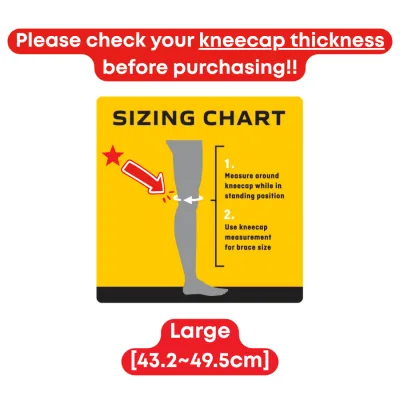
To find your correct size, do not rely on your standard clothing or shoe size. Instead, use a flexible measuring tape to measure the exact circumference of the target joint while your limb is in a relaxed position. For a knee support, measure around the center of your kneecap while standing; for a wrist support, measure around the narrowest part of your wrist bone. Always consult the specific sizing chart printed on the product’s packaging or the manufacturer’s website, as sizing thresholds can vary significantly between different product models and styles. If your measurement falls between two sizes, it is generally recommended to select the larger size for comfort, unless you require maximum compression.
When should I stop using a brace and see a doctor in Singapore?
You should immediately stop using any support and consult a qualified healthcare professional in Singapore if you experience warning signs such as severe or worsening pain, numbness, tingling, a cold sensation in your fingers or toes, or skin discoloration. Over-the-counter supports are designed for temporary symptom management, mild stabilization, and recovery support; they cannot cure structural damage like torn ligaments or bone fractures. If your joint swelling or pain does not show noticeable improvement after a few days of rest and support use, seek a professional medical diagnosis to ensure you receive the appropriate treatment plan.
Community discussion
Share your experience or ask a question. Comments are reviewed before publication.