
Choosing the right travel yoga mat thickness depends on your packing limits, your joint comfort needs, and where you plan to practice.
A 3mm travel yoga mat is highly suitable if you face strict carry-on weight limits, prefer minimalist packing, or practice high-sweat styles like hot yoga where a close connection to the floor aids stability.
A 4mm travel yoga mat offers a versatile middle ground, providing a balanced blend of cushioning and portability for mixed travel itineraries and standard flows.
Products mentioned in this guide
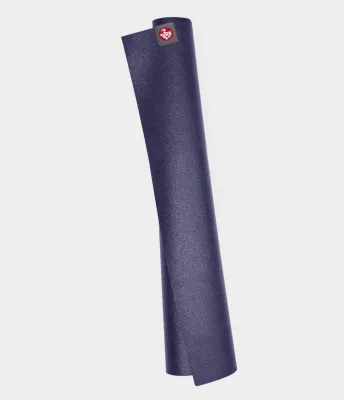
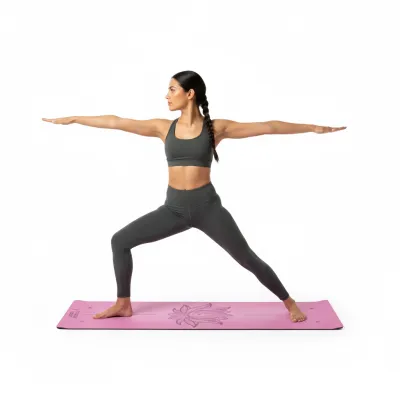
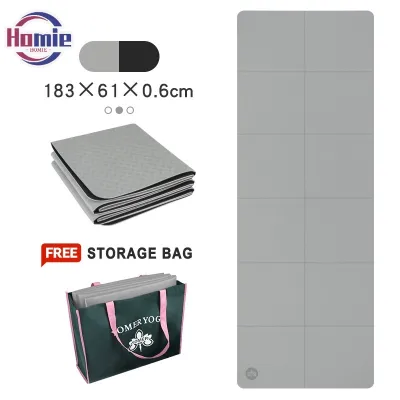
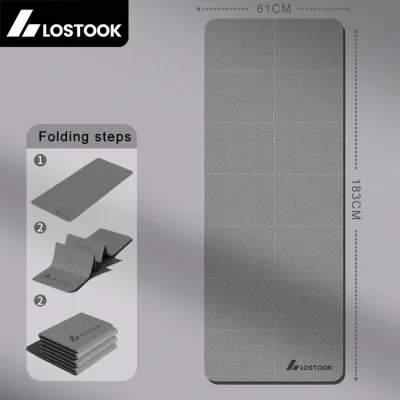
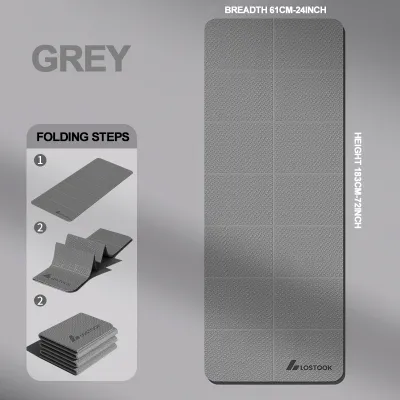
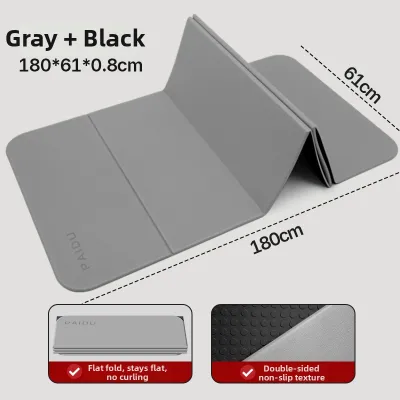
Prices are valid at publication and may change. Please refer to the product page for the latest price.
A 6mm travel yoga mat is the preferred choice if you experience joint sensitivity or primarily travel by car, where the extra bulk and weight of a thicker mat are less of a constraint.
The Core Trade-Off: Packability vs. Joint Support
When selecting a travel yoga mat, you must navigate a direct physical compromise between portability and physical comfort. Every millimeter of thickness added to a mat increases its rolled diameter and overall weight, which directly impacts how much space it occupies in your luggage. For travelers using compact carry-on bags, a thick mat can easily consume a significant portion of the available packing volume, leaving little room for clothing and personal items.
Conversely, reducing thickness directly affects how well the mat absorbs impact on hard surfaces. Standard hotel rooms, outdoor terraces, and transit lounges rarely feature the forgiving, sprung wooden floors found in dedicated yoga studios. Practicing on hard tile, concrete, or laminate floors with an ultra-thin mat can place significant stress on your knees, elbows, and spine during weight-bearing poses.
To address this, dedicated travel mats are structurally and materially distinct from standard studio mats. While a typical studio mat relies on thick, heavy polyvinyl chloride (PVC) or dense thermoplastic elastomer (TPE) to provide cushion, travel-specific models often utilize high-density natural rubber, lightweight polymer environmental resin (PER), or specialized open-cell foams. These materials are engineered to offer maximum grip and tensile strength at a fraction of the thickness, allowing some models to be folded flat rather than rolled. However, even the most advanced materials cannot fully overcome the laws of physics; a thinner mat will always transmit more ground force to your joints than a thicker counterpart.
3mm Travel Mats: Ultra-Portable and Grounded
A 3mm travel yoga mat represents the classic entry point for mobile practitioners who prioritize space-saving design above all else. These mats are thin enough to be rolled tightly into a compact cylinder that easily fits into the side pocket of a backpack or lies flat at the bottom of a standard suitcase. For travelers flying on regional budget airlines with strict carry-on weight limits—often capped at 7kg—a 3mm mat is highly advantageous because it minimizes the risk of baggage fee penalties.

Beyond packability, a 3mm mat offers a distinct practice feel characterized by an exceptionally strong connection to the ground. During standing balance sequences, such as Warrior III or Tree Pose, the minimal cushioning prevents your feet from sinking or wobbling, allowing for precise alignment and ankle stability. This grounded sensation is also highly valued in hot yoga or high-intensity flow classes, where a solid, non-slip foundation is critical for safety.
However, the comfort limits of a 3mm mat become apparent during floor-based postures. Poses that place direct pressure on small contact points, such as low lunges or Camel Pose, can cause discomfort if the mat is laid directly over hard hotel tiling or outdoor concrete. To mitigate this, you should check the product label for material density; high-density natural rubber options provide better support than low-density foam alternatives of the same thickness. Additionally, you can easily place a folded travel towel under your knees or double over the mat itself to create a temporary double-layer cushion during sensitive transitions.
4mm Travel Mats: The Versatile Middle Ground
For practitioners who find 3mm too sparse but cannot accommodate the bulk of a standard mat, the 4mm travel yoga mat serves as a highly versatile compromise. This thickness is designed to handle a wide range of yoga styles, from dynamic Vinyasa flows to slower, alignment-focused Hatha sessions. The extra millimeter of material provides a noticeable increase in impact absorption, helping to protect your wrists and knees from the jarring feedback of unforgiving floors.
While a 4mm mat offers enhanced comfort, it does require more deliberate packing strategies. It is slightly heavier and rolls into a larger diameter than a 3mm model, meaning it may not fit comfortably inside a small daypack. Before purchasing, you should verify your suitcase dimensions and assess whether you have sufficient space to accommodate a rolled mat, or if you will need to carry it externally using a dedicated strap or travel sleeve.
When evaluating 4mm options, it is essential to verify the manufacturer’s specifications regarding material density and construction. Not all 4mm mats perform equally; a cheap, low-density foam mat may compress completely under your body weight, offering no more protection than a much thinner mat. Look for mats constructed with dense, eco-friendly materials like natural tree rubber or reinforced polyurethane (PU) tops, which maintain their structural integrity and cushion even under heavy load.
6mm Travel Mats: Maximum Cushion for Sensitive Joints
A 6mm travel yoga mat is specifically engineered for those who refuse to compromise on joint comfort, regardless of their location. If you experience chronic knee pain, wrist strain, or spinal sensitivity, this thickness provides the necessary barrier to make your practice safe and enjoyable on any surface. The generous foam or rubber layer absorbs the majority of the downward force, allowing you to hold floor poses longer without distracting discomfort.
The primary trade-off for this level of comfort is a significant reduction in packability. A 6mm mat is inherently bulkier and heavier, making it highly impractical for minimalist backpacking or tight carry-on travel. It is best suited for road trips, staycations, or itineraries where you plan to check your luggage and have ample weight allowance. Carrying a 6mm mat through multiple airport transits can quickly become tiring unless you use a specialized travel harness or wheeled luggage.
Furthermore, practicing on a thicker mat requires careful attention to stability. Some soft, low-density 6mm mats can create a soft surface that compromises your balance during standing poses, as your ankles must work harder to stabilize. Before committing to a 6mm travel mat, perform a quick stability check: stand on the mat on one foot to ensure the base remains firm and supportive rather than overly compressible.
How to Match Thickness to Your Travel and Practice Style
To finalize your decision, you should systematically match the mat’s thickness to your specific travel logistics and physical requirements.
Step 1: Assess Your Primary Mode of Travel
If your itinerary involves frequent flights with budget carriers or long walks between destinations, prioritize a 3mm mat to keep your load light and compact. If you are traveling by car, train, or checking large suitcases, a 4mm or 6mm mat becomes a highly viable option.
Step 2: Evaluate Your Practice Environment and Style
For vigorous, sweat-heavy practices in humid climates, a thin 3mm mat paired with a high-grip surface is ideal. For restorative, Yin, or floor-heavy practices where you spend extended periods on your knees or back, a 4mm or 6mm mat is necessary to prevent bruising and joint strain.
Step 3: Verify Dimensions and Weight Limits
Always check the exact weight and rolled dimensions listed by the manufacturer against your airline’s carry-on restrictions. A difference of just a few hundred grams can determine whether your mat fits into your cabin bag or must be checked at an additional cost.
Step 4: Consider Accessory Combinations
If you prefer the portability of a thin mat but occasionally need extra cushion, consider pairing a 3mm mat with a lightweight, packable microfiber yoga towel. This combination allows you to add a layer of sweat absorption and mild padding when needed, without permanently carrying the bulk of a 6mm mat. Alternatively, you can use a thin travel mat as a hygienic overlay on top of a studio-provided mat at your destination.
Frequently Asked Questions (FAQ)
Can I just bring my regular 6mm studio mat on a trip?
While it is physically possible to travel with a standard 6mm studio mat, you will likely find it highly inconvenient due to its weight and volume. Standard studio mats are designed for durability and stationary use, often weighing upwards of two to three kilograms and rolling into a bulky cylinder that does not fit standard luggage. In contrast, travel-specific 6mm mats are constructed with lighter, more compressible materials or specialized folding seams. Before packing your everyday mat, check the manufacturer’s travel suitability guidelines and weigh it to ensure it will not exceed your baggage limits.
Do I need a yoga towel if I buy a thin 3mm travel mat?
Whether you need a yoga towel depends on your personal sweat levels, the climate of your destination, and the mat’s surface material. A microfiber yoga towel is an excellent accessory for a 3mm mat because it absorbs moisture in hot, humid environments, preventing slips while adding a subtle layer of extra padding. If your 3mm mat features a high-traction polyurethane or textured natural rubber surface, a towel may not be necessary for grip, but it remains a highly practical tool for quick cleaning and added comfort during floor poses.

Community discussion
Share your experience or ask a question. Comments are reviewed before publication.