
Choosing the right folding yoga mat requires balancing physical comfort during floor poses with the practicalities of transport. While traditional roll-up mats are common, folding designs offer a structured, square-folded footprint that fits neatly into backpacks, tote bags, or carry-on luggage. The thickness you select—typically 3mm, 5mm, or 6mm—directly dictates this balance. A 3mm mat offers a highly compact fold and excellent stability for standing poses, making it the go-to option for frequent travelers and commuters. Conversely, a 6mm mat provides maximum cushioning for sensitive joints and restorative practices but demands more storage space and adds noticeable bulk. A 5mm mat serves as a versatile middle ground, offering moderate padding without completely sacrificing portability. Beyond raw thickness, the density of the material, such as thermoplastic elastomer (TPE) or natural rubber, heavily influences how supportive the mat feels under pressure.
Comfort and Joint Cushioning: Evaluating 3mm, 5mm, and 6mm
The primary function of any yoga mat is to create a protective barrier between your body and the hard floor. When evaluating folding mats, thickness is the most direct indicator of how much impact absorption you can expect during your practice.
A 3mm folding yoga mat provides standard, minimalist cushioning. This thickness is designed to keep you closely connected to the ground, which is highly beneficial for active, standing-heavy styles like Ashtanga or Vinyasa. However, if your practice involves prolonged kneeling poses, such as low lunges, or if you have sensitive knees, elbows, or wrists, a 3mm mat may feel sparse. You might find yourself needing to double up the mat at key folding joints or place a towel underneath for extra support.
Products mentioned in this guide

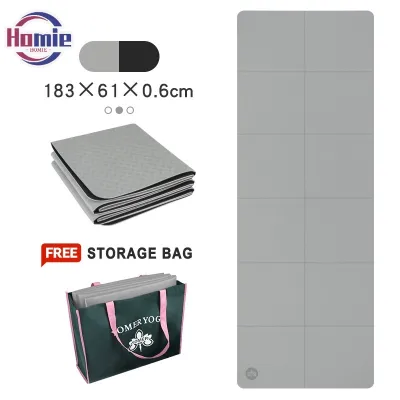
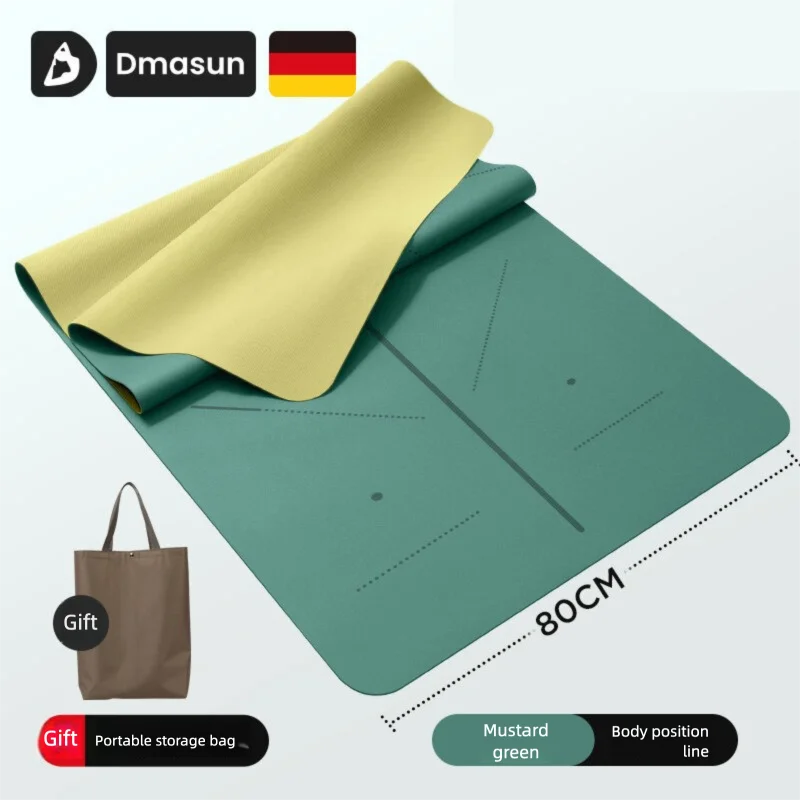
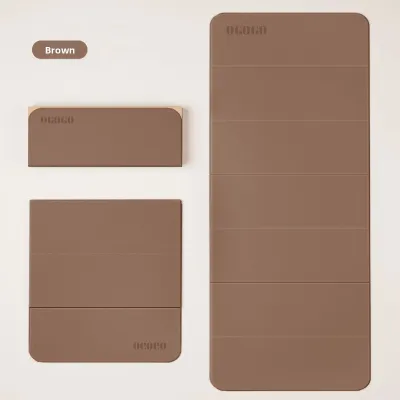
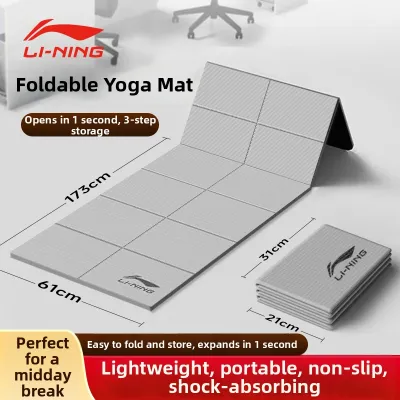
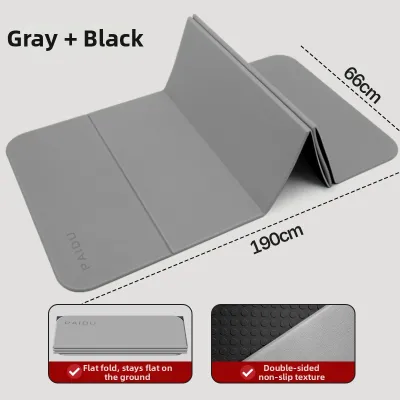
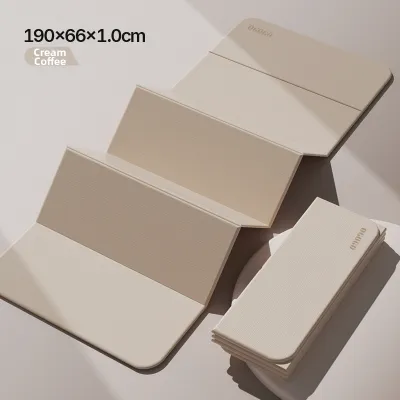
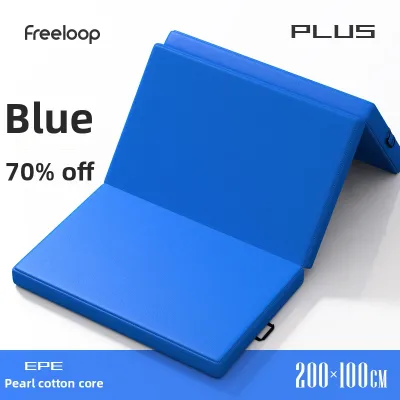
Prices are valid at publication and may change. Please refer to the product page for the latest price.
Stepping up to a 5mm folding mat introduces a moderate level of padding that suits a wide variety of general flow and mixed-movement practices. This thickness strikes a practical balance, absorbing the impact of transitions and floor work without making you feel disconnected from the subfloor. It is thick enough to soften the pressure on your joints during tabletop positions, yet thin enough to prevent your hands and feet from sinking too deeply into the material.
For those who prioritize joint comfort above all else, a 6mm folding mat offers the maximum cushioning typically available in a foldable design. This thickness is highly recommended for restorative yoga, Yin yoga, or Pilates-inspired floor routines where you spend extended periods lying down or holding seated postures. The extra padding helps insulate your body from cold, hard floors, making it an excellent choice for home practices on tile or concrete surfaces.
It is important to note that raw thickness is only one part of the comfort equation; foam density and material composition play a significant role in how soft or firm a mat feels. For instance, a high-density 3mm natural rubber mat can sometimes feel more supportive and less prone to bottoming out than a low-density 5mm or 6mm TPE mat. When shopping, look closely at the material specifications to understand how the mat will compress under your body weight.
Portability and Storage: How Thickness Impacts the Fold
The defining feature of a folding yoga mat is its ability to collapse into a flat, rectangular shape rather than a bulky cylinder. However, as thickness increases, the physics of folding introduce distinct trade-offs in terms of overall footprint, weight, and ease of transport.

A 3mm folding mat is the undisputed champion of portability. Because the material is thin, it folds down into a remarkably slim profile, often resembling a thick laptop or a textbook. This ultra-compact footprint allows it to slide effortlessly into standard backpacks, commuter bags, or tight carry-on luggage. It is an ideal choice for those who navigate busy public transit systems or walk long distances to their local studio. Additionally, the lightweight nature of a 3mm mat means it will not add unnecessary strain to your shoulders during your daily commute.
A 5mm folding mat occupies a middle tier. While it still folds into a flat shape, the extra 2mm of material adds noticeable bulk to the folded stack. It will require a larger tote bag or a dedicated backpack compartment, and it may take up a significant portion of a suitcase. For local travel or commuting by car, a 5mm mat remains highly manageable, but it may feel slightly cumbersome if you are trying to pack light for travel.
At 6mm, the folded footprint becomes substantially bulkier. The thicker material requires wider fold creases to accommodate the bends, resulting in a stack that is significantly taller and wider than its thinner counterparts. In compact living environments, such as small apartments where storage space is at a premium, a 6mm folding mat can still be tucked away under a bed or on a shelf more easily than a rolled mat, but it will occupy more physical volume. The weight also increases proportionally with the thickness, which is a key consideration if you plan to carry your mat over long distances. Before making a purchase, always check the manufacturer’s specified folded dimensions and weight to ensure the mat fits your intended carrying bag and storage spaces.
Stability and Grip: Balancing Cushion with Floor Connection
While cushioning protects your joints, stability keeps you safely aligned during balance-intensive poses. The thickness of your folding mat directly affects your center of gravity and how securely you can grip the surface.
Thinner mats, specifically the 3mm options, provide a highly stable, firm base of support. Because there is minimal material compression, your feet and hands remain in close contact with the solid floor beneath. This firm connection is crucial for balancing postures like Tree Pose or Warrior III, where any wobbling or sinking can disrupt your alignment and increase the risk of ankle strain. If your practice focuses heavily on balance and precise alignment, a thinner mat is generally more supportive.
In contrast, a 6mm folding mat can sometimes compress unevenly under concentrated weight, such as when you are balancing on one foot. This compression can create a slightly unstable surface, requiring your core and stabilizing muscles to work harder to maintain balance. While this can be a useful challenge for some practitioners, it may feel frustrating or insecure for beginners or those recovering from joint injuries.
Another unique factor to consider with folding mats is the presence of folding creases. These creases act as built-in hinges, allowing the mat to fold flat. Depending on the design, these creases can sometimes create slight ridges or indentations on the practice surface. On a 3mm mat, these ridges are usually minimal and barely noticeable. On a 6mm mat, however, the deeper creases can create more pronounced physical ridges that might affect your hand or foot placement during transitions.
To mitigate any potential grip issues caused by creases or material compression, pay close attention to the surface texture and non-slip properties of the mat. Look for mats that feature textured patterns, such as a waffle or pebble grip, on both the top and bottom surfaces. A high-grip texture ensures that the mat remains securely anchored to the floor and that your hands and feet do not slip, even if you encounter a folding crease during your flow.
Decision Framework: Choosing Your Ideal Folding Yoga Mat
To help you finalize your choice, use this structured framework to match a folding yoga mat’s thickness to your specific lifestyle, practice environment, and physical needs.
Choose a 3mm folding mat if:
- Your primary goal is travel and portability: You need a mat that fits easily into a standard backpack, commuter bag, or airline carry-on luggage without adding bulk.
- You practice balance-heavy yoga: Your routine consists of active styles like Vinyasa, Hatha, or Ashtanga, where a firm, stable connection to the floor is essential.
- You have limited storage space: You live in a compact home or apartment and need a mat that can be tucked away in a shallow drawer or narrow shelf.
Choose a 5mm folding mat if:
- You want a versatile, all-purpose mat: You practice a mix of active flows and gentle floor work and need a single mat that can handle both comfortably.
- Your commute is moderate: You travel to local studios by car or short transit rides and can accommodate a slightly larger folded footprint.
- You require balanced cushioning: You need joint protection for kneeling poses but still want enough firmness to feel stable during standing balances.
Choose a 6mm folding mat if:
- Joint comfort is your top priority: You have sensitive knees, wrists, or hips, or you are recovering from an injury and require maximum impact absorption.
- You practice restorative or floor-based styles: Your routine focuses on Yin yoga, meditation, or gentle stretching where you spend most of your time on the floor.
- You primarily practice at home: The mat will remain in one location, meaning the extra weight and bulk of the folded stack are not a daily inconvenience.
Verify first if:
- You have strict airline carry-on limits: Check the exact folded dimensions of the mat against your airline's personal item or carry-on size restrictions before traveling.
- You require specialized orthopedic support: If you have chronic joint pain, consult a physical therapist or medical professional to determine if a folding mat provides sufficient support compared to specialized orthopedic surfaces.
Frequently Asked Questions (FAQ)
Can I use a 6mm folding yoga mat for high-intensity workouts?
While a 6mm folding yoga mat offers excellent cushioning for low-impact floor work, it is generally not recommended for high-intensity, high-impact workouts that involve rapid lateral movements or jumping. The extra thickness and softer compression can create an unstable surface, increasing the risk of ankle rolls or slips during dynamic exercises. Additionally, the folding creases may experience excessive stress under high-impact forces, potentially leading to premature wear. Always check the manufacturer’s guidelines to verify if the mat is rated for high-intensity training or if it is strictly designed for traditional yoga and stretching.
Will the folding creases affect my balance or grip over time?
High-quality folding yoga mats are engineered with reinforced, flexible hinges designed to lay flat once unfolded on a hard surface. Over time, well-made mats should not experience significant curling or lifting at the creases. However, lower-quality materials may develop permanent ridges or slight lifting at the fold lines, which can catch your toes or disrupt your grip during transitions. To minimize this risk, look for mats that utilize seamless hinge designs or high-resilience materials like natural rubber or premium TPE, which naturally resist taking a permanent set.
How do I clean and maintain a folding yoga mat without damaging the hinges?
Proper maintenance is essential to preserve the structural integrity of a folding mat’s hinges. Clean the mat by gently wiping it down with a damp cloth and a mild, diluted soap solution. Avoid using harsh chemical cleaners, alcohol-based sprays, or abrasive scrubbing pads, as these can degrade the material and weaken the folding joints over time. Crucially, always allow the mat to air dry completely in a flat, well-ventilated position before folding it back up. Folding a damp mat can trap moisture within the creases, leading to mold growth, unpleasant odors, and accelerated material breakdown.

Community discussion
Share your experience or ask a question. Comments are reviewed before publication.