
Quick Answer: What to Expect from 4cm Yoga Mats
When searching for an ultra-thick exercise surface, a 4cm (40mm) thickness represents a major departure from standard fitness gear. A standard yoga mat typically measures between 3mm and 8mm. Consequently, a 4cm mat is not a traditional rolled yoga mat; instead, it falls into the category of folding gymnastics mats, multi-panel fitness mats, or specialized joint-protection pads. These ultra-thick mats are designed to provide maximum impact absorption and cushioning for specific floor-based exercises, rather than the dynamic, standing flows associated with traditional yoga practices.
The ideal option in this category depends entirely on your primary activity, space constraints, and portability requirements. For those who need a portable solution for home workouts or high-impact floor exercises, a folding EVA or NBR “block” design is highly practical. These mats fold into a compact block shape, making them easy to store in tight spaces. Conversely, if you require a permanent, heavy-duty floor cushion for Pilates, restorative routines, or physical therapy, a solid, high-density TPE mat is the superior choice.
When evaluating quality, no single brand dominates this specialized niche. Brand prestige is far less important than material density, surface texture, and construction quality. A premium brand using low-density foam will still bottom out under your body weight, whereas a lesser-known manufacturer utilizing high-density materials will provide lasting support and joint protection.
Products mentioned in this guide
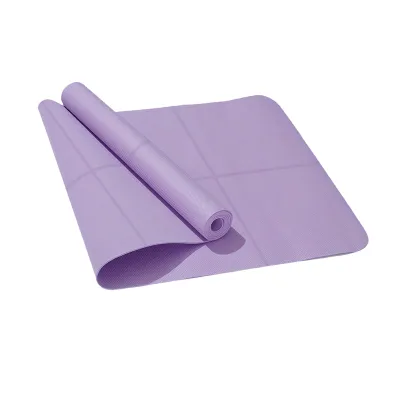
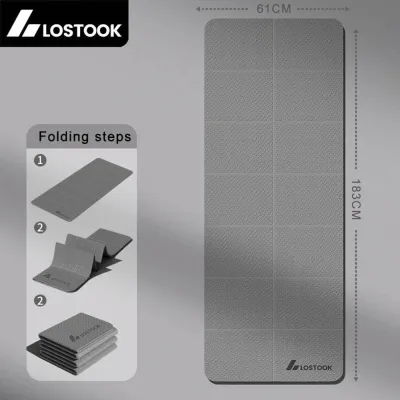
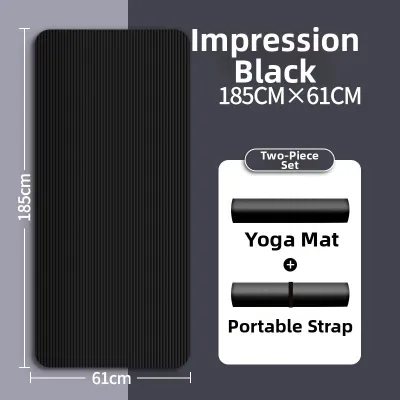
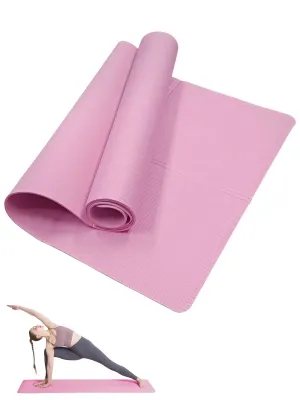
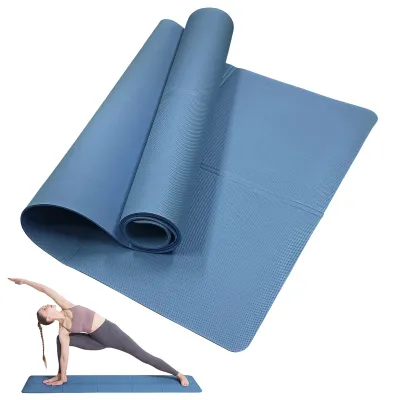
Prices are valid at publication and may change. Please refer to the product page for the latest price.
Understanding the Yoga Mat 4 cm Block: Use Cases and Designs
To make an informed decision, it is essential to understand why you might need a 4cm thickness and what the term “block” signifies in this context. Standard yoga mats are designed to provide a balance between cushioning and ground connection, allowing you to feel the floor during standing balance poses. A 4cm mat, however, completely prioritizes joint protection and impact absorption over ground connection.

The primary use cases for a 4cm mat include severe joint protection for individuals recovering from injuries or dealing with chronic pain in the knees, wrists, or spine. It is also ideal for floor gymnastics, core conditioning, deep stretching, meditation, and high-impact home fitness routines that involve jumping or rolling. If your practice consists mostly of floor-based movements, Pilates, or restorative yin yoga, the extra cushioning can transform your comfort levels.
In this ultra-thick category, the term “block” rarely refers to the small foam blocks used as yoga props. Instead, “block” describes the physical design of the mat itself. Because a 4cm solid foam mat cannot be rolled tightly, manufacturers design them as multi-panel folding mats. These panels fold flat against one another, collapsing into a neat, rectangular block shape for storage. This design is crucial for managing the physical bulk of a 40mm-thick surface.
Spatial considerations are particularly important for fitness enthusiasts in Singapore, where urban apartments, such as HDB flats, often have limited storage space. A solid 4cm mat that does not fold or roll easily can quickly become an obstructive eyesore. A folding “block” design allows you to slide the mat under a bed, tuck it behind a wardrobe, or store it neatly in a household shelter. The trade-off is that the folding seams can sometimes collect dirt or feel uneven underfoot, but the storage convenience is often indispensable for apartment living.
Key Quality Dimensions to Compare
Material Composition and Density
The material used to construct a 4cm mat dictates how well it cushions your body and how long it will last before compressing permanently. The three most common materials found in this category are Ethylene-Vinyl Acetate (EVA), Nitrile Butadiene Rubber (NBR), and Thermoplastic Elastomer (TPE). Each material has distinct physical properties that affect performance.
EVA is a lightweight, highly resilient foam that is commonly used in multi-panel folding gymnastics mats. High-density EVA provides excellent structural support and does not compress easily under heavy loads, making it ideal for high-impact exercises. However, low-density EVA can feel overly stiff or plastic-like, and it may not offer the soft tactile comfort some users prefer for restorative practices.
NBR is a synthetic rubber known for its soft, spongy texture. While NBR mats feel incredibly comfortable initially, they have a lower density compared to high-quality EVA or TPE. Under concentrated pressure—such as resting your entire body weight on a single knee or elbow—NBR foam tends to compress completely, or “bottom out.” When a mat bottoms out, your joints press directly against the hard floor, completely negating the benefit of the 4cm thickness. NBR is also more prone to stretching and tearing over time.
TPE is a hybrid material that combines the characteristics of plastic and rubber. It is generally more eco-friendly, recyclable, and offers a good balance of moderate density and comfortable cushioning. TPE mats provide a supportive surface that resists bottoming out while remaining softer to the touch than EVA.
When comparing brands, do not rely solely on thickness claims. Check the product specifications for density ratings, often measured in kilograms per cubic meter (kg/m³), or look for explicit statements regarding the foam’s firmness. Additionally, verify that the materials have safety certifications, such as being non-toxic, latex-free, and phthalate-free, especially if the mat will be used by children or in enclosed, poorly ventilated spaces.
Surface Grip and Base Stability
A thick mat presents unique stability challenges that do not exist with standard 4mm mats. The first challenge is surface grip. In Singapore’s hot and humid tropical climate, sweat can quickly turn a smooth foam surface into a slipping hazard. A high-quality 4cm mat must feature a textured top layer—such as a cross-hatch, ribbed, or textured vinyl pattern—to ensure your hands and feet remain secure during movement.
The second challenge is base stability, or how well the mat grips the floor. Because 4cm mats are thick and relatively lightweight for their size, they can easily slide across polished floor tiles, laminate, or varnished wood floors. A sliding mat can cause serious falls. Look for mats that feature non-slip bottom patterns, rubberized backing, or high-friction textures that lock the mat in place on hard surfaces.
Finally, you must consider the stability of your own joints on a thick surface. Standing balance poses, such as Tree Pose or Warrior III, require a stable foundation. On a 4cm foam surface, your foot sinks into the material, which forces the stabilizing muscles in your ankle and foot to work significantly harder. If the foam is too soft or lacks structural integrity, this sinking can compromise your balance, leading to joint strain or ankle rolls. For safety, always check the firmness of the mat before attempting standing poses, and step off the mat onto the solid floor if you feel unstable.
Durability, Tear Resistance, and Portability
The longevity of a 4cm mat is heavily influenced by its construction style. Folding “block” mats are held together by hinges or seams between the panels. These hinges are the primary stress points of the mat. Cheaply manufactured folding mats often use thin vinyl or heat-sealed plastic seams that split or tear after a few months of regular folding and unfolding. Premium options utilize reinforced fabric hinges, heavy-duty vinyl covers, or double-stitched seams to ensure the panels remain securely connected.
Solid, non-folding 4cm mats do not have the weakness of hinges, but they present durability challenges of their own. If made from low-density NBR, a solid thick mat can easily sustain gouges or tears from fingernails, jewelry, or clean athletic shoes. Sealed-edge designs, where the outer edges of the foam are chemically or thermally sealed, offer much higher tear resistance than open-cell foam mats with raw, cut edges.
Portability is another major trade-off. A solid 4cm mat is incredibly bulky and difficult to transport. Even if rolled, it will have a massive diameter that is highly impractical for commuting on public transport or carrying to a local community center. If you need to transport your mat frequently, a folding EVA block mat with integrated carrying handles or an included shoulder strap is essential. These models are lightweight and structured, allowing you to carry them comfortably. If portability is not a priority, a heavier, solid high-density mat is a durable option for a permanent home fitness setup.
How to Evaluate Brands and Long-Term Value
Navigating the market for 4cm mats requires looking past marketing buzzwords and evaluating brands based on their target audience and manufacturing transparency. The market can generally be categorized into three distinct brand tiers, each offering different value propositions.
The first tier consists of specialized fitness and gymnastics equipment suppliers. These brands design products for commercial gyms, gymnastics centers, and dedicated athletes. They prioritize high-density EVA or polyurethane-wrapped foam, reinforced vinyl covers, and heavy-duty stitching. While these mats are the most expensive—typically ranging from S$80 to S$150 or more—they offer exceptional durability, professional-grade safety, and long-term resistance to compression.
The second tier includes general sports and home goods retailers. These brands offer mid-range products that cater to recreational fitness enthusiasts. They usually feature decent-quality TPE or medium-density EVA folding mats. Priced between S$40 and S$80, these options provide a balanced compromise between comfort, durability, and cost, making them suitable for regular home use.
The third tier comprises budget-friendly, unbranded, or white-label products sold on online marketplaces. These mats often cost between S$20 and S$40. While highly affordable, they frequently utilize low-density NBR or cheap, open-cell foam that compresses easily, tears quickly, and may emit strong chemical odors. These budget options may seem appealing, but they often require frequent replacement, resulting in poor long-term value.
When evaluating any brand, read the product listings carefully. Look for clear disclosures regarding the specific foam density and outer material. Avoid listings that use vague terms like “premium soft foam” without specifying the material type. Additionally, check for warranty terms that cover foam deformation, seam splitting, or hinge tearing, as a warranty is a strong indicator of a manufacturer’s confidence in their product’s lifespan.
Decision Framework: Which 4cm Mat Fits Your Practice?
To select the right 4cm mat, you must align the mat’s specifications with your specific physical needs, space constraints, and exercise style. Use the following guidelines to finalize your decision:
Choose a folding EVA or NBR 4cm mat if:
- You primarily perform floor-based core exercises, stretching, or general fitness routines at home.
- You have limited storage space and need a mat that can fold into a compact block to fit under furniture or in a closet.
- You require a lightweight mat that is easy to move around the house or transport to outdoor training sessions.
- You need maximum joint cushioning for knees and elbows during static poses or physical therapy exercises.
Choose a solid, high-density TPE 4cm mat if:
- You practice Pilates, restorative yoga, or sensory floor work where a continuous, seamless surface is preferred.
- You have a dedicated home gym space where the mat can remain laid out or stored upright without needing to be folded frequently.
- You prioritize eco-friendly, recyclable materials and want a soft, rubber-like texture that offers excellent surface grip.
- You are willing to invest more for a mat that offers high durability and consistent density across the entire surface.
Neither may fit your needs if:
- You practice dynamic Vinyasa, Ashtanga, or balance-heavy standing flows.
- A 4cm surface is inherently unstable for standing postures and can increase the risk of ankle strain.
- For dynamic practices, you should verify your safety requirements and choose a standard 4mm to 6mm yoga mat that provides a firm connection to the ground. If you still require joint protection, use a standard mat and place a small, separate 2cm or 4cm foam pad or knee block specifically under your knees or wrists when needed. This hybrid approach gives you the best of both worlds: stability for standing poses and targeted cushioning for floor work.
Care and Storage for Extra-Thick Mats
Proper maintenance is essential to preserve the structural integrity, hygiene, and lifespan of an extra-thick mat. Because 4cm mats contain a large volume of foam, they can trap sweat, moisture, and odors if not cared for correctly, especially in Singapore’s humid environment.
To clean your mat safely, wipe the surface down after every session with a soft cloth dampened with warm water and a few drops of mild, non-abrasive dish soap. For textured vinyl or TPE surfaces, a gentle wipe down is sufficient to remove sweat and skin oils. Once clean, always allow the mat to air dry completely in a well-ventilated indoor space. Keep the mat away from direct sunlight, as UV rays can degrade EVA, TPE, and NBR foams, causing them to become brittle, discolor, or crumble over time.
Never machine wash, submerge, or soak a 4cm mat in water. If water penetrates the outer surface or gets trapped inside the seams of a folding mat, it can be incredibly difficult to dry out. This trapped moisture creates an ideal breeding ground for mold, mildew, and bacteria, which will ruin the mat and create unpleasant odors. Avoid using harsh chemical cleaners, bleach, or alcohol-based sprays, as these substances can break down the molecular structure of the foam, leading to premature cracking and peeling.
When storing folding mats, ensure they are 100% dry before folding them into their block shape. Storing a damp mat folded up will trap moisture in the hinges and seams, leading to mold growth. Additionally, avoid stacking heavy boxes, weights, or other gym equipment on top of your folded mat during storage. Constant, heavy pressure can cause permanent creases, flatten the foam, or damage the hinges, reducing the mat’s cushioning effectiveness and lifespan.
Frequently Asked Questions (FAQ)
Is a 4cm yoga mat too thick for standing balance poses?
Yes, a 4cm mat is generally too thick and unstable for standing balance poses like Tree Pose, Eagle Pose, or Warrior III. The thick foam compresses unevenly under the weight of a single foot, causing your ankle to wobble as it tries to find a stable foundation. This instability can strain the muscles and ligaments in your feet and ankles, increasing the risk of injury. For safety, it is highly recommended to reserve 4cm mats for floor-based exercises, Pilates, and joint-cushioning routines. If your practice includes standing flows, use a standard 3mm to 6mm mat instead.
How do I clean a thick folding yoga mat without damaging the hinges?
To clean a folding mat without damaging the hinges, use a damp microfiber cloth and a mild soap solution to wipe down the individual panels and the hinge seams. Avoid spraying water or cleaning solutions directly into the seams, as liquid can seep through the stitching or heat seals and become trapped inside the foam panels. Never submerge the mat in a bathtub or spray it down with a hose. After wiping it clean, leave the mat fully unfolded in a well-ventilated room or near a fan until every panel and hinge is completely dry before folding it back into a block for storage.
Community discussion
Share your experience or ask a question. Comments are reviewed before publication.