
Choosing your first fishing waist bag is a pivotal step toward enjoying a hands-free, highly mobile experience on the water. Unlike bulky tackle boxes that keep you anchored to a single spot, a dedicated waist pack allows you to carry essential gear directly on your body, keeping your hands free to cast, retrieve, and handle fish. For a beginner, the ideal bag balances quick accessibility, comfortable weight distribution, and reliable protection against the elements.
To find the right fit, you must look beyond basic aesthetics and focus on how a bag performs in active fishing conditions. Key features such as water-resistant materials, specialized tool slots, and adjustable, breathable straps determine whether a bag supports your movement or becomes a heavy, wet distraction. By understanding these technical specifications and matching them to your specific fishing style, you can make an informed choice that keeps your gear organized and protected.
Step 1: Assess Your Fishing Style and Gear Needs
Before comparing fabric deniers or zipper types, you must define where and how you plan to fish. Your primary fishing environment dictates how much exposure to water your bag will face and how much gear you truly need to carry. For instance, if you plan on wading through shallow rivers or walking along coastal flats, your bag will sit much closer to the water line than if you were casting from a dry jetty or a reservoir bank. This environmental exposure determines whether you need a fully submersible waterproof pack or a highly water-resistant one.
Products mentioned in this guide
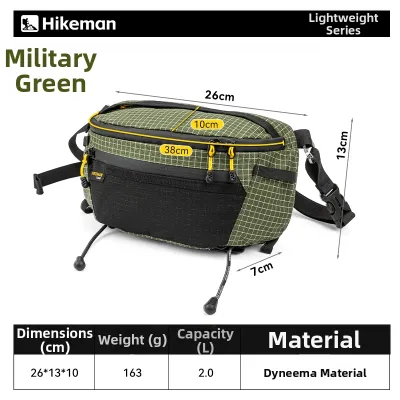
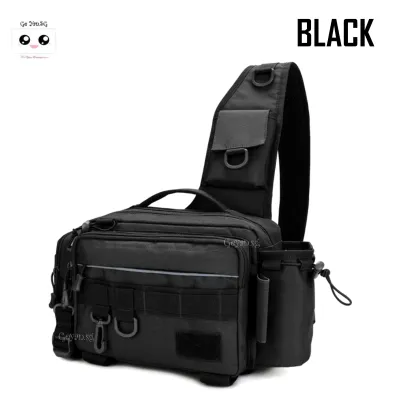
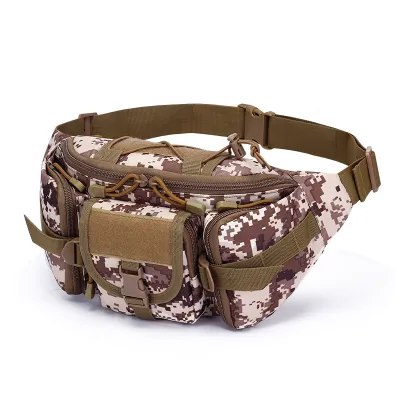
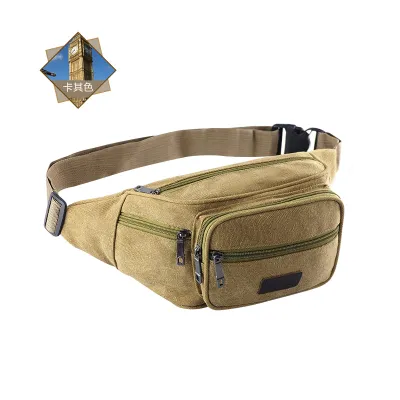
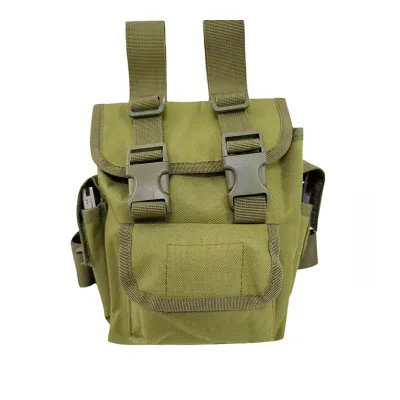
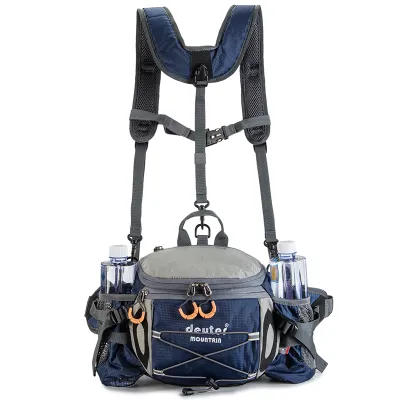
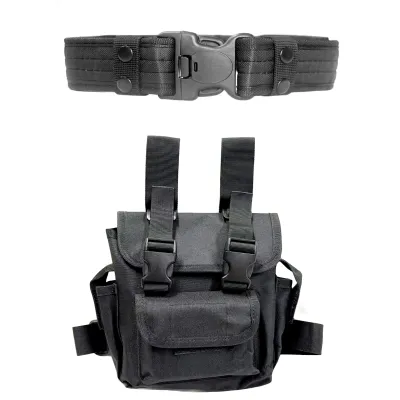
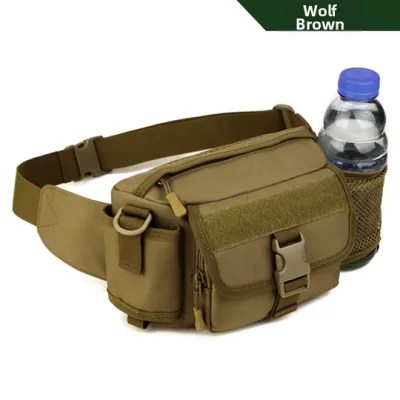
Prices are valid at publication and may change. Please refer to the product page for the latest price.
Next, take inventory of the essential tackle and tools you plan to bring on a typical outing. A common beginner mistake is choosing an oversized bag and packing it with unnecessary gear, leading to physical fatigue and shoulder strain. For most light-tackle or lure fishing trips, you only need to carry one or two small utility boxes, a spool of leader line, a pair of pliers, and a line cutter. Grouping these items beforehand helps you visualize the physical volume your bag must accommodate.
Finally, consider your preferred carrying position and how it interacts with your casting motion. Fishing waist bags are designed to be worn in various positions, including directly on the lower back, resting on either hip, or positioned in front for immediate access. If you use a highly active casting style, keeping the bag on your lower back prevents the pack from interfering with your casting arm’s range of motion. Understanding these personal preferences allows you to select a bag layout that complements your physical movements on the water.
Step 2: Evaluate Water Resistance and Material Durability
Water resistance is one of the most critical specifications to verify when selecting a fishing waist bag. Because your bag will inevitably encounter splashes, rain, or accidental drops, protecting your tackle and personal electronics is paramount. When browsing options, check the manufacturer’s product descriptions for terms like ‘TPU coating’ (thermoplastic polyurethane) or ‘DWR’ (durable water repellent) finishes. These coatings prevent water from soaking through the fabric, allowing droplets to bead up and roll off the surface.

The base material of the bag determines how well it survives encounters with abrasive environments like sharp rocks, thick brush, and concrete jetty edges. Look for high-denier synthetic fabrics, such as nylon or polyester rated between 500D and 1000D. The ‘D’ stands for denier, which measures the thickness and density of the individual threads; a higher number generally indicates greater tear strength and abrasion resistance. A durable outer shell ensures that your bag will not puncture or fray when you brush past thorny lakeside vegetation.
Zippers and closures are the most common entry points for water, making them a vital area of inspection. Standard nylon zippers will easily let water seep into the main compartment during a sudden tropical downpour. To prevent this, look for bags equipped with rubberized, water-resistant zippers, protective storm flaps that fold over the zipper track, or roll-top closures that seal out moisture entirely. If you plan to wade in deep water where the bag might be temporarily submerged, prioritize bags with IPX-rated waterproof zippers that form an airtight seal.
Step 3: Analyze Compartment Layout and Tackle Accessibility
An organized fishing waist bag allows you to change lures, rig hooks, and cut lines in seconds without losing your focus on the water. Begin your evaluation by checking the dimensions of the main compartment against the standard tackle boxes you intend to use. Most manufacturers specify which size of utility cases (such as standard 3600 or 3700 series trays) can fit inside. A well-designed bag should hold at least one or two of these boxes snugly, preventing them from shifting excessively while you walk.
External attachment points are what separate a dedicated fishing bag from a generic waist pack. Look for integrated D-rings, heavy-duty webbing loops (often referred to as MOLLE webbing), and built-in tool holsters. These features allow you to secure essential tools like split-ring pliers, fish grippers, and line nippers directly to the outside of the bag. Having these tools secured on retractors or in dedicated sheaths means you can grab them blindly with one hand while holding a rod or a fish with the other.
In addition to the main compartment, look for specialized pockets designed for quick-access items. A dedicated pocket for leader spools—ideally with an integrated grommet or feed-through slot—allows you to pull and cut fresh leader line without removing the spool from your bag. Small zippered mesh pockets on the interior or exterior are excellent for storing soft plastic lure packets, terminal tackle boxes, or your smartphone. Having a designated home for every item prevents clutter and reduces the risk of dropping loose gear into the water.
Step 4: Check Fit, Comfort, and Adjustability
A fishing waist bag is only useful if it remains comfortable to wear for several hours of continuous movement. When evaluating the waist belt, look for a wide, heavily padded strap that distributes the weight of your gear evenly across your hips rather than digging into your lower back. The belt should offer a wide range of adjustability so you can tighten it securely against your waist, whether you are wearing a light t-shirt or layering over a bulky wading jacket during a sudden rainstorm.
In warm and humid climates, heat dissipation is a major comfort factor. Look for bags that feature a 3D breathable mesh back panel. This raised, porous material creates a physical gap between your lower back and the flat surface of the bag, allowing air to circulate and sweat to evaporate more efficiently. Without proper ventilation, a solid nylon back panel can trap heat, leading to discomfort, skin irritation, and premature fatigue during long days under the sun.
The quality of the hardware, particularly the main buckle and adjustment clips, is another critical check. Look for heavy-duty, impact-resistant plastic buckles that click securely into place and do not slip under tension. A quick-release mechanism is essential for safety, allowing you to shed the bag instantly if you slip in deep water or need to adjust your gear quickly. Additionally, check if the bag includes an optional, removable shoulder strap or neck strap, which can help distribute the load if you carry heavier tackle boxes.
Step 5: Verify Weight Distribution and Balance
Once you have selected a bag that meets your material and layout requirements, you must verify how it carries weight when fully loaded. A bag that looks perfect on a store shelf or in an online photo can behave very differently once packed with heavy lead sinkers, metal jigs, and water bottles. To test this, load the bag with your actual fishing gear at home and secure it around your waist to observe how the weight settles against your body.
With the loaded bag strapped on, perform a few simulated casting motions, bends, and steps to check for shifting or sagging. If the bag sags outward or bounces with every step, it will quickly cause lower back strain and disrupt your balance on uneven terrain. Adjust the tension of the waist belt and experiment with different positions—such as resting the pack directly over your tailbone or shifting it to your side hip—to find the natural center of gravity that minimizes movement.
Finally, ensure that the loaded bag does not restrict your physical mobility. You should be able to bend at the knees, squat down to land a fish, and climb over shoreline rocks without the bag hitting your thighs or restricting your leg movement. If the pack feels too bulky or constantly slides down your hips despite tightening the belt, you may need to reduce the amount of gear you are carrying or look for a model with a more contoured, ergonomic shape.
Frequently Asked Questions (FAQ)
Can I use a regular hiking waist bag for fishing?
While you can technically use a standard hiking waist pack, it lacks the specialized features that make fishing efficient and organized. Hiking bags rarely include dedicated tool holsters, corrosion-resistant D-rings, or secure attachment points for wet pliers and line cutters, forcing you to store sharp tools inside main compartments where they can puncture gear or rust. Furthermore, hiking packs are seldom designed with the high level of water resistance or drain holes needed to handle wet tackle boxes and splashing water, which can lead to waterlogged gear and damaged electronics.
How do I clean and maintain my fishing waist bag after use?
To extend the lifespan of your fishing waist bag, always rinse it thoroughly with clean, fresh water after every outing, especially if you have been fishing in saltwater or muddy environments. Salt residue and organic debris can quickly corrode metal zippers, degrade synthetic fabrics, and cause unpleasant odors. After rinsing, open all compartments and hang the bag to air dry completely in a shaded, well-ventilated area; avoid direct sunlight, which can break down water-resistant coatings over time. Never use harsh detergents, bleach, or washing machines unless the manufacturer’s care label explicitly permits it, as these can strip away protective water-repellent finishes.
Community discussion
Share your experience or ask a question. Comments are reviewed before publication.