
Choosing a reliable yoga stick or Pilates bar in Singapore as a beginner requires looking past marketing buzzwords and focusing on structural integrity, material safety, and your specific practice goals. While many generic options exist on online marketplaces, selecting a reputable fitness brand ensures you receive a product with verified load capacities, durable foam grips, and reliable warranties. In a market filled with varying qualities of home fitness equipment, understanding how to evaluate these products is essential to prevent injury and ensure a productive practice.
A yoga stick is not a one-size-fits-all tool; its design varies significantly depending on whether you intend to use it for posture correction, deep stretching, or resistance-based Pilates exercises. By focusing on key manufacturing standards, material specifications, and authorized retail channels, you can confidently select a brand that supports your wellness journey. This guide outlines the essential steps to evaluate yoga stick brands in Singapore, helping you make an informed decision based on your physical needs and home environment.
Understanding Your Practice Needs Before Choosing a Brand
Before comparing specific brands, you must identify the exact type of equipment your routine requires. The term “yoga stick” is often used loosely to describe several distinct tools, including simple wooden stretching dowels, posture-correcting cross-sticks, and resistance-based Pilates bars. Mixing up these categories can lead to purchasing a product that is either too rigid for dynamic movements or lacks the necessary resistance for strength training.
Products mentioned in this guide
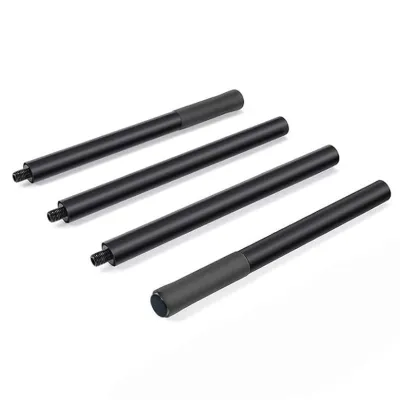

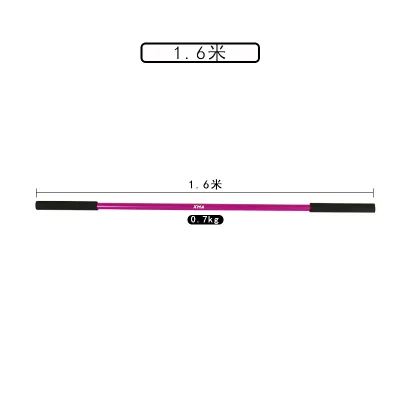


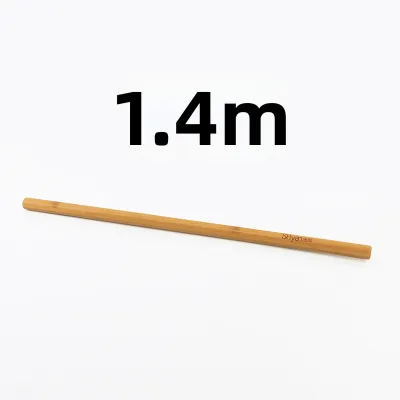
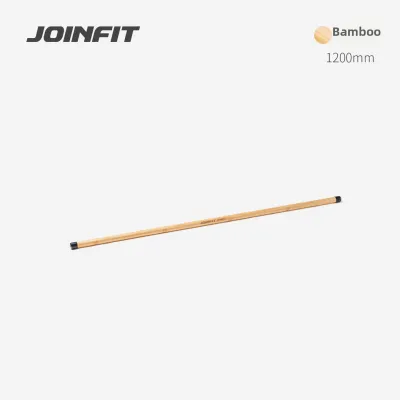
Prices are valid at publication and may change. Please refer to the product page for the latest price.
Yoga stretching sticks, often made of natural wood or lightweight fiberglass, are primarily designed for static alignment, chest opening, and shoulder mobility. These tools help you maintain a straight spine and correct slouching habits by providing a rigid reference point behind your back. They do not stretch or bend, relying entirely on your body’s leverage to deepen a stretch.
In contrast, Pilates bars are multi-functional systems featuring a metal or heavy-duty fiberglass rod equipped with elastic resistance bands. These are designed for dynamic, full-body strength and conditioning exercises, mimicking the movements performed on a studio reformer. If your goal is to tone muscles and build strength, a Pilates bar is the appropriate choice, whereas a simple wooden dowel is better suited for pure flexibility and posture work.
Your practice environment also plays a critical role in your decision. Living in a typical Singapore apartment means space is at a premium, making storage and portability key considerations. Some brands specialize in multi-piece, collapsible sticks that unscrew into two or three compact segments, allowing you to tuck them away in a drawer or carry them easily to an outdoor class. If you plan to practice exclusively at home and have dedicated storage space, a single-piece fixed stick may offer superior structural rigidity.
Finally, you must assess your current physical limits, flexibility, and fitness goals. Beginners often make the mistake of choosing high-resistance bands or overly rigid sticks that force their joints into uncomfortable positions. A reliable brand should offer clear guidance on resistance levels, typically categorized by weight equivalents (such as 15 lbs to 30 lbs of tension), allowing you to start safely and progress gradually as your mobility improves.
Core Selection Criteria for Entry-Level Yoga Sticks
When evaluating different brands’ entry-level offerings, you should focus on three primary physical and structural features: material composition, dimensions, and grip ergonomics. These specifications are usually listed on the manufacturer’s website or product packaging and serve as reliable indicators of overall build quality.

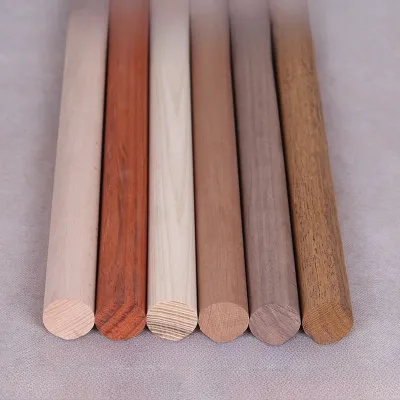
The core material of the stick determines its weight, flexibility, and load-bearing capacity. For wooden stretching sticks, look for brands that use high-density hardwoods such as beech, maple, or ash. These woods resist warping in Singapore’s humid climate and are less prone to splintering under pressure than cheaper softwoods.
For Pilates bars and adjustable mobility sticks, steel or high-grade aluminum alloy cores are the industry standard. Check the manufacturer’s specifications for the wall thickness of the metal tubing; thin-walled tubes can bend or crimp under heavy load. A reliable brand will explicitly state the maximum weight capacity or load rating of the bar, which should comfortably exceed the force you plan to apply during your workouts. If a brand does not disclose its core materials or load limits, it is best to avoid it.
The length of the yoga stick must match your height and arm span to ensure proper alignment during exercises. A stick that is too short will restrict your grip, forcing your shoulders into a pinched position during overhead stretches. Conversely, an excessively long stick can be unwieldy in tight indoor spaces.
For most beginners, a stick length between 80 cm and 100 cm is ideal. Many modern brands offer adjustable-length models that utilize secure push-button locking mechanisms or threaded collar joints. When evaluating these adjustable options, verify that the locking joints are made of durable materials, such as reinforced nylon or metal, rather than brittle plastics that can crack under tension. To find your ideal length, hold the stick horizontally in front of you; your hands should be spaced wide enough that you can comfortably pass the stick over your head and behind your back without bending your elbows.
Sweat and humidity can quickly make a smooth stick slippery, leading to a loss of control and potential muscle strain. To prevent this, look for brands that feature high-density foam padding along the length of the bar. Ethylene-vinyl acetate (EVA) and nitrile butadiene rubber (NBR) are excellent padding materials because they offer a comfortable, non-slip grip while resisting moisture absorption.
Examine the texture of the foam; a slightly ribbed or textured surface provides better traction than a completely smooth one. Additionally, ensure the foam is securely bonded to the inner core and does not slide or twist during use. For wooden sticks without foam padding, the wood should be finely sanded and finished with a sweat-resistant, non-toxic sealant to protect both your hands and the wood itself.
Evaluating Brand Reliability and Value
In the fitness equipment market, price does not always correlate directly with quality. To find a brand that offers genuine value, you must look beyond promotional claims and evaluate concrete indicators of reliability, such as warranty terms, customer support, and manufacturing transparency.
A manufacturer’s warranty is a strong indicator of their confidence in the product’s durability. Reliable brands typically offer a structured warranty period—usually ranging from 6 to 12 months—covering manufacturing defects, structural failures, or premature wear of components like resistance bands and foam grips.
Before purchasing, read the fine print of the return policy. Ensure the brand provides a clear process for replacing defective items and covers return shipping costs if a product arrives damaged. Avoid brands that offer no warranty or use vague language such as “lifetime satisfaction guaranteed” without providing a physical address or formal claim process to back up the promise.
For a beginner, buying a yoga stick is only the first step; learning how to use it safely and effectively is equally important. Reputable brands distinguish themselves by providing comprehensive user manuals, clear assembly instructions, and accessible educational content.
Look for brands that offer official instructional videos, downloadable exercise guides, or online libraries demonstrating proper form and progression paths. This support is crucial for preventing common beginner mistakes, such as overextending joints or using incorrect resistance band tension. A brand that invests in high-quality educational resources demonstrates a commitment to customer safety and long-term satisfaction.
To determine if a yoga stick is worth its price, compare its baseline specifications against its retail cost. Avoid paying a premium for superficial features, such as trendy colorways or celebrity endorsements, which do not contribute to the tool’s safety or functionality.
Instead, focus on the quality of the individual components. For a Pilates bar, this includes the thickness of the steel core, the density of the foam padding, the strength of the connection carabiners, and the durability of the fabric webbing on the foot straps. A mid-range stick priced between S$30 and S$60 often delivers the same structural integrity and safety features as high-end luxury brands, making it the sweet spot for entry-level practitioners in Singapore.
Where to Buy and How to Verify Authenticity
Purchasing your yoga stick from the right source is the most effective way to ensure you receive a genuine, high-quality product. With the rise of online shopping, counterfeit and substandard fitness equipment has become increasingly common, making verification a vital step in your buying process.
To guarantee authenticity, always prioritize buying directly from a brand’s official website, their official storefronts on major e-commerce platforms, or authorized local sporting goods retailers in Singapore. Established local wellness shops and specialty fitness stores are excellent options, as they curate their inventory and often allow you to handle the equipment before making a purchase.
Buying from authorized channels also ensures that your warranty remains valid. Many manufacturers will refuse to honor warranty claims for products purchased from unauthorized third-party sellers, leaving you without recourse if the equipment fails.
When browsing general online marketplaces, you must exercise caution to avoid low-quality imitations. Be skeptical of listings that exhibit the following red flags:
- Absence of Brand Markings: Products that are sold under generic names or lack clear brand logos on the stick itself are often mass-produced with minimal quality control.
- Unusually Low Prices: If a complete Pilates bar set with multiple resistance bands is priced significantly lower than the market average (for example, under S$15), the manufacturer may have compromised on material safety and durability.
- Vague or Copied Descriptions: Listings that use poorly translated text, repetitive keywords, or product images copied from other brands are highly suspect.
- Lack of Verifiable Seller Ratings: Check the seller's profile for genuine customer feedback, paying close attention to reviews that mention structural issues, missing parts, or poor customer service.
Once your yoga stick arrives, perform a quick inspection to verify its authenticity before using it. Genuine products are typically shipped in sturdy, branded packaging that protects the contents during transit. Inside, you should find a professionally printed user manual, clear safety warnings, and a warranty card.
Some premium brands include holographic security seals, unique serial numbers, or QR codes on the packaging. You can use these identifiers to register your product on the manufacturer’s official website, confirming its authenticity and activating your warranty. If the packaging is flimsy, unbranded, or lacks basic documentation, contact the seller immediately to clarify the product’s origin.
Initial Setup and Safety Checks Before Your First Session
Before you begin your first workout, taking a few minutes to inspect and set up your equipment is essential for preventing accidents and ensuring a safe practice environment. Even high-quality branded yoga sticks can suffer damage during shipping or assembly, making pre-use checks a critical safety habit.
Begin by carefully examining the entire length of the yoga stick. If you have a wooden model, run your hands gently along the surface to check for any splinters, cracks, or rough spots that could cause injury. For metal or fiberglass models, inspect the core for any dents, bends, or structural weaknesses.
Check the foam padding to ensure it is fully intact, securely adhered to the core, and free of deep cuts or tears. If your stick consists of multiple segments, assemble them according to the manufacturer’s instructions and verify that the joints fit together tightly without any wobbling or play.
If your yoga stick features adjustable length settings or detachable parts, double-check that all locking pins, spring buttons, or threaded collars are fully engaged and locked into position. A loose joint can suddenly collapse during an exercise, leading to a loss of balance.
For Pilates bars with resistance bands, inspect the bands thoroughly for any signs of wear, such as micro-tears, discoloration, or dry rot. Ensure the carabiners, clips, or fabric straps that connect the bands to the bar are securely fastened and show no signs of bending or fraying. If you notice any damage to the bands or connectors, do not use them; contact the manufacturer for replacement parts.
Your physical environment is just as important as the equipment itself. Choose a spacious area in your home with at least 2 meters of clear space in all directions, ensuring you will not hit any furniture, walls, or low-hanging light fixtures during your movements.
The floor surface must be non-slip to prevent your feet or the stick from sliding. Using a high-quality, high-grip yoga mat is highly recommended, especially on smooth tile or polished wood floors common in Singapore homes. Ensure the room is well-ventilated and brightly lit so you can maintain clear visibility and focus throughout your session.
Frequently Asked Questions (FAQ)
Can I use a standard wooden dowel from a hardware store instead of a branded yoga stick?
While a standard wooden dowel from a hardware store may look similar to a basic yoga stretching stick, it is not a recommended substitute for dedicated fitness equipment. Hardware dowels are typically made from untreated, low-grade softwoods that are prone to warping, cracking, and splintering under physical pressure, posing a significant safety risk during deep stretches.
Furthermore, raw hardware dowels lack the ergonomic design features of purpose-built yoga sticks. They do not have comfortable, non-slip foam grips to absorb sweat, nor do they feature rounded, finished ends to prevent scratching your floors or damaging your skin. Branded yoga sticks are engineered with specific weight distributions, smooth finishes, and verified load-bearing capacities, ensuring a safe and comfortable practice that a generic hardware dowel cannot replicate.
How do I clean and maintain my yoga stick to ensure it lasts?
Proper maintenance is essential to preserve the hygiene and structural integrity of your yoga stick, especially in Singapore’s warm and humid climate. After every session, wipe down the entire stick—including the foam grips and metal or wooden core—with a soft, damp cloth and a mild, diluted soap solution. Avoid using harsh chemical cleaners, alcohol-based wipes, or abrasive scrubs, as these can degrade the foam padding, strip the protective finish off wood, or corrode metal components.
Once cleaned, allow the stick to air dry completely in a well-ventilated indoor area before storing it. Never leave your yoga stick in direct sunlight, near heat sources, or in high-humidity environments like balconies or bathrooms, as extreme conditions can cause wood to warp, foam to crumble, and resistance bands to lose their elasticity. Store the stick flat or vertically in a dry closet to prevent bending or accidental damage.
Community discussion
Share your experience or ask a question. Comments are reviewed before publication.