
Choosing the right tennis racket head cover as a beginner requires matching the cover’s dimensions to your racket’s head size, selecting a durable and breathable material that suits your local climate, and choosing a padding level that aligns with how you transport your gear. By verifying these key specifications, you can protect your strings, frame, and bumper guard from premature wear and environmental damage. A suitable cover acts as a primary shield, ensuring your equipment remains in optimal playing condition between practice sessions.
When you invest in your first tennis racket, you are acquiring a precision tool designed to elevate your game. Protecting this investment from the start is crucial for maintaining its performance and longevity. Many beginners overlook the importance of a dedicated head cover, assuming that storing the racket in a closet or tossing it into a casual sports bag is sufficient. However, without proper protection, your racket is vulnerable to subtle but damaging forces that can degrade its structural integrity and playability over time.
Why Beginners Need a Dedicated Racket Head Cover
A dedicated racket head cover serves as the first line of defense against physical and environmental hazards. When a racket is left unprotected, the bumper guard—the plastic strip designed to protect the top of the frame during ground scrapes—can easily become chipped or cracked. Additionally, exposed strings are highly susceptible to friction damage when they rub against other items in your bag, which can lead to premature fraying and breakage. Minor scratches on the frame might seem purely cosmetic, but they can eventually develop into structural micro-fractures under the high tension of regular play.
Products mentioned in this guide
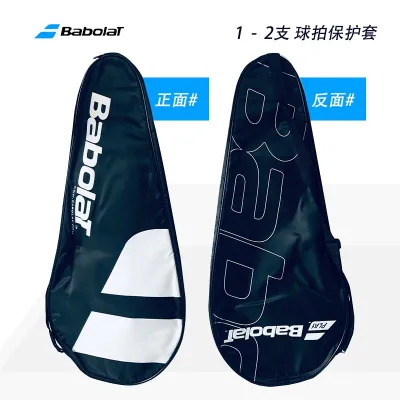
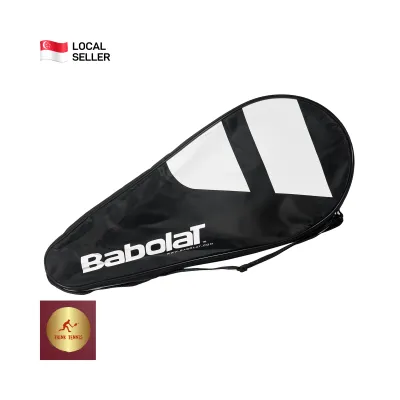
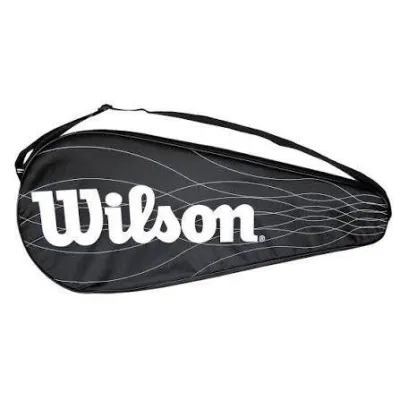
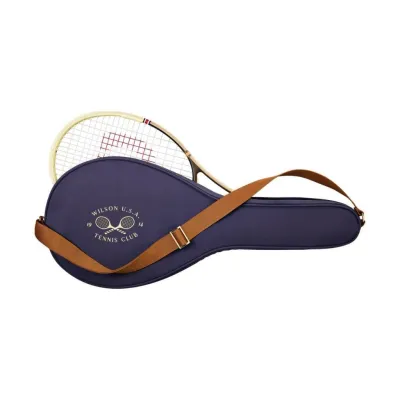
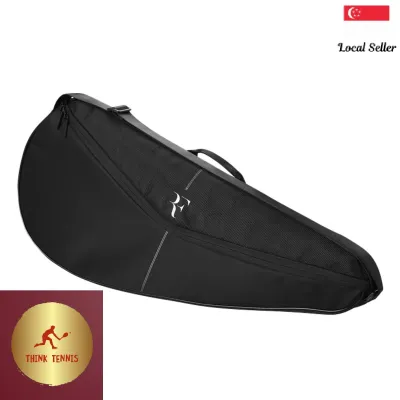

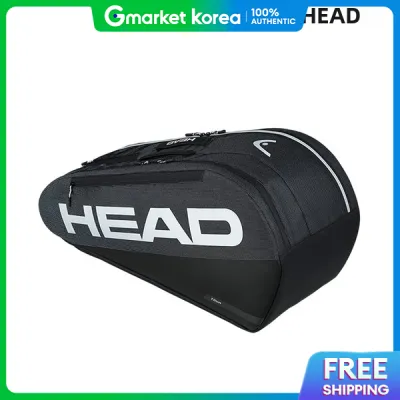
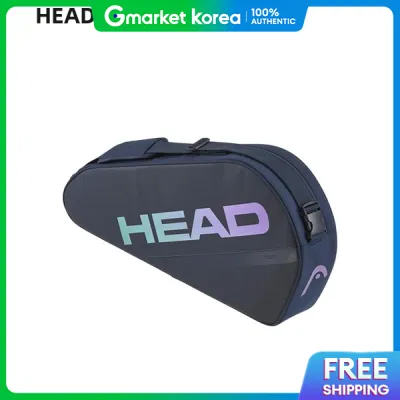
Prices are valid at publication and may change. Please refer to the product page for the latest price.
Environmental exposure is another critical factor that can quietly ruin your gear. Tennis strings, whether made of synthetic gut, polyester, or multifilament, are highly sensitive to temperature fluctuations and moisture. High humidity can cause certain string types to lose tension rapidly, while excessive heat can degrade the adhesive bonds in the grip and frame materials. A quality head cover acts as a barrier, stabilizing the micro-environment around your racket head and shielding the delicate strings from dust, dirt, and moisture.
Viewing a head cover as a preventive investment rather than a cosmetic accessory is a smart mindset for any beginner. Replacing strings or repairing a damaged frame is far more expensive than purchasing a reliable cover at the start of your tennis journey. By keeping your racket enclosed when not on the court, you maintain consistent string tension and protect the frame from accidental drops. This simple habit ensures that every time you step onto the court, your racket performs exactly as intended, allowing you to focus entirely on developing your technique.
Step 1: Verify Size and Fit Compatibility
The most critical step in choosing a head cover is ensuring a precise fit for your specific racket. Tennis rackets are manufactured with varying head sizes to accommodate different playing styles and skill levels. As a beginner, your racket likely features a head size ranging from midplus (typically 98 to 104 square inches) to oversize (105 square inches or larger). Before purchasing a cover, locate your racket’s exact head size, which is usually printed on the inner throat, side of the frame, or the manufacturer’s specification label.

Using a cover that does not match your racket’s dimensions can lead to several issues. An oversized cover will allow the racket to slide around inside, causing friction between the fabric and the frame, which defeats the purpose of scratch protection. Conversely, attempting to force a tight cover over an oversized racket head can place unnecessary stress on both the zipper and the racket frame itself. This tight fit can also compress the strings unevenly, potentially affecting their tension and alignment over time.
When evaluating different covers, pay close attention to the closure mechanisms. Elastic bands offer quick and easy access, but they can lose their elasticity over time and may slip off during transport. Drawstrings provide a highly adjustable fit, allowing you to tighten the cover securely, though they can sometimes leave small gaps where dust can enter. Zippers offer the most secure closure, but you must ensure the zipper track is lined or positioned in a way that prevents the metal or plastic teeth from scratching the racket’s paint.
Step 2: Compare Materials for Durability and Climate Suitability
The material of your racket head cover determines how well it will withstand daily wear and protect your gear from the elements. Manufacturers commonly use nylon, polyester, or neoprene, each offering distinct trade-offs. Nylon is exceptionally lightweight and highly durable, making it an excellent choice for players who want basic protection without adding weight to their gear. Polyester is known for its superior tear resistance and UV protection, which helps prevent the fabric from fading or degrading when exposed to direct sunlight during outdoor sessions.
Neoprene is a thicker, synthetic rubber material that offers outstanding shock absorption and water resistance. While neoprene provides excellent cushioning against bumps, it is generally heavier and less breathable than woven fabrics. When browsing product descriptions, look for specific mentions of water resistance or weatherproofing, especially if you frequently travel to outdoor courts. A water-resistant exterior fabric ensures that a sudden rain shower won’t immediately soak through to your racket strings.
In humid climates, such as Singapore, breathability and moisture-wicking properties are essential features to look for in a cover. High humidity levels can trap moisture inside a non-breathable cover, creating an ideal environment for mold and mildew to grow on your racket’s grip and strings. Choosing a cover with breathable mesh panels or moisture-wicking interior fabrics allows air to circulate, keeping your gear dry and hygienic. Always verify the material thickness and tear resistance through detailed product specifications rather than relying on visual appearance alone.
Step 3: Assess Padding and Protection Levels
The level of padding you need depends heavily on your daily transport habits and how you store your racket. Thin slipcovers, often made of unpadded nylon or polyester, provide basic scratch and dust protection. These are ideal if you already store your racket inside a dedicated, padded tennis bag and simply want an extra layer of separation. They are also highly packable and add virtually no bulk to your gear, making them convenient for players who travel light.
If you tend to toss your racket into a car trunk, carry it on public transport, or pack it alongside heavy items in a standard backpack, a padded cover is highly recommended. Padded covers feature an integrated layer of foam or fleece lining that absorbs impacts from accidental drops or bumps. This cushioning protects the frame from structural damage and prevents the strings from shifting. A soft interior lining is equally important, as it minimizes friction against the racket’s painted surface and delicate string outer coatings.
Some manufacturers market covers with thermal insulation designed to protect rackets from extreme temperature changes. To evaluate these claims, look for specific temperature ratings or specialized material specifications on the product label. While thermal lining is highly beneficial in regions with extreme seasonal temperature swings, its primary function is to prevent the rapid contraction and expansion of strings. Match this protection level to your actual environment and transport routine to avoid paying for unnecessary features.
Step 4: Evaluate Portability and Practical Features
A practical head cover should integrate seamlessly into your daily routine without causing inconvenience. Portability features can greatly enhance how you carry your gear to and from the court. Some covers come equipped with adjustable shoulder straps, allowing you to carry your racket comfortably on your back without needing a full-sized bag. Others feature integrated handles or carabiner clips, which make it easy to clip the cover onto the outside of a standard backpack or hang it on a court fence during play.
Exterior pockets are another highly useful feature to consider. These small compartments provide a convenient space to store essential accessories such as vibration dampeners, replacement overgrips, keys, or small personal items. Having these items secured in the cover’s pocket ensures you always have them on hand when stepping onto the court. However, be mindful of the pocket’s size and placement, as overstuffing it can add unnecessary bulk and make the cover awkward to carry.
Before making a final decision, evaluate the overall weight and bulk of the cover, especially if you plan to slide it into an existing tennis backpack. A cover that is too bulky may take up valuable space needed for shoes, water bottles, or clean clothes. Additionally, inspect the quality of the hardware, such as the zippers and seam stitching, through detailed product images or specifications. Double-stitched seams and heavy-duty nylon zippers are strong indicators of a durable product that will withstand the rigors of regular use.
How to Clean and Maintain Your Racket Head Cover
To ensure your racket head cover continues to provide optimal protection, regular maintenance is necessary. Over time, the cover can accumulate sweat, dirt, and outdoor debris, which can transfer onto your racket if left uncleaned. Always begin by checking the manufacturer’s care label attached to the inside of the cover. This label provides specific instructions regarding water temperature, detergent restrictions, and drying methods that are safe for the particular fabric and padding.
For minor dirt and sweat buildup, spot-cleaning is the safest and most effective method. Use a soft cloth or sponge dampened with lukewarm water and a small amount of mild liquid soap. Gently wipe down the exterior and interior surfaces, paying close attention to areas that come into contact with the racket grip. Avoid using harsh chemical cleaners, bleach, or abrasive brushes, as these can degrade the water-resistant coatings, weaken the fabric fibers, and damage the internal padding.
If the care label permits machine washing, always use a gentle cycle with cold water and a mild detergent. To protect the cover’s zippers, buckles, and padding from damage during the wash cycle, place the cover inside a mesh laundry bag. Once the wash is complete, avoid using a tumble dryer, as high heat can shrink the fabric and warp the internal foam padding. Instead, hang the cover to air dry completely in a well-ventilated, shaded area, ensuring no moisture remains before inserting your racket.
Frequently Asked Questions (FAQ)
Can I use a generic head cover for different racket brands?
Yes, you can generally use a generic or universal head cover across different racket brands. Universal head covers are designed based on standard racket head size ranges rather than brand-specific frame shapes. When selecting a generic cover, the most important factor is to verify that the cover’s maximum supported head size matches or exceeds your racket’s head size, which is typically measured in square inches. Checking these dimensions ensures a secure fit regardless of the brand logo on your racket.
Do I need a thermal cover in a tropical climate?
In consistently warm and humid tropical climates like Singapore, a highly insulated thermal cover is generally less critical than one that prioritizes breathability. While thermal covers help protect strings from extreme temperature spikes—such as being left in a hot car trunk—high humidity is often the greater threat to your gear. For tropical environments, look for covers made from breathable, moisture-wicking materials that prevent humidity from trapping moisture inside, which can lead to mold on your grip and premature string tension loss.
How do I know when it is time to replace my head cover?
You should replace your head cover when it shows clear physical signs of wear that compromise its protective capabilities. Key indicators include compressed or thinning foam padding that no longer absorbs impacts, broken or splitting zippers that leave the racket exposed, and torn interior lining that rubs against the frame. Additionally, if the cover features elastic bands that have stretched out and no longer hold the cover securely in place, it is time to invest in a new one to ensure your racket remains fully protected.
Community discussion
Share your experience or ask a question. Comments are reviewed before publication.