
Finding a high-value, beginner-friendly large fishing net in Singapore requires balancing physical manageability, material durability, and local fishing regulations. Rather than chasing premium, high-end professional brands that cost hundreds of dollars, beginners can find excellent value by focusing on structural indicators—such as reinforced joints, knotless rubberized mesh, and lightweight aluminum handles. By understanding how to evaluate these physical specifications and verifying them against local angling environments like coastal jetties, reservoirs, and commercial ponds, you can secure a reliable tool that protects your catch without overstretching your budget.
Defining "Large" and Identifying Your Fishing Style
Before diving into brand catalogs or online marketplaces, you must clarify what “large” means for your specific angling activities. In the fishing world, a large net generally falls into one of two primary categories: landing nets or cast nets. For the vast majority of beginners in Singapore, a landing net is the correct choice. Landing nets are designed to safely scoop up a fish that has already been hooked and reeled in close to the angler, acting as a critical safety tool to prevent line breakage near the shore or jetty.
Cast nets, by contrast, are large, circular nets thrown by hand to blanket an area of water and trap baitfish or prawns. While they are indeed large nets, cast nets require a high level of physical coordination, specialized throwing techniques, and are subject to strict legal prohibitions in most of Singapore’s public inland waters. For a novice, attempting to use a cast net without proper training often results in tangled gear, physical fatigue, and potential legal issues. Therefore, focusing your search on a high-quality landing net is the most practical path forward.
Products mentioned in this guide
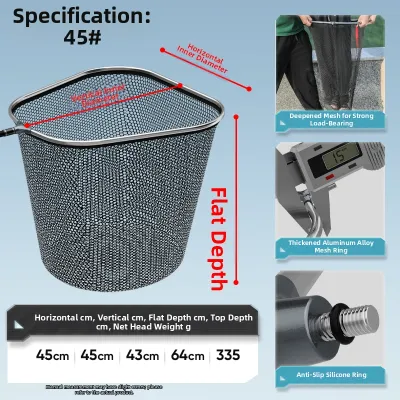
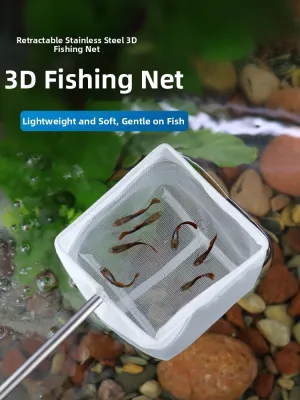
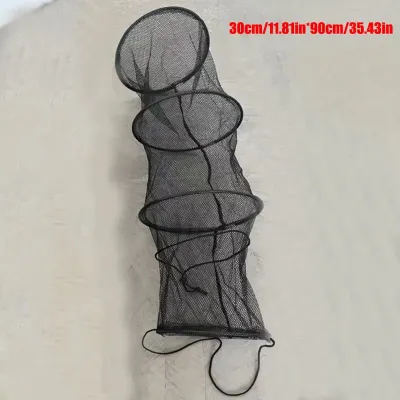
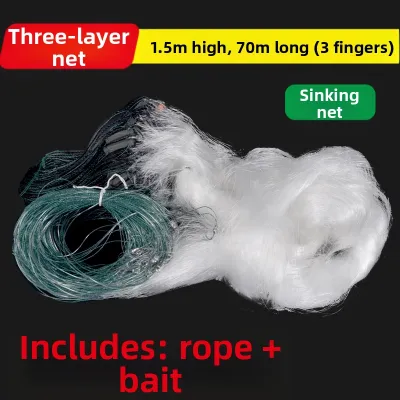
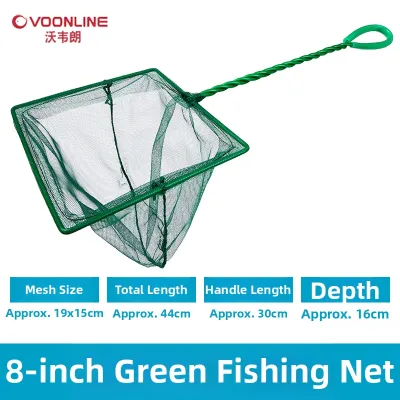
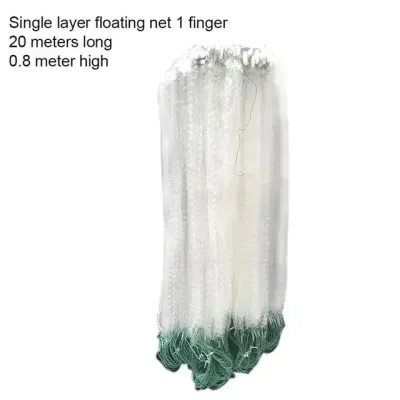
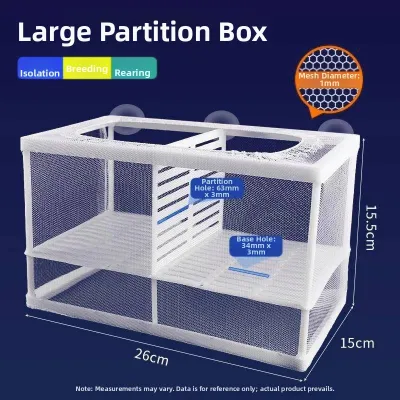
Prices are valid at publication and may change. Please refer to the product page for the latest price.
Your choice of landing net must align directly with where you plan to fish in Singapore. If you frequent high-altitude coastal structures like Bedok Jetty or Woodlands Jetty, a large net requires a long, telescopic handle—often extending between 3 and 5 meters—to safely reach the water surface from the deck. Conversely, if you are fishing at managed freshwater ponds, such as those in Pasir Ris or ORTO, or casting from designated rocky banks at local reservoirs, a much shorter handle paired with a wide, deep hoop is far more effective. Matching the handle length and hoop size to your venue prevents unnecessary physical strain and ensures you can land your fish quickly.
Handling a large net also introduces physical demands that beginners often underestimate. When a heavy fish is on the line, you will likely be holding your fishing rod with one hand while maneuvering the landing net with the other. A net that is too heavy, poorly balanced, or highly resistant to water flow will quickly become unmanageable. Beginners should look for nets that offer a balance between a wide hoop diameter—typically 50 centimeters or larger for species like barramundi or large peacock bass—and a lightweight frame that can be extended and locked into place with minimal effort.
Core Selection Criteria for Beginner-Friendly Nets
To find a net that is both easy to use and built to last, you must evaluate the physical materials and engineering of the handle. The handle is the backbone of your landing net, and it is typically constructed from either aluminum or carbon fiber. Aluminum handles are highly favored for beginners because they are incredibly robust, cost-effective, and can withstand the inevitable bumps and scrapes against concrete jetty walls or rocky shorelines. While aluminum is heavier than carbon fiber, its structural resilience makes it highly forgiving for novices who are still mastering net placement.

Carbon fiber handles, on the other hand, offer an exceptionally lightweight alternative that significantly reduces arm fatigue during long fishing sessions. However, carbon fiber is more brittle than aluminum and can crack or shatter if subjected to sudden lateral impacts or if stepped on accidentally. For beginners on a budget, a high-grade aluminum telescopic handle represents the best overall value. Telescopic designs allow you to adjust the length to suit different fishing heights, but you must ensure the locking collars are sturdy and slip-resistant when wet.
Beyond the handle, the design of the mesh bag itself plays a massive role in both the survival of the fish and the ease of your angling experience. Traditional landing nets often used thin, knotted nylon mesh. While cheap and lightweight, knotted nylon acts like sandpaper against a fish’s skin, stripping away its protective slime coat and scales, which can lead to fatal infections after release. Furthermore, open treble hooks from lures easily become hopelessly tangled in knotted nylon, forcing you to waste valuable fishing time cutting your net to free your gear.
To avoid these headaches, look for knotless, rubber-coated nylon or pure silicone mesh. Rubber-coated mesh is incredibly gentle on the fish, preserving its protective coating and making it the ideal choice for catch-and-release angling. Additionally, the smooth surface of rubber prevents hook points from embedding themselves in the fibers, allowing you to untangle your lure in seconds. While rubberized mesh is slightly heavier and creates more drag in fast-moving water than thin nylon, its user-friendly benefits and fish-safe properties make it the superior choice for beginners.
Finally, pay close attention to the hoop shape and the joint mechanism where the hoop connects to the handle. Teardrop-shaped hoops are highly versatile, offering a wide entry point that makes it easier to guide a tired fish into the bag. Because a large net can be cumbersome to transport, many modern designs feature a folding or collapsing hoop joint. This joint is the most common failure point on any landing net; look for folding mechanisms constructed from heavy-duty aluminum or reinforced composite polymers rather than thin, brittle plastics that can snap under the weight of a heavy catch.
Evaluating Brand Value and Build Quality
When shopping for a large fishing net in Singapore, you will encounter a wide range of brands, from premium international labels to unbranded, budget-friendly options on online marketplaces. To determine which brands offer genuine value, you must look past marketing buzzwords and carefully analyze the manufacturer’s physical specifications. A reputable brand will clearly state the materials used, the wall thickness of the metal tubing, the static load capacity of the handle, and the exact dimensions of the hoop and mesh bag.
Begin by comparing the load capacity ratings provided by different manufacturers. A high-value net should explicitly state its maximum weight capacity when fully extended. Be cautious of listings that promise “heavy-duty” performance without providing concrete numbers. Look for brands that utilize double-riveted connection points at the hoop joint and thick-walled aluminum shafts. These structural details are reliable indicators that a brand has invested in physical durability rather than just aesthetic appeal.
Another critical factor in evaluating brand value is the availability of replacement parts and the scope of the manufacturer’s customer support. Even the most durable nets will eventually experience wear and tear, especially when exposed to the harsh, salty environments of Singapore’s coastal waters. Brands that offer replacement mesh bags, spare locking collars, or individual telescopic handle sections provide far better long-term value than those that force you to purchase an entirely new net system if a single component fails. Before buying, check if local tackle shops stock spare parts for the brand you are considering.
Lastly, learn to analyze user feedback with a critical eye. When browsing online reviews or asking for advice in local angling forums, ignore superficial comments that only focus on fast shipping or initial unboxing impressions. Instead, search for detailed, long-term reviews that describe how the net performs after six months of regular use. Pay close attention to reports of joint failure, rust formation on metal components, or telescopic handles jamming due to sand and salt buildup. A brand that consistently receives positive feedback for structural integrity under stress is well worth your investment.
Smart Shopping and Pre-Purchase Verification in Singapore
When you are ready to make a purchase, executing a few simple verification steps can save you from buyer’s remorse. If you are buying from an online marketplace, always verify the seller’s credentials. Look for authorized brand distributors or highly rated local tackle merchants who offer clear return policies and authentic product guarantees. Avoid purchasing from unverified, third-party sellers offering suspiciously low prices, as these products are often counterfeit or made from inferior, brittle plastics that will fail on your first major catch.
If possible, visit a physical tackle shop in Singapore to handle the net in person before finalizing your decision. This allows you to conduct a hands-on inspection of the net’s physical dimensions, folded length, and total weight. Hold the net at full extension to assess its balance and determine if you can comfortably maneuver it with one hand. Check the smoothness of the telescopic locking mechanism and ensure the folding joint locks securely into place without any noticeable wobble or play.
Transport logistics are another vital consideration for Singaporean anglers. If you rely on public transport, such as the MRT or local buses, to reach your fishing spots, you must comply with transit guidelines regarding bulky items. A massive, non-collapsible landing net with a fixed 1.5-meter handle is incredibly difficult to transport on a crowded train and may be rejected by transit staff. For maximum portability, look for a net that collapses down to a folded length of under 80 centimeters, allowing it to fit easily into a backpack, a rod carryall, or the trunk of a taxi.
Before taking your new net to the water, you must cross-reference local regulations to ensure your gear is fully compliant. In Singapore, the National Parks Board (NParks) and PUB manage public fishing areas and enforce strict rules to protect local biodiversity. While landing nets are widely accepted as auxiliary tools to safely secure a fish caught via legal hook-and-line methods, using nets to actively scoop wild fish, crabs, or other marine life directly from public waters without a line is strictly prohibited in many areas. Always check the latest guidelines for your specific fishing location to avoid heavy fines.
Frequently Asked Questions (FAQ)
How do I clean and store a large fishing net after use?
To prolong the lifespan of your large fishing net, you must clean it thoroughly after every outing, especially if you have been fishing in saltwater environments like Bedok Jetty. Saltwater is highly corrosive and will quickly degrade aluminum handles, rust metal screws, and crystallize within the mesh fibers, making them brittle. Begin by rinsing the entire net—including the hoop, mesh, and handle—with clean, fresh tap water to wash away salt, sand, and organic fish slime. Pay special attention to the telescopic joints and folding mechanisms, flushing out any trapped debris.
Once rinsed, extend the handle fully and hang the net to air dry in a well-ventilated area that is completely shielded from direct sunlight. Ultraviolet (UV) rays from the sun are highly damaging to nylon, rubber, and composite plastics, causing them to weaken and crack over time. Never store your net while it is still damp, as this encourages the growth of mold, mildew, and unpleasant odors. Once completely dry, collapse the net and store it flat or hung vertically in a cool, dry indoor space where the mesh bag will not be pinched or deformed by heavy objects.
Can I use a large landing net for catch-and-release fishing?
Yes, a large landing net is an excellent tool for catch-and-release fishing, provided it is designed with fish safety in mind. Using a net actually reduces the time it takes to land a fish, preventing the animal from fighting to the point of complete exhaustion, which significantly improves its survival rate after release. However, you must ensure the net features a knotless, rubber-coated nylon or pure silicone mesh bag. Knotted nylon nets can scrape away the fish’s protective slime coat, leaving it vulnerable to deadly bacterial and fungal infections.
When landing a fish you intend to release, try to keep the fish submerged in the water inside the net bag while you prepare your pliers and camera. This minimizes the time the fish spends out of the water and reduces gravity-induced stress on its internal organs. Avoid touching the fish with dry hands; always wet your hands before handling the animal to preserve its slime coat. By using a fish-friendly rubberized net and keeping handling time to an absolute minimum, you can ensure the fish swims away healthy and strong.
Are there specific fishing net restrictions in Singapore?
Yes, Singapore has strict regulations regarding the use of fishing nets in public waters to protect local aquatic ecosystems and maintain public safety. The National Parks Board (NParks) and PUB, Singapore’s National Water Agency, designate specific zones where recreational fishing is permitted, such as designated reservoirs and coastal parks. Within these areas, landing nets are generally permitted only as an aid to secure a fish that has been legally caught using a hook and line.
Using nets—such as cast nets, scoop nets, or gill nets—to actively catch fish directly from reservoirs, canals, or public beaches is heavily restricted or entirely prohibited without a special permit. Engaging in unauthorized netting activities can result in severe penalties, including hefty fines and confiscation of your gear. Before heading out, always consult the official NParks and PUB websites to review the most current maps of designated fishing zones and verify the specific rules regarding permitted gear types for your chosen location.
Community discussion
Share your experience or ask a question. Comments are reviewed before publication.