
Choosing the right hand paddles as a beginner swimmer is a balancing act between building technique and protecting your shoulders. The ideal beginner hand paddle is not designed to maximize raw speed or power; instead, it serves as an educational tool that provides immediate tactile feedback on your stroke mechanics. By selecting a paddle with a conservative surface area, flexible materials, and an ergonomic shape, you can safely learn how to catch and pull water without overloading your joints.
Why Standard Paddles Can Harm Beginner Swimmers
Standard or oversized hand paddles act like sails in the water, dramatically increasing the surface area of your hands and the resistance your upper body must overcome. For an experienced swimmer with highly conditioned rotator cuff muscles and refined stroke mechanics, this added resistance builds specific strength. For a beginner, however, the sudden increase in load can easily overwhelm the shoulder joints, leading to acute strain, rotator cuff irritation, or long-term overuse injuries.
When you swim without paddles, your hands naturally slip slightly through the water if your stroke angle is incorrect, which acts as a natural safety valve. Standard paddles eliminate this slip, forcing your shoulders to pull through the water even if your hand entry is crooked or your elbow drops during the catch phase. This mechanical stress is compounded over hundreds of stroke repetitions during a standard pool session.
Products mentioned in this guide
![[SG 🚚] 1Pair Swimming Hand Paddles With Adjustable Straps Webbed Swim Training Hand Fins Unisex Ergonomic Comfortable](https://img.lazcdn.com/g/p/4e2c04adde1d303e0d6b68fbfd7adcc1.jpg_400x400q80.jpg_.webp)
![[SG Stock] Swimming Hand Paddles Freestyle Fins Adjustable Straps Training Swim Gear Kids Youth Adult Free Style](https://img.lazcdn.com/g/p/02cadd7576dd384ce5d11112d7afff54.jpg_400x400q80.jpg_.webp)
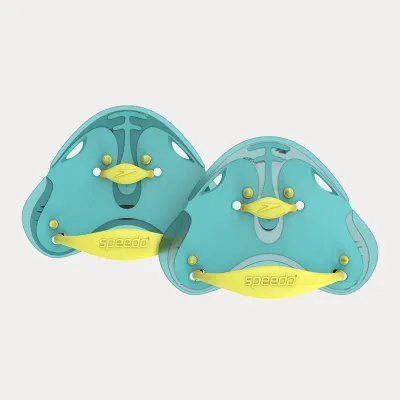
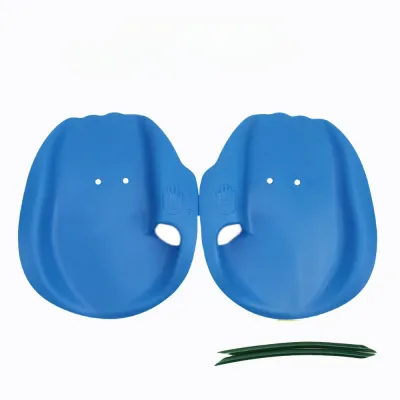
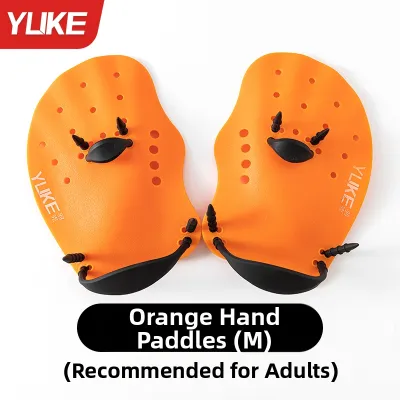
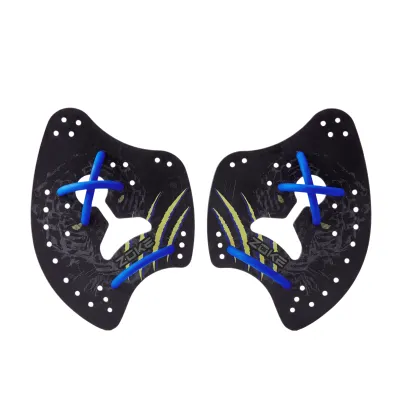
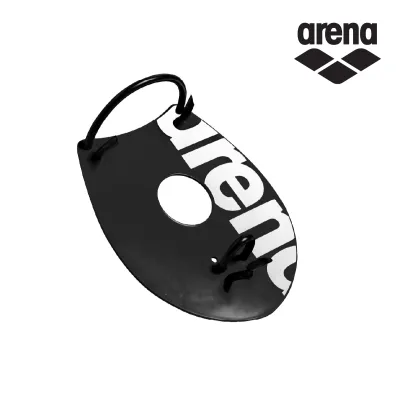
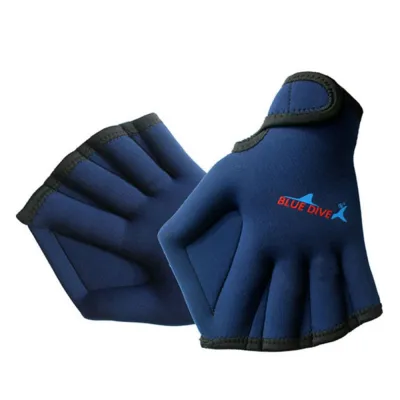
Prices are valid at publication and may change. Please refer to the product page for the latest price.
Instead of focusing on generating raw power or increasing your distance per stroke, your early training phases should prioritize establishing a clean, efficient stroke path. Beginner-friendly designs are specifically engineered to slip or fall off if your hand entry angle is incorrect, providing immediate sensory feedback. This design philosophy ensures you develop the necessary muscle memory and joint stability before attempting to pull against heavy resistance.
Sizing and Design Features to Look For
When evaluating hand paddles, the physical dimensions and structural characteristics of the gear dictate how much stress is transferred to your upper body. Selecting the right features requires looking beyond aesthetic appeal and focusing on dimensions, edge construction, and strap configurations.

Surface Area Limits: A beginner-friendly paddle should only be slightly larger than your natural hand span. A good rule of thumb is to look for a profile that extends no more than one to two centimeters beyond the tips of your fingers and the outer edges of your palm. This limited surface area provides a modest increase in water feel and resistance without creating a leverage advantage that can twist or strain your wrist and shoulder joints.
Edge and Material Flexibility: Traditional advanced paddles are often constructed from rigid, unyielding plastics designed to maintain their shape under extreme force. For beginners, look for paddles that feature flexible zones, rubberized edges, or a slightly pliable plastic composition. These forgiving materials bend slightly when they contact the pool wall or lane ropes, reducing the risk of sudden jarring impacts to your wrist. Additionally, a flexible paddle offers a more natural feel during the entry and exit phases of the stroke.
Flow Holes and Apertures: Many modern paddles feature built-in holes across the face of the plastic. These apertures allow a small amount of water to pass directly through the paddle, which serves two critical purposes for beginners. First, it reduces the overall resistance, making the pull phase much lighter on your shoulders. Second, it preserves your natural feel for the water, allowing you to sense the flow and pressure against your palm rather than feeling completely insulated from the pool environment.
Strap Configurations: The way a paddle attaches to your hand significantly influences both safety and technique development.
- Dual-Strap Systems: These typically feature one strap over the middle finger and another across the wrist. While they offer a highly secure fit, they can mask poor technique by keeping the paddle glued to your hand even during a sloppy recovery phase.
- Single-Finger Straps: These omit the wrist strap entirely, securing the paddle only at the middle finger. This configuration forces you to maintain constant water pressure against the paddle face during the pull; if your hand angle wavers, the paddle will shift, alerting you to the error.
- Strapless Designs: These rely entirely on the natural pressure of the water and ergonomic molded thumb holes to stay in place. They offer the highest level of technique feedback, as any hesitation or incorrect hand entry causes the paddle to fall off immediately.
Beginner-Friendly Paddle Designs Explained
The swimming gear market offers several distinct paddle categories, each tailored to specific training goals. Understanding these designs allows you to select a style that matches your current comfort level and swimming environment.
Finger Paddles: These are compact paddles that cover only the fingers, leaving the palm completely exposed. Because they have a very small surface area, they generate minimal resistance, making them exceptionally safe for swimmers who are still building shoulder strength. Finger paddles are primarily used to refine the catch phase of the stroke, helping you feel the water at the very front of your pull without overloading your joints.
Strapless or Agility Paddles: These ergonomically curved paddles feature a molded contour that fits the palm and a small hole for the thumb, completely eliminating rubber straps. Because there are no straps to hold the paddle to your hand, they will only stay in place if you maintain a continuous, clean application of force throughout the entire stroke cycle. If you drop your elbow or slice your hand sideways during the entry, the paddle slips off, making them an excellent self-teaching tool for beginners.
Contoured or Ergonomic Paddles: Unlike flat plastic sheets, contoured paddles are molded to mimic the natural, slightly cupped shape of a relaxed human hand. This structural curve reduces tension in the palm and fingers, allowing for a more relaxed grip and reducing wrist fatigue. For beginners, an ergonomic shape helps prevent the tendency to clench the fingers, which can lead to forearm tightness and disrupted stroke mechanics.
Material Durability in Local Environments: When choosing a design, consider how the materials will hold up to your local swimming conditions. In warm, humid climates or outdoor public pools, exposure to intense sunlight and high chlorine levels can cause silicone straps to degrade, become brittle, and snap over time. Opting for high-quality medical-grade silicone straps or choosing a completely strapless design can save you from frequent replacements and ensure your gear remains reliable during training.
How to Evaluate and Select Your First Pair
Choosing your first pair of hand paddles requires a systematic approach to ensure the gear matches your physical dimensions and skill level. Avoid relying on generic age or gender labels, as hand sizes and skeletal structures vary widely.
First, measure your hand span accurately. Place your dominant hand flat on a piece of paper with your fingers naturally spread, and trace the outline. Measure the distance from the base of your palm to the tip of your longest finger, as well as the widest part of your palm. Compare these measurements directly against the manufacturer’s detailed sizing charts rather than relying on generic Small, Medium, or Large designations. When in doubt, always select the smaller size to minimize joint strain.
Next, verify the material specifications and edge construction. If shopping online through ecommerce platforms, look closely at the product descriptions and user feedback to confirm if the edges are wrapped in soft thermoplastic rubber (TPR) or if the plastic body has built-in flex zones. If you are inspecting the paddles in a physical sporting goods store, gently flex the paddle with your hands to ensure it has some give rather than being completely rigid.
Finally, check the retailer’s return and exchange policies before finalizing your purchase. Because swimming mechanics are highly individual, a paddle that feels comfortable on dry land may cause unexpected pressure points or alter your stroke path in the water. Having the option to exchange the product ensures you are not stuck with gear that causes discomfort or compromises your safety.
Safe Usage Limits and Injury Warning Signs
Even the most beginner-friendly hand paddles introduce extra resistance that your body must adapt to over time. Equipment cannot replace proper training, coaching, and personal judgment; therefore, establishing strict usage boundaries is essential to prevent injury.
Gradual Integration: When introducing paddles to your swim sessions, limit their use to a small fraction of your total workout volume. Start by using them for no more than 10% to 15% of your total distance—for example, 100 meters of paddle work during a 1,000-meter session. Gradually increase this volume over several weeks as your muscles adapt, but always perform a thorough warm-up without paddles first to lubricate your shoulder joints.
Pain Signals: It is vital to distinguish between normal muscle fatigue and joint pain. If you experience any sharp, pinching, or lingering discomfort in your shoulders, elbows, or wrists, treat this as an immediate stop condition. Remove the paddles immediately and finish your session swimming freestyle with bare hands. Continuing to swim through joint pain with paddles on can rapidly accelerate a minor strain into a chronic inflammatory condition.
Technique Prerequisites: Before slipping on a pair of paddles, ensure you can maintain a stable body position and a consistent bilateral breathing pattern. If you struggle to keep your hips high in the water or find yourself gasping for air, adding hand paddles will only exacerbate these alignment issues. Master the basic mechanics of the stroke first, and use paddles as a tool to refine an already stable foundation rather than a crutch to pull yourself through the water.
Frequently Asked Questions (FAQ)
Can beginners use hand paddles for every swimming stroke?
Most swim coaches recommend that beginners limit their initial paddle use to freestyle (front crawl) and backstroke. Using hand paddles for high-impact strokes like butterfly or breaststroke significantly increases the load on the shoulders and knees during the recovery and pull phases, which can easily lead to joint strain. Always check the manufacturer’s guidelines to verify if a specific paddle design is rated for multiple strokes, and prioritize low-impact freestyle drills when starting out.
How do I know if my hand paddles are too big?
There are several clear, observable signs that your paddles exceed your current strength and skill level. If the paddles frequently slip or twist sideways during the catch phase of your stroke, it indicates the surface area is too large for your hand to control. Additionally, if you notice a significant delay in your arm turnover rate, or if you experience deep, aching fatigue in your shoulder joints immediately after a short set, you should step down to a smaller size or a finger-paddle design.
Community discussion
Share your experience or ask a question. Comments are reviewed before publication.