
Flying a layang layang (traditional or modern kite) in Singapore is a beloved outdoor activity that brings families and hobbyists to breezy coastal parks and open green spaces. For a beginner, stepping into this hobby can feel overwhelming due to the wide variety of designs, materials, and options available in local hobby shops and online marketplaces. Choosing the right kite requires understanding how different models perform in Singapore’s unique tropical wind conditions, which can range from gentle coastal breezes to sudden gusty monsoonal drafts. A successful first flight depends heavily on selecting a kite designed specifically for stability, durability, and effortless assembly, allowing you to focus on mastering basic techniques without frustration.
To make an informed decision, novice flyers should look beyond flashy graphics and focus on structural integrity and aerodynamic design. High-quality beginner brands prioritize lightweight yet resilient frames, tear-resistant sail fabrics, and comprehensive starter kits that include reliable flying lines and ergonomic reels. By evaluating these key manufacturing standards and matching them to the specific characteristics of your chosen flying location, you can find a reliable layang layang that offers excellent value and stands up to the inevitable bumps and crashes of the learning process.
Understanding Singapore's Park Conditions for Kite Flying
Singapore’s geographical location near the equator creates a distinct wind profile that directly influences how kites behave in the air. The island experiences two main monsoon seasons—the Northeast Monsoon from December to March and the Southwest Monsoon from June to September—interspersed with inter-monsoonal periods characterized by lighter, more variable winds. Coastal areas like East Coast Park, West Coast Park, and the iconic green roof of Marina Barrage generally offer the most consistent sea breezes, making them prime spots for recreational flyers. However, inland parks and neighborhood fields often experience lighter, highly turbulent wind patterns due to surrounding high-rise residential buildings and dense tropical foliage.
Products mentioned in this guide
![[SG Seller]Nezha toy kite dynamic simulation kite fish outdoor kite rod kite cartoon childrens kite](https://img.lazcdn.com/g/p/7b04c2e8d563aa54e61109ac6ad9c314.jpg_400x400q80.jpg_.webp)
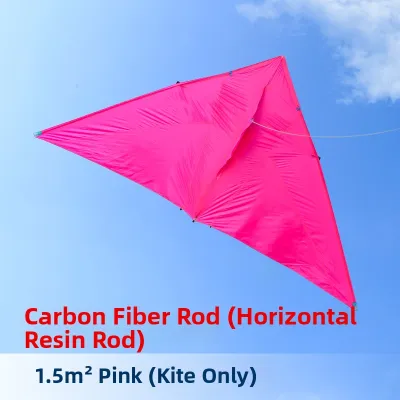
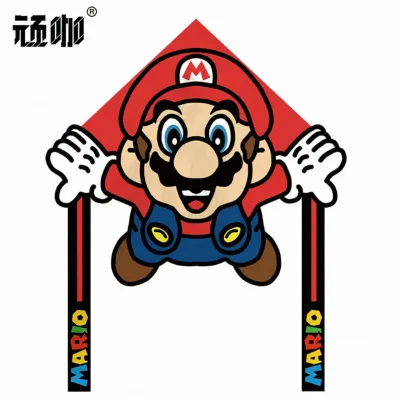
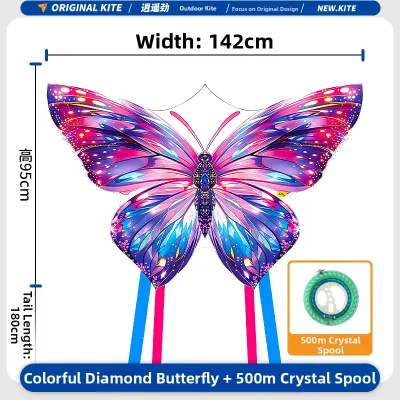
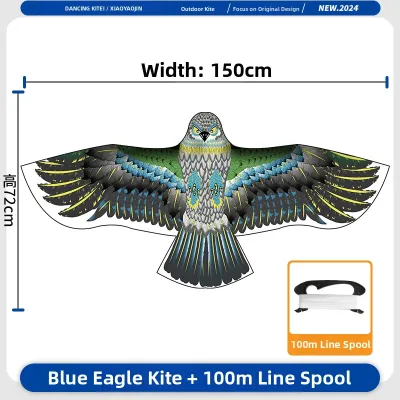

![[SG Seller]Nezha Toy Kite Cartoon Childrens Kite Dynamic Simulation Kite Fishing Rod Kite Outdoor Kite](https://img.lazcdn.com/g/p/854b98118544e445760d9fee7e4b5d99.jpg_400x400q80.jpg_.webp)
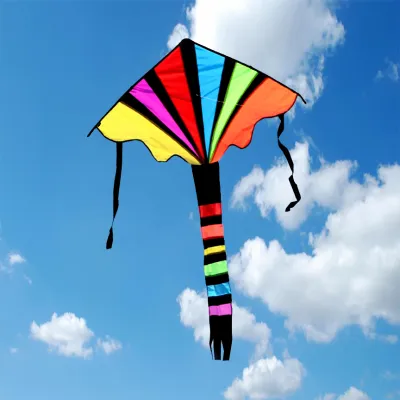
Prices are valid at publication and may change. Please refer to the product page for the latest price.
When selecting a layang layang, you must consider how these local wind variations affect different kite sizes and shapes. In lighter wind conditions, which are common during inter-monsoonal afternoons, a large, lightweight delta kite with a wide surface area is often the easiest to launch and keep aloft. Conversely, during the stronger monsoon months, smaller, more aerodynamic designs or stable diamond kites are better suited to handle the increased drag and gusty conditions without spinning out of control. Understanding the wind strength on any given day helps you choose the appropriate kite from your collection, ensuring a smooth and enjoyable flying experience.
Space constraints and obstacles are another critical factor when planning your flying session in Singapore’s highly urbanized landscape. Public parks can become exceptionally crowded on weekends, with joggers, cyclists, families, and other kite flyers sharing the same open lawns. This high density of park users means you must select a flying area that provides a clear, unobstructed path downwind, free from tall trees, light poles, and pavilions. Trees are notorious for catching low-flying kites, while turbulent air currents created downwind of buildings or tree lines can make launching extremely difficult for beginners.
To ensure a safe and harmonious experience in shared public spaces, recreational flyers should adhere to basic etiquette and spatial awareness. Always maintain a safe distance from other park users, and avoid letting your kite line cross over pedestrian paths or cycling tracks. Choosing a highly visible kite design can help others spot your line from a distance, reducing the risk of accidental collisions. By understanding these environmental and social dynamics of Singapore’s parks, you can select a kite that is perfectly adapted to local conditions and enjoy a hassle-free day of flying.
Key Features to Look for in Beginner-Friendly Kite Brands
When evaluating different layang layang brands, the materials used in the frame construction should be your first point of inspection. Beginner kites are subjected to frequent crashes, sudden nose-dives, and rough handling, making structural durability paramount. Reputable brands typically use solid or tubular fiberglass rods for their frames, as fiberglass offers an excellent balance of flexibility, strength, and affordability. Fiberglass can bend significantly under wind pressure or impact without breaking, making it highly forgiving for novices. Advanced or premium brands may feature carbon fiber frames, which are exceptionally light and rigid, but these are generally more expensive and can be brittle under sharp, high-impact forces, making them less ideal for absolute beginners.

The quality of the sail fabric is equally important for ensuring your kite survives repeated contact with the ground, trees, or sand. Look for brands that utilize high-grade ripstop nylon or ripstop polyester for their sails. Ripstop fabrics are woven using a special reinforcing technique that makes them highly resistant to tearing and ripping; if a small puncture does occur, the grid pattern prevents the tear from spreading across the sail. Additionally, check if the sail features reinforced stitching along the edges, trailing margins, and pocket corners where the frame spars insert, as these high-stress areas are the most prone to fraying and failure over time.
For those new to the hobby, the choice between single-line and dual-line designs will dictate the learning curve and overall flying experience. Single-line kites, such as classic deltas, diamonds, and parafoils, are highly recommended for beginners because they are inherently stable and require minimal user input to remain airborne. Once launched, a single-line kite will largely fly itself, allowing you to enjoy the view and practice basic line tension management. Dual-line stunt or sport kites, on the other hand, allow the flyer to actively steer, perform loops, and execute tricks, but they require constant active control and a much stronger, more consistent wind supply, which can be frustrating for a first-time flyer.
Ease of assembly and the completeness of the package are final key indicators of a beginner-friendly brand. A well-designed novice kite should feature an intuitive, tool-free assembly process, often utilizing simple plug-and-play connectors that allow you to set up the kite in a matter of minutes at the park. Furthermore, look for brands that offer complete “ready-to-fly” packages, which include a pre-attached bridle, a high-quality flying line of appropriate strength (measured in pounds or kilograms of break strength), and an easy-to-use plastic reel or hoop. Having all the necessary components included in a single purchase eliminates the guesswork and ensures you have a compatible, balanced setup right out of the box.
How to Evaluate and Select a Brand at Local or Online Stores
Navigating the selection of layang layang brands in local Singaporean retail shops or online marketplaces requires a systematic approach to verify product quality and suitability. Start by carefully examining the manufacturer’s specifications printed on the packaging or listed in the online product description. Reliable brands will clearly state the recommended wind range for each model (typically expressed in kilometers per hour, miles per hour, or Beaufort scale numbers) as well as the target age group. Matching these specifications to the typical wind conditions of your intended flying location ensures you do not purchase a heavy kite that requires gale-force winds to fly, or a delicate indoor kite that will collapse in a standard coastal breeze.
Customer reviews and community feedback are invaluable resources when trying to gauge how a specific brand performs in real-world Singaporean conditions. When browsing online marketplaces or local hobby forums, look for reviews written by local buyers who mention flying at popular spots like Marina Barrage or East Coast Park. Pay close attention to comments regarding how easily the kite launches in light wind, whether the frame spars tend to splinter after a crash, and if the included line is prone to tangling. Positive feedback from local flyers provides practical assurance that the kite is well-suited to the regional climate and wind profiles.
Price is another crucial factor to balance against your expectations of durability and performance. In Singapore, beginner kites can range from budget-friendly options costing under S$15 to premium, specialized models priced upwards of S$50 to S$100. While ultra-cheap, generic plastic kites found in convenience stores can be tempting for a casual afternoon, they often lack proper aerodynamic balance and use fragile plastic frames that break after a single crash. Investing slightly more—typically in the S$20 to S$40 range—allows you to secure a durable, fabric-and-fiberglass kite from a dedicated outdoor brand that will provide hours of reliable flight and last for multiple seasons.
Finally, consider the long-term usability of the kite by verifying the availability of replacement parts and customer support from the retailer. Even the most durable beginner kites can occasionally suffer damage, such as a lost connector clip or a snapped frame spar. Brands that are supported by dedicated local hobby shops or reputable online sellers often have replacement spars, connectors, and upgraded flying lines readily available for purchase. Choosing a brand with accessible spare parts ensures that a minor mishap does not render your entire kite useless, allowing you to easily repair and maintain your layang layang for many future outings.
Essential Safety and Flying Tips for First-Time Flyers
Safety should always be your top priority when flying a layang layang in Singapore’s busy urban environment. Before heading out, it is essential to familiarize yourself with the local aviation guidelines and restricted flying zones established by the Civil Aviation Authority of Singapore (CAAS). Kite flying is strictly prohibited within certain distances of airports and military airbases, such as Changi Airport, Seletar Airport, Paya Lebar Air Base, and Tengah Air Base, to prevent interference with aircraft operations. Additionally, never fly a kite near busy roads, MRT tracks, overhead power lines, or telecommunication towers, as a stray kite landing on these infrastructures can cause severe accidents, power outages, or personal injury.
Conducting a thorough pre-flight check of your equipment and the surrounding environment is a vital habit for every beginner. Inspect your kite’s frame to ensure all spars are securely seated in their pockets and that the connectors are tight. Check the flying line for any knots, frays, or weak spots, as a damaged line can easily snap under sudden wind gusts, causing your kite to drift away. Observe the immediate weather conditions; never launch a kite if there is a threat of rain, lightning, or incoming thunderstorms. Wet kite lines can conduct electricity, posing a severe risk of lightning strikes, and sudden squalls can generate dangerously high winds that make control impossible.
When you are ready to launch, utilizing the correct technique will make the process much smoother and prevent unnecessary crashes. For beginners, the “two-person launch” is the easiest method: have a friend hold the kite downwind with the nose pointing upward, while you stand about 15 to 20 meters away facing the wind, holding the reel. When a steady breeze felt on your back lifts the kite, signal your friend to gently release it while you take a few steps backward and pull smoothly on the line to generate lift. Avoid letting out too much line too quickly; instead, let the kite climb gradually, maintaining steady tension on the line to keep it stable and responsive to your inputs.
Knowing when to pack up and end your flying session is just as important as knowing how to launch. If the wind suddenly intensifies and your kite begins to dive violently or pull too hard, carefully wind in the line to recover the kite before it sustains damage or breaks free. Similarly, if the park becomes heavily crowded or if daylight begins to fade, it is time to safely retrieve your kite. Flying in low-light conditions makes it difficult to see the line, increasing the risk of tripping hazards for pedestrians. By practicing these safety protocols and maintaining situational awareness, you can ensure a fun, safe, and rewarding experience for yourself and everyone around you.
Frequently Asked Questions (FAQ)
What is the ideal wind speed for flying a layang layang in Singapore?
For most beginner-friendly, single-line layang layang designs, the ideal wind speed ranges between 8 to 20 kilometers per hour (approximately 4 to 11 knots). This gentle to moderate breeze is strong enough to lift and support the weight of a standard delta or diamond kite without putting excessive strain on the frame or flying line. To gauge the wind speed at the park without specialized equipment, look for natural indicators in your surroundings. A light breeze that rustles leaves and small twigs, or gently extends flags and ribbons, is generally perfect for launching. If the wind is so light that leaves are completely still, or so strong that large tree branches are swaying violently, it is best to wait for more favorable conditions.
Do I need a license or permit to fly a kite in public parks?
For casual, recreational kite flying in Singapore, you generally do not need a license or permit, provided you adhere to the safety guidelines set by the Civil Aviation Authority of Singapore (CAAS). Recreational activities must be kept below the maximum allowable altitude of 200 feet (approximately 60 meters) above ground level, and must take place outside of restricted aviation zones, such as areas within 5 kilometers of an airfield or airport. If you plan to fly a kite that exceeds these altitude limits, or if you wish to organize a large-scale kite flying event or competition in a public park, you must apply for a permit from CAAS and obtain permission from the relevant park management authority, such as the National Parks Board (NParks).
Community discussion
Share your experience or ask a question. Comments are reviewed before publication.