
Choosing your first tennis bag is about finding a balance between your current gear, how you travel to the court, and your future commitment to the sport. A suitable bag does more than carry rackets; it protects your strings from humidity, organizes your damp court clothes, and fits comfortably on your commute. By matching the bag’s capacity and carrying style to your weekly routine, you avoid the common beginner mistake of buying an oversized tournament bag or an under-protective gym sack.
Assess Your Playing Needs and Routine
Before looking at designs, take an honest inventory of your current gear and your immediate playing plans. Most beginners start with one or two rackets. If you only plan to play once a week with a single racket, a massive multi-racket bag will be mostly empty space that is awkward to carry. However, if you plan to take regular lessons or join social leagues, you will likely acquire a second racket as a backup in case strings break mid-match.
Your daily commute to the tennis court dictates the physical shape of the bag. If you rely on public transport like the MRT or buses, or if you cycle to the courts, a compact and streamlined bag is essential. Bulky bags can block aisles, bump into other passengers, or throw off your balance on a bicycle. Conversely, if you drive to your local sports complex, a larger bag can easily sit in the boot, making carrying comfort less of a daily priority.
Products mentioned in this guide
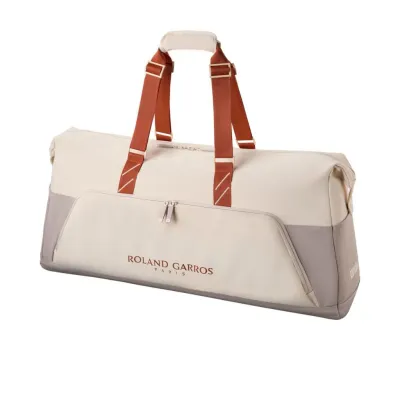
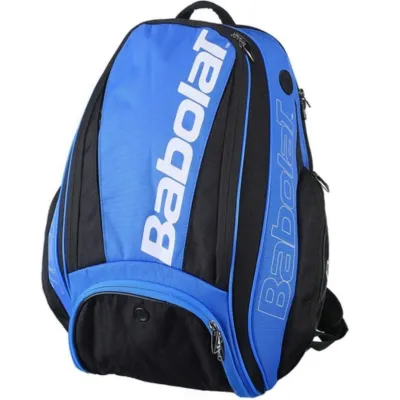
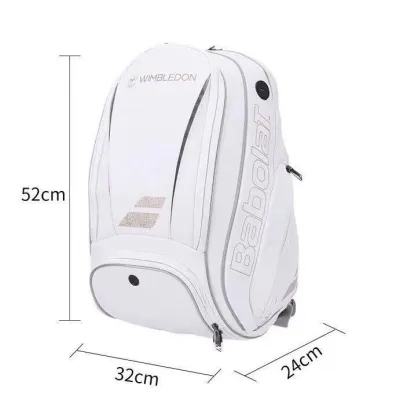

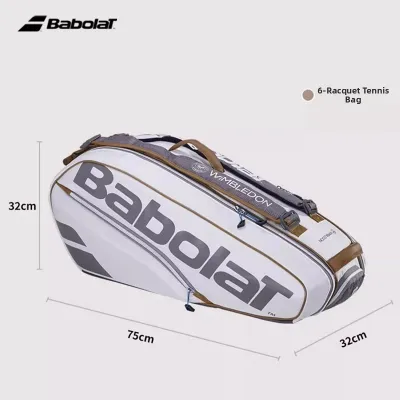
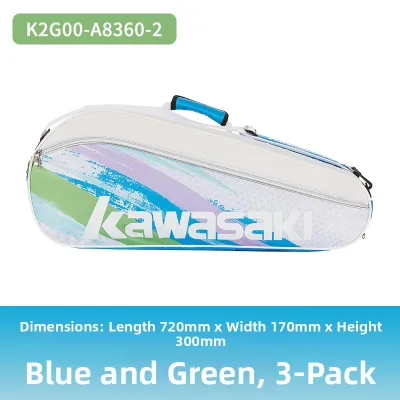
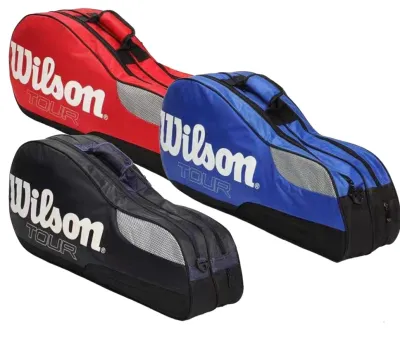
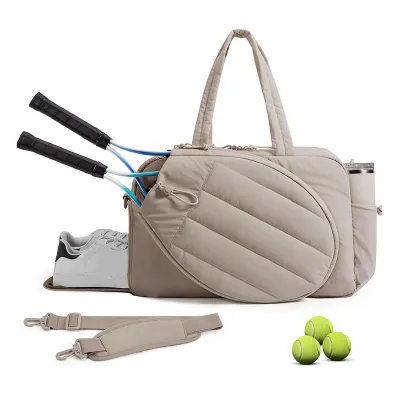
Prices are valid at publication and may change. Please refer to the product page for the latest price.
Consider whether your tennis bag needs to double as a work or school bag. Many recreational players head straight to the courts after office hours. If this is your routine, you will need a bag with dedicated compartments that keep your laptop, documents, and clean clothes completely separate from dusty tennis shoes and sweat-soaked shirts.
Compare the Main Types of Tennis Bags
Tennis bags are generally categorized by their shape, carrying mechanism, and overall storage capacity. Each style serves a distinct type of player, and choosing the wrong one can lead to physical discomfort or premature wear on your gear. Beginners should focus on how a bag distributes weight across the body, especially when walking long distances from the car park or transit station to the court.

While professional players carry massive bags designed to hold a dozen rackets, recreational players rarely need that level of volume. Carrying unnecessary weight can strain your shoulders and back before you even step onto the court. Understanding the structural differences between backpacks, totes, and tournament bags allows you to select a model that supports your posture and matches your actual gear load.
Tennis Backpacks
Tennis backpacks are highly popular among recreational players due to their ergonomic design and hands-free convenience. These bags feature a dedicated rear compartment that holds one or two rackets, with the handles usually extending out of the top. The dual shoulder straps distribute weight evenly across both shoulders, which is ideal for players who walk, cycle, or take public transit to their sessions.
Beyond the racket compartment, a good tennis backpack offers a main central pocket for balls, a change of clothes, and a water bottle. Some models also include external mesh side pockets for quick access to items like keys or transit cards. The primary limitation of a backpack is its total volume; if you need to carry multiple cans of balls, training cones, and a change of shoes, the space can quickly become tight.
Shoulder and Tote Bags
Shoulder bags and tennis totes offer a stylish, casual alternative for players who prefer a quick, grab-and-go option. These bags typically feature a single long strap or dual top handles, allowing them to be slung over one shoulder. They are excellent for quick trips to the court when you only need to carry one racket, a can of balls, and a small towel.
The main drawback of a tote or single-strap shoulder bag is the uneven weight distribution. Carrying a heavy load on one side of your body over long distances can cause shoulder fatigue and muscle tightness. Additionally, because these bags often prioritize aesthetics, they may lack specialized protective compartments, leaving your racket handles exposed to sudden rain showers or accidental scrapes.
Tournament and Thermal Bags
Tournament bags, often referred to as multi-racket bags, are the traditional teardrop-shaped bags used by competitive players. They are sized by the maximum number of rackets they can hold, typically ranging from 3-pack to 15-pack configurations. For a beginner, a 3-pack or 6-pack bag is the absolute limit of what is practical, as anything larger becomes incredibly cumbersome to transport.
The defining feature of high-quality tournament bags is the inclusion of thermal-lined compartments. These specialized pockets use climate-control technology to shield your rackets and strings from extreme temperature fluctuations. While a beginner might not need this level of protection immediately, players living in hot, humid climates will find that thermal lining helps preserve string tension and prevents grip materials from degrading prematurely.
Essential Features to Evaluate
When comparing different tennis bags, look closely at the specific design details rather than just the overall color or brand. Start by examining the racket compartment itself. Some bags feature zippers with locking mechanisms that prevent the racket handles from sliding down and exposing the frame. Ensure the compartment offers sufficient padding to protect the racket face from impact during transit.
Material durability is another critical factor to verify through manufacturer specifications. Look for bags constructed from high-denier polyester or nylon, which offer natural tear resistance. A water-resistant or reinforced base is highly beneficial, as tennis bags are frequently set down on dusty clay, damp concrete, or wet grass beside the court. Checking for heavy-duty zippers and reinforced stitching at the strap points will save you from premature replacements.
Organization is what separates a frustrating bag from a highly functional one. Dedicated, ventilated compartments are essential for storing dirty court shoes or damp apparel after a strenuous session. Keeping these items isolated prevents odors and moisture from transferring to your clean gear or racket grips. Look for small, fleece-lined accessory pockets to protect delicate items like smartphones, sunglasses, and watches from scratches.
Finally, establish a realistic budget in S$ that aligns with your playing frequency. A basic tennis backpack or simple tote typically ranges from S$40 to S$80, offering a cost-effective entry point for casual players. If you require advanced features like thermal lining, heavy-duty weatherproofing, or a 6-racket capacity, expect to invest between S$90 and S$180. Setting a budget based on these tiers helps you avoid overpaying for professional-grade features you may not yet require.
Packing and Organizing Your Gear
How you pack your tennis bag directly impacts both your physical comfort while carrying it and the lifespan of your equipment. Always place the heaviest items, such as water bottles, tennis ball cans, and court shoes, at the bottom of the bag or closest to the back panel. This keeps the center of gravity low and close to your body, reducing strain on your lower back and shoulders during your commute.
Keep your rackets isolated in their designated compartments. Storing keys, metal water bottles, or loose coins in the same pocket as your racket can easily scratch the frame’s paint or damage the delicate grommets. If your bag does not have a thermal lining, try to store your rackets in their individual soft cloth covers before placing them inside the main compartment.
Utilize small accessory pouches or internal pockets to organize your smaller gear. Items like replacement overgrips, dampeners, athletic tape, and blister bandages should have a dedicated home so you do not have to dig through the bottom of a dark bag mid-match. Keeping a small plastic bag or dry-sack inside your tennis bag is also a smart way to seal away wet towels and sweaty wristbands until you get home.
Basic Care and Maintenance
A tennis bag is an investment that can last for years with simple, regular maintenance. At least once a month, empty every compartment completely and turn the bag upside down over a bin to shake out loose court clay, court grit, and grass clippings. Leaving debris inside the bag can cause abrasive wear on the inner lining and clog the zippers over time.
To clean the exterior and interior surfaces, use a soft cloth dampened with lukewarm water and a mild soap. Avoid using harsh chemical detergents, bleach, or abrasive scrubbing pads, as these can strip away water-resistant coatings and damage the fabric fibers. Never submerge your tennis bag in water or put it through a washing machine, as this can destroy the internal structural padding and warp the shape of the bag.
After cleaning, or after a particularly sweaty day on the court, leave all the zippers fully open and allow the bag to air dry. Always dry the bag in a shaded, well-ventilated indoor area rather than direct sunlight, as prolonged exposure to UV rays can fade the colors and weaken the synthetic materials. Ensure the bag is completely dry before storing it in a wardrobe to prevent mold and mildew from developing.
Frequently Asked Questions (FAQ)
How many rackets should a beginner's tennis bag hold?
For most beginners, a bag designed to hold 2 to 3 rackets is the ideal size. Even if you only own one racket right now, the extra space in a 3-racket bag is highly practical for storing a light jacket, a towel, and a can of balls. Choosing a bag with this capacity gives you room to grow as you progress in the sport, without the unnecessary bulk and weight of a larger tournament-style bag.
Do I really need a thermal-lined compartment?
A thermal-lined compartment is not strictly necessary for beginners, but it is highly beneficial if you live in a hot, humid climate or frequently leave your bag in a warm car. High temperatures can cause tennis strings to lose tension rapidly and can degrade the adhesive on your racket grips. If you play mostly indoors or store your bag in an air-conditioned room at home, a standard padded compartment is highly adequate.
Can I use a regular gym bag instead of a dedicated tennis bag?
You can certainly use a standard gym bag for your first few casual sessions, but it is not an ideal long-term solution. Standard gym bags lack the specific structural padding needed to protect racket frames from impact. Furthermore, without dedicated racket pockets, the handles will often stick out awkwardly, preventing you from fully zipping the bag and leaving your gear vulnerable to sudden rain.
Community discussion
Share your experience or ask a question. Comments are reviewed before publication.