
Choosing the right fishing swivel is one of the simplest ways to prevent line twist, protect your tackle, and ensure your bait or lure moves naturally in the water. For beginners stepping into the sport, the array of terminal tackle available in local shops can feel overwhelming. However, understanding how a swivel functions and selecting the correct type for your target species can make the difference between a successful day on the water and a frustrating afternoon spent untangling knots. Whether you are casting from a coastal jetty or exploring freshwater reservoirs, a reliable swivel is an essential component of your rigging setup.
Why You Need the Right Swivel for Your Setup
The primary purpose of a fishing swivel is to allow two parts of your line to rotate independently of each other. When you retrieve a lure, or when a hooked fish thrashes and spins in the water, it exerts rotational force on your line. Without a swivel to absorb this movement, the rotation travels directly up your main line, causing it to twist, loop, and eventually bunch up into nests on your reel spool. This line twist drastically reduces your casting distance, weakens the line’s structural integrity, and increases the likelihood of wind knots during a cast.
Beyond preventing tangles, a swivel acts as a protective link for your entire terminal setup. It allows you to connect different line types, such as joining a braided main line to a fluorocarbon leader, without relying solely on complex line-to-line knots that can be difficult for beginners to tie securely. The size and strength of the swivel you choose also play a critical role in your presentation. A swivel that is too heavy will drag down lightweight baits and alter the designed action of your lures, while a swivel that is too weak can snap under the sudden surge of a strong fish. Finding the right balance ensures your presentation remains natural while maintaining the strength needed to land your catch.
Products mentioned in this guide
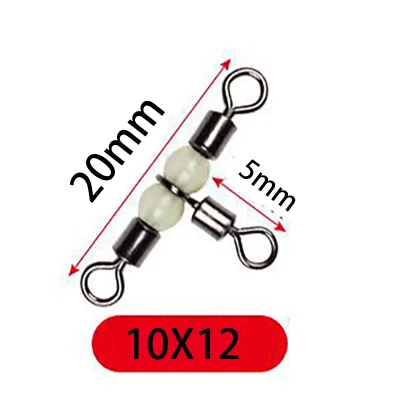
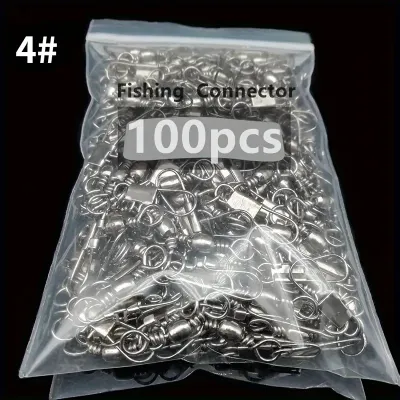
![[SG FREE ] 5Pcs Eight Ring Stainless Steel Snap - Fishing Connector - Swivel Reinforced Pin - With Linkage Action High](https://img.lazcdn.com/g/p/9353b75adec6bf005f3f092960c3cfaa.jpg_400x400q80.jpg_.webp)
Prices are valid at publication and may change. Please refer to the product page for the latest price.
Identifying the Main Types of Fishing Swivels
Understanding the structural differences between the main types of swivels helps you choose the right tool for your specific fishing style.

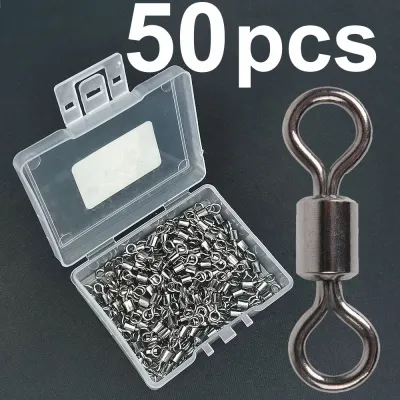
Barrel swivels are the most common and cost-effective option available. They feature a simple design consisting of a hollow metal barrel with an eyelet protruding from each end. The eyelets rotate inside the barrel, providing basic twist protection. These are highly suitable for light to medium bait fishing setups, such as bottom fishing or float rigging in calm waters. However, barrel swivels have a notable limitation: when subjected to heavy tension, the metal-on-metal friction inside the barrel increases, which can cause the swivel to stop rotating. For this reason, they are best reserved for scenarios where extreme pulling force is not expected.
Ball bearing swivels represent a significant upgrade in performance and durability. Inside the polished metal housing of a ball bearing swivel are tiny, precision-engineered stainless steel bearings. This design allows the eyelets to rotate with virtually zero friction, even when under immense load. If you are targeting powerful species, using heavy lures that spin rapidly, or trolling at high speeds, ball bearing swivels are the industry standard. While they are more expensive than barrel swivels, their smooth operation under pressure provides unmatched protection against line twist during intense battles.
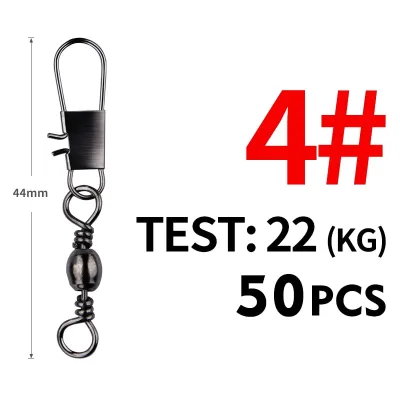
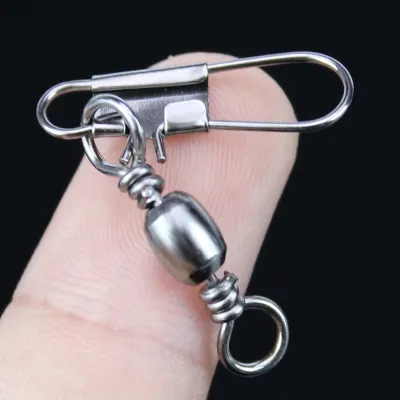
Snap and swivel combinations, often referred to as snap swivels, integrate a swivel with a quick-release metal snap on one end. This design is incredibly popular among beginners because it allows you to swap lures, sinkers, or rigs in seconds without having to cut your line and tie a new knot. While highly convenient, snap swivels must be used with caution. The added weight and physical profile of the snap can dampen the delicate swimming action of lightweight lures, such as small minnows or soft plastics. Additionally, the snap mechanism introduces an extra point of potential failure if it is not properly closed or if a large fish manages to bend the wire open.
How to Evaluate and Select Reliable Swivel Brands
When browsing options in local tackle shops or searching online marketplaces, beginners should focus on objective quality indicators rather than unverified brand rankings.
First, always check the manufacturer’s specifications printed on the packaging. Reliable brands clearly state the breaking strain of the swivel, typically measured in kilograms or pounds. As a general rule, your swivel’s breaking strain should match or slightly exceed the rating of your leader line. Additionally, look for materials that can withstand harsh environments. In humid and salty coastal conditions, swivels made of solid brass, stainless steel, or those with a black nickel coating offer the best resistance to rust and corrosion.
Second, perform a physical inspection of the build quality whenever possible. Examine the eyelets and the main body of the swivel under good lighting. The welds should be smooth and seamless, with no sharp edges or burrs that could fray or cut your fishing line. If you are selecting a snap swivel, test the spring tension of the snap. It should require a firm, deliberate squeeze to open and close; a loose or flimsy snap is a clear sign of poor manufacturing and is highly likely to fail under pressure.
Finally, leverage verified user feedback on ecommerce platforms to gauge real-world durability. Look for reviews from anglers who fish in similar conditions to yours. Pay attention to comments regarding how well the swivels maintain their rotation after multiple uses and whether the snaps hold up to repeated opening and closing. Spending a few S$ on a pack of high-quality, well-reviewed swivels is a small price to pay to protect the rest of your expensive tackle.
Step-by-Step Guide to Rigging and Testing Your Swivel
Properly rigging your swivel is just as important as choosing the right type. A poorly tied knot or an untested connection can easily lead to lost fish and gear.
To begin, select an appropriate knot based on the type of line you are using. For monofilament and fluorocarbon lines, the Improved Clinch Knot is a reliable and straightforward choice for beginners. If you are using braided line, the Palomar Knot is highly recommended because its doubled-line design prevents the slick braid from slipping under tension.
Once you have chosen your knot, thread the line through the eyelet of the swivel. If you are tying a Palomar knot, double about ten to fifteen centimeters of your line first, pass the loop through the eyelet, and tie a loose overhand knot. Pass the swivel through the remaining loop, then moisten the line with water or saliva. Lubrication is a critical step; it reduces friction heat as you pull the knot tight, preventing the line from weakening or deforming.
Slowly and steadily pull the standing line and the tag end to seat the knot firmly against the swivel eyelet. Ensure the coils wrap neatly side-by-side without overlapping awkwardly. Once the knot is fully tightened, use a pair of line cutters to trim the tag end, leaving approximately two to three millimeters of line to allow for minor slippage under extreme loads.
Before casting your rig into the water, always perform a manual pull test. Secure the swivel to a fixed object or hold it carefully with a pair of pliers, wrap the main line around a gloved hand, and apply steady, firm pressure. This test ensures that the knot is seated correctly and will not slip or break when you hook into a fish.
Common Swivel Mistakes and When to Stop
Even with high-quality gear, simple mistakes in usage and maintenance can compromise your fishing success.
One of the most common errors beginners make is using oversized swivels. While it might seem safer to use a larger, stronger swivel, an oversized piece of hardware adds unnecessary weight to your rig. This can cause floating lures to sink, ruin the natural swimming action of your bait, and create a highly visible distraction that scares away wary fish in clear waters. Always use the smallest swivel size that safely matches your target line class.
Another frequent mistake is neglecting regular gear inspections. Over time, exposure to saltwater, sand, and debris will take a toll on your terminal tackle. Before every fishing trip, and periodically throughout the day, inspect your swivels for signs of wear. Look closely for rust, bent wires, or snaps that no longer close securely.
You must stop using a swivel and replace it immediately if you observe any of the following conditions:
- Visible rust or corrosion on the body or eyelets.
- Any stiffness or grinding sensation when you attempt to rotate the swivel by hand.
- Micro-cracks or gaps in the welded rings.
- A snap wire that has become bent, warped, or lost its spring tension.
- A sharp groove worn into the eyelet where the line rests, which can easily slice through your leader.
Frequently Asked Questions (FAQ)
Do I need a swivel for every type of fishing lure?
No, you do not need a swivel for every lure, and in many cases, a direct tie is actually preferred. Hard baits like minnows, crankbaits, and topwater lures are carefully balanced by their manufacturers to swim with a specific action. Adding a swivel directly to these lures can disrupt their balance and ruin their presentation. Similarly, soft plastics rigged on jig heads or offset hooks perform best when tied directly to a fluorocarbon leader. Swivels are primarily necessary when using lures that naturally spin during retrieval, such as inline spinners and spoons, or when bait fishing in strong currents where the bait is constantly rolling.
How often should I replace my fishing swivels?
You should replace your fishing swivels at the first sign of physical wear or reduced performance. In saltwater environments, the combination of salt, humidity, and tension accelerates wear, making it best to treat swivels as semi-disposable items. It is highly recommended to discard and replace your swivels after a few active fishing sessions, even if they look fine at a glance. For freshwater applications, swivels can last longer, but they should still be replaced immediately if they show any stiffness, rust, or deformation. Regularly replacing these inexpensive components is the best way to prevent losing a prized fish to gear failure.
Community discussion
Share your experience or ask a question. Comments are reviewed before publication.