
Adding a 10kg weighted vest to your fitness routine is one of the most effective ways to increase resistance during calisthenics, running, or strength training in Singapore. Whether you are training at a local ActiveSG gym, climbing stairs in an HDB block, or performing pull-ups at an outdoor fitness corner, a 10kg load provides a substantial challenge to your cardiovascular system and musculature. However, finding the right vest requires balancing comfort, durability, and heat management, especially given Singapore’s tropical climate. This guide outlines how to evaluate and select the ideal 10kg weighted vest for your specific training style and physical needs.
Using a weighted vest introduces a form of progressive overload that can break training plateaus. By adding external resistance directly to your torso, you force your core, legs, and upper body to work harder to stabilize and move your body weight. This is particularly beneficial for bodyweight exercises like pull-ups, dips, and push-ups, where adding traditional weights can be cumbersome. Before purchasing, understanding the technical specifications of these vests will ensure you select a model that supports your fitness goals safely and comfortably.
Key Features to Evaluate in a 10kg Weighted Vest
When selecting a 10kg weighted vest, the materials and construction quality are paramount to ensuring the gear survives intense workouts and remains comfortable over time. Singapore’s high humidity and year-round warm temperatures mean you will sweat heavily during any physical activity. Therefore, look for heavy-duty outer fabrics like 500D or 1000D nylon, such as Cordura, which resist tearing from friction, ground contact, and the constant movement of weight inserts. The inner lining must feature breathable 3D spacer mesh or perforated padding to facilitate airflow and heat dissipation. Avoid solid, non-breathable synthetic sheets that trap sweat against your chest, which can lead to rapid overheating, skin chafing, and hygiene issues.
Products mentioned in this guide
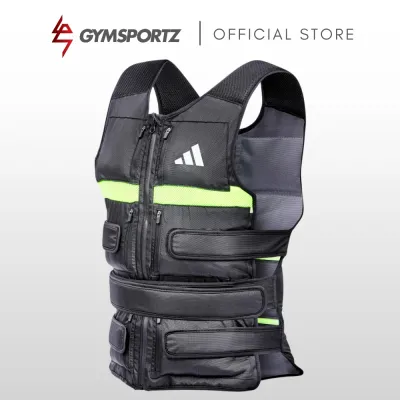
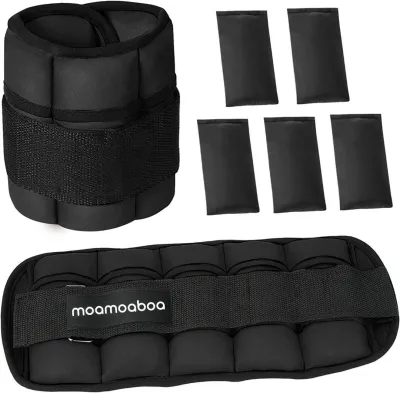
![[✅SG Ready Stock]Weighted Vest Adjustable Workout Equipment Weight Vest for Men Women Kids Sport Running Training Vest 3-10KG Invisible weight-bearing vest weighted vest iron sand sandbag running fitness equipment sports weight-bearing equipment](https://img.lazcdn.com/g/p/1792d98c5f0639a9aef5b03f971ff087.png_400x400q80.png_.webp)
![[SG Ready Stock]Adjustable Weighted Vest 5/10KG Workout Equipment Body Weight Vest Adjustable Strap for MenWomenKids](https://img.lazcdn.com/g/p/f7ebd180d0103a2dba2b1f6f112764db.png_400x400q80.png_.webp)
![[SG In Stock]5/10KG Weighted Sport Vest Workout Equipment Sport Body Weight Running Training Vest](https://img.lazcdn.com/g/p/3d4c7179e5ee62fff83cd18a619a74fa.jpg_400x400q80.jpg_.webp)
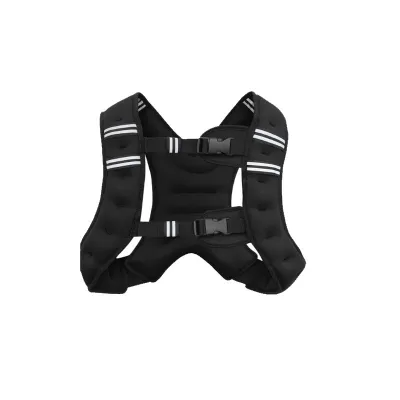
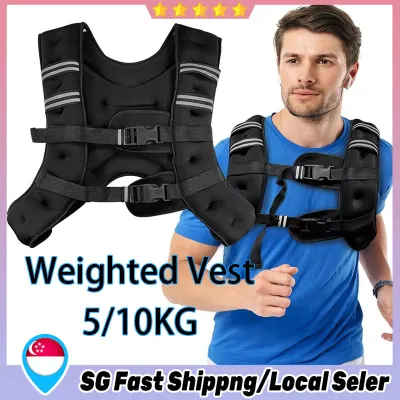

Prices are valid at publication and may change. Please refer to the product page for the latest price.
Weight distribution is another critical factor that directly impacts your spinal alignment and comfort. A poorly balanced vest places excessive strain on either the lower back or the collarbones, leading to premature fatigue or injury. Look for designs that distribute the 10kg load equally between the front chest and the upper back. The shoulder straps should be wide—ideally between 5 to 8 centimeters—and generously padded with high-density foam to prevent the straps from digging into your shoulder muscles under load. This design helps distribute the downward force across a larger surface area, protecting your collarbones and neck.
Adjustability and sizing options determine how securely the vest sits on your body. A secure fit is essential to prevent the vest from bouncing or shifting during dynamic movements. Look for vests with adjustable side straps, elastic cummerbunds, or dual Velcro tensioning systems that allow you to cinch the vest tightly against your torso. Ensure the vest length is short enough to sit above your waistline; this allows your diaphragm to expand fully for deep breathing and ensures your hips can bend without obstruction during squats or lunges. Many high-quality vests offer one-size-fits-most designs with highly adjustable straps, but it is always wise to verify the minimum and maximum torso measurements before purchasing.
Matching the Vest Design to Your Training Style
Your choice of vest design should align closely with your primary workout routines and movement patterns. For high-intensity interval training (HIIT), calisthenics, running, or agility drills, a compact, form-fitting vest is highly recommended. These vests typically feature a shorter profile and use thin, flexible weight packets filled with iron sand or small steel shots. This design contours closely to your body shape, keeping the center of gravity close to your spine. This minimizes movement and prevents the vest from shifting upward and hitting your chin during explosive movements like box jumps, burpees, or sprints.

For stationary strength training, weighted walks, or rucking along Singapore’s extensive park connectors, broader tactical-style vests are highly effective. These vests are modeled after plate carriers and utilize rigid steel plates inserted into front and back pockets. While they offer excellent stability and a rugged aesthetic, they are naturally bulkier and may restrict extreme torso twisting. They are best suited for linear movements, squats, lunges, and steady-state walking where maximum durability and a solid, unyielding weight feel are preferred.
Regardless of the design, maintaining a full range of motion is crucial for safety and exercise efficacy. Before finalizing your choice, consider how the vest’s shoulder straps and armholes are cut. Deeply recessed armholes are essential for maintaining unrestricted movement during overhead presses, handstand push-ups, or hanging leg raises. If the shoulder straps are too wide or set too far apart, they will pinch your shoulders and restrict your arm movement, compromising your exercise form and potentially straining your rotator cuffs. Choose a vest that allows you to move your arms freely in all directions without friction.
How to Build Your Shortlist of Available Models
To build a reliable shortlist of 10kg weighted vests, start by verifying the exact weight specifications of the models available from local and online retailers. It is important to distinguish between fixed 10kg models and adjustable vests. Fixed models have a permanent 10kg weight built into the fabric, which is convenient but limits your ability to scale the intensity. Adjustable vests feature pockets that allow you to add or remove weight blocks or sandbags. This flexibility is highly beneficial, as it allows you to scale down to 2kg, 5kg, or 8kg when learning new exercises or building endurance, and scale up to the full 10kg as you progress.
Comparing prices across different online sports retailers and local fitness equipment stores in Singapore will help you find a model that fits your budget. Prices generally range from S$40 for basic sand-filled models on online marketplaces to over S$150 for premium tactical plate carriers at specialized local fitness retailers. While budget-friendly options are tempting, they often use lower-grade stitching and less durable Velcro that can degrade quickly under the stress of a 10kg load. If you plan to use the vest multiple times a week, investing in a mid-to-high-range vest (around S$80 to S$130) often yields better long-term value through superior durability and comfort.
Before making a purchase, check the retailer’s return policies and warranty terms, especially regarding stitching and strap wear. A weighted vest undergoes significant stress during use, and a robust warranty provides peace of mind. Additionally, read user reviews carefully, focusing on feedback regarding strap wear, buckle durability, and stitching quality. Pay close attention to reviews from users who train in hot, humid climates, as they will highlight whether the vest retains excessive odor or if the metal components rust quickly from sweat exposure. This real-world feedback is invaluable for verifying the long-term durability of the vest.
Safety and Fit Checks Before Your First Workout
Before you begin your first workout with a 10kg weighted vest, performing a dynamic fit test is essential to ensure your safety and comfort. Put on the vest, secure the straps, and perform a few basic movements: air squats, jumping jacks, and a brief jog in place. The vest should feel snug and secure against your torso without restricting your breathing. It should not bounce excessively against your collarbones or slide side-to-side. If you feel the vest shifting more than a couple of centimeters, tighten the side straps or adjust the shoulder height to secure the load close to your center of gravity.
Gradual load integration is crucial for preventing injury, especially if you are transitioning from unweighted bodyweight exercises to a 10kg load. Adding 10kg to your body weight increases the impact forces on your joints and places additional demand on your core stabilizers. If you have an adjustable vest, start with a lighter load—such as 3kg or 5kg—to allow your body to adapt to the altered center of gravity and increased joint stress. If you have a fixed 10kg vest, reduce your training volume (sets and reps) by half during your first few sessions, gradually increasing the intensity over several weeks as your muscles and connective tissues adapt.
Always pay close attention to your body’s signals during your workout and know when to stop. A weighted vest should never restrict your breathing; if you feel your chest is too compressed to take deep, diaphragmatic breaths, loosen the straps slightly. If breathing remains difficult, or if you experience dizziness, nausea, or sharp joint pain in your knees, ankles, or lower back, stop the exercise and remove the vest immediately. Equipment cannot replace proper training and judgment; prioritizing correct form and listening to your body is the key to a safe and effective weighted workout.
Frequently Asked Questions (FAQ)
Can I use a 10kg weighted vest for running and cardio?
Yes, but with significant caution and proper preparation. Adding a 10kg load during high-impact activities like running substantially increases the mechanical stress on your knees, ankles, and lower back. If you choose to run with a vest, ensure your running form is impeccable and start with short distances on flat, forgiving surfaces like running tracks rather than concrete pavements. The vest must be tightly secured to prevent shifting, which can cause severe skin chafing and alter your natural gait. If you have pre-existing joint issues or are new to running, consult a fitness or medical professional before running with a weighted vest.
How should I clean and maintain my weighted vest?
Proper maintenance is crucial to prevent sweat buildup, bacteria growth, and unpleasant odors, especially in Singapore’s humid climate. Always check the manufacturer’s care label first. For most vests, you must remove all weight plates, iron blocks, or sand packets before cleaning. Hand wash the empty vest shell in cold water using a mild detergent, scrubbing high-sweat areas with a soft brush. Rinse thoroughly and hang the vest to air-dry in a well-ventilated, shaded area. Avoid using a clothes dryer or exposing the vest to direct, intense sunlight, as high heat can degrade the elastic straps, padding, and Velcro closures. Regularly inspect the stitching and weight pockets for signs of wear to ensure the weights remain securely housed during your workouts.
Community discussion
Share your experience or ask a question. Comments are reviewed before publication.