
Finding the right hand gloves for pain relief in Singapore requires looking beyond generic marketing claims. Because our tropical climate is consistently warm and humid, a glove that works well in colder regions might cause excessive sweating, skin irritation, or slipping in Singapore. The key to finding a pair worth your money lies in matching the specific source of your hand discomfort—whether it is joint stiffness, swelling, or nerve compression—with the correct glove category, material composition, and fit.
Quick Guide: Matching Glove Types to Your Hand Pain
To get the most value from your purchase, you must first identify the primary cause of your hand pain. Different conditions require distinct supportive mechanisms, and using the wrong type of glove can sometimes worsen your symptoms.
For those dealing with osteoarthritis or rheumatoid arthritis, mild and continuous compression is often the most effective approach. These gloves help reduce localized swelling and keep the joints warm, which alleviates the dull ache and stiffness associated with arthritic joints.
Products mentioned in this guide
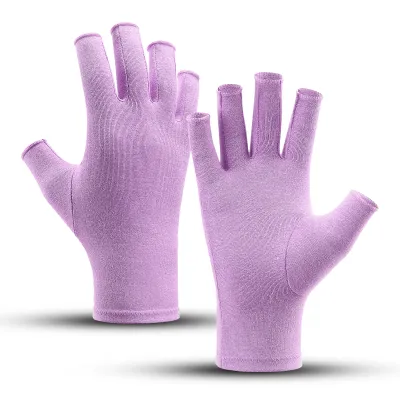
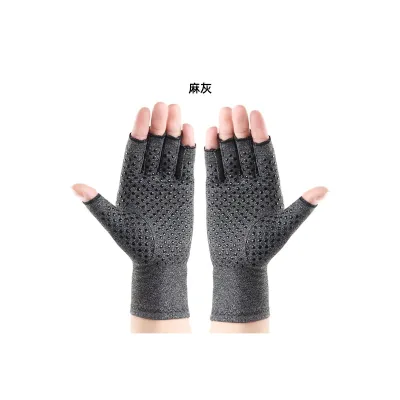
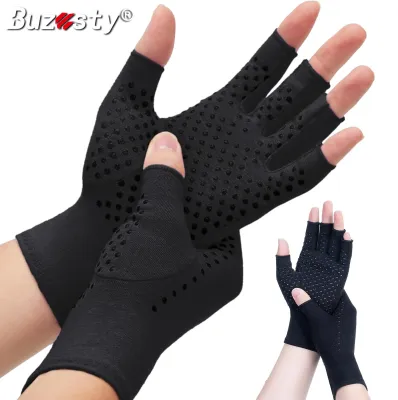
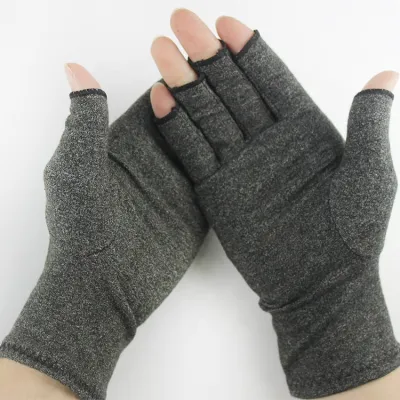
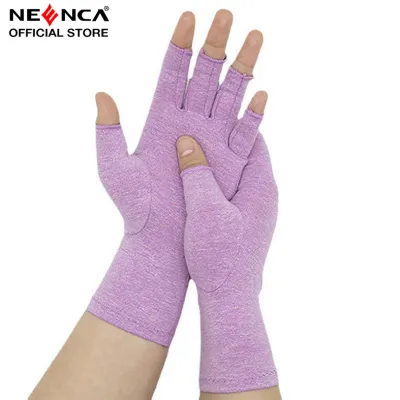
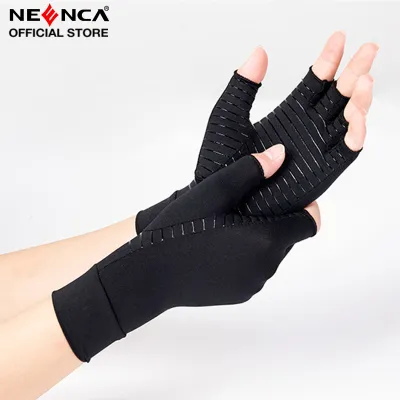
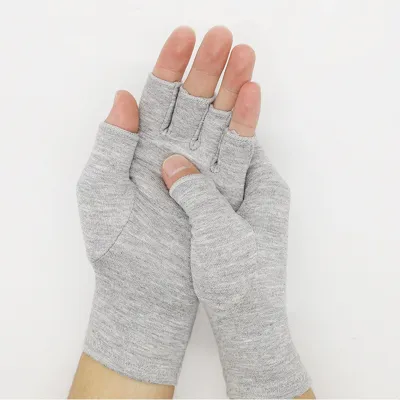
Prices are valid at publication and may change. Please refer to the product page for the latest price.
If you are managing carpal tunnel syndrome, acute wrist sprains, or tendonitis, your hand requires structural stabilization rather than simple compression. In these cases, rigid wrist support gloves or splints are necessary to immobilize the joint and prevent harmful movements.
For individuals who experience hand stiffness triggered by cold, air-conditioned offices or suffer from Raynaud’s phenomenon, thermal or heated gloves are an appropriate choice. These gloves focus on retaining body heat or actively generating warmth to maintain healthy blood circulation.
It is vital to remember that pain relief gloves are supportive accessories designed to manage symptoms and improve daily comfort. They do not cure underlying medical conditions, nor do they replace targeted physical therapy, prescribed medication, or professional medical advice.
Monitor your hands closely while wearing any supportive gear. Stop using the gloves immediately and consult a healthcare professional if you experience increased numbness, persistent tingling, skin breakdown, redness, or a sudden worsening of your pain.
Key Features to Evaluate When Buying Pain Relief Gloves
Before purchasing any pain relief gloves, evaluating specific product features will help you avoid discomfort and ensure long-term usability.

Breathability and Moisture-Wicking Capabilities In Singapore’s humid climate, sweat accumulation inside a glove can quickly lead to skin maceration, fungal infections, or contact dermatitis. Look for lightweight, moisture-wicking fabrics such as nylon-spandex blends or cotton infused with synthetic fibers that allow air circulation. Avoid heavy, non-breathable materials unless they are specifically designed with ventilation holes or mesh panels.
Grip Enhancements Pain relief gloves should not render your hands useless during daily tasks. Check for silicone grip patterns, textured palms, or open-finger designs. These features allow you to perform daily tasks like holding a phone, opening jars, typing, or driving without losing your grip or dropping items.
Seam Placement and Interior Lining Poorly placed or thick interior seams can press directly against sensitive, inflamed joints or nerves, causing friction blisters and localized pain. Look for gloves with external stitching, flatlock seams, or seamless construction to ensure a smooth interior surface that minimizes friction.
Ease of Cleaning and Care Because you will likely wear these gloves during daily activities, they will accumulate sweat, oils, and dirt. Verify the manufacturer’s washing instructions before buying. Machine-washable fabrics or easily hand-washed materials are essential for maintaining daily hygiene and preventing odor buildup.
Comparing the Main Types of Hand Gloves for Pain
Understanding the distinct categories of pain relief gloves allows you to select a product that directly targets your symptoms. The three primary functional categories available on the market are compression gloves, thermal/heated gloves, and rigid wrist support or splint gloves. Each serves a distinct physiological purpose, meaning a glove designed for one condition may be ineffective or even counterproductive for another.
Compression Gloves for Swelling and Arthritis
Compression gloves apply gentle, graduated pressure to the hand and fingers. This pressure promotes blood flow back toward the heart, which helps reduce localized edema (swelling) and alleviates the dull ache associated with joint stiffness.
These gloves are highly suitable for mild to moderate osteoarthritis, general hand fatigue from repetitive tasks, and post-workout recovery. The continuous, mild pressure helps keep the joints stable during light activities without restricting movement.
However, compression gloves do not provide structural support. If you have an acute ligament tear, a severe sprain, or joint instability, a soft compression glove cannot prevent harmful joint movement and should not be used as a substitute for a rigid brace.
Always check the manufacturer’s specified compression level and sizing chart. If the glove is too tight, it can restrict arterial blood flow, leading to cold fingers, throbbing pain, or numbness, which defeats the purpose of pain relief.
Thermal and Heated Gloves for Stiffness and Cold Sensitivity
Heat therapy helps dilate blood vessels, increase local circulation, and relax stiff muscles and tendons. This is particularly beneficial for individuals who experience hand stiffness in air-conditioned offices or have cold-sensitive conditions like Raynaud’s phenomenon.
Passive thermal gloves use specialized insulating materials to trap and reflect your natural body heat. Active heated gloves utilize built-in, battery-powered heating elements to deliver direct, adjustable warmth to the hand and fingers.
For active heated gloves, verify that the product includes safety features such as an automatic shutoff timer and well-insulated wiring. This prevents accidental burns or short circuits, especially if your hands sweat during use.
Check the expected battery runtime and charging requirements before buying. Active heated gloves require careful maintenance; you must remove the battery packs before cleaning, and the internal wiring usually dictates strict hand-washing and air-drying protocols.
Wrist Support and Splint Gloves for Injuries and Nerve Compression
These gloves incorporate rigid or semi-rigid stays, often made of metal or hard plastic, along the wrist or palm. They are designed to immobilize the joint, keeping it in a neutral position to relieve pressure on compressed nerves or protect healing tissues.
They are highly effective for managing carpal tunnel syndrome, acute wrist sprains, tendonitis, and post-operative recovery. Keeping the wrist straight during sleep or repetitive tasks prevents further nerve irritation and allows tissues to heal.
The primary trade-off of rigid support is the loss of fine motor dexterity. You will find it difficult to type, write, or grip small objects while wearing a fully splinted glove, making them more suitable for rest periods or specific tasks.
Ensure the internal splints or stays are removable. This allows you to wash the fabric sleeve easily and adjust the level of support—such as removing the rigid stay for light daytime wear and reinserting it for maximum immobilization during sleep.
Sizing, Fit, and Material Checks for Daily Comfort
To find a glove that provides effective relief without causing harm, you must measure your hand accurately. Use a soft, flexible tape measure to record three key dimensions:
- Knuckle Circumference: Wrap the tape measure around your hand at the widest part of your knuckles, excluding the thumb.
- Palm Width: Measure straight across the palm of your hand from the outer edge to the inner crook of your thumb.
- Hand Length: Measure from the crease of your wrist to the tip of your middle finger.
Compare these measurements against the specific brand’s sizing chart, as sizing standards vary significantly between manufacturers. Never guess your size based on standard clothing sizes.
An improper fit can lead to further discomfort or injury. If you experience tingling, numbness, cold fingertips, skin indentation from seams, or throbbing sensations, the glove is too tight and is restricting your circulation. Conversely, if the fabric bunches up around the joints, slips down your fingers, or fails to provide a snug, supportive hug, the glove is too loose and will not deliver therapeutic compression.
If you have sensitive skin, eczema, or contact dermatitis, check the material composition carefully. Look for hypoallergenic, latex-free, and dye-free fabrics. Neoprene and certain synthetic elastics can trigger skin reactions in warm, humid environments, so breathable cotton-spandex blends are often a safer starting point.
Smart Shopping Checklist for Online Marketplaces in Singapore
When browsing online marketplaces in Singapore, follow these practical verification steps to ensure you receive a high-quality, genuine product:
- Analyze Buyer Reviews: Look past the star rating. Search the reviews for specific feedback regarding sizing accuracy, seam durability after multiple washes, and whether the compression level holds up over time. Pay close attention to reviews from buyers living in warm climates.
- Verify Return Policies: Many online marketplaces classify compression and support gloves as intimate apparel or hygiene-sensitive items. This means they may not accept returns or exchanges once the packaging is opened. Always verify the seller's return policy before purchasing to avoid being stuck with an ill-fitting glove.
- Compare Prices in S$: Check the pricing of the gloves across multiple platforms. Be cautious of extremely low prices, which often indicate counterfeit products or poor-quality materials that lose elasticity within days. Compare the marketplace price with the official brand flagship store to ensure you are getting a genuine discount rather than an inflated markup.
- Check Seller Credentials: Look for official brand authorization badges, official mall tags, or verified seller statuses on the ecommerce platform. Purchasing from authorized distributors ensures you receive genuine materials, proper manufacturing quality, and a valid warranty if the product fails prematurely.
Frequently Asked Questions (FAQ)
Can I wear compression gloves all day and while sleeping?
Most manufacturers design compression gloves for daytime wear during activities or for short recovery periods of a few hours. While some mild compression gloves are marketed as safe for overnight wear, sleeping in them carries risks. Your body’s circulation naturally slows down during sleep, and you cannot consciously monitor your hands for signs of restricted blood flow.
If you experience tingling, numbness, or skin discoloration, you must remove the gloves immediately. For severe swelling or chronic conditions, always consult a physiotherapist or doctor to establish a safe, personalized wear schedule before sleeping in compression gear.
How do I wash and maintain heated or splint gloves?
Specialized pain relief gloves require careful maintenance to preserve their structural integrity and electronic components. Before washing, you must remove all electronic battery packs, heating wires, and rigid plastic or metal splints from their designated pockets.
Hand-wash the fabric sleeve in cold water using a mild, pH-neutral detergent. Avoid machine-washing unless the manufacturer’s label explicitly permits it, as the agitation can degrade spandex fibers or damage internal wiring channels. Always air-dry the gloves flat in a well-ventilated area away from direct sunlight or heat sources like hair dryers, which can shrink the fabric or ruin the elastic.
Community discussion
Share your experience or ask a question. Comments are reviewed before publication.