
Swimming is a staple activity for families in Singapore. With year-round tropical warmth, condominium pools, public ActiveSG swimming complexes, and water parks offer constant opportunities for recreation and water play. For parents, ensuring water safety is the absolute priority when introducing young children to the water. While many look for the most popular kids’ swimming float brands, safety does not come from a brand name alone. Instead, it depends on choosing a float that complies with recognized international safety standards, matches your child’s developmental stage, and is maintained with rigorous care.
No flotation device can replace active, touch-distance adult supervision or proper swim instruction. When selecting a swimming float for your child, you are choosing a tool to assist with water confidence and basic positioning, not a substitute for safety vigilance. By understanding what makes a float reliable, you can make an informed decision that protects your child while they enjoy the water.
Understanding Safety Standards and Certifications for Kids' Floats
To identify a reliable swimming float, parents must look past colorful designs and marketing claims to find verified safety certifications. In Singapore, reputable swimming aids typically carry markings indicating compliance with international standards. The most common standards to look for are the European Standard EN 13138, which specifically covers buoyant aids for swimming instruction, and the American Standard ASTM F963, which regulates toy safety. Some products may also carry the EN 71 mark, though this is primarily a toy safety standard rather than a dedicated flotation aid certification.
Products mentioned in this guide
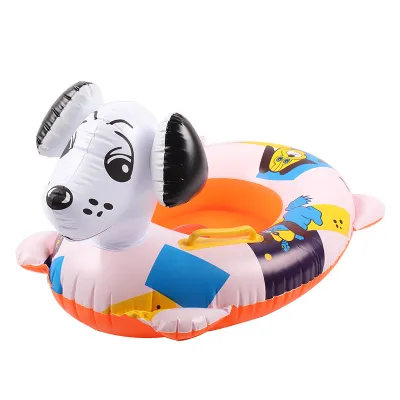
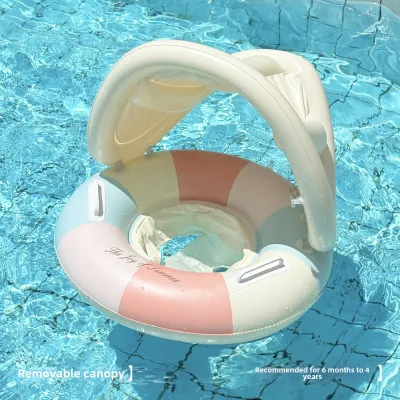

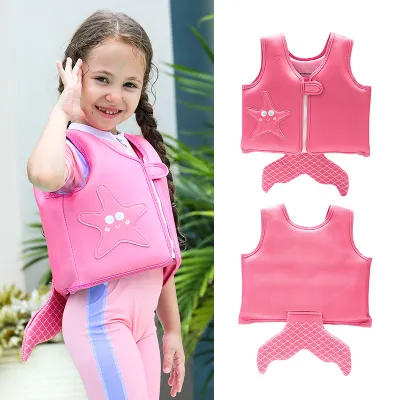
Prices are valid at publication and may change. Please refer to the product page for the latest price.
Understanding the difference between a certified swimming aid and a general water toy is critical for your child’s safety. Water toys, such as inflatable lounge chairs, novelty ride-ons, and basic swim rings, are designed solely for play in shallow water where the child can stand. They lack the redundant safety features, material thickness, and buoyancy stability required to support a child learning to swim. In contrast, certified swimming aids are engineered to keep a child in an appropriate swimming position and feature multiple independent air chambers to ensure flotation even if one chamber is punctured.
Before purchasing any float, parents must carefully read the manufacturer’s packaging for explicit warnings. Reliable brands clearly print the maximum weight capacity, recommended age range, and developmental limits directly on the product or its packaging. These limits are calculated based on the buoyancy volume of the device and must be strictly followed. Most importantly, every certified float will carry a prominent warning stating that the device is not a life-saving product and must only be used under constant, active adult supervision.
Key Features to Evaluate When Comparing Float Brands
When comparing different float brands in Singapore, parents should evaluate several physical design attributes to assess quality and durability. The first element to examine is material thickness. High-quality inflatable floats are typically constructed from heavy-duty polyvinyl chloride (PVC) or laminated fabrics that resist punctures from pool edges, toys, or fingernails. Look for materials that feel thick and substantial rather than thin, flimsy plastics that stretch easily under pressure.

Seam construction is another critical indicator of a float’s structural integrity. Reliable brands utilize high-frequency welding to fuse the seams together, creating a smooth, rounded edge that resists splitting under pressure. Poorly made floats often have sharp, heat-sealed seams that can scratch a child’s sensitive skin and are highly prone to bursting along the edges when exposed to the heat of the tropical sun.
Valve mechanisms play a vital role in leak prevention. Reliable inflatable floats feature safety valves with built-in non-return flaps. These flaps prevent air from escaping rapidly if the valve cap accidentally pops open during active play. To deflate the float, you must actively squeeze the base of the valve. Additionally, look for valves that can be pushed flat into the body of the float to prevent them from catching on clothing or being pulled open by curious fingers.
Visibility is a safety feature that is frequently overlooked. When selecting a float, prioritize high-contrast, bright colors such as neon orange, vibrant yellow, or hot pink. These colors remain highly visible both on the surface of the water and underwater, allowing you to keep track of your child instantly. Avoid blue, green, or pale pastel floats, as they can blend seamlessly with the pool water or the pool floor, making it difficult to spot a child in an emergency.
Finally, evaluate the comfort and fit adjustments of the device. A well-designed float should feature secure, adjustable strap systems with double-action safety buckles that require two distinct actions to open, preventing the child from removing the float themselves. The inner surfaces that contact the child’s skin should be smooth and free of rough seams to prevent chafing during extended pool sessions.
Matching Float Types to Your Child's Age and Swimming Ability
Selecting the right category of swimming float depends entirely on your child’s age, physical development, and water confidence. For infants and toddlers who cannot yet sit up or support their own weight, seat floats provide a stable platform. These devices feature a secure seat harness suspended within an inflatable ring, keeping the child upright. However, they must have a wide, low-profile base to prevent tipping if the child leans forward or if a wave ripples across the pool.
As children grow and develop basic trunk control, arm bands become a popular option. Arm bands provide buoyancy directly to the upper arms, helping the child maintain an upright or slightly forward-leaning position. However, they can restrict arm movement and do not assist with learning proper horizontal swim strokes. It is vital to ensure that arm bands fit snugly and cannot slip off wet arms.
Vest-style aids, including swim vests and integrated sleeve-and-chest floats, offer a more balanced distribution of buoyancy around the child’s torso. These devices allow for greater freedom of movement in the arms and legs, making them excellent tools for building water confidence. When choosing a swim vest, look for models that include an adjustable crotch strap. Without this strap, the vest has a tendency to ride up over the child’s chin and face when they enter the water, which can block their airway and cause panic.
Kickboards are specialized training tools intended for older children who already possess basic swimming skills and are working on their kicking technique. They are not flotation aids for non-swimmers and should never be used as a safety device. Because kickboards require active grip and core stability to use correctly, a non-swimmer can easily lose hold of the board and submerge.
Regardless of the float design or the brand’s safety claims, parents must remember that no flotation device can replace active, touch-distance adult supervision. A child can slip out of a float, flip upside down, or experience a sudden equipment failure in seconds. An adult must always remain within arm’s reach of the child in the water, keeping their eyes on the child at all times without distraction.
Where to Buy and How to Verify Authenticity in Singapore
Navigating the retail landscape in Singapore requires caution to avoid counterfeit or substandard swimming floats. Purchasing from specialized sports and outdoor retailers, whether at physical storefronts or through their official online portals, offers significant advantages. These retailers typically curate products from reputable manufacturers that comply with international safety standards, and their staff can often provide guidance on sizing and fit.
In contrast, purchasing from general e-commerce platforms or unverified third-party sellers on online marketplaces carries a higher risk of acquiring non-compliant or counterfeit goods. If you choose to buy online, take active steps to verify the seller’s authorization. Look for official brand stores or preferred local sellers with high ratings and established histories. Avoid listings with generic descriptions, extremely low prices (such as floats sold for under S$5), or those lacking clear safety certification labels in their product images.
Before finalizing a purchase, read customer reviews specifically looking for safety-related feedback. Search for comments mentioning rapid air loss, split seams upon first inflation, strong chemical odors, or buckles that fail to stay secure. Additionally, check the product packaging or listing for batch dates or manufacturing codes, as materials like PVC can degrade over time if stored in hot warehouses for years before sale.
Finally, review the retailer’s return policy and warranty conditions. Reputable brands and authorized retailers in Singapore generally offer warranties against manufacturing defects, such as faulty valves or seam failures, within a specific period after purchase. A clear, customer-friendly return policy is a strong indicator that the seller stands behind the safety and quality of the products they distribute.
Essential Pre-Use Checks and Maintenance for Longevity
Establishing a strict inspection and maintenance routine is essential to ensure the ongoing safety and longevity of your child’s swimming float. Before every single pool session, perform a thorough visual and physical check. Inflate the device fully and perform a gentle squeeze test to listen for escaping air. Inspect the seams for any signs of stretching, separation, or micro-tears, and verify that the safety valves close tightly and remain secure when pressed into the float.
Singapore’s hot and highly humid climate accelerates the degradation of plastics, foam, and adhesives. To prevent material breakdown, always rinse the float thoroughly with clean, fresh tap water after every use to remove chlorine, salt, and sunscreen residues. Allow the float to dry completely in a shaded, well-ventilated area. Never leave inflatable or foam floats drying in direct, intense tropical sunlight, as UV rays will make PVC brittle, cause colors to fade, and weaken welded seams.
Once dry, store the float in a cool, dry indoor location away from sharp objects. Never store inflatable floats fully inflated in hot outdoor storage boxes or balconies, as the air inside will expand in the heat, stretching the seams and potentially causing a rupture.
Knowing when to discard a float is a non-negotiable safety rule. You must immediately retire and replace any swimming float that shows signs of air leakage, persistent slow deflation, structural seam separation, or brittle, sticky plastic. If a safety buckle is cracked, or if an adjustable strap is frayed and can no longer be tightened securely, the device is no longer safe for use and must be disposed of immediately to prevent accidental reuse.
Frequently Asked Questions (FAQ)
At what age can a child transition from a seat float to arm bands?
The transition from a seat float to arm bands typically occurs when a child is between two and three years old, but physical developmental milestones are far more important than age alone. Before making the switch, your child must possess excellent head and neck control, the ability to sit upright independently without support, and a basic level of water confidence. They should also show the physical coordination required to keep their head above water while wearing arm bands. Always consult the manufacturer’s specific weight and age guidelines, as arm bands require a minimum body mass to float correctly and must fit snugly around the upper arms without slipping.
Are inflatable floats safer than foam floats for beginners?
Neither material is universally safer; instead, they present different safety profiles and failure modes that parents must manage. Inflatable floats offer adjustable buoyancy and are highly portable, making them convenient for travel, but they carry the risk of sudden puncture, slow leaks, or valve failures. Foam floats, such as those made from closed-cell foam, provide consistent, non-deflatable buoyancy that cannot be punctured, making them highly reliable in terms of flotation. However, foam can degrade if bitten or torn by children, creating small pieces that pose a choking hazard, and foam vests can be bulkier to wear. Regardless of the material chosen, constant adult supervision remains the primary safety measure.
Community discussion
Share your experience or ask a question. Comments are reviewed before publication.