
Quick Answer: Adidas vs. Mooto for Your Training Needs
Choosing between an Adidas and a Mooto taekwondo belt depends entirely on your training environment, personal aesthetic preferences, and competitive requirements. Both brands produce high-quality gear, but they cater to slightly different philosophies within the martial arts community.
Choose Adidas if:
- You prioritize global brand recognition and modern, lightweight fabric blends.
- You want a belt that requires minimal break-in time and is easy to maintain.
- You prefer widespread retail availability and standardized sizing.
Choose Mooto if:
Products mentioned in this guide
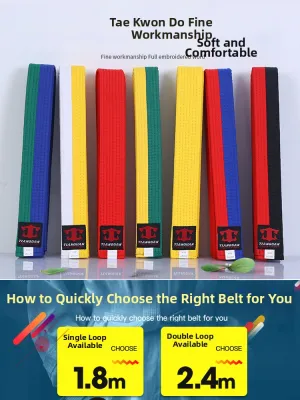
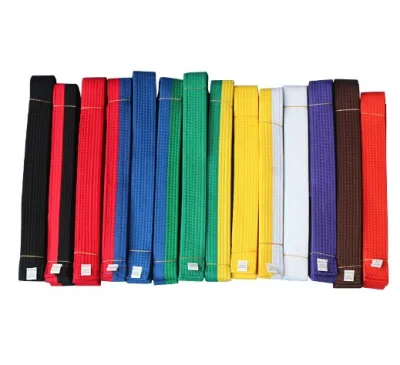
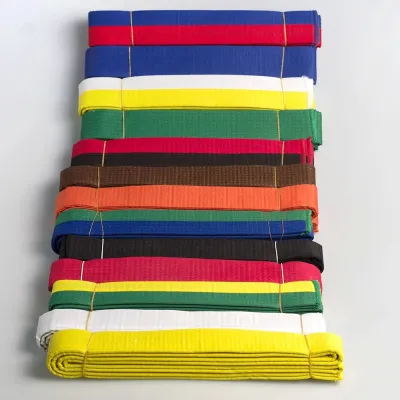
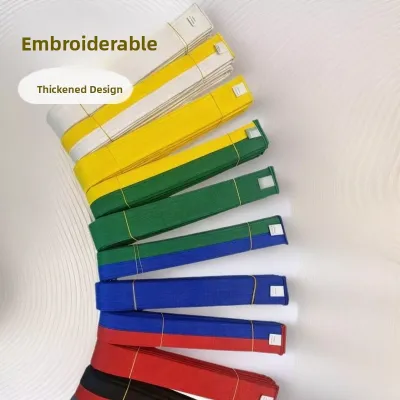
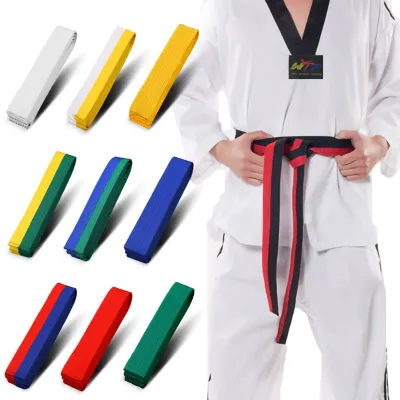
Prices are valid at publication and may change. Please refer to the product page for the latest price.
- You value traditional Korean manufacturing heritage and specialized martial arts design.
- You prefer a heavier, stiffer cotton weave that develops a distinct character over years of training.
- You are a poomsae (forms) specialist or instructor looking for a belt with a structured, formal drape.
For official World Taekwondo (WT) sanctioned competitions, the deciding factor is not the brand name itself, but the specific model’s current WT approval status. You must verify the presence of the official WT approved tag on the belt before stepping onto the competition mat, as non-approved equipment can lead to disqualification.
Brand Heritage: Global Sportswear vs. Traditional Korean Specialists
Understanding the background of each manufacturer reveals why their products feel and perform differently. Adidas is an international sportswear powerhouse. Its martial arts division applies modern textile engineering, large-scale manufacturing consistency, and global distribution logistics to its equipment lines. Adidas gear is designed to meet the demands of modern Olympic-style sparring, focusing on lightweight performance, standardized synthetic-blend fabrics, and mass-market accessibility.

Because Adidas operates on a global scale, its products are highly consistent. A size 4 Adidas belt purchased in Singapore will match the exact specifications of the same model sold anywhere else in the world. This makes the brand highly reliable for practitioners who want predictable performance and straightforward sizing without surprises.
In contrast, Mooto is a highly specialized martial arts brand born and headquartered in South Korea, the birthplace of Taekwondo. Mooto’s design philosophy is deeply intertwined with traditional dojang culture, the Kukkiwon (World Taekwondo Headquarters), and elite demonstration teams. The brand focuses almost exclusively on martial arts, allowing its research and development teams to obsess over specific details like fabric textures, the auditory “snap” of a uniform during a kick, and the precise weight of a belt.
This specialized focus makes Mooto a favorite among traditionalists, high-ranking black belts, and instructors. While Adidas represents modern, globalized sports science, Mooto represents the heritage, pride, and specific technical nuances of Korean martial arts training.
Material Quality: Fabric Blends, Weight, and Tactile Feel
Evaluating the material composition of a taekwondo belt is essential, as it dictates how the belt behaves during dynamic movement. The most common materials used in belt construction are 100% cotton, polyester-cotton (poly-cotton) blends, and satin, which is typically reserved for premium black belts.
Adidas frequently utilizes high-quality poly-cotton blends for its color belts and entry-level black belts. These blended fabrics are engineered for durability, color retention, and rapid drying. In Singapore’s hot and highly humid climate, moisture management is a practical concern. Poly-cotton blends resist absorbing excessive sweat, dry quickly after intense training sessions, and are less prone to developing mildew or unpleasant odors when stored in a gym bag. These belts are generally lighter and more flexible right off the shelf.
On the other hand, Mooto often emphasizes traditional, heavier cotton weaves, particularly in its mid-to-high-tier belts. A 100% cotton Mooto belt is noticeably thicker and heavier than a standard Adidas equivalent. This density provides a substantial tactile feel, but it also means the belt requires a dedicated break-in period. Over weeks of training, the stiff cotton fibers gradually soften, molding to the shape of your waist and developing a personalized fit.
For black belts, both brands offer premium satin options. Satin belts feature a distinct, glossy sheen and a smooth outer texture that looks exceptionally formal during grading ceremonies and demonstrations. However, satin is more slippery than cotton, which can affect how well the knot stays tied during high-friction training.
Always check the care label or product specification sheet for exact material percentages before purchasing. Do not rely solely on vague marketing terms like “premium blend” or “heavyweight feel,” as these can vary between production batches.
Stitching and Durability: Knot Security and Fraying Resistance
Stitching quality is the primary factor that prevents a taekwondo belt from warping, splitting, or losing its shape over time. High-quality belts feature multiple rows of parallel stitching running along the entire length of the belt. This stitching secures the internal felt padding to the outer fabric shell.
Adidas belts typically feature clean, computerized machine stitching with consistent tension. The edge bindings are smooth and tightly finished, which minimizes the risk of the fabric layers separating at the tips. Because Adidas belts are often softer out of the box, they offer excellent knot security from day one. The flexible material allows you to tie a tight, flat square knot that stays secure during high-impact sparring (Kyorugi) without restricting your breathing or hip mobility.
Mooto belts are renowned for their dense, multi-row stitching patterns, often featuring 8 to 10 rows of heavy-duty thread. This dense stitching gives the belt its signature rigidity. While this rigidity is highly desirable for the structured drape preferred in poomsae, it presents a challenge for knot security during the initial weeks of use. A stiff, unbroken-in Mooto belt has a tendency to spring open during dynamic spinning kicks or rapid footwork.
To safely accelerate the break-in process of a stiff cotton belt, you can repeatedly run the belt back and forth over a smooth, rounded wooden or metal railing. Avoid washing the belt in hot water or using a mechanical dryer, as this can cause uneven shrinkage between the outer cotton shell and the inner synthetic padding, resulting in a permanently warped or twisted belt.
When your belt arrives, conduct a physical inspection of the stitching. Run your fingers along the edges to check for loose threads, skipped stitches, or uneven tension. Tightly finished ends and reinforced center markers are reliable indicators of long-term fraying resistance.
Pricing and Value: What to Expect from Retailers in Singapore
When shopping for a taekwondo belt in Singapore, prices generally fall into distinct tiers based on the belt’s color, material, and level of customization.
Standard Color Belts (White to Red/Brown):
- Adidas: S$12 to S$25
- Mooto: S$15 to S$30
Standard Black Belts (Cotton or Poly-Cotton):
- Adidas: S$35 to S$65
- Mooto: S$40 to S$80
Premium Black Belts (Satin or Heavyweight Cotton with Custom Embroidery):
- Adidas: S$70 to S$120
- Mooto: S$80 to S$150+
Because color belts are worn for relatively short periods before a student grades to the next rank, high-end durability is rarely a priority. For color belts, both brands offer exceptional value, though Adidas is often slightly more budget-friendly and easier to source in bulk for local Singaporean dojangs.
For black belts, which are worn for years or even decades, the value equation shifts. A premium Mooto black belt, despite the higher initial cost, represents outstanding long-term value due to its robust construction and ability to withstand years of daily friction, sweat, and washing.
To ensure you are purchasing authentic products, buy directly from official brand stores, authorized local martial arts distributors in Singapore, or reputable physical sports retailers. Be cautious when browsing general online marketplaces or third-party e-commerce platforms, as counterfeit martial arts gear is common. Counterfeit belts often feature sub-standard internal padding that disintegrates after a single wash, or fake WT approval tags that will not pass inspection at official tournaments.
Side-by-Side Comparison: Adidas vs. Mooto
| Feature | Adidas | Mooto |
|---|---|---|
| Primary Material Focus | High-performance poly-cotton blends and lightweight synthetics | Traditional heavyweight cotton and premium satin fabrics |
| Fabric Stiffness | Soft to moderate; highly flexible out of the box | Moderate to very stiff; requires a dedicated break-in period |
| Stitching Style | Standardized, high-precision computerized parallel stitching | Dense, multi-row heavy-duty stitching for maximum structure |
| Target Audience | Competitive sparring athletes, active hobbyists, and beginners | Traditional practitioners, poomsae specialists, and instructors |
| WT Approval | Available on specific competition-grade models (verify tag) | Available on specific competition-grade models (verify tag) |
| Knot Security | Excellent immediately; soft fabric holds tight knots easily | Requires breaking in; stiff fabric can slip initially |
Final Verdict: Actionable Rules for Your Purchase
To make the right purchase decision, align your choice with your specific role, training style, and safety requirements. Use these actionable rules to guide your selection:
- Verify Competition Compliance First: If you are a competitive athlete preparing for WT-sanctioned tournaments, your primary task is to check the official equipment guidelines for your division. Ensure the specific model of Adidas or Mooto belt you select carries the official "World Taekwondo Approved" label sewn onto the tip.
- Match the Belt to Your Discipline: If your training consists primarily of high-intensity sparring (Kyorugi), prioritize the lightweight flexibility and rapid-drying capabilities of an Adidas poly-cotton belt. If you focus on forms (Poomsae) or teaching, choose a heavyweight Mooto cotton belt to achieve a sharp, formal presentation.
- Check Sizing Charts Carefully: Sizing conventions vary significantly between brands. Do not assume a size 4 in Adidas matches a size 4 in Mooto. Measure your waist while wearing your uniform (dobok), multiply by two, and add approximately 30 to 50 centimeters for the knot and hanging tails. Compare this total length against the manufacturer's official size chart.
- Inspect Upon Arrival: Before removing any product tags, wrap the belt around your waist to verify the length. Check that the tips hang evenly and do not extend past your knees, as excessively long belts can trip you during dynamic movement. Inspect the stitching for any defects, and confirm the retailer's return policy in case you need to exchange sizes.
Frequently Asked Questions (FAQ)
How do I determine the correct length for my taekwondo belt?
To find your correct belt length, put on your training uniform (dobok) and measure your waist circumference using a flexible measuring tape. For a standard double-wrap belt, multiply your waist measurement by two, then add between 80 to 100 centimeters to account for the square knot and the hanging ends. Always compare this final length to the specific sizing chart provided by Adidas or Mooto, as their numerical sizes (e.g., Size 3, 4, or 5) correspond to different physical lengths in centimeters.
Are satin black belts better than cotton ones for daily training?
Satin black belts are not inherently better than cotton ones, but they serve different purposes. Satin offers a premium, high-gloss appearance that is highly favored for formal ceremonies, grading panels, and demonstrations. However, satin is smooth and slippery, meaning the knot is more likely to loosen during rigorous, high-friction daily training. For intense daily sparring and floor work, a textured cotton or poly-cotton black belt is generally preferred because it provides better grip, holds a knot more securely, and develops a classic, weathered look over time.
How should I wash and maintain my taekwondo belt to prevent fraying?
To maximize the lifespan of your belt and prevent fraying, hand wash it in cold water using a mild detergent. Avoid using bleach or harsh chemical stain removers, as these can weaken the cotton fibers and cause colors to bleed. Never place your belt in a mechanical dryer; instead, gently press out excess water with a dry towel and hang the belt to air dry in a shaded, well-ventilated area away from direct sunlight. Always consult the manufacturer’s care label sewn onto your specific belt before washing.
Community discussion
Share your experience or ask a question. Comments are reviewed before publication.