
When selecting protective gear for weightlifting, comparing gym gloves adidas manufactures with Nike’s offerings helps you identify which brand matches your training style. Both brands produce reliable hand protection, but they approach design from fundamentally different philosophies. Adidas typically prioritizes structured support, traditional weightlifting ergonomics, and robust, dense palm padding. Nike, conversely, frequently emphasizes lightweight flexibility, minimalist profiles, and cross-training versatility.
The optimal choice between the two depends entirely on your specific lifting style, training environment, and personal comfort preferences. Powerlifters or bodybuilders engaging in heavy, slow compound lifts often benefit from the structured stability of Adidas designs. Functional fitness athletes or those performing high-rep circuits usually prefer the tactile freedom and rapid heat dissipation of Nike gloves. Before making a purchase, you must verify the specific model’s material composition and design features on the product label, as individual product lines within each brand vary significantly.
It is important to remember that while gym gloves provide a valuable barrier against skin abrasion and minor joint strain, they cannot substitute for proper lifting technique, progressive overload management, or grip strength development. Understanding your physical limits and training venue is paramount. Equipment is designed to assist your training, but it can never replace sound athletic judgment and proper form.
Products mentioned in this guide
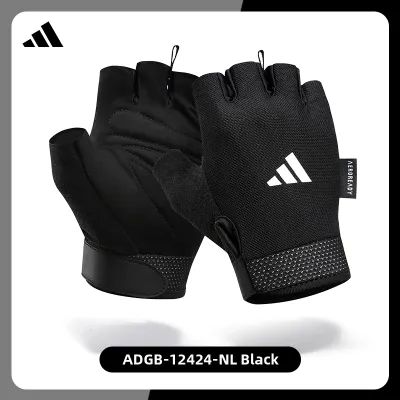
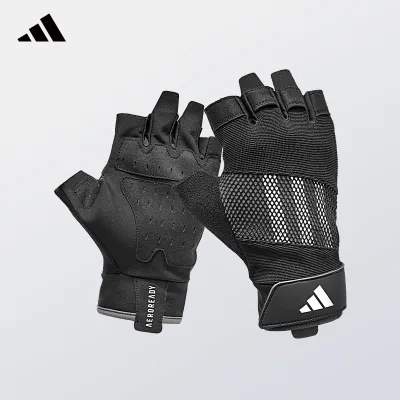
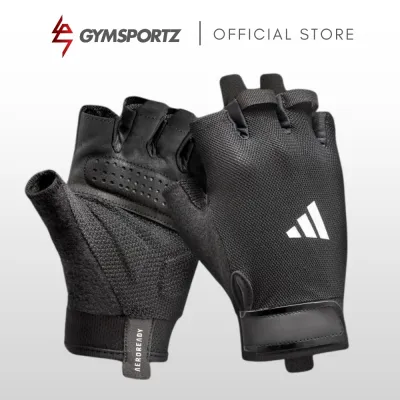
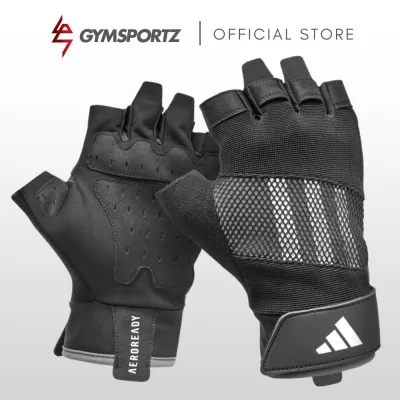
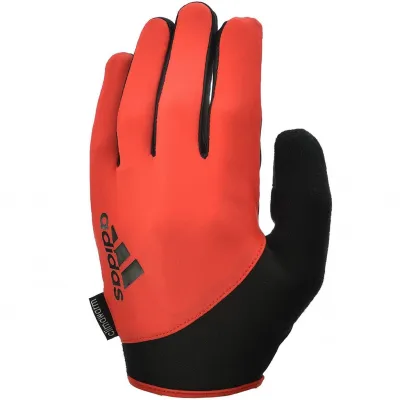
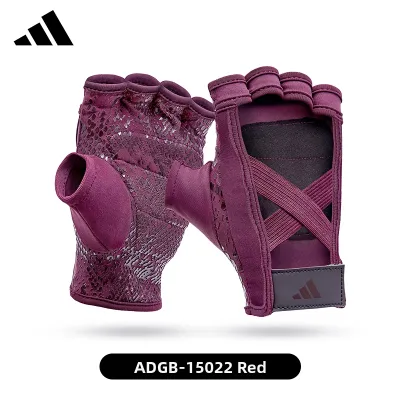
Prices are valid at publication and may change. Please refer to the product page for the latest price.
Core Dimensions for Evaluating Lifting Gloves
To make an informed decision, you must understand the objective criteria that govern hand protection, grip security, and overall comfort during weight training. Gym gloves are not merely aesthetic accessories; they serve as a critical interface between your skin and heavy, textured steel. Evaluating these core dimensions ensures you select a pair that enhances performance while minimizing the risk of injury or skin damage.
Padding Thickness and Grip Texture
The design of a glove’s palm directly influences your control over the barbell and your susceptibility to calluses. When you grip a heavy steel bar, the pressure is concentrated on the delicate skin overlaying the metacarpal bones. Over time, this friction leads to hyperkeratosis—the thickening of the skin known as calluses. While calluses are a natural protective response, they can tear during high-friction movements, causing painful open wounds. Thick gel or high-density foam padding (often ranging from 2mm to 5mm) cushions these high-pressure zones, protecting your hands during heavy pushing movements like the bench press or overhead press.
However, this thickness increases the effective diameter of the bar, which can strain your forearm muscles and reduce grip security if you have smaller hands. Conversely, thin palms with textured surfaces—such as silicone print overlays or micro-suede—offer superior tactile feedback. This allows you to feel the knurling of the bar, which is essential for complex, high-velocity movements like cleans, snatches, or kettlebell swings. When evaluating any model, you should check the manufacturer’s tag to verify the palm material composition, ensuring it aligns with the specific types of equipment you use most frequently.
Material Breathability and Moisture Control
Sweat management is a primary consideration for lifters, particularly when training in Singapore’s hot and humid tropical climate. Whether you are exercising in a fully air-conditioned commercial gym or an open-air community fitness corner, your hands will sweat during intense, high-volume sets. In Singapore’s tropical environment, where relative humidity often exceeds 80 percent, heat dissipation is severely restricted. If moisture becomes trapped inside the glove, the inner material can become slippery, causing your hand to slide within the glove and compromising your grip.
Furthermore, persistent moisture creates an environment conducive to bacterial and fungal growth, leading to skin irritation and unpleasant odors. To prevent this, look for gloves featuring open-mesh backings made of polyester or nylon, perforated palms, and moisture-wicking fabric labels. High-performance mesh fabrics actively pull moisture away from the skin, allowing air to circulate directly underneath the hand. Proper airflow ensures that the gloves remain lightweight, dry quickly after washing, and maintain a reliable, high-friction interface with the bar.
Wrist Strap Design and Durability
Wrist support is a vital component of hand protection, especially during heavy compound lifts where the wrist joint is prone to hyperextension. The wrist joint is a complex structure of small bones and ligaments that can easily be forced into extreme extension under heavy loads, such as during a heavy overhead press. Gym gloves typically feature either a simple elastic slip-on cuff or an extended, wrap-around Velcro wrist strap. Elastic cuffs offer maximum mobility and are easy to put on, making them suitable for light dumbbell work or general fitness classes, but they provide virtually no joint stabilization.
Extended wrap-around straps, usually constructed from stiff neoprene or heavy-duty woven nylon, act as a supportive brace for the wrist joint under heavy loads. This structural reinforcement is highly beneficial during heavy presses, helping to maintain proper joint alignment and reduce fatigue. However, over-reliance on wrist wraps for light loads can prevent the development of stabilizing forearm muscles. Lifters should use heavy support selectively, ensuring they do not bypass natural strength progression. When assessing durability, inspect the stitching patterns—such as double-lock stitching—and the width of the Velcro strap, as these elements dictate how well the glove will withstand repetitive tension over months of training.
Gym Gloves Adidas: Build Characteristics and Ideal Scenarios
Adidas has established a strong reputation in the protective gear market by focusing on structured, traditional weightlifting designs. The brand’s glove lineup often features dense, multi-layered palm padding, frequently reinforced with gel inserts or durable synthetic leather panels. This construction is engineered to distribute high pressure evenly across the hand, making gym gloves adidas produces highly effective at preventing calluses and blisters during heavy, repetitive lifting sessions. The materials are chosen for their high tensile strength and resistance to tearing under heavy friction, ensuring long-term durability.

Many Adidas models incorporate integrated, wide wrist wraps that provide substantial lateral support. This rigid structure is particularly advantageous for lifters focusing on powerlifting, bodybuilding, or heavy strength training, where exercises like the bench press, shoulder press, and heavy bicep curls place significant stress on the wrists. The stitching on these gloves is often reinforced at key stress points, such as the seam between the thumb and index finger, which experiences the most shear force during pulling exercises like deadlifts or rows. This robust construction makes them a preferred choice for lifters training in commercial gyms where heavy iron plates and steel bars are the primary tools.
However, this focus on structure and protection comes with a trade-off in flexibility. The denser padding and stiffer wrist wraps can restrict natural hand movement, making these gloves less suitable for workouts that require rapid transitions between gymnastics, calisthenics, and lifting. For lifters in Singapore training in traditional strength facilities where heavy barbell and dumbbell work forms the core of the routine, Adidas gloves offer a reliable, highly protective barrier. You should always verify the specific model’s intended use and material specifications on the packaging, as features can vary between their basic and premium product lines, which typically range in price from S$20 to S$50.
Nike Gym Gloves: Build Characteristics and Ideal Scenarios
Nike takes a distinctly different approach to training gloves, prioritizing minimalist designs, high flexibility, and advanced material integration. Their gloves frequently utilize lightweight, stretchable fabrics on the back of the hand that conform closely to the anatomy of your fingers, creating a second-skin feel. Rather than thick, uniform padding, Nike often deploys targeted padding zones or relies on high-friction silicone grip patterns printed directly onto synthetic suede palms. This design philosophy is tailored for athletes who require a balance of moderate hand protection and maximum sensory feedback.
The high flexibility of Nike gloves allows for natural finger articulation and rapid transitions between different types of equipment. This makes them exceptionally well-suited for functional fitness, high-intensity interval training (HIIT), and cross-training workouts where you might move quickly from a barbell to a kettlebell, a pull-up bar, or floor-based movements like push-ups. During a workout that combines kettlebell snatches with handstand push-ups, for example, the high flexibility of Nike gloves allows the wrist to move freely through a full range of motion without restriction.
In Singapore’s humid climate, the lightweight and highly breathable construction of Nike gloves is a major advantage. Many models feature moisture-wicking technologies and extensive perforation zones that facilitate rapid sweat evaporation, keeping the hands cooler during intense cardiovascular and strength circuits. However, the minimalist padding may not offer sufficient protection against very heavy, aggressive barbell knurling, and the lighter materials may wear out faster under constant heavy powerlifting loads. Before purchasing, check the product description to verify the glove’s suitability for high-rep training and its specific flexibility features.
Specification Checklist: What to Verify Before Buying
To help you evaluate individual models of Adidas or Nike gloves, use the following specification checklist. This matrix outlines the key features you should inspect on the product packaging or official manufacturer spec sheet before making your purchase.
| Feature to Check | What to Look For | Why It Matters for Lifting |
|---|---|---|
| Palm Material | Synthetic leather, polyurethane, or silicone-printed suede. | Determines the glove's resistance to abrasion and the level of bar feel. |
| Padding Distribution | Dense gel/foam inserts vs. targeted minimalist padding zones. | Affects pressure distribution, callus prevention, and hand closure around the bar. |
| Wrist Closure | Extended wrap-around Velcro straps vs. low-profile elastic cuffs. | Dictates the level of joint stabilization and lateral wrist support under heavy loads. |
| Care Instructions | Machine washable labels vs. hand-wash only requirements. | Crucial for maintaining long-term hygiene, odor control, and material integrity. |
You must read the manufacturer’s specification sheet for the exact model you are considering. Brand reputation alone does not guarantee that a specific glove will possess the exact features, padding density, or wrist support required for your training style. If you are shopping online via an ecommerce platform, review the listed material breakdown to ensure the product matches your specific environmental and physical requirements.
Final Verdict: Choose Adidas or Nike Based on Your Needs
Your final decision between Adidas and Nike gym gloves should be guided by your primary training modality, your need for joint support, and the environmental conditions of your workout space.
- Choose Adidas if: Your training routine consists primarily of heavy, traditional weightlifting or bodybuilding. If you frequently perform heavy compound presses, require maximum palm padding to shield your skin from aggressive barbell knurling, and prefer structured, wrap-around wrist support to stabilize your joints, Adidas is generally the more suitable choice.
- Choose Nike if: Your workouts are centered around functional fitness, high-intensity interval training, or high-rep conditioning circuits. If you need lightweight flexibility, rapid sweat evaporation in humid conditions, and the tactile freedom to transition quickly between barbells, kettlebells, and bodyweight exercises, Nike's minimalist design will serve you better.
- Verify first if: You have a history of wrist injuries, joint hypermobility, or sensitive skin. In these scenarios, equipment cannot replace professional medical guidance or proper physical training. Consult a physical therapist or medical professional to determine if a specific level of wrist bracing is safe for you, and strictly verify the exact material composition and support specifications on the product label before purchasing.
Frequently Asked Questions (FAQ)
How often should I replace my Adidas or Nike gym gloves?
The lifespan of your gym gloves depends on your training frequency, the intensity of your workouts, and how well you maintain them, rather than a predetermined calendar timeline. You should regularly inspect your gloves for observable signs of structural degradation. Key indicators that it is time for a replacement include thinning or compressed palm padding that no longer absorbs pressure, fraying seams around the fingers, tearing wrist straps, or Velcro that no longer fastens securely. Additionally, if the gloves develop a persistent odor that remains after washing, they should be replaced to maintain proper skin hygiene.
Can I use these padded gym gloves for pull-ups and calisthenics?
While padded gym gloves can protect your palms from developing friction blisters during pull-ups, thick padding can actually hinder your performance on a pull-up bar. Thick gel or foam padding increases the effective diameter of the bar, making it harder to close your hand completely and potentially fatiguing your grip muscles prematurely. If calisthenics, gymnastics, or high-bar work are central to your routine, look for gloves with a highly flexible, minimalist palm design or specialized silicone grip zones. Alternatively, consider using dedicated gymnastics grips or chalk, which are specifically designed to facilitate rotation and grip security on overhead bars.
Community discussion
Share your experience or ask a question. Comments are reviewed before publication.