
Selecting the right strength-training equipment for a residential space requires balancing your fitness goals with the practical realities of your living environment. For many home fitness enthusiasts, especially those navigating the compact layouts of modern apartments or shared family spaces in Singapore, the choice between adjustable and fixed dumbbells is one of the most significant decisions you will make. There is no single option that suits every lifter; instead, the ideal selection depends on your training style, available floor space, budget, and how you manage the physical environment of your home.
Adjustable dumbbells offer a highly versatile, space-saving alternative by consolidating an entire rack of weights into a single pair of handles. Conversely, fixed dumbbells provide the classic, rugged reliability of commercial gym equipment, offering immediate weight transitions and unmatched structural durability. To make an informed investment, you must evaluate how these design philosophies align with your daily workouts, your physical space, and your long-term progression.
Core Differences Between Adjustable and Fixed Dumbbells
The primary distinction between these two equipment types lies in their engineering and structural design. Fixed dumbbells are single-piece units where the weight heads are permanently secured to the handle, typically using solid cast iron, welded steel, or urethane-encased designs. This solid construction means there are no moving parts, making them incredibly robust and virtually maintenance-free.
Products mentioned in this guide
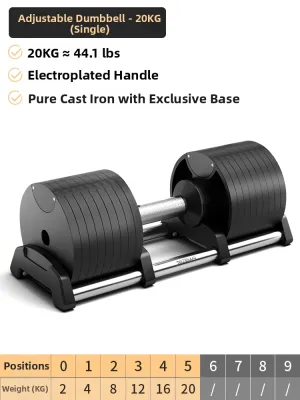
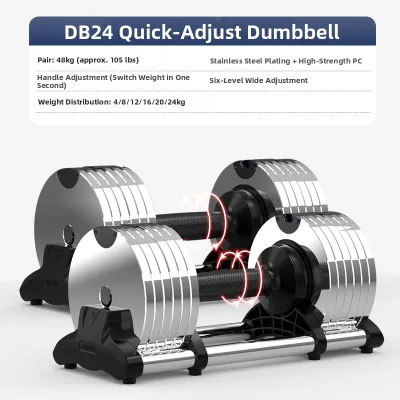
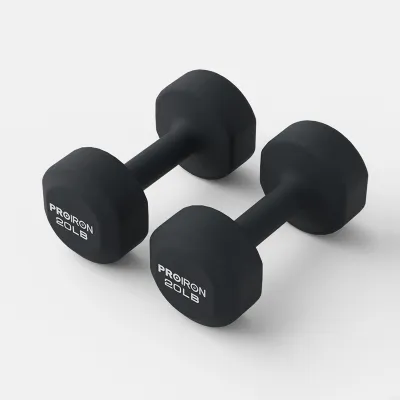
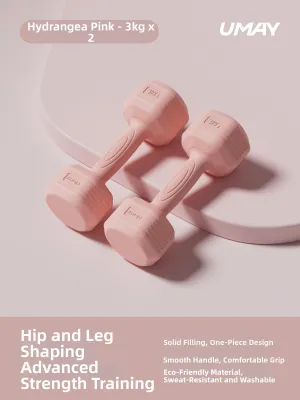
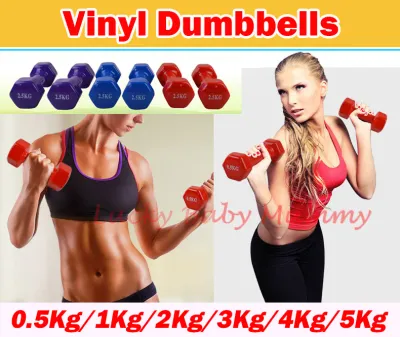
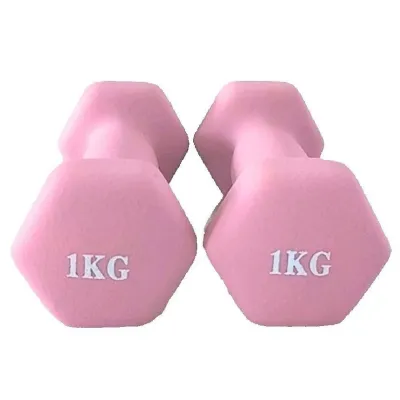
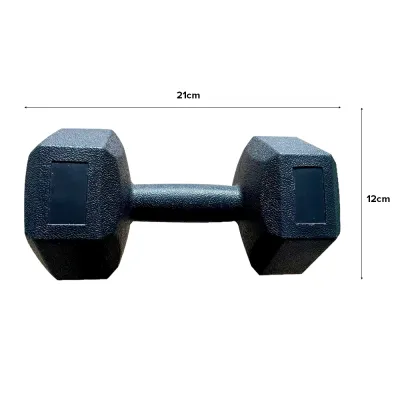
Prices are valid at publication and may change. Please refer to the product page for the latest price.
Adjustable dumbbells, on the other hand, utilize a mechanical system to vary the load on a single handle. These systems generally fall into three categories: dial-adjust systems, spin-lock collars, and selector pin or plate-loaded designs. Dial systems allow you to turn a knob to select your desired weight, automatically attaching or leaving behind plates in a custom cradle. Spin-lock and plate-loaded systems require manual adjustment, where you slide individual plates onto a threaded sleeve and secure them with a collar.
This mechanical complexity introduces distinct physical profiles. A single pair of adjustable dumbbells occupies a highly compact footprint, often requiring only a small corner or a dedicated stand. In contrast, a comprehensive set of fixed dumbbells requires a multi-tier rack to organize the incremental weights, which can quickly dominate a room.
Furthermore, maintenance needs differ significantly. Fixed dumbbells require minimal upkeep beyond occasionally wiping down the handles to prevent rust, especially in humid tropical climates where moisture can accelerate corrosion on exposed metal. Adjustable models require more careful handling; their internal gears, selector pins, and locking mechanisms must be kept free of dust, debris, and excessive moisture to ensure smooth operation and prevent mechanical failure over time.
Key Decision Factors for Your Training Needs
Your specific workout style and training methodology should heavily influence your choice. If your routine relies on rapid weight changes, such as drop sets, supersets, or fast-paced circuit training, fixed dumbbells are highly advantageous. You can instantly drop one pair and pick up another without interrupting your heart rate or momentum. Performing these same transitions with adjustable dumbbells requires stopping to turn dials or adjust pins, which can disrupt the flow of high-intensity workouts.

However, if your training focuses on progressive overload—gradually increasing the resistance over time—adjustable dumbbells offer exceptional utility. They typically provide small, precise weight increments, often in steps of 1 kg to 2.5 kg. To replicate this level of progression with fixed weights, you would need to purchase and store dozens of individual pairs, which is both logistically challenging and financially demanding for a home setup.
The physical balance and ergonomics of the equipment also play a critical role in exercise execution. Fixed dumbbells maintain a consistent, proportional size; lighter weights are physically smaller, while heavier weights are larger. This proportional scaling allows for a natural range of motion during movements like bicep curls or lateral raises. Adjustable dumbbells, particularly dial-based models, often maintain their maximum physical length regardless of the weight selected. This means even when set to a light weight, the bulky frame can sometimes interfere with your body or restrict your range of motion during close-grip pressing movements.
Grip texture and knurling are additional comfort factors to verify. Fixed dumbbells often feature standardized steel knurling or rubberized grips that provide a secure hold during heavy lifts. Adjustable models may use proprietary handle designs, rubber overlays, or plastic components that feel different in the hand. Before committing to a heavy lifting routine, it is essential to check that the grip style matches your hand size and comfort preferences, as equipment cannot replace proper grip strength and lifting form.
Space, Storage, and Home Gym Logistics
For residential fitness spaces, physical footprint is often the deciding factor. In typical urban apartments, dedicated spare rooms are a luxury, and workouts frequently take place in multi-purpose living areas. A full set of fixed dumbbells ranging from 2 kg to 25 kg requires a heavy-duty, multi-tiered rack that can span over a meter in length and weigh hundreds of kilograms in total.
Adjustable dumbbells resolve this spatial challenge by condensing that entire weight range into a single, neat footprint. When not in use, they sit quietly in their compact trays, easily fitting under a bed, inside a closet, or on a small dedicated stand in the corner of a room. This dramatic reduction in visual clutter helps maintain the aesthetic harmony of a shared household.
Safety and floor protection are also critical logistical considerations. Placing heavy, concentrated loads on residential floors requires caution. In high-rise apartments with concrete subfloors, dropping a heavy fixed dumbbell can damage floor tiles or create disruptive noise for neighbors below. While protective rubber matting is highly recommended for any home gym, the risk of accidental drops is a key factor. Scattered fixed dumbbells can also create tripping hazards in tight spaces, whereas adjustable plates remain securely housed in their storage trays when not actively in use.
Cost and Long-Term Value Evaluation
Evaluating the financial aspect of your home gym requires looking beyond the initial price tag to consider long-term value. The upfront cost of a high-quality pair of adjustable dumbbells can seem substantial, requiring a larger initial investment. However, when you calculate the cost across the entire range of weights the adjustable pair replaces, it represents a highly cost-effective investment.
Purchasing fixed dumbbells incrementally might seem more budget-friendly initially, as you can buy a single pair of light weights for a relatively low cost. However, as your strength progresses and you require heavier loads, the cumulative cost of buying individual pairs—along with the necessary storage racks—quickly surpasses the price of a single adjustable set.
Lifespan and warranty coverage are also vital components of the value equation. Fixed dumbbells are incredibly durable; with basic rust prevention, a solid cast iron or rubber-coated dumbbell can easily last a lifetime. They have no moving parts to break, meaning they retain their value and utility indefinitely. Adjustable dumbbells, with their intricate internal gears and plastic components, are more susceptible to wear and tear. If a dial mechanism jams or a selector pin breaks out of warranty, the entire unit may become unusable, making it crucial to verify the manufacturer’s warranty terms and the availability of replacement parts before purchasing.
Final Verdict: Which Dumbbell Type Should You Buy?
To finalize your decision, assess your home environment and training goals against a clear set of conditions. Your choice should align with your physical space, your budget, and how you intend to progress in your fitness journey.
You should choose adjustable dumbbells if:
- You are working with limited floor space, such as a compact apartment or a shared living room, and need to minimize visual clutter.
- Your primary training goal is progressive overload, requiring small, incremental weight adjustments across a wide range.
- You prefer a single, consolidated upfront investment that covers your strength needs for years to come.
You should choose fixed dumbbells if:
- You have a dedicated garage, spare room, or spacious home gym area that can easily accommodate a multi-tier storage rack.
- Your workouts heavily feature rapid transitions, drop sets, or supersets where pausing to adjust weight dials would disrupt your training flow.
- You prioritize absolute durability, want the freedom to drop weights safely onto protective flooring, or share your gym with multiple users who train simultaneously.
Before making any purchase, always verify the load-bearing capacity of your flooring if you plan to install a heavy fixed rack. Additionally, check the physical dimensions of adjustable models to ensure their length does not interfere with your specific pressing form or body size.
Frequently Asked Questions (FAQ)
Can I drop adjustable dumbbells on the floor?
No, you should avoid dropping adjustable dumbbells on the floor. Unlike solid fixed dumbbells, adjustable models contain intricate internal gears, selector pins, and alignment tracks that can easily crack, bend, or misalign upon impact. Dropping them not only risks permanently damaging the adjustment mechanism but also voids most manufacturer warranties. Always lower adjustable weights to the floor in a controlled manner, and use protective rubber matting to cushion any accidental contact.
Do adjustable dumbbells feel different from fixed ones?
Yes, adjustable dumbbells generally have a different physical feel and balance compared to traditional fixed weights. Because they are designed to accommodate multiple plates on a single handle, they are often physically longer and bulkier, even when set to lighter weights. This fixed length can alter your center of gravity and sometimes cause the ends of the dumbbells to clank together during close-grip exercises. Additionally, some models may have a slight rattle or movement in the plates, which differs from the completely solid, silent feel of a welded fixed dumbbell.
Community discussion
Share your experience or ask a question. Comments are reviewed before publication.