
The Short Answer: Which Dumbbell Type Wins for Home Gyms?
Finding the right dumbbell for your home setup is not about finding a universally perfect weight; it is about matching the equipment to your living space, budget, and training style. Both adjustable and fixed dumbbells have distinct advantages, and the optimal choice depends entirely on your personal constraints and fitness goals.
You should choose adjustable dumbbells if you have limited floor space, such as in a typical Singaporean HDB flat or a compact condominium, and want a wide range of weights without cluttering your home. They are highly efficient for solo lifters focusing on progressive overload, general fitness, or hypertrophy training, provided you can commit to handling them with care and placing them down gently after each set.
Conversely, you should choose fixed dumbbells if you have a dedicated garage, a spacious spare room, or a large home gym where space is not a limiting factor. They are the superior choice if you prioritize extreme durability, frequently train with a partner who needs to use different weights at the same time, or perform high-intensity training styles like rapid drop sets and supersets where dropping the weights is common.
Products mentioned in this guide
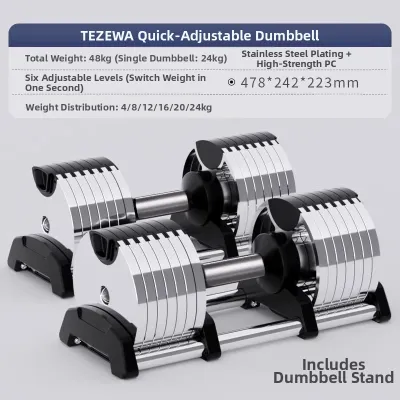
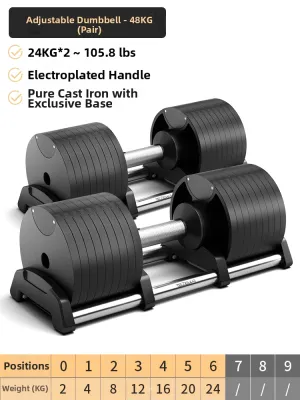
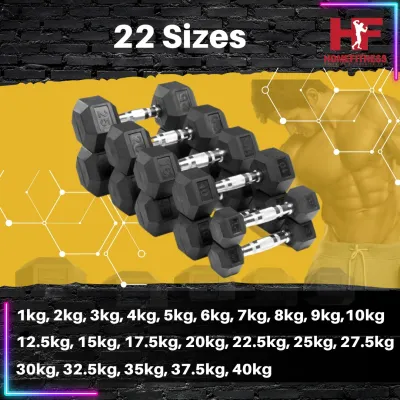
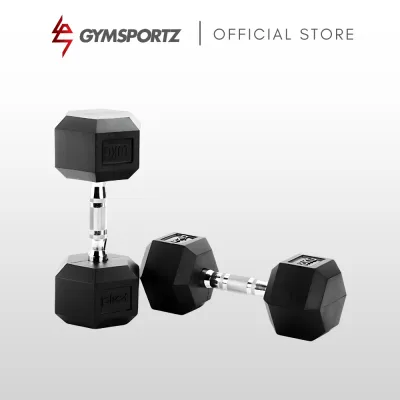
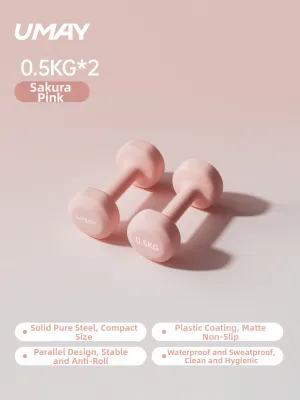
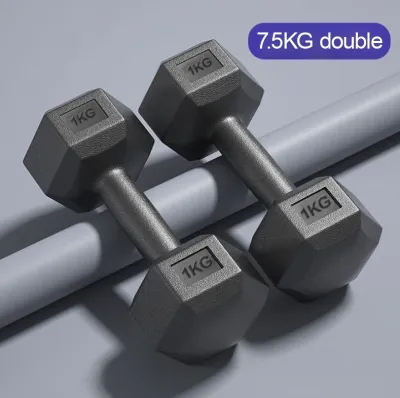
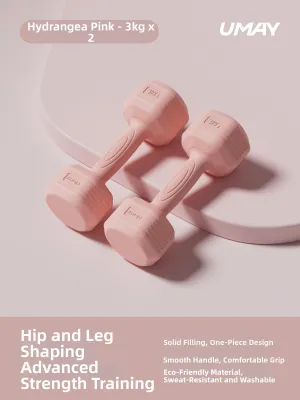
Prices are valid at publication and may change. Please refer to the product page for the latest price.
Adjustable vs Fixed Dumbbells: Core Differences at a Glance
Before examining the specific spatial and financial details of each option, it is helpful to understand how these two systems compare across their primary mechanical and operational features. The table below outlines the core differences to help guide your initial decision.

| Feature | Adjustable Dumbbells (Dial/Pin/Slider) | Fixed Dumbbells (Cast Iron/Rubber/Urethane) |
|---|---|---|
| Weight Adjustment | Internal dial, pin, or handle-twist mechanism | None; separate physical pair for each weight |
| Space Required | Minimal; single pair with compact base trays | Substantial; requires multi-tier storage rack |
| Adjustment Speed | Takes 3 to 10 seconds to change settings | Instant; simply select a different pair |
| Durability & Drop Tolerance | Low; high risk of internal mechanism damage | High; designed to withstand heavy impact |
| Cost Structure | High upfront cost; economical per kilogram | Low entry cost; high total cost for a full set |
The mechanical design of adjustable dumbbells varies by manufacturer, with common systems including dial-based selectors, pin-loaded stacks, or handle-twist locking mechanisms. In contrast, fixed dumbbells feature solid, single-piece construction, typically utilizing hex-shaped rubber heads or round urethane-coated steel. Because weight increments, handle diameters, and locking designs vary significantly between brands, you should always verify the exact product specifications on the manufacturer’s label or retailer page before completing your purchase.
Space Efficiency: Fitting Weights into Compact Homes
In Singapore’s urban housing landscape, where HDB flats and compact condominiums require smart spatial planning, physical footprint is often the deciding factor for home gym equipment. Multi-purpose spaces like bedrooms, study rooms, or shared living areas usually double as workout zones.
Adjustable dumbbells excel in these compact environments because they condense an entire rack of weights into a single pair. A single set resting in its base trays typically occupies a footprint of less than 0.2 square meters. This compact design allows you to store the weights easily under a bed or in the corner of a wardrobe when not in use. However, you must ensure that the base trays are placed on a completely flat, sturdy surface. If the surface is uneven, the internal plates may misalign, making it difficult or dangerous to dock and lock the weights. You also need to ensure there is sufficient vertical and lateral clearance around the tray to lift the handles safely.
Fixed dumbbells present a very different spatial challenge. To achieve a versatile workout routine that supports progressive overload, you will eventually need multiple pairs of weights. A standard set of fixed dumbbells ranging from 2kg to 20kg in 2kg increments consists of ten separate pairs. Storing twenty individual dumbbells safely requires a multi-tier dumbbell rack, which can easily take up 1 to 1.5 meters of wall space and half a meter of floor depth. In a shared living room or small bedroom, such a rack becomes a dominant, permanent piece of furniture that can make the space feel cluttered.
To make an informed choice, always measure your intended storage area and compare those dimensions against the physical specifications of the dumbbell base trays or the storage rack you plan to buy. If your workout area must double as a clean home office or living room, the streamlined profile of adjustable dumbbells offers a much cleaner, easily stored solution.
Budget Breakdown: Initial Cost vs Long-Term Value
Evaluating the financial aspect of a home gym requires looking beyond the initial price tag to understand long-term value. Both dumbbell types have different cost structures that impact your budget as you progress.
Adjustable dumbbells require a significant upfront investment. A high-quality pair adjusting from 2kg to 24kg or 32kg typically ranges from S$300 to S$800. While this initial cost can be intimidating, this single purchase provides up to 15 different weight configurations. When you calculate the cost-per-weight—dividing the purchase price by the cumulative weight of all the individual increments you would otherwise buy—adjustable dumbbells are highly cost-effective, eliminating the need to buy separate pairs as you grow stronger.
Fixed dumbbells offer a lower entry barrier, ideal for beginners needing only one or two light weights. A single pair of 5kg rubber hex dumbbells might cost S$30 to S$50. However, as your strength increases and you require heavier resistance (e.g., 7.5kg, 10kg, 12.5kg, 15kg), the costs compound. Buying these pairs individually quickly exceeds S$800, plus another S$150 to S$300 for a sturdy storage rack to keep your floor organized.
Furthermore, consider shipping and delivery fees. Fixed dumbbells are exceptionally dense; ordering a full set online in Singapore can incur substantial freight charges due to the total weight. Adjustable dumbbells, while heavy, are shipped in a single, compact box, making delivery charges much more manageable.
You must also plan for expansion costs. If you outgrow an adjustable set, you cannot add more weight to the existing frame; you must buy a heavier adjustable model or supplement with heavy fixed dumbbells. With fixed dumbbells, expansion is modular—you simply buy the next weight up when needed. Always check current SGD prices on local sports equipment sites or official brand stores before making your final budget plan.
Training Goals: Versatility, Drop Sets, and Progressive Overload
Your specific workout style, pacing, and long-term athletic goals should heavily influence which dumbbell type you choose. While both styles are highly effective tools, they cater to very different training rhythms and ergonomic preferences.
Progressive overload is the foundation of strength training. Adjustable dumbbells are exceptionally well-suited for this because many models offer micro-loading capabilities, allowing you to increase weight in small increments of 1kg or 2kg. This is valuable for isolating smaller muscle groups, like the shoulders, where a standard 2.5kg jump in fixed weights might be too difficult to manage safely.
However, changing weights in adjustable systems introduces a mechanical delay. You must place the weights in the base tray, align the plates, and turn a dial or move a selector pin. This process takes 5 to 10 seconds. While acceptable during traditional strength training with standard rest periods, it can disrupt fast-paced workouts like high-intensity interval training (HIIT), rapid supersets, or timed circuits where transitions must be instantaneous. Fixed dumbbells allow you to drop one pair and immediately grab another without breaking your rhythm.
For lifters who frequently perform drop sets—lifting to failure, then immediately dropping to a lighter weight—fixed dumbbells are superior. You can line up three or four pairs on the floor and transition between them in seconds, with no mechanisms to align or dials to turn.
Ergonomics and grip comfort also differ. Fixed dumbbells feature contoured, knurled metal handles that provide a secure, slip-resistant grip. Their physical size is also proportional to their weight. Adjustable dumbbells must use a uniform frame length to accommodate all plates. Even when lifting a light 2kg weight, the dumbbell remains at its maximum length, which can feel bulky during bicep curls, dumbbell flyes, or close-grip chest presses. Additionally, the handles of adjustable models are often thicker to house the internal locking shafts, which may affect grip comfort. Check the handle diameter and knurling specifications if grip feel is a priority.
Durability and Maintenance: What Happens When You Drop Them?
The longevity of your equipment and your safety during workouts depend on understanding the physical limits and maintenance requirements of your dumbbells.
Fixed dumbbells are built for extreme durability. Whether constructed from solid cast iron, encased in rubber, or coated in premium urethane, these weights have no moving parts. If you reach muscular failure during a heavy press, you can safely drop them onto a properly matted floor. While dropping heavy weights on bare concrete or ceramic tiles in an HDB flat is never recommended due to floor damage risks, fixed dumbbells themselves easily withstand such impacts. Maintenance is simple: wipe them down after your workout to remove sweat, and occasionally inspect the rubber coating for wear.
Adjustable dumbbells are precision-engineered mechanical devices relying on intricate systems of internal gears, spring-loaded pins, selector dials, or locking plates. Because of this complexity, you must follow one critical safety rule: never drop adjustable dumbbells. Even a short drop from knee height can bend the internal locking shafts, crack the plastic selector dials, or misalign the weight plates. If these internal components are damaged, the locking mechanism may fail, causing heavy plates to slip off mid-exercise and cause serious injury.
To ensure safe usage, always place adjustable dumbbells gently and precisely back into their base trays. Before lifting, perform a quick visual check to confirm that the selector dials or pins are fully engaged and locked securely.
Maintenance for adjustable systems is also more involved. You must keep the base trays and locking mechanisms completely free of dust, sweat, and chalk. Gym chalk is particularly hazardous, as the fine powder can migrate into the internal gears and cause the dials to jam. Wipe down the handles and plates with a clean, dry microfiber cloth after every workout. Never apply standard household lubricants like WD-40 unless instructed by the manufacturer, as unapproved oils can degrade plastic parts, attract dust, and void your warranty. Always consult the manufacturer’s care guide for approved cleaning methods.
Final Decision Framework: Choose Your Ideal Dumbbell
To finalize your purchase and select the perfect dumbbell system for your home setup, evaluate your training environment and workout habits against this clear conditional framework.
Choose Adjustable Dumbbells if:
- You live in a compact HDB flat, apartment, or condominium where maximizing floor space is a top priority.
- You want access to a complete range of weights (e.g., 2kg to 24kg or 32kg) to support progressive overload without buying multiple pairs.
- You primarily train alone and follow traditional strength or hypertrophy programs with standard rest intervals.
- You can commit to handling your equipment with care and placing the weights down gently after every set.
Choose Fixed Dumbbells if:
- You have a dedicated garage, spare room, or large home gym with ample space for a multi-tier storage rack.
- You regularly train with a partner or family members who need to use different weight increments at the same time.
- Your workouts rely heavily on fast-paced circuits, HIIT, supersets, or rapid drop sets where instant transitions are essential.
- You prefer the traditional, knurled feel of commercial gym equipment and want the freedom to drop weights safely when training to failure.
Verify First if:
- You are concerned about handle thickness or overall dumbbell length; try to test the ergonomics of an adjustable model in a local showroom if possible.
- You are buying a heavy set of fixed dumbbells online; check the exact shipping and delivery fees to your Singapore address to avoid unexpected freight charges.
Take a moment to carefully assess your current workout routine, your long-term fitness goals, and the physical constraints of your living space before adding your chosen dumbbells to your cart. Investing in the right equipment today will ensure a safer, more enjoyable, and highly effective home workout experience for years to come.
Frequently Asked Questions (FAQ)
Can I drop adjustable dumbbells during a heavy set?
No, you should never drop adjustable dumbbells. Their internal gears, selector dials, and locking pins are precision-engineered and can easily crack, bend, or misalign under high-impact shock. Dropping them not only ruins the equipment but can also cause weight plates to fall off during future use, posing a serious safety hazard and voiding the manufacturer’s warranty. Always control the weights down and place them gently into their trays.
Do adjustable dumbbells feel the same as fixed ones?
No, adjustable dumbbells often feel different from traditional fixed weights. Because they must accommodate multiple plates on a single frame, adjustable models maintain a constant, maximum length regardless of the weight selected, which can feel bulky during close-grip exercises. Additionally, their handles are often thicker and may feature plastic or smooth metal grips rather than the classic, contoured knurling found on high-quality fixed dumbbells.
Is it cheaper to buy a full set of fixed dumbbells or one adjustable pair?
For a comprehensive weight range (such as 2kg to 25kg or more), buying a single pair of adjustable dumbbells is significantly cheaper than purchasing ten or more individual pairs of fixed dumbbells along with a storage rack. However, if you only require one or two specific weight increments for your routine, purchasing those specific fixed pairs is the more economical choice.
Community discussion
Share your experience or ask a question. Comments are reviewed before publication.