
Quick Answer: Which Dumbbell Type Fits Your Setup?
Choosing the right weights dumbbell setup for a home gym in Singapore often comes down to balancing available floor space, budget constraints, and training style. If you are working with a compact living room or a shared apartment where space is at a premium, adjustable dumbbells offer a complete weight range within the footprint of a single pair. Conversely, if you prioritize rapid weight transitions during high-intensity drop sets, or if you prefer the traditional, rugged feel of commercial gym equipment, a dedicated rack of fixed dumbbells is highly suitable.
To make the right choice, you must evaluate how your training environment, financial plan, and fitness goals interact. There is no single superior option; instead, the ideal choice depends on your specific home setup and how you intend to lift.
Space and Storage: Evaluating Your Home Gym Footprint
Space is one of the most critical constraints when setting up a home fitness area, especially in high-density urban housing like Singapore apartments. A single pair of adjustable dumbbells typically occupies a very small footprint, often requiring only a small corner of a room or a dedicated storage tray. This compact design makes them highly attractive for multi-purpose rooms where your workout space must quickly transition back into a living room, study, or bedroom after your session.
Products mentioned in this guide
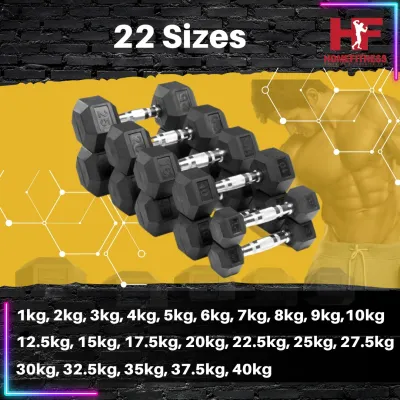
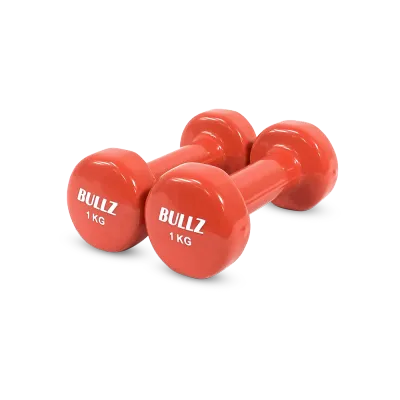
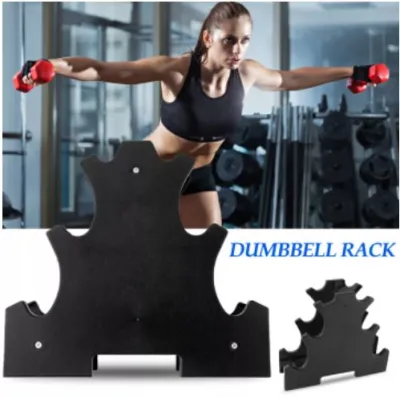
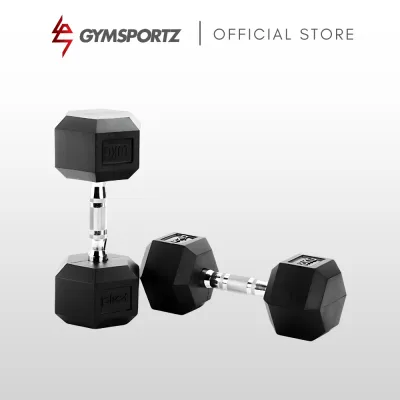
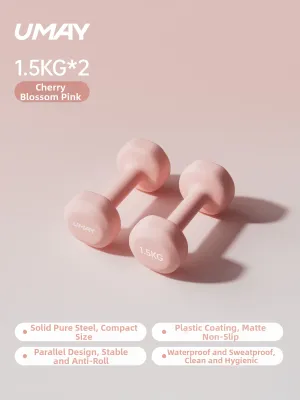
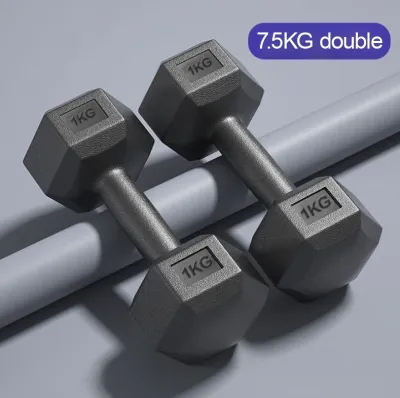
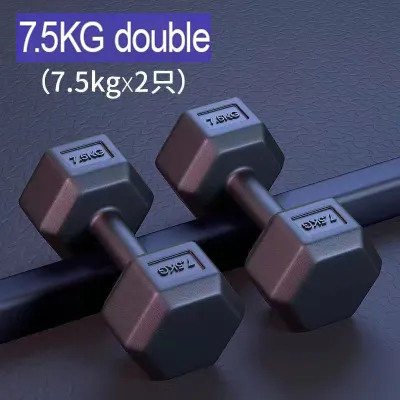
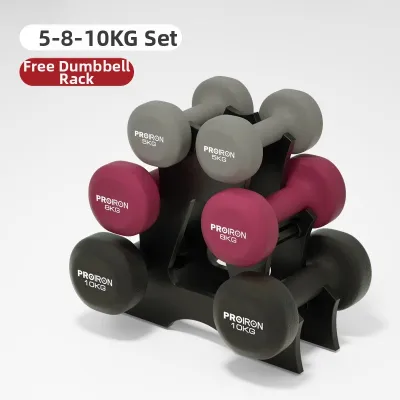
Prices are valid at publication and may change. Please refer to the product page for the latest price.

Fixed dumbbells, on the other hand, require significantly more physical space as your collection grows. To store a comprehensive set of fixed weights safely, you will need a horizontal or vertical multi-tier rack. A horizontal rack can easily take up several feet of floor space, which can crowd a small room and limit your movement during dynamic exercises. Vertical racks can save floor space, but they still require a permanent, dedicated area that cannot easily be tucked away when not in use.
Organization and safety are also key considerations when managing your home gym footprint. Leaving multiple pairs of fixed dumbbells scattered across the floor creates immediate tripping hazards, particularly in tight spaces or shared households with children and pets. Adjustable dumbbells keep all weight plates consolidated in their custom docking trays, minimizing clutter. However, you must ensure that the surface where you place the adjustable trays is completely flat and stable to prevent the plates from shifting or tipping over when you select your weight.
Budget and Long-Term Value: Comparing Upfront and Expansion Costs
Building a home gym requires a clear understanding of both immediate expenses and long-term value. When looking at the initial investment, a high-quality pair of adjustable dumbbells can seem expensive upfront. However, when you calculate the cost-per-kilogram across the entire weight range they replace, they often represent a highly cost-effective solution. A single adjustable pair can replace ten or more individual pairs of fixed dumbbells, saving you from purchasing multiple separate increments.
Fixed dumbbells require a different financial strategy. Buying just one or two pairs of fixed weights is relatively inexpensive, making them highly accessible for beginners who only need a specific weight for their current routine. The financial challenge arises as your strength increases and you need to progress to heavier loads. Purchasing new pairs of heavier fixed dumbbells over time can eventually exceed the total cost of a single premium adjustable set, especially when you factor in the cost of a sturdy storage rack to hold them all.
Durability and replacement costs also play a major role in long-term value. Fixed dumbbells are incredibly robust, often constructed from solid cast iron or steel encased in rubber or urethane. They have no moving parts, meaning they rarely break and can last a lifetime with minimal maintenance. If you happen to damage one, you only need to replace that specific pair. Adjustable dumbbells contain intricate dial, pin, or twist-lock mechanisms. If these internal components wear out or break after the warranty period, the entire unit may become unusable, potentially requiring a more expensive replacement of the whole system.
Workout Goals and Performance: Matching Weights to Your Routine
Your specific training style should heavily influence which weights dumbbell system you choose. If your workouts rely on training techniques like drop sets or fast-paced supersets, transition speed is paramount. Fixed dumbbells excel here; you can simply drop one pair and immediately grab another from the rack without pausing your momentum. Adjustable dumbbells, even those with rapid-dial designs, require you to return the handle to the cradle, select the new weight, and verify the lock is secure, which can disrupt the flow of high-intensity cardiovascular or hypertrophy training.
For heavy lifting and compound movements, stability and balance are critical for safety. Fixed dumbbells offer a completely solid, single-piece construction. There is no risk of plate rattle, shifting, or mechanical failure mid-lift. This solid feel provides excellent tactile feedback and balance, allowing you to focus entirely on your form during demanding exercises like heavy chest presses or rows. Some adjustable models can feel slightly loose or exhibit minor plate movement, which can be distracting or affect your balance when handling heavier loads.
Dynamic and explosive movements, such as dumbbell cleans, snatches, or overhead presses, also demand high durability. Fixed dumbbells are designed to withstand the rotational forces and minor impacts associated with these exercises. Adjustable dumbbells, with their delicate internal locking pins and plastic components, are not suited for high-impact or explosive movements where the weights might clash or experience sudden deceleration. Before performing dynamic training, you must assess whether your equipment is rated for those specific forces to prevent mechanical failure and potential injury.
Adjustable vs Fixed Dumbbells: Feature Comparison Matrix
| Feature | Adjustable Dumbbells | Fixed Dumbbells |
|---|---|---|
| Space Efficiency | Extremely high; replaces multiple pairs within a single footprint. | Low to moderate; requires a dedicated rack as the set expands. |
| Adjustment Speed | Moderate; requires docking and turning a dial, pin, or handle. | Instant; simply pick up a different pair from the rack. |
| Durability Checks | High maintenance; requires regular inspection of locking mechanisms. | Low maintenance; solid construction with no moving parts. |
| Ideal User Profile | Apartment dwellers, space-constrained lifters, progressive strength trainers. | High-intensity lifters, commercial-style home gyms, dynamic movement enthusiasts. |
How to Verify Dumbbell Quality Before You Buy
Before purchasing any weights dumbbell set for your home gym, it is essential to verify the build quality and safety features to ensure a secure training experience. Since you cannot always test products in person when ordering from an online marketplace, look for detailed specifications and user feedback regarding these key areas:
- Grip Texture and Handle Diameter: Inspect the knurling (the cross-hatch pattern on the metal handle). A medium, consistent knurling provides a secure grip without tearing your hands during heavy lifts. Ensure the handle diameter matches your hand size; standard diameters typically range from 28mm to 35mm.
- Locking Mechanism Integrity: For adjustable models, carefully examine the locking system. Whether it uses a dial, a selector pin, or a twisting handle, the mechanism must lock securely into place with a distinct, audible click. Avoid systems that feel loose, use thin plastic tabs for load-bearing parts, or show signs of sticking during transitions.
- Coating and Material Quality: For fixed models, check the outer protective layer. High-quality rubber or urethane coatings protect your floors and reduce noise, but lower-grade rubber can emit a strong, chemical odor that is difficult to clear from indoor spaces. Look for low-odor rubber or virgin urethane specifications.
- Plate Fit and Alignment: Ensure that the plates on adjustable models align perfectly when docked in their tray. Any misalignment can cause the plates to stick or jam, preventing smooth selection and increasing the risk of a plate slipping out during a workout.
Final Decision Framework: Choose Your Ideal Dumbbell Setup
To finalize your decision, match your personal training environment and habits to the following scenarios:
- Choose adjustable dumbbells if: You have limited floor space, train in a shared living area, want a wide range of weight options without cluttering your home, and perform traditional, controlled strength training movements.
- Choose fixed dumbbells if: You have a dedicated garage or spare room for a gym rack, prioritize rapid weight changes for drop sets, perform explosive or dynamic movements, and want maximum durability with zero mechanical parts to maintain.
- Verify first if: You have any pre-existing joint issues or specific grip preferences. Some adjustable dumbbells have longer overall lengths even at lighter weights, which can alter your lifting mechanics or limit your range of motion on certain exercises. Always verify the physical dimensions of the dumbbell handles and plates before making your final purchase.
Frequently Asked Questions (FAQ)
Can I drop adjustable dumbbells on the floor like fixed ones?
No, you should avoid dropping adjustable dumbbells under any circumstances. Unlike solid fixed dumbbells, adjustable models contain delicate internal components, selector pins, and alignment gears that can easily crack, bend, or misalign upon impact. Dropping them can damage the locking mechanism, making the weights unsafe to lift. Always lower your weights to the floor in a controlled manner, or use thick protective gym flooring mats to absorb minor contact.
How do I maintain the locking mechanism on adjustable dumbbells?
To maintain the locking mechanism, regularly wipe down the selector dials, plates, and handles with a dry microfiber cloth to remove dust, sweat, and debris. Avoid using wet cloths or harsh chemical cleaners that could cause rust or degrade plastic parts. Periodically perform a visual inspection to check for any loose screws, cracked plastic, or bent plates. If you notice any sticking, resistance, or failure to lock securely, stop using the dumbbells immediately and contact the manufacturer for guidance.
Community discussion
Share your experience or ask a question. Comments are reviewed before publication.