
Quick Answer: Choosing the Right Dumbbells for Your Home Gym
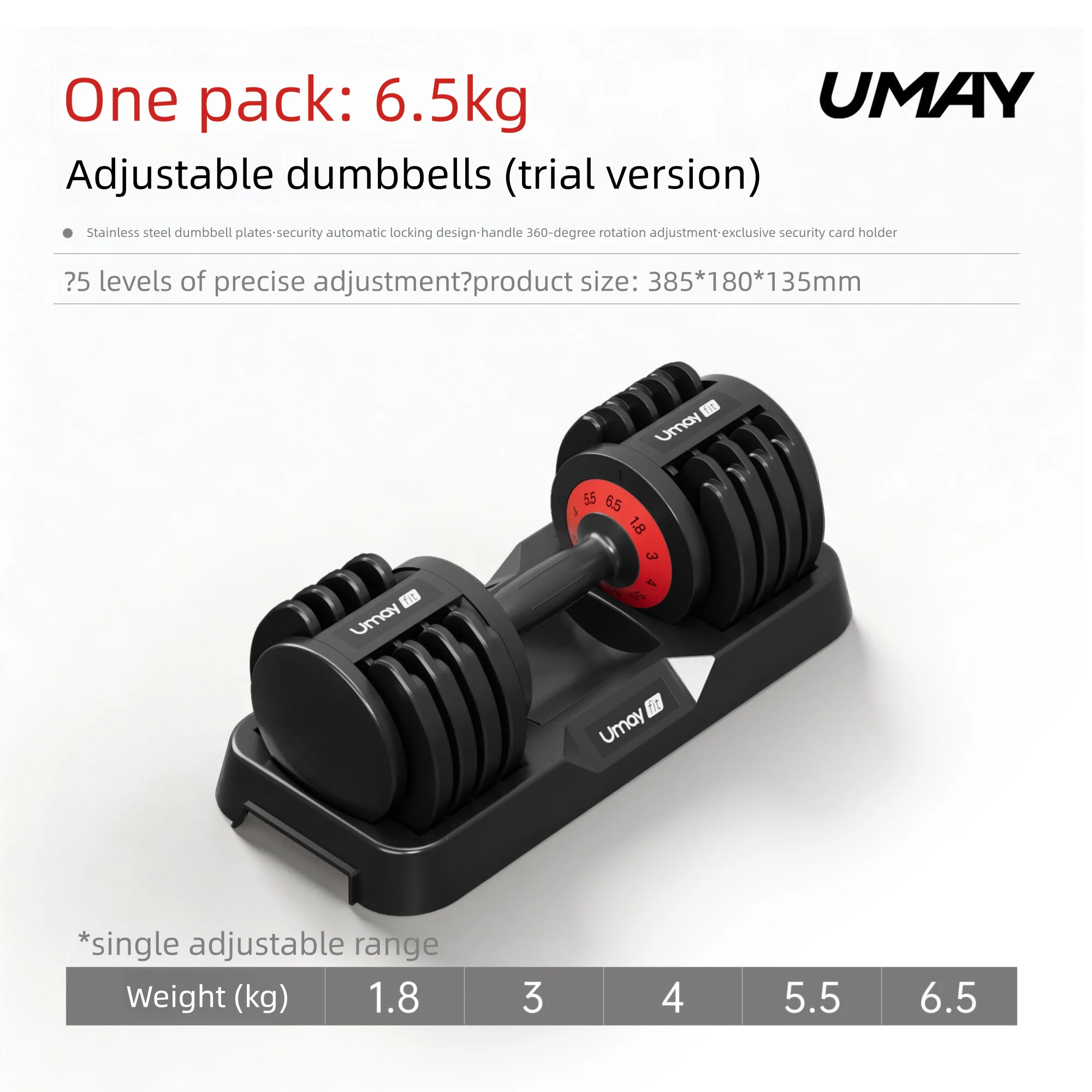
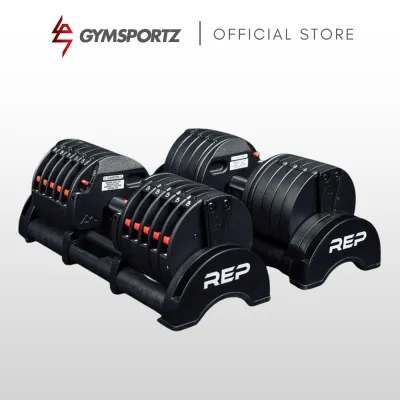
When building a home gym in Singapore, choosing the right dumbbells for men depends on a balance of available space, training style, and budget. For those living in high-density housing like Housing & Development Board (HDB) flats or condominiums where space is at a premium, adjustable dumbbells are almost always the superior choice. They consolidate an entire rack of weights into a single pair, allowing you to execute progressive overload training across a wide weight range without cluttering your living area.
Conversely, fixed dumbbells are the preferred option if you have a dedicated garage, a spacious landed home gym, or a spare room solely committed to fitness. They are highly recommended for lifters who focus on heavy powerlifting, rapid drop sets, or high-intensity functional training. Fixed dumbbells offer a traditional, balanced grip feel and are virtually indestructible, making them ideal for high-impact workouts where equipment might be dropped. Your decision should ultimately rest on whether you prioritize space-saving convenience or raw mechanical durability.
Space and Storage: Evaluating Your Home Gym Footprint
Physical footprint is often the single most critical factor for Singaporean home gym enthusiasts. A standard pair of adjustable dumbbells takes up an incredibly compact area, typically measuring around 45 centimeters in length and 25 centimeters in width per cradle. This means you can store an entire set of weights—ranging from 2 kilograms up to 24 kilograms or even 40 kilograms—on a small shelf, under a bed, or in the corner of a study. The visual clutter is kept to an absolute minimum, which is highly beneficial if your workout space doubles as a home office or living room.
Products mentioned in this guide
![[BULKY]Hex Dumbbell Rubber Coated Chrome Dumbbell / Home Gym / Indoor Gym/Fitness/Weights (Not Sold in pair)](https://img.lazcdn.com/g/p/9cecb653fdef1b69b19d212d76b0c30a.jpg_400x400q80.jpg_.webp)
Prices are valid at publication and may change. Please refer to the product page for the latest price.

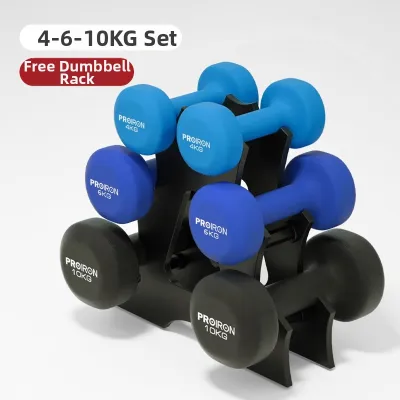
Fixed dumbbells present a completely different spatial challenge. To get a versatile workout that allows for progression, you will need multiple pairs of weights. A basic set ranging from 5 kilograms to 25 kilograms in 2.5-kilogram increments requires nine separate pairs of dumbbells. Storing these safely requires a multi-tier horizontal rack or an A-frame tree rack. A horizontal rack can easily span 1.2 to 1.5 meters in length and require up to 0.6 meters of depth. You must also account for the clearance space needed in front of the rack to safely lift and return heavy weights without straining your lower back.
Ceiling height and room layout also play a role when planning your layout. While a vertical A-frame rack saves floor space compared to a horizontal rack, it can feel imposing in smaller rooms and may limit where you can place other fitness equipment like a bench or a power tower. If you plan to move your workout setup between rooms or store it away when guests visit, transporting a single pair of adjustable dumbbells in their trays is highly manageable. Moving a heavy steel rack loaded with hundreds of kilograms of fixed iron weights is a permanent, two-person task that can easily scratch laminate or vinyl flooring if not handled with extreme care.
Training Goals: Matching Weights to Your Routine
Your specific training methodology dictates which dumbbell design will support your long-term athletic progression. If your primary goal is muscle hypertrophy or strength building through progressive overload, adjustable dumbbells are exceptionally efficient. Progressive overload requires you to make small, incremental increases in resistance over time to continually challenge your muscles. Many adjustable models allow you to adjust weight in small increments of 1 kilogram to 2.5 kilograms. This micro-loading capability is essential for upper-body movements like lateral raises, shoulder presses, and bicep curls, where jumping up by a standard 5-kilogram increment is often too difficult and can compromise your lifting form.
For lifters who prefer high-intensity training, circuit workouts, or classic bodybuilding drop sets, fixed dumbbells are vastly superior. A drop set involves performing an exercise to failure, then immediately dropping to a lighter weight to continue the set. With fixed dumbbells, this transition is instantaneous—you simply place one pair on the floor and grab the next. With adjustable dumbbells, you must return the handles to their alignment trays, manually turn the selection dials or adjust the pins, and then lift the handles back out. This process takes several seconds, which lowers your heart rate and reduces the constant muscular tension that drop sets are designed to exploit.
Ergonomic differences also significantly impact how exercises feel. Adjustable dumbbells have a fixed overall length because the central shaft must accommodate the maximum number of weight plates, regardless of whether you are lifting 5 kilograms or 30 kilograms. This elongated profile can make certain exercises awkward. During chest flyes or bicep curls, the outer ends of the dumbbells may collide before you reach a full range of motion. Fixed dumbbells scale down in physical size as they get lighter, providing a streamlined, natural feel that allows for unrestricted movement patterns.
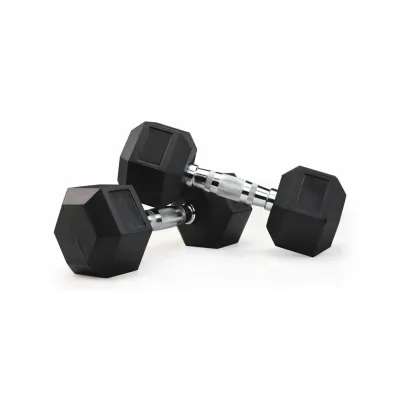
Exercise variety is another area where design limitations become apparent. Exercises like renegade rows—where you hold a plank position on top of the dumbbells and row one arm at a time—require a highly stable, flat-sided weight. Fixed hexagonal dumbbells provide a rock-solid, flat base that easily supports your body weight. Using adjustable dumbbells for renegade rows is highly discouraged, as the delicate dial mechanisms, plastic selector teeth, or rounded plates are not designed to bear concentrated downward body weight and can slip, break, or cause wrist injuries.
Budget and Value: Upfront Costs vs Long-Term Investment
Investing in home fitness equipment requires a clear understanding of upfront costs versus long-term utility. Adjustable dumbbells carry a high initial price tag. A premium pair of adjustable weights can cost anywhere from S$300 to over S$1,000 depending on the brand, weight capacity, and adjustment mechanism. While this initial outlay can feel substantial, it represents a highly consolidated purchase. You are essentially buying up to 15 different pairs of dumbbells in a single transaction, which represents excellent value on a “cost per kilogram” basis for beginners and intermediate lifters.
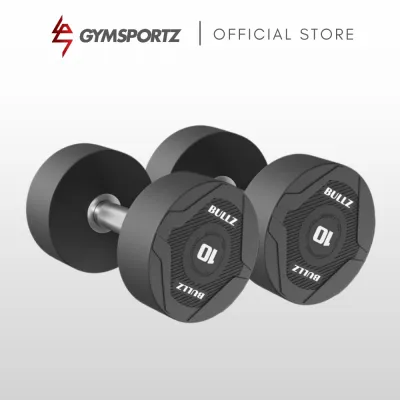
Fixed dumbbells appear much cheaper when purchased as individual pairs. A single pair of 10-kilogram rubber hex dumbbells might only cost S$50 to S$80. However, as your strength increases, you will quickly outgrow these weights and need to purchase heavier pairs. Buying individual pairs of 12.5kg, 15kg, 17.5kg, 20kg, and 25kg dumbbells will rapidly accumulate costs. When you add the price of a heavy-duty steel storage rack to keep your floor safe and organized, the total investment for a comprehensive fixed set can easily exceed S$1,500.
Before making a purchase on online marketplaces, always verify the warranty terms and return policies. Adjustable dumbbells are complex mechanical systems with multiple moving parts. If a selector dial jams, a plastic plate tooth chips, or an internal gear slips outside of the warranty period, the entire dumbbell may become unusable, forcing an expensive replacement. Fixed dumbbells, being solid pieces of metal or rubber, have virtually no points of mechanical failure. A high-quality fixed dumbbell will easily last a lifetime, making it a highly secure, one-time investment with excellent resale value on the local secondhand market.
Durability, Feel, and Maintenance
The physical construction of your weights determines how much care you must exercise during your workouts. Fixed dumbbells are built for rugged environments. They are typically constructed from solid cast iron, rubber-coated iron, or high-grade polyurethane (urethane). Urethane is highly durable, completely odorless, and highly resistant to scuffs and impact, though it sits at the top of the price scale. Rubber-coated hex dumbbells are a popular mid-range option that protects your floors from scratches and dampens noise, though cheap rubber can sometimes emit a strong chemical odor when new.
In Singapore’s hot and humid tropical climate, moisture and sweat can quickly cause rust on bare metal equipment. If you choose traditional cast iron fixed dumbbells, you must commit to regular maintenance, which includes wiping them down after sweaty workouts and occasionally applying a light coat of 3-in-1 oil to prevent oxidation. Rubber and urethane coatings provide an excellent barrier against humidity, making them much easier to maintain in non-air-conditioned home spaces.
Adjustable dumbbells require a completely different level of care. Because they rely on intricate internal gears, selector pins, or rotating handles to lock the weight plates in place, they are highly sensitive to physical shock. Dropping an adjustable dumbbell from even a short height can easily shatter the plastic dial housings, bend the steel selector shafts, or misalign the locking plates. Once the locking mechanism is compromised, the plates can slip out during a lift, posing a severe safety hazard to your face, chest, or feet.
To ensure your safety when using adjustable systems, always perform a quick pre-lift check. Before lifting the dumbbells out of their storage trays, visually inspect the dials or pins to ensure they are fully clicked and locked into their correct weight markings. If a plate feels loose or the handle does not slide out of the tray smoothly, do not force it. Clean any dust or debris out of the tray channels, as even small particles can prevent the plates from seating correctly and block the safety locks from engaging.
Final Decision Framework: Which Should You Buy?
To make your final decision, evaluate your home workout space and training habits against this structured checklist:
- Choose adjustable dumbbells if: You live in an HDB flat or apartment with limited floor space; you prioritize a clean, minimalist living environment; your training style focuses on steady, controlled progressive overload; and you want a wide variety of weight increments without spending thousands of dollars upfront.
- Choose fixed dumbbells if: You have a dedicated garage, outdoor patio, or spare room for a permanent gym setup; you frequently perform high-intensity workouts, rapid drop sets, or functional movements like renegade rows; you prefer the traditional, balanced feel of a solid steel handle; and you want equipment that can be dropped safely without risk of mechanical failure.
If you decide to go with a heavy set of fixed dumbbells, you must also verify your home’s structural limits. Standard HDB floor load capacities are engineered to support a uniform load of 150 kilograms per square meter. While a single person lifting weights is perfectly safe, placing a massive 3-tier rack loaded with 300 kilograms of fixed weights in the center of a room can create a highly concentrated load. To ensure absolute safety, always position heavy dumbbell racks flat against load-bearing walls or structural columns rather than in the middle of suspended floor slabs. Always purchase your weights from authorized local distributors to guarantee valid warranty coverage and reliable customer service.
Frequently Asked Questions (FAQ)
Are adjustable dumbbells safe for heavy bench pressing?
Yes, reputable adjustable dumbbells from established brands are thoroughly engineered and rated to handle heavy chest pressing. However, you must strictly adhere to the manufacturer’s safety guidelines. Never drop the weights at the end of a set, as the impact can damage the internal locking mechanisms and cause plates to slip during future lifts. For near-maximal bench presses, always ensure the selector dials are fully locked into place, and consider using a spotter or safety arms on a press rack to minimize risk.
Can I use standard fixed dumbbell racks for adjustable dumbbells?
No, standard fixed dumbbell racks are not compatible with adjustable dumbbells. Adjustable dumbbells require their proprietary base trays to hold the unused weight plates in perfect alignment so the selector mechanism can function safely. Placing an adjustable dumbbell on a standard sloped fixed rack can damage the plastic parts and cause plates to slide out of alignment. If you want to elevate your adjustable dumbbells off the floor, you should purchase a dedicated stand designed specifically by the manufacturer to hold your exact model’s trays.
Community discussion
Share your experience or ask a question. Comments are reviewed before publication.