
When building a home gym in a Singapore Housing & Development Board (HDB) flat, space is almost always your tightest constraint. If you are deciding between adjustable and fixed dumbbells, the short answer is that adjustable dumbbells save far more static floor space, condensing an entire rack of weights into a single pair that sits in a compact cradle. However, the ideal choice for your home gym is not determined by static footprint alone. You must also consider how you move during a workout, your storage options, and your training style.
Understanding the Physical Footprint of Each Dumbbell Type
Adjustable dumbbells are engineered specifically to solve the problem of limited space. A single pair of these dumbbells utilizes a dial, pin, or twist mechanism to select different weight increments, storing the unused plates in a custom-fitted tray or cradle. The physical footprint of this setup is remarkably small, typically requiring an area of only about 45 centimeters by 25 centimeters per dumbbell. However, you must account for the maximum length of the dumbbell when fully loaded. As you add weight, the selector rod or plate stack expands outward, which can make the dumbbell feel bulky during certain exercises like chest presses or bicep curls.
In contrast, fixed dumbbells require a separate physical pair for every single weight increment you need. If your training program requires five different weight settings, you will need to accommodate ten individual dumbbells. If you choose round-profile dumbbells, they present a rolling hazard on typical HDB laminate or vinyl flooring, which can lead to accidental damage or injury. Hexagonal-profile dumbbells are much safer because their flat edges prevent rolling, but they still demand significant floor space. Stacking them on top of each other without a rack is unstable and dangerous, while scattering them across the floor quickly consumes valuable living space.
Products mentioned in this guide
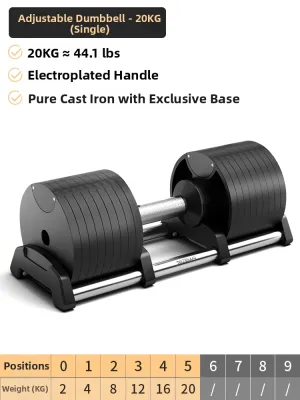
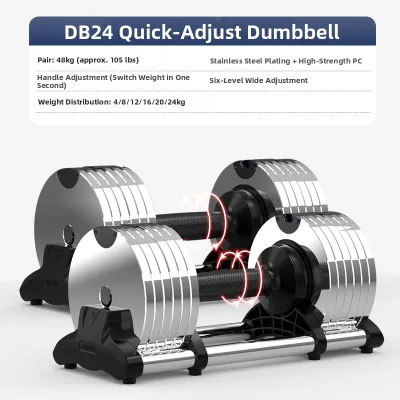
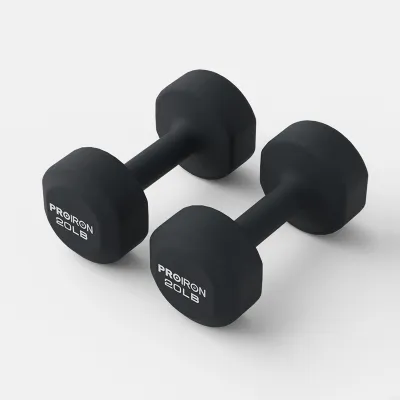
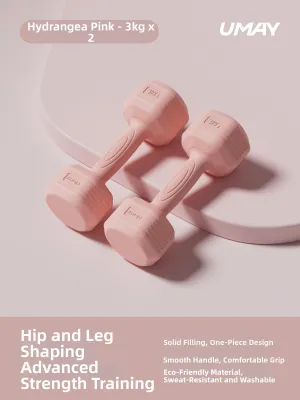
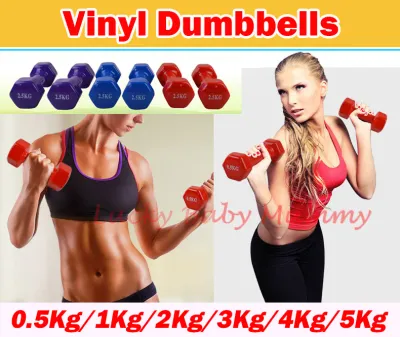
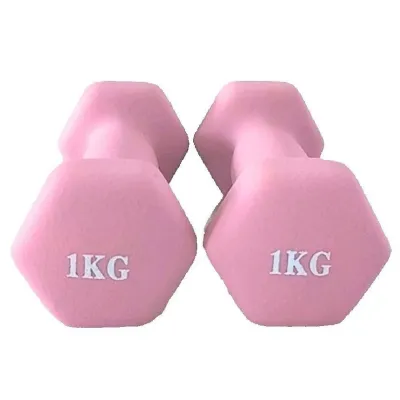
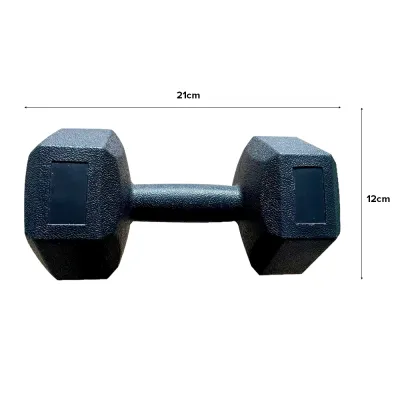
Prices are valid at publication and may change. Please refer to the product page for the latest price.
Before purchasing any equipment, it is essential to measure your intended workout and storage areas. Check the clearance under your bed, inside your utility closet, or in the corner of your living room. Compare these measurements directly against the manufacturer’s specified dimensions for both the dumbbells and their storage trays. Remember to factor in the extra space you need to physically lift the dumbbells out of their cradles or off a rack, as a tight fit can make retrieving heavy weights awkward and unsafe.
Comparing Workout Flow and Floor Space Management
The way you use space during an active workout is just as important as where you store your equipment afterward. Adjustable dumbbells require you to return the handle to the cradle and adjust a dial or pin to change weights. This process takes a few seconds, which is perfectly fine for traditional strength training where you rest between sets. However, if your routine involves fast-paced conditioning, supersets, or drop sets, this transition time can disrupt your momentum. You must also ensure the cradle is placed on a completely flat, stable surface, as any tilt can prevent the plates from aligning correctly, making it difficult to secure the weight.

Fixed dumbbells offer unmatched speed when transitioning between exercises. You simply drop one pair and pick up another. This seamless flow is ideal for high-intensity interval training (HIIT) or rapid circuit workouts. However, this convenience comes with a major spatial trade-off during the workout itself. As you progress through a session, you are likely to leave multiple pairs of dumbbells lying on the floor. In a compact HDB bedroom or living room, this accumulation of heavy metal creates a hazardous obstacle course, increasing the risk of stubbed toes or tripped steps.
To manage your floor space effectively, align your dumbbell choice with your primary training style. If your workouts focus on slow, progressive overload where you gradually increase weight over several weeks, the minor delay of an adjustable mechanism is a negligible drawback. If your training relies on rapid, high-heart-rate circuits where every second counts, a small, curated set of fixed dumbbells may be more practical, provided you have a dedicated zone to place them safely between sets.
Practical Storage Solutions for HDB Layouts
Storing fitness equipment in an HDB flat requires a balance between accessibility and home aesthetics. Adjustable dumbbells are highly versatile for concealed storage because of their self-contained design. You can easily slide their cradles under a bed frame, place them on the bottom shelf of a sturdy utility closet, or store them inside a low-profile sideboard in the living room. Some fitness enthusiasts use heavy-duty rolling utility carts to move their adjustable dumbbells from a storage closet directly to their workout spot, keeping the living area completely clear when the workout is over.
Fixed dumbbells require more structured, vertical storage solutions to keep them organized without taking over the room. A vertical A-frame rack is the most space-efficient option for fixed weights, as it stacks the dumbbells vertically rather than horizontally. However, you must ensure the rack’s footprint fits your designated corner and that you can safely lift the heaviest weights from the top or bottom slots without straining your back. Wall-mounted hooks are generally not recommended for heavy dumbbells in HDB flats, as standard partition walls or even concrete walls require specialized heavy-duty anchors that may not safely support concentrated, dynamic loads.
Regardless of the dumbbell type you choose, protecting your home’s flooring is a critical priority. Dropping a heavy dumbbell on HDB ceramic tiles can easily crack them, while dragging weights across laminate or vinyl flooring can cause deep scratches. Always place high-density rubber tiles or thick EVA foam mats over your workout area. These mats distribute the weight of the dumbbells, absorb impact energy, and reduce the transmission of noise and vibration to your neighbors living downstairs—a crucial consideration for harmonious high-rise living.
Evaluating Cost and Long-Term Value for Compact Setups
When evaluating the financial aspect of your home gym, you must weigh the upfront cost against the long-term spatial and functional value. A high-quality pair of adjustable dumbbells represents a significant initial investment. However, when you calculate the cost of purchasing ten to fifteen individual pairs of fixed dumbbells to match the same weight range, the adjustable set often emerges as the more cost-effective solution. Furthermore, the “space tax” of dedicating several square meters of your home to a large dumbbell rack can be costly in a compact flat where space is at a premium.
If your budget is limited, a targeted fixed dumbbell strategy can be a highly practical alternative. Instead of buying a complete run of weights, you can purchase only two or three specific pairs that match your current strength levels for your primary exercises. For example, a lighter pair for lateral raises and shoulder presses, and a heavier pair for squats and rows. This approach keeps your initial S$ expenditure low and minimizes physical clutter. As your strength progresses, you can sell your lighter weights on local online marketplaces and purchase heavier ones, keeping your home gym lean and functional.
Before making a purchase, carefully review the manufacturer’s warranty, the quality of the build materials, and the availability of replacement parts. Adjustable dumbbells have moving parts that can wear out over time, so choosing a reputable brand with a solid warranty is essential. Fixed dumbbells, being solid metal or rubber-coated iron, are virtually indestructible and can last a lifetime, which may justify their space requirements if you value absolute durability and simplicity.
Decision Framework: Which Dumbbell Type Fits Your Space?
To finalize your decision, evaluate your home gym setup against this clear, condition-based framework. Your choice should align with your physical space, your training goals, and your lifestyle preferences.
Choose adjustable dumbbells if:
- Your workout area is extremely limited, such as a small bedroom or a shared living room corner.
- You practice progressive overload and require a wide range of weight increments to challenge different muscle groups.
- You prefer a clean, minimalist home aesthetic where all workout gear can be quickly hidden away after use.
Choose fixed dumbbells if:
- Your training style relies on rapid weight transitions, supersets, or high-intensity circuit training.
- You have a dedicated workout space where a vertical A-frame rack can remain permanently set up.
- You only need a few specific weight increments for your routine and do not plan to constantly increase your lifting weights.
- You want highly durable, low-maintenance equipment that can withstand being dropped or handled roughly.
Before making your final selection, always verify the maximum weight capacity and physical dimensions of your shortlisted models. Ensure the handle grip matches your hand size and that the locking mechanism feels secure. Equipment cannot replace proper training and form, so choose the tool that best supports your consistency and safety.
Frequently Asked Questions (FAQ)
Can I store dumbbells on an HDB balcony or common corridor?
Storing dumbbells on an open HDB balcony exposes them to Singapore’s high humidity, rain, and salt air, which can rapidly accelerate rust and degrade rubber coatings or mechanical parts. If you must use the balcony, ensure the area is well-sheltered, use protective covers, and regularly apply rust-inhibiting lubricants to any moving parts. Storing dumbbells or any fitness equipment in the common corridor is highly discouraged and often prohibited by Town Council regulations. Corridors must remain completely clear to ensure safe evacuation routes during emergencies and to prevent tripping hazards for your neighbors.
Do adjustable dumbbells require more maintenance than fixed ones?
Yes, adjustable dumbbells require more careful maintenance and handling than fixed dumbbells. While fixed cast-iron or rubber-coated dumbbells are solid and can withstand heavy impacts, adjustable models contain intricate internal gears, pins, and selector dials. Dropping an adjustable dumbbell can easily misalign or break these mechanical components, rendering the entire unit unusable. To ensure longevity, always place adjustable dumbbells back into their cradles gently, keep the selector mechanisms free from dust and sweat by wiping them down after each workout, and avoid using them for exercises where the weights might clash together.
Community discussion
Share your experience or ask a question. Comments are reviewed before publication.