
Selecting the correct weight for adult boxing gloves depends primarily on your training goals: speed and technique drills require lighter gloves (10oz to 12oz), while safe sparring demands heavier gloves (14oz to 16oz) to protect your partner. If you are looking for a single, versatile pair to cover both bag work and light partner drills, a 12oz or 14oz glove serves as the ideal middle ground. Finding the right balance ensures you protect your hands from chronic injuries while maximizing your performance in the gym.
Whether you are training in a commercial gym, a specialized combat sports club in Singapore, or setting up a heavy bag at home, understanding how glove weights correspond to different activities is essential. Using the wrong weight can lead to joint strain, poor habits, or even being barred from sparring sessions due to safety regulations.
Understanding "Oz": Padding, Protection, and Speed
In the boxing world, “oz” stands for ounces, which is the standard unit of measurement for glove weight. This number does not refer to the physical size of the hand compartment, but rather to the weight of the protective padding layered over the knuckles. A higher ounce rating means more foam is packed into the glove to absorb impact.
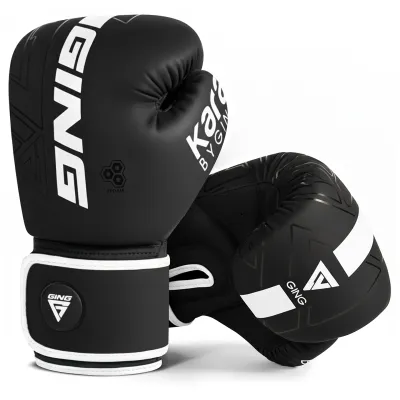
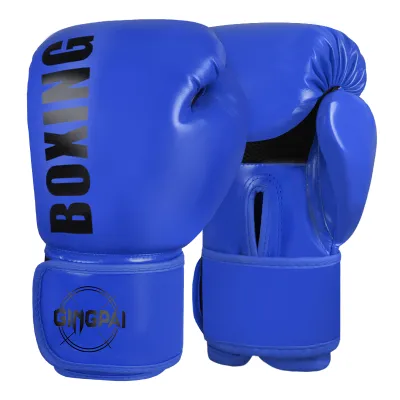
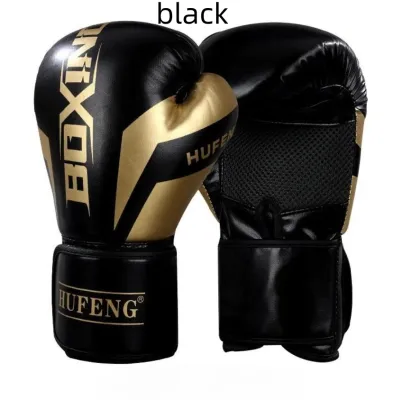
Products mentioned in this guide
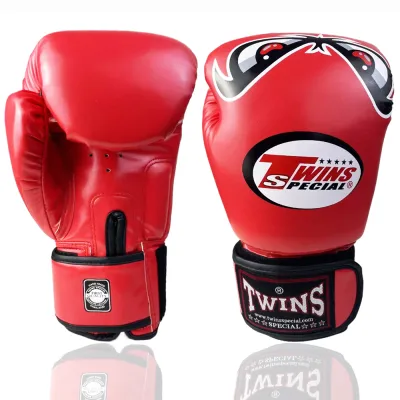
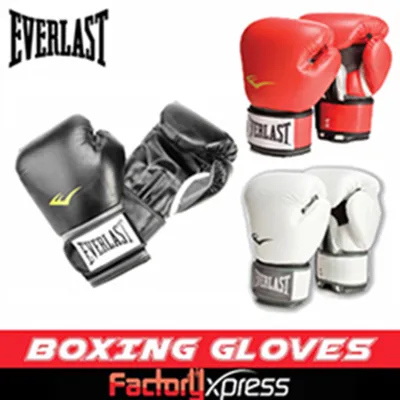
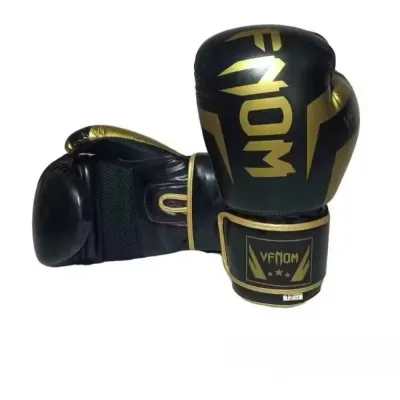
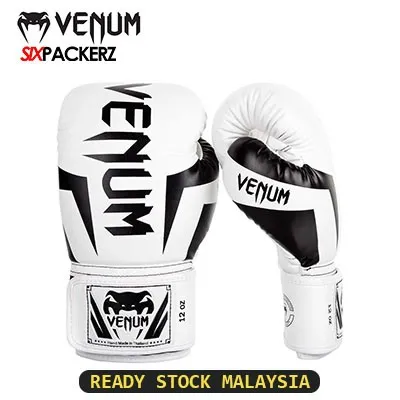
![[SG Stock] Fairtex BGV16 Khaki Muay Thai Boxing MMA Glove](https://img.lazcdn.com/g/p/ea8ad8a8b5787600f5987969785867b1.jpg_400x400q80.jpg_.webp)
Prices are valid at publication and may change. Please refer to the product page for the latest price.
Choosing a glove weight involves a direct trade-off between protection and speed. Lighter gloves, such as 8oz or 10oz models, feature thinner padding. This allows you to throw punches with maximum speed and receive immediate sensory feedback on your knuckle alignment. However, this speed comes at the cost of shock absorption, making lighter gloves less forgiving on your joints when striking heavy targets.
Conversely, heavier gloves containing 14oz to 18oz of padding offer superior protection for your wrists, knuckles, and sparring partners. The extra mass slows your hands down slightly, which acts as excellent resistance training for your shoulders. Over time, training with heavier gloves builds the muscular endurance needed to keep your hands high during long rounds.
It is a common misconception among beginners that a larger ounce rating automatically means a larger internal fit. While some brands scale their hand compartments slightly with weight, the internal cavity is generally designed around standard adult hand sizes. A heavy glove simply has a thicker protective profile on the outside.
Best Glove Weights for Heavy Bag and Pad Work
Striking a heavy bag requires a glove that can withstand high-velocity impact against a dense, unyielding surface. For most adults, a glove weight between 10oz and 14oz is ideal for bag work. This range provides a balanced mix of hand protection and feedback, allowing you to refine your punching technique without bruising your knuckles.

Using a 10oz or 12oz glove on the heavy bag is excellent for speed work and sharp combinations. The lighter weight lets you focus on the snap of your punch and monitor your wrist alignment. However, if you are working with a particularly dense or hard heavy bag, stepping up to a 14oz glove provides the extra cushion needed to prevent the foam from bottoming out against the target.
For pad work with a coach using focus mitts, 10oz to 12oz gloves are the industry standard. Because focus mitts are designed to move quickly to test your reflexes, lighter gloves help you match that speed. They also reduce the physical strain on your coach or pad holder, as lighter gloves transfer less heavy momentum during rapid-fire combinations.
When shopping for bag and pad gloves, pay attention to the foam density. Dedicated bag gloves are manufactured with dense, firm, injection-molded foam designed to maintain its shape over thousands of high-impact repetitions. This firm foam is highly durable but is specifically engineered for inanimate targets, not for striking another person.
Choosing the Right Weight for Safe Sparring
Sparring is the closest simulation of a real fight, but its primary purpose is skill development, not injury. To ensure collective safety, the baseline standard for adult sparring gloves is 14oz to 16oz. If you weigh over 80kg, you should default to 16oz or even 18oz gloves to safely manage the force of your punches.
Heavier gloves protect your sparring partner by dispersing the kinetic energy of your punches over a wider surface area. The thick, pillowy padding decelerates the impact, which significantly reduces the risk of superficial cuts, deep bruising, and concussions. Sparring with light gloves is highly dangerous and shows a lack of respect for your training partners.
Most reputable combat sports gyms in Singapore strictly enforce a minimum 16oz rule for any live sparring sessions. Coaches will routinely inspect your gear before letting you enter the ring. Investing in a dedicated pair of 16oz sparring gloves is a non-negotiable step if you plan to advance beyond basic pad work.
Beyond weight, sparring gloves differ fundamentally from bag gloves in their foam composition. They utilize softer, multi-layered foam designed to compress easily upon impact, cushioning the blow for your opponent. Because of this soft construction, you should never use your sparring gloves on the heavy bag, as the dense bag material will quickly degrade the soft foam, ruining their protective qualities.
Competition Glove Weights and Regulations
When it comes to official matches, glove weights are strictly standardized and regulated by governing athletic commissions or sanctioning bodies. These regulations ensure a fair and level playing field for both competitors. In most adult competitions, fighters wear either 8oz or 10oz gloves, depending on their weight class.
Amateur boxing regulations prioritize athlete safety, often mandating 10oz gloves for lower weight classes and 12oz gloves for heavier divisions, sometimes paired with mandatory headgear. In professional bouts, the rules are more aggressive: fighters in weight classes up to welterweight typically wear 8oz gloves, while heavier classes wear 10oz gloves.
Competition gloves are designed for maximum impact and speed. They feature highly compact profiles with minimal padding, often utilizing traditional materials like compressed horsehair or specialized high-density foam. This design allows punches to land with maximum force, offering very little protection to the recipient.
Because of their minimalist construction, competition gloves are entirely unsuitable for daily training. Using them for heavy bag work will rapidly lead to hand fatigue and joint injuries, while using them for sparring is extremely hazardous to your partner. They should be reserved exclusively for official matches or occasional pre-fight preparation drills under professional supervision.
Adjusting Your Choice for Body Weight and Hand Size
While training purpose is the primary factor, your physical build must also influence your choice of boxing gloves adult models. Heavier individuals naturally generate far more kinetic energy and momentum behind every punch. If you weigh over 85kg, standard padding will compress completely under your power, meaning you need to scale up your glove weight across all activities.
For larger adults, a 14oz glove should be the minimum for heavy bag work to prevent joint damage, while an 18oz glove is highly recommended for sparring. Conversely, lighter adults weighing under 60kg can safely use 10oz gloves for bag work and 14oz gloves for sparring, as their natural impact force is lower.
Finding the right fit also requires understanding the relationship between glove weight and hand size. If you have large hands or long fingers, you may find that the internal compartment of a 10oz or 12oz glove is uncomfortably tight, causing knuckle cramping. In such cases, sizing up to a 14oz or 16oz glove can provide the necessary internal volume for a comfortable fit.
In Singapore’s hot and humid tropical climate, hand wraps are not just essential for wrist stability; they also absorb sweat to protect the interior of your gloves from moisture damage. When trying on new gloves, always wear your standard hand wraps. A glove that feels perfectly snug bare-handed will often feel painfully tight once your hands are properly wrapped.
Frequently Asked Questions (FAQ)
Can I use 16oz gloves for heavy bag work?
Yes, you can safely use 16oz gloves for heavy bag work. Doing so provides maximum protection for your knuckles and wrists, making it an excellent choice if you are recovering from a hand injury or working on a very hard bag. It also serves as a great conditioning tool to build shoulder endurance, though it will limit your maximum punch speed.
Do heavier boxing gloves make you punch harder?
No, heavier gloves do not increase your punching power. The extra padding actually absorbs and dampens the force of your impact, reducing the energy transferred to the target. However, training with heavier gloves acts as resistance training, making your hands feel incredibly fast and light when you eventually switch to lighter gloves.
What size gloves should a beginner adult buy first?
If you are buying your very first pair of gloves, a 12oz or 14oz glove is the most versatile option. This middle-ground weight provides sufficient padding to protect your hands during heavy bag and pad work, while remaining light enough to help you learn proper punching mechanics without causing premature shoulder fatigue.
Community discussion
Share your experience or ask a question. Comments are reviewed before publication.