
Choosing the right ankle sock compressor depends entirely on whether you are resting after a hard run or seeking stability on the road. While recovery socks focus on gentle, graduated pressure to ease muscle fatigue and manage mild swelling during rest, injury support socks prioritize structural reinforcement to stabilize vulnerable joints during active movement. Selecting the wrong type can lead to inadequate support during a run or uncomfortable restriction during recovery.
Identifying Your Primary Need: Recovery vs. Joint Support
To make an informed decision, you must first distinguish between the physiological demands of recovery and the mechanical demands of joint stabilization. Recovery garments assist your body’s natural healing processes after exercise. When you run, micro-tears form in your muscles, and fluid can pool in your lower extremities. A recovery-focused ankle sock compressor applies gentle, external pressure to manage post-exertion swelling and promote efficient circulation while your body is at rest.
In contrast, active support garments address the mechanical vulnerabilities of the ankle joint during high-impact movement. When navigating uneven pavements, park trails, or sudden turns, a weak or previously injured ankle is susceptible to excessive rolling. Support socks use structural elements to reinforce the joint, providing sensory feedback that helps you maintain proper alignment and limiting extreme ranges of motion that could lead to re-injury.
Products mentioned in this guide
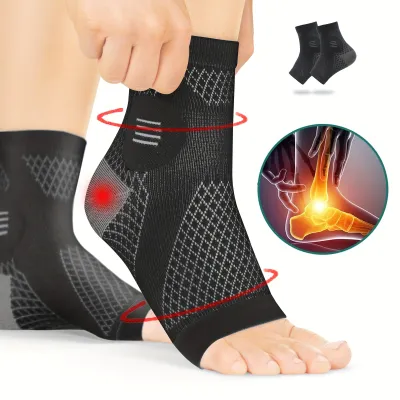
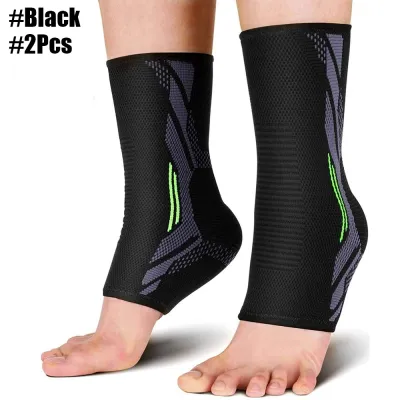
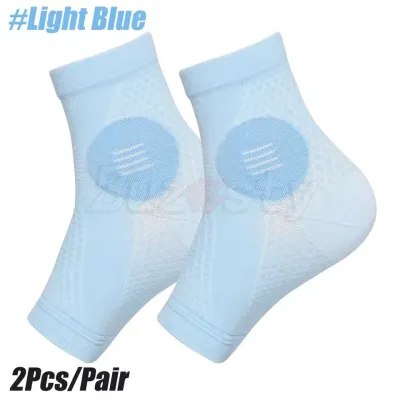
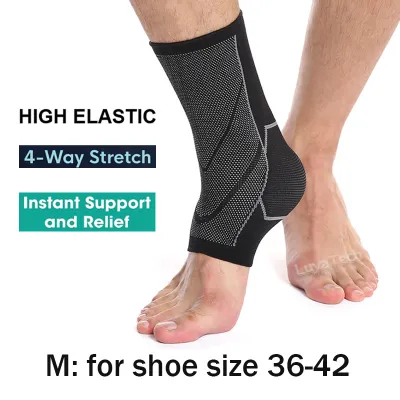
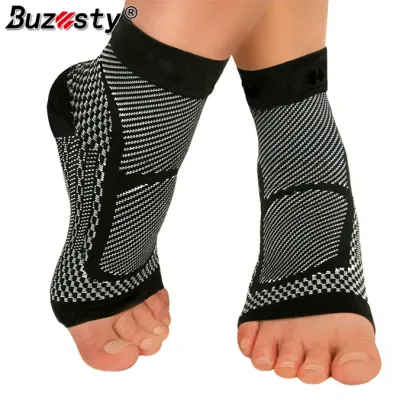
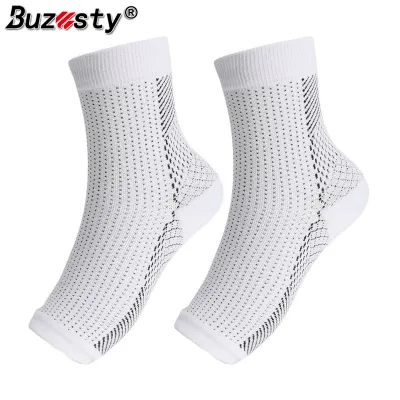
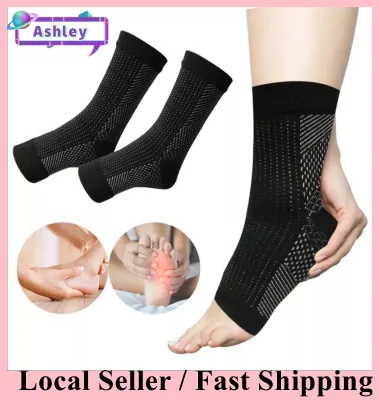
![[SG FREE ] 1 Pair Compression Arch Support Brace with Gel Ankle Protector Compression Flat Foot Socks with Gel Inserts](https://img.lazcdn.com/g/p/be2c8cc4d7a6cd66a82dfac9cc1f33ee.jpg_400x400q80.jpg_.webp)
Prices are valid at publication and may change. Please refer to the product page for the latest price.
Before purchasing, evaluate your current physical condition and training goals. Use the following self-assessment checklist to determine which category fits your immediate needs:
- Post-Run Fatigue: If your ankles feel tired, heavy, or slightly puffy after long runs, but you experience no sharp pain or instability during movement, prioritize a recovery sock.
- Active Instability: If you feel your ankle "giving way" on uneven surfaces, or if you are returning to running after a mild sprain, look for an active support sock.
- Training Phase: Runners in high-volume training blocks often benefit from recovery socks to manage daily fatigue, while those recovering from acute injuries require structured support.
Selecting an Ankle Sock Compressor for Running Recovery
When selecting an ankle sock compressor specifically for post-run recovery, material composition is your primary consideration. Because you will wear these socks for extended periods while resting, the fabric must offer exceptional breathability and moisture management. Look for synthetic blends containing nylon, polyester, and elastane, or natural performance fibers like merino wool, which help regulate temperature and keep your skin dry.

The texture of the fabric should be soft and non-abrasive against skin that may already be sensitive from a long workout. Avoid socks with thick, rigid seams, particularly around the toes and heel, as these can press into the skin during prolonged wear and cause irritation. A seamless toe construction is highly recommended for maximum comfort during rest.
The defining design feature of a recovery sock is a graduated compression profile. This means the pressure is greatest at the foot and ankle, gradually decreasing as the sock moves up the leg. This gradient helps prevent blood and fluid from pooling in your lower extremities. When shopping, verify that the product packaging explicitly states “graduated compression” rather than uniform compression, which can restrict blood flow when you are sedentary.
To maximize the benefits of your recovery socks, apply them shortly after completing your run and cool-down routine. Ensure your skin is clean and dry before putting them on. Monitor your comfort closely; while the sock should feel snug and supportive, it should never cause throbbing, coldness in your toes, or skin discoloration. Always follow the manufacturer’s recommended wear times, especially when using them during periods of prolonged inactivity.
Choosing Ankle Support Socks for Injury Prevention and Stability
Active support socks require a completely different design philosophy, focusing on structural reinforcement to protect the ankle joint during dynamic movement. Unlike recovery socks, which are uniform in their exterior texture, support socks feature visible structural elements. Look for designs that incorporate reinforced heel cups, targeted anatomical padding, and integrated elastic bands or straps that mimic the taping techniques used by sports physiotherapists.
These structural features work by providing targeted compression to the lateral and medial sides of the ankle. This localized pressure helps restrict excessive inversion (inward rolling) and eversion (outward rolling) of the foot without compromising the overall circulation of your foot. The goal is to enhance proprioception—your body’s awareness of its position in space—which allows you to react more quickly to slips or uneven terrain.
When choosing an active support sock, you must also consider how it interacts with your running shoes. The added thickness of reinforced heel cups, padded zones, or integrated straps can significantly alter how your shoe fits. A sock that is too bulky can crowd your toes, alter your natural stride, or create friction points that lead to painful blisters.
To ensure compatibility, try on the support socks with the specific running shoes you plan to wear. You may need to loosen your shoe laces slightly or, in some cases, adjust your shoe size if you require highly structured, thick support sleeves. If the sock causes your heel to slip out of the shoe cup during a test walk, the combination may not be suitable for active running.
Verifying Fit, Sizing, and Compression Specifications
An ankle sock compressor can only perform effectively if it fits your specific anatomy. Choosing a size based solely on your standard shoe size is a common mistake that often results in incorrect compression levels. Because compression is determined by the tension of the fabric over a specific circumference, you must measure your ankle and lower calf accurately before purchasing.
Use a flexible measuring tape to measure the narrowest part of your ankle, just above the ankle bone, and the widest part of your calf. Compare these measurements directly against the manufacturer’s specific sizing chart. If your measurements fall between two sizes, consider the intended use: choose the larger size for a gentler fit suitable for recovery, or the smaller size if you require firmer, active support, provided it does not exceed the manufacturer’s safety limits.
When evaluating products in a specialty sports store or on an online marketplace, read the product labels carefully to verify the technical specifications. Look for the material composition percentages and the stated compression level, which is typically measured in millimeters of mercury (mmHg). Mild compression (under 15 mmHg) is generally suitable for light recovery, while moderate compression (15 to 20 mmHg) is common for active sports support. Avoid products that do not clearly state their compression levels or material breakdown.
Once you receive your socks, perform a test wear at home before heading out for a run or settling in for a long recovery session. Pay close attention to physical signs of an improper fit. If you experience numbness, tingling, cold toes, or deep red marks that persist long after removing the socks, the fit is too tight. Conversely, if the sock slips down your ankle, bunches up around the arch, or feels loose, it will not provide the necessary compression or stability.
Safety Limits and When to Seek Professional Evaluation
While an ankle sock compressor is a valuable tool for managing fatigue and mild instability, it is not a substitute for professional medical care or proper physical training. Using compression gear to mask pain so you can continue running on an injured joint can lead to chronic damage and prolonged recovery times. You must recognize the physical limits of your equipment and prioritize your long-term joint health.
Stop using compression socks immediately and remove them if you experience any red flags during wear. These include rapidly increasing pain, visible skin discoloration (such as turning blue or pale), numbness, tingling, or a cold sensation in your feet. These symptoms indicate that the compression is restricting your arterial blood flow or compressing a nerve, which requires immediate attention.
Understand that compression socks cannot repair structural damage within the ankle joint. If you have suffered a severe ligament sprain, a tendon tear, or a micro-fracture, a fabric sock cannot provide the mechanical immobilization required for proper healing. Attempting to run through these injuries with only a compression sock can worsen the structural misalignment.
If you experience persistent ankle pain, swelling that does not subside after rest, or a feeling of chronic instability, seek a professional evaluation from a qualified physiotherapist or sports medicine specialist. A professional can diagnose the root cause of your discomfort, prescribe targeted strengthening exercises, and advise you on whether a compression sock, a rigid brace, or a specific rehabilitation protocol is the safest path back to running.
Frequently Asked Questions (FAQ)
Can I use the same ankle sock compressor for both recovery and injury support?
Using a single product for both recovery and active injury support involves significant functional trade-offs. Recovery socks require flexibility and soft, breathable fabrics to remain comfortable during hours of rest, whereas active support socks rely on rigid, targeted structures to stabilize the joint during high-impact movement. Wearing a highly structured support sock while resting can feel overly restrictive, while a soft recovery sock will not provide enough stability on a run. Always check the manufacturer’s label to verify the intended use cases before attempting dual-use.
Should I wear ankle compression socks while sleeping for recovery?
Wearing active compression garments while sleeping is generally not recommended unless specifically directed by a healthcare professional. When you are lying down, your cardiovascular system does not have to work against gravity to return blood from your lower limbs, reducing the need for external compression. Prolonged immobility combined with active compression can restrict circulation and lead to skin irritation. To ensure your safety, verify the overnight usage guidelines on the product packaging or consult a medical professional.
Community discussion
Share your experience or ask a question. Comments are reviewed before publication.