
Quick Answer: Which Shin Guard Type is Right for You?
Choosing the right football ball guard is not a matter of finding a universally superior design, but rather matching the equipment to your playing style, position, and personal comfort. Neither the ankle shin guard nor the slip-in shin guard is inherently better; instead, each serves a distinct type of player on the pitch.
You should choose ankle guards if you are buying gear for youth players who need extra physical coverage, or if you play in highly physical amateur leagues where stray tackles and low kicks are common. The integrated ankle padding provides a physical barrier against direct knocks to the lower leg bones.
Conversely, you should opt for slip-in guards if you are an experienced player who prioritizes lightweight mobility, rapid acceleration, and a close feel for the ball. These guards require a sleeve or tape to stay in place, offering a streamlined profile that fits easily into modern, tight-fitting boots. Before making any purchase, always verify your specific league, school, or club equipment regulations, as some competitive associations mandate specific types of protective gear.
Products mentioned in this guide
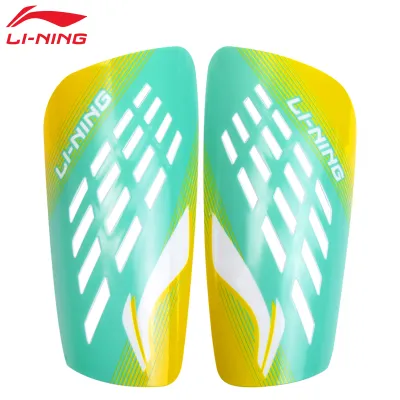
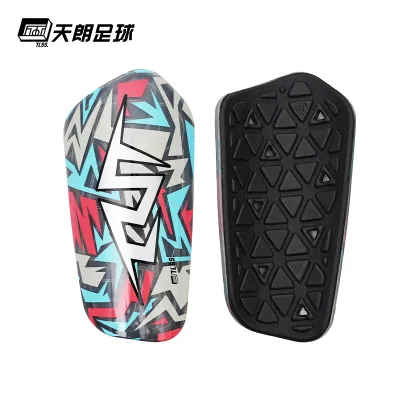
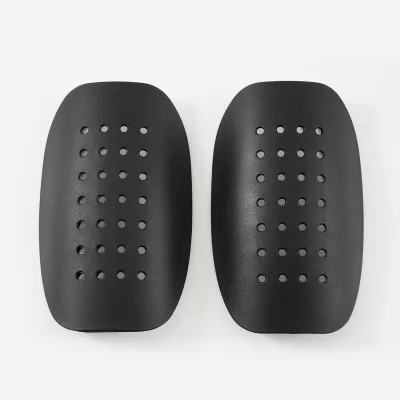
Prices are valid at publication and may change. Please refer to the product page for the latest price.
Core Differences Between Ankle and Slip-In Designs
To make an informed decision, it is essential to understand the structural and functional differences between these two primary styles of protective gear. While players often search for a “ball guard” when looking for lower-leg protection, the industry standard terms are ankle shin guards and slip-in shin guards.

Ankle shin guards are characterized by their comprehensive, multi-part construction. They feature a hard protective plate for the shin, which is permanently attached to a fabric stirrup that slips under the foot. This stirrup includes padded cups positioned on either side of the ankle joint to shield the delicate malleolus bones from lateral impacts. A thick elastic strap at the top of the guard wraps around the calf to secure the unit in place, eliminating the need for additional sleeves or adhesive tape.
Slip-in shin guards, by contrast, represent a minimalist approach to protection. They consist solely of a curved protective plate, usually backed with a layer of shock-absorbing foam. Because they lack built-in straps, stirrups, or ankle cups, they must be held in place by external means. Players typically slide them inside compression sleeves, specialized pocketed socks, or secure them directly to the leg using athletic tape or dedicated silicone guard stays. This design results in a highly streamlined profile that sits flush against the shin.
Protection and Impact Absorption Compared
When evaluating protection, it is vital to distinguish between shin coverage and ankle coverage. Both designs are capable of protecting the tibia (shin bone) from direct impacts, provided they are sized correctly and positioned according to the manufacturer’s instructions. The hard outer shell of both types disperses the force of a high-velocity impact across a wider surface area, while the inner foam backing dampens the vibration felt by the bone.
The primary protective advantage of ankle guards lies in their physical barrier around the lower ankle joint. During a match, players frequently experience low, mistimed tackles where an opponent’s studs slide down toward the boot. The padded ankle cups on an ankle guard absorb these direct, low-level impacts, protecting the sensitive lateral and medial bones from painful bruising and superficial cuts.
However, players must understand the physical limitations of this equipment. No shin guard, regardless of design or price, can prevent major structural injuries such as bone fractures or ligament tears caused by severe twisting forces. The protection offered is highly conditional on a precise fit. If a guard is too small, it leaves large areas of the lower leg exposed; if it is too large, it will shift during play, leaving critical zones unprotected.
To ensure you are getting a reliable level of protection, always perform a physical verification step before buying. Look for recognized safety standard labels, such as the CE marking or local equivalent certifications, printed directly on the guard or its packaging. These labels verify that the product has undergone standardized impact testing to ensure a baseline level of force reduction.
Comfort, Mobility, and Boot Compatibility
The trade-off for the enhanced physical coverage of ankle guards is a noticeable increase in weight and bulk. The stirrup, ankle padding, and thick elastic straps add volume around the lower leg and ankle joint. This extra material can restrict the natural range of motion of the ankle, making quick lateral cuts and delicate footwork feel slightly more restricted.
This bulk also creates compatibility issues with modern football boots. Many contemporary boots are designed with tight, sock-like collars or narrow synthetic uppers that fit snugly around the foot. Fitting the thick stirrup and ankle cups of an ankle guard inside these boots can be incredibly difficult. It often leads to severe pressure points, chafing, and blisters around the heel and ankle, forcing players to loosen their laces or size up their boots, which compromises their connection to the ball.
Slip-in guards offer unparalleled mobility and a lightweight feel. Because they sit flat against the shin and do not extend past the ankle joint, they allow the ankle to flex and rotate without any physical interference. This minimalist design integrates seamlessly with tight-fitting, modern boots, preserving the natural feel of the ball on your foot.
Hygiene and maintenance also differ significantly between the two styles, which is a crucial consideration in warm, humid climates like Singapore. Slip-in guards are highly hygienic because the plastic plates can be easily wiped down with a damp cloth, and the separate compression sleeves can be tossed directly into the washing machine after every match. Ankle guards, with their integrated fabric stirrups and permanent foam padding, are much harder to clean. They tend to absorb sweat, dirt, and moisture, taking a long time to dry and often developing persistent odors if not dried thoroughly in a well-ventilated space.
How to Choose the Right Guard for Your Playing Style
Selecting the ideal ball guard requires balancing your personal safety needs against your performance preferences. Use the following structured framework to determine which design aligns with your specific situation on the pitch.
Choose Ankle Guards if:
- You are buying for youth players: Younger players are still developing their spatial awareness and coordination, making accidental kicks to the ankles highly common during chaotic scrambles for the ball.
- You are recovering from minor ankle knocks: If you have recently suffered superficial bruising around the ankle bones and want a physical shield to prevent painful re-injury from stray studs.
- You play in highly physical, lower-tier amateur leagues: In matches where tackles are less controlled and pitches may be uneven, the extra physical barrier provides peace of mind.
Choose Slip-In Guards if:
- You are an experienced or competitive player: If your game relies on rapid acceleration, agility, and precise ball control where every gram of weight matters.
- You wear modern, tight-fitting boots: If your boots feature a mid-cut collar or a narrow synthetic upper that cannot comfortably accommodate extra material under the heel.
- You prefer a customizable setup: If you like using cohesive compression sleeves, cohesive bandages, or guard stays to position the plate exactly where you want it on your shin.
Verification and Sizing Checklist:
- Check league rules first: Before purchasing, verify if your local school sports council, youth league, or amateur association has strict rules mandating ankle protection or banning certain strap materials.
- Measure your shin length: Do not rely on generic age or height brackets. Use a flexible measuring tape to measure your shin from about two inches below your kneecap down to the bend of your ankle.
- Consult brand-specific charts: Compare your measurement directly to the manufacturer's sizing chart. The guard should cover approximately 50% to 60% of your shin bone for an optimal balance of protection and mobility.
- Test boot integration: When trying on new guards, always wear the exact socks, grip socks, and football boots you plan to use during matches to check for any painful pressure points or sliding.
Frequently Asked Questions (FAQ)
Do professional footballers wear ankle or slip-in shin guards?
The vast majority of professional football players wear slip-in shin guards. Elite athletes prioritize maximum mobility, minimal weight, and an unobstructed feel for the ball, which slip-in designs provide. Many professionals even use highly customized, ultra-thin carbon fiber plates molded specifically to the contours of their shins. If a professional player requires extra ankle support due to a past injury, they typically rely on medical-grade athletic tape, cohesive bandages, or specialized ankle braces applied directly to the skin under their socks, rather than using a bulky retail ankle guard.
How should a football shin guard fit?
A football shin guard must fit snugly against the natural curve of your shin bone without shifting during intense movement. The top of the guard should sit approximately two inches below your kneecap to prevent it from pinching when you bend your knee or sprint. The bottom of the guard should end just above the ankle joint, allowing your foot to flex fully upward without pushing the guard upward. When secured with a sleeve, tape, or straps, the guard must remain firmly in place during running, jumping, and kicking; if it slides down or rotates around your calf, it is either sized incorrectly or lacks proper retention.
Community discussion
Share your experience or ask a question. Comments are reviewed before publication.