
The choice between ankle weights and weighted leg bands depends entirely on your specific workout routine, movement patterns, and comfort preferences. While both add resistance to lower-body exercises, their distinct designs dictate how they perform during different activities. Ankle weights excel at isolated, slow, and linear movements like leg lifts or physical therapy exercises where resistance is concentrated at the furthest point of the limb. Weighted leg bands, which typically wrap around the thighs or calves as wide compression sleeves, distribute weight more evenly and stay secure during dynamic, multi-directional movements like squats, lunges, or lateral walks. Selecting the right format requires matching their structural designs to your fitness goals, joint health, and comfort requirements.
Core Design Differences: Straps vs. Compression Bands
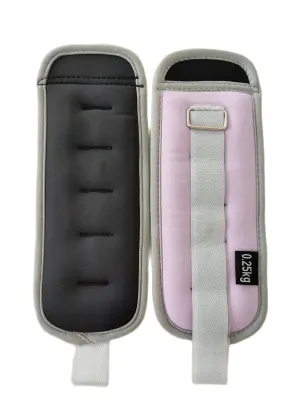
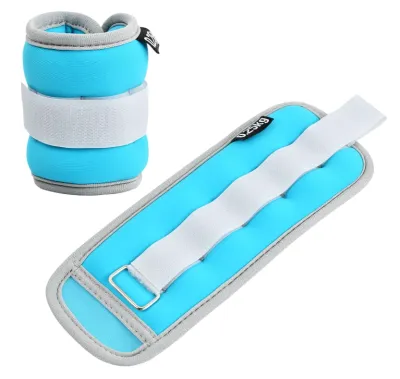
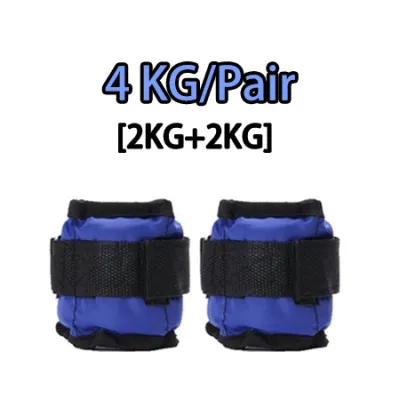
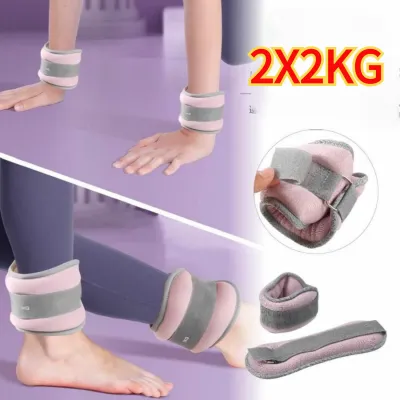
Traditional ankle weights feature a strap-and-pad design that wraps directly around the lower leg, just above the ankle joint. These products typically use thick padding filled with sand, iron filings, or removable metal weights, secured by hook-and-loop straps. This design concentrates the resistance at the very end of your leg, which maximizes leverage during leg raises but can create a noticeable pulling sensation on the ankle joint.
In contrast, weighted leg bands resemble wide compression sleeves or elastic bands with integrated, low-profile weights. Instead of concentrating the load in one bulky spot, they distribute the weight across a broader surface area of the thigh or calf. This sleeve-like construction relies on elastic tension and silicone grip strips to stay in place, rather than a single adjustable strap.
Products mentioned in this guide
![🇸🇬 [READY STOCK] MMB Stralo Adjustable Ankle Weights for Women and Men 0.5 -2.5kg Modularized Leg Weight Straps for Yoga Walking Running Aerobics Gym](https://img.lazcdn.com/g/p/d12b3b5b79d304b5d610a817f2b9cd16.jpg_400x400q80.jpg_.webp)
![🇸🇬 [In Stock]Womens Pilates wrist and ankle weights wearable arm and leg weights (1 lb each) for yoga dance Pilates cardio and walking](https://img.lazcdn.com/g/p/9e694d05bf87bf697057b0fbf4ed73e3.jpg_400x400q80.jpg_.webp)
Prices are valid at publication and may change. Please refer to the product page for the latest price.
The adjustment mechanisms also differ significantly between the two styles. Ankle weights offer highly adjustable fitment via long hook-and-loop straps, allowing them to fit various ankle sizes, though they can sometimes shift or slide during rapid movements. Weighted leg bands rely on a snug, compression fit, meaning you must select the correct size from the manufacturer’s sizing chart before purchasing, as they offer limited physical adjustment once worn.
Matching Leg Weights to Your Workout Routine
Your choice of leg weights should align directly with the specific exercises you perform to ensure safety and proper form. Ankle weights are highly suited for low-impact, linear movements where the leg moves in a single plane. Exercises such as straight leg raises, donkey kicks, and standing side leg lifts benefit from the concentrated resistance at the ankle, which challenges the target muscles through leverage. They are also frequently utilized in controlled physical therapy routines to rebuild strength after injury.

For dynamic, multi-planar movements, weighted leg bands are generally more compatible. If your routine includes squats, lunges, lateral band walks, or agility drills, the secure compression fit of leg bands prevents the weights from shifting or banging against your shins. Because the weight is distributed closer to your center of gravity, especially when worn on the thighs, it reduces the rotational force on your knee and hip joints during sudden changes of direction.
Regardless of the style you choose, it is essential to verify the manufacturer’s guidelines regarding maximum movement speeds and joint stress. Using heavy ankle weights during high-impact cardio, running, or rapid kicking exercises can place excessive strain on your joints and connective tissues. For fast-paced workouts, lighter resistance or alternative training tools are often recommended to maintain proper biomechanics.
Comfort, Fit, and Friction During Movement
Wearability and skin comfort are critical factors, especially during high-sweat sessions in warm climates like Singapore. Strap-based ankle weights can sometimes create friction points where the edges of the straps or the heavy padding rub against the skin or socks. During repetitive motions like walking, this friction can lead to chafing or skin irritation if the weights are not fastened tightly enough to prevent sliding.
Weighted leg bands, made from moisture-wicking fabrics and neoprene blends, offer a different tactile experience. The compressive force distributes pressure evenly, reducing localized friction points. However, because they cover a larger surface area of the thigh or calf, they can feel warmer during intense workouts. Checking product labels for breathable materials and integrated silicone grips can help ensure the bands stay in place without slipping down when you sweat.
To prevent issues like restricted circulation or slipping, careful sizing is necessary. When trying on ankle weights, ensure the padding cushions the ankle bone fully and the strap secures firmly without pinching. For weighted leg bands, measure your thigh or calf circumference accurately according to the manufacturer’s sizing guide, as a band that is too tight can restrict blood flow, while a loose band will slide down during movement.
Decision Framework: Which Format Fits Your Goals?
To finalize your choice, consider your primary training style and physical needs. You should choose traditional ankle weights if your routine focuses on isolated leg lifts, floor-based glute workouts, controlled walking, or targeted rehabilitation exercises where you need adjustable resistance levels. They are highly effective when you want to maximize muscle engagement through leverage during slow, deliberate movements.
On the other hand, weighted leg bands are the more suitable choice if your priority is functional strength, glute activation during standing exercises, and unrestricted multi-directional movement. They are ideal for active workouts, circuit training, and exercises where bulky ankle cuffs would interfere with your stride or form.
However, neither format may be appropriate if you currently experience joint discomfort or have a history of lower-limb injuries. Adding external resistance to the extremities increases the load on your knees, hips, and ankles. If you experience any joint pain during use, stop the exercise immediately and consult a qualified physical therapist or medical professional before continuing to use leg weights.
Essential Specifications to Check Before Purchase
Before purchasing any weights for legs on an online marketplace or at a local sporting goods store, check the product specifications carefully. Look for the maximum weight capacity and determine whether the resistance is fixed or adjustable. Some ankle weights allow you to add or remove individual weight packets, which offers greater versatility as your strength progresses, whereas leg bands often feature a fixed weight.
Examine the durability of the closures and the quality of the construction. For ankle weights, look for reinforced stitching around the strap attachments and heavy-duty hook-and-loop fasteners. For weighted leg bands, verify the presence of interior silicone grip strips to prevent slipping, and check that the fabric has sufficient elastane or spandex content to retain its shape over time.
Finally, review the washing and care instructions on the product label. Because these items absorb sweat, they require regular cleaning to maintain hygiene. Some models feature removable weight inserts, allowing you to hand-wash or machine-wash the fabric sleeve easily, while others can only be wiped down with a damp cloth.
Frequently Asked Questions (FAQ)
Can I use ankle weights and weighted leg bands together?
Using both ankle weights and weighted leg bands simultaneously is generally not recommended because it significantly increases the load on your lower-body joints. This compounding resistance can alter your natural gait, accelerate muscle fatigue, and increase the risk of strain or injury. If you feel you need more resistance, it is safer to gradually increase the weight of a single format or consult a fitness professional to adjust your training program.
Are leg weights safe for people with knee or joint issues?
Leg weights, particularly ankle weights, increase the leverage and rotational force exerted on the knee and hip joints because the load is positioned far from the center of the body. For individuals with pre-existing joint issues, arthritis, or ligament sensitivity, this added stress can exacerbate pain or inflammation. Leg weights do not replace professional medical advice, and anyone with joint concerns should obtain clearance from a healthcare provider before incorporating them into a routine.
Community discussion
Share your experience or ask a question. Comments are reviewed before publication.