
Standard paracord stoppers are not safe for any load-bearing or life-safety applications in climbing, such as anchors, belay systems, or fall protection. These small plastic or metal toggles are designed strictly as accessory hardware for non-structural adjustments, such as tightening a chalk bag or securing a backpack hood. Using them to support human weight or absorb the dynamic shock of a fall poses a severe risk of catastrophic failure, as they lack the engineering, materials, and certifications required to handle climbing forces.
When preparing for a climb, every piece of equipment in your system must be matched to its specific purpose. Mistaking an accessory item for a structural component is a critical error that can lead to gear failure and severe injury. Understanding the physical limits of these small components, the strict safety standards governing climbing gear, and the appropriate ways to use cord locks on the crag is essential for maintaining safety in vertical environments.
Climbing safety relies on a chain of highly engineered components, where each link must be capable of holding extreme loads. A single unrated component, no matter how small or solid it appears, compromises the integrity of the entire system. By learning to distinguish between structural gear and simple convenience accessories, you can make informed decisions that protect yourself and your climbing partners on the wall.
Products mentioned in this guide
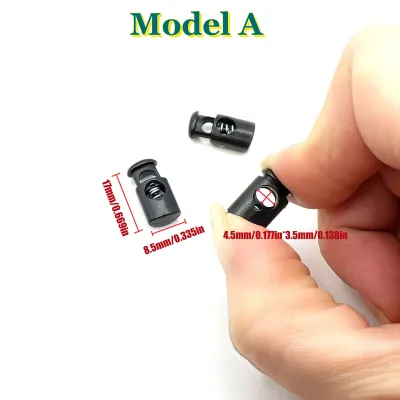
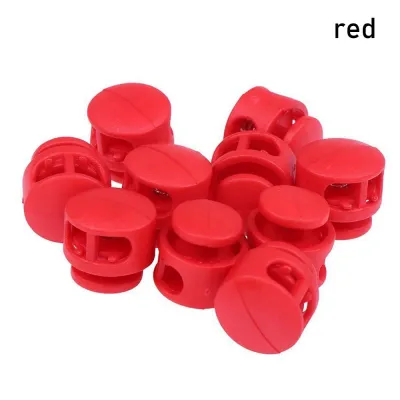
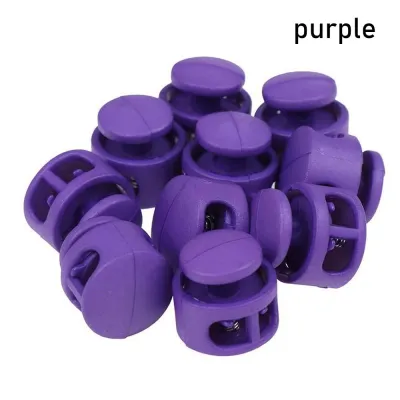
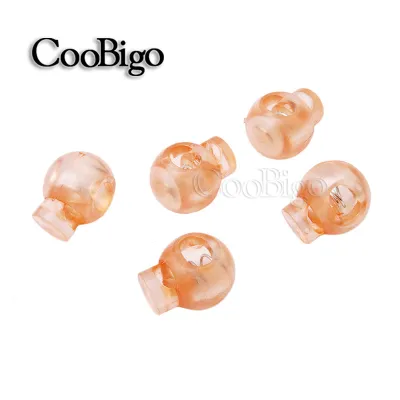
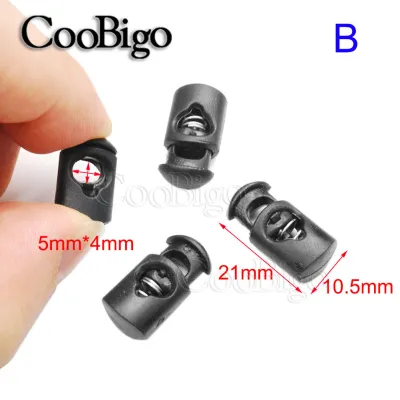
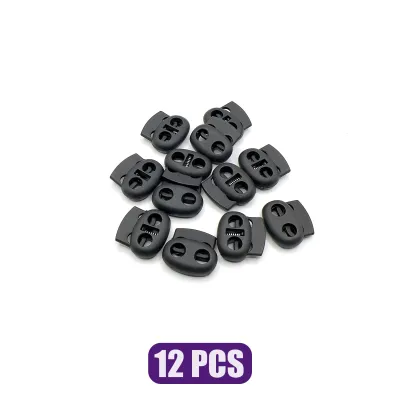
Prices are valid at publication and may change. Please refer to the product page for the latest price.
The Critical Difference: Load-Bearing vs. Non-Load-Bearing Gear
Climbing equipment is divided into two distinct categories: life-safety gear and accessory gear. Life-safety gear includes ropes, harnesses, carabiners, slings, and protection devices designed to hold human weight and arrest falls. These items undergo rigorous testing to ensure they can withstand the massive dynamic forces generated during a climbing fall. Accessory gear, on the other hand, is intended solely for convenience, organization, and non-structural tasks where failure does not result in injury or equipment loss.
Standard paracord stoppers, often referred to as cord locks, fall squarely into the accessory category. They are typically made of lightweight molded plastic or unrated cast metal, housing a small internal spring that pinches a cord to hold it in place. This mechanism is designed to resist light manual tension, such as the pull of a drawstring on a jacket, rather than the sudden, violent force of a falling climber.
When a climber falls, the energy generated is dynamic, meaning the force spikes rapidly as the rope stretches to catch the load. This dynamic shock load can easily exceed several kilonewtons of force. Standard cord locks are not engineered to absorb or distribute this energy. Under a dynamic load, the plastic housing of a stopper will instantly shatter, or the internal spring will compress and allow the cord to slip through completely unchecked.
The materials used in certified climbing gear are chosen for their high strength-to-weight ratios and resistance to sudden impacts. Carabiners and belay devices are typically constructed from aircraft-grade aluminum or stainless steel, which undergo precise heat treatment. In contrast, generic paracord stoppers are often manufactured from cheap plastics like polyoxymethylene (POM) or acrylonitrile butadiene styrene (ABS), which are brittle and prone to sudden fracturing under stress.
Substituting generic accessory hardware for certified climbing protection is a dangerous practice. Even if a paracord stopper feels sturdy or is made of metal, it lacks the structural integrity required for climbing systems. Using unrated hardware in an anchor, belay setup, or personal tether system bypasses the safety margins that keep climbers safe, turning a controlled sport into a high-risk gamble.
Safe and Practical Uses for Paracord Stoppers on the Crag
While paracord stoppers have no place in your safety chain, they remain highly useful tools for gear management and convenience around the crag. Using them correctly allows you to keep your equipment organized and accessible without compromising your safety. The key is to ensure that any system utilizing a cord lock is completely independent of your load-bearing setup.

One of the most common applications for cord locks is gear organization. You can use them to bundle spare slings, keep rope tails neatly coiled, or group quickdraws together in your gear duffel during transit. This keeps your pack tidy and prevents tangles, allowing you to locate and deploy your actual climbing gear more efficiently when you reach the base of the route.
Paracord stoppers are also ideal for adjusting personal items and apparel. They are standard features on chalk bag drawstrings, backpack compression straps, and hood toggles. You can also use them to customize the fit of approach shoe laces or secure the excess webbing on helmet chin straps. In these scenarios, the failure of the stopper would result in nothing more than a loose strap or a spilled chalk bag, presenting no physical danger.
Additionally, you can create custom non-structural tie-offs using paracord and stoppers. These are useful for securing lightweight items to the outside of your haul bag, hanging a camp lantern from a tent loop, or keeping a water bottle attached to a harness gear loop. As long as the item being secured is light and its loss would not create a safety hazard for you or climbers below, a simple cord lock is an efficient and adjustable solution.
Replacing a broken plastic toggle on your backpack with a high-quality paracord stopper costs only a few S$ but can save your expensive pack from becoming unusable on the trail. This simple repair keeps your gear functional and secure during long approaches. By keeping a few spare stoppers in your repair kit, you can easily fix minor gear issues at the campsite or the base of the cliff.
How to Verify Load Ratings and Climbing Safety Certifications
To ensure your climbing gear is safe for structural use, you must know how to identify genuine load-bearing hardware. Genuinely certified climbing equipment undergoes standardized testing to prove it can handle the extreme forces of climbing. The most reliable way to verify this is by looking for specific certification markings on the gear itself or within its official documentation.
The Union Internationale des Associations d’Alpinisme (UIAA) and the European Committee for Standardization (CEN) establish the safety standards for climbing equipment. Look for the UIAA logo or the CE mark followed by a four-digit number (such as CE 0123) stamped directly onto the hardware. These markings indicate that the product has been tested and certified to meet strict international safety requirements for mountaineering and climbing.
In addition to certification marks, structural climbing hardware will feature an explicit load rating engraved on the body of the device. This rating is typically expressed in kilonewtons (kN), where 1 kN represents approximately 100 kilograms of static force. For carabiners and other connectors, you will see ratings for the major axis, minor axis, and open-gate positions. If a device does not have these specific kN markings, it is not rated for life-safety applications.
You should never rely on generic terms like “working load limit” (WLL), “tactical grade,” or unverified descriptions on online marketplaces as proof of safety. Many non-climbing hardware items are marketed with high weight capacities, but these ratings are often static and do not account for the dynamic forces of a fall. Furthermore, material thickness or a heavy metal construction alone does not guarantee strength; without official UIAA or CE certification, the item must be treated as unrated accessory hardware.
Reputable climbing manufacturers always provide detailed technical manuals and specification sheets with their load-bearing gear. These documents outline the correct usage, strength ratings, and limitations of the equipment. If you are unsure about the safety of a specific component, consult the manufacturer’s official website to verify its certifications before incorporating it into your climbing system.
Failure Risks and Inspection Checks for Cord Locks
Because paracord stoppers are often exposed to harsh outdoor environments, they are susceptible to rapid degradation. Understanding the physical limitations of these components and performing regular inspections is crucial to prevent them from failing when you need them most. Even in non-structural roles, a broken stopper can lead to lost gear or unnecessary distractions on the wall.
Environmental exposure is the primary cause of cord lock failure. Ultraviolet (UV) radiation from the sun breaks down plastic polymers over time, making the housing brittle and prone to cracking under minimal pressure. Moisture and dirt can also penetrate the internal chamber, causing the steel spring to rust, lose its tension, or seize entirely. This reduces the stopper’s grip, allowing cords to slip through unexpectedly.
Temperature extremes also play a significant role in material degradation. Leaving your gear in a hot car trunk during the summer or exposing it to freezing temperatures on alpine climbs can weaken plastic components. These temperature fluctuations accelerate the aging process of the plastic, making it far more likely to shatter when squeezed or bumped against hard rock surfaces.
Another common risk is rope slippage caused by a mismatch between the cord diameter and the stopper’s internal channel. If the paracord is too thin for the stopper, the spring tension will not be sufficient to hold it securely. Conversely, if the cord is too thick, it can jam the mechanism or prevent the spring from engaging fully. Always test the grip of the stopper on your specific cord before heading out to the crag.
To maintain your accessory gear, establish a simple inspection routine before each climbing trip. Check all plastic stoppers for visible cracks, discoloration, or warping caused by heat or UV exposure. Press the plunger several times to ensure the internal spring operates smoothly and returns to its original position without sticking. If a cord lock is cracked, stiff, or fails to hold the cord securely under a light manual pull, retire it immediately and replace it to avoid gear loss.
Frequently Asked Questions (FAQ)
Can I use a metal paracord stopper for climbing anchors?
No, you must never use a metal paracord stopper in a climbing anchor or any other part of your safety chain. While metal is generally stronger than plastic, an uncertified metal cord lock is still designed solely as an accessory toggle. It lacks the engineering, structural reinforcement, and testing required to withstand the high forces of a climbing fall. Using unrated metal hardware in an anchor system can lead to sudden, catastrophic failure of the entire anchor. Always use certified climbing carabiners, rings, or rigging plates that carry official UIAA or CE certifications and explicit kilonewton ratings.
What is the typical breaking strength of standard 550 paracord?
Standard 550 paracord has a rated static tensile strength of 550 pounds, which is approximately 2.4 kilonewtons. However, this static rating is determined under ideal laboratory conditions and does not translate to the dynamic forces encountered during a climbing fall. Furthermore, paracord is highly elastic and not designed to absorb dynamic energy in a way that protects a climber. Most importantly, the paracord stopper itself is the weakest link in any such setup; standard cord locks will slip or break at forces far below the breaking strength of the cord, making the entire assembly unsafe for supporting human weight.
Community discussion
Share your experience or ask a question. Comments are reviewed before publication.