
Stepper machines are generally compact enough for HDB flats, but their noise level can quickly become an issue for downstairs neighbors if left unmanaged. While the airborne sound of the machine itself is usually moderate, the repetitive downward force of stepping creates low-frequency vibrations that travel easily through concrete floors. Fortunately, by understanding how this sound travels and taking specific dampening measures, you can maintain a consistent home cardio routine without causing friction with your neighbors.
Identifying Noise Sources in Stepper Machines
To address the noise, you must first identify where it originates. Stepper machines produce sound through several distinct mechanisms, and each requires a different approach to resolve.
Hydraulic resistance systems, common in mini steppers, rely on fluid-filled cylinders. As you step, the fluid is forced through internal valves, which often creates a distinct hissing sound. Over time, as the cylinders heat up or the seals wear, this can transition into a high-pitched squeak.
Products mentioned in this guide

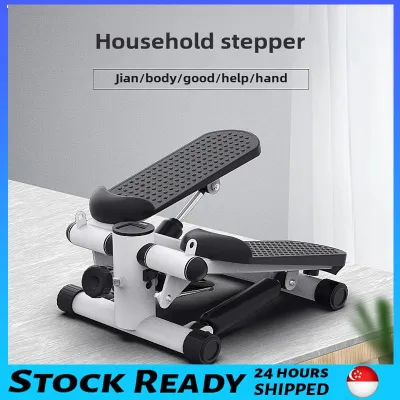
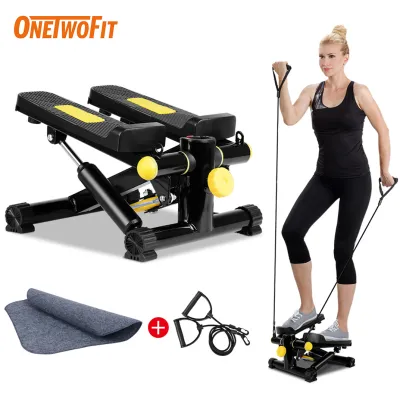
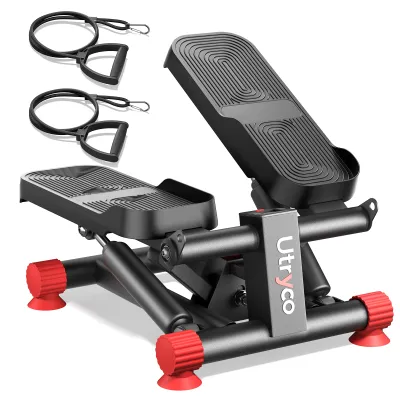
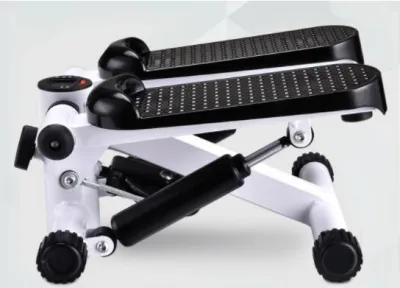
![[SG Ready Stock]Aerobic Stepper Cardio Fitness Home Gym Exercise Step Block Board Height Adjustable Aerobic stepper](https://img.lazcdn.com/g/p/76d7f485d6ea394df23063eb50313bc4.jpg_400x400q80.jpg_.webp)
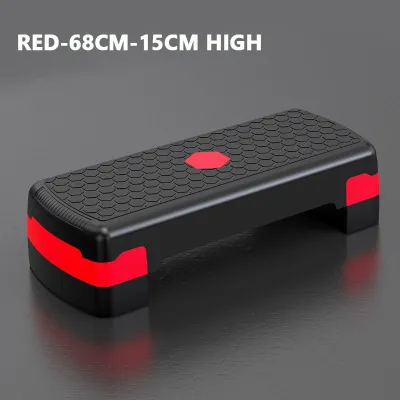
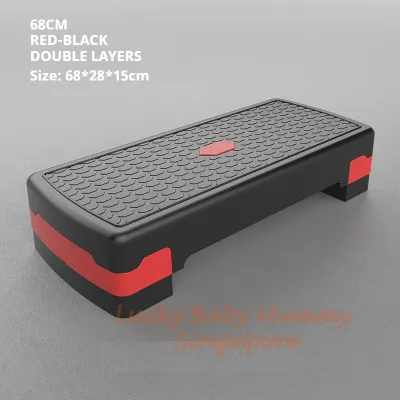
Prices are valid at publication and may change. Please refer to the product page for the latest price.
Magnetic resistance models, which are typically larger, use a spinning flywheel. These machines generally produce a continuous, low-frequency hum rather than a hiss. You might also hear a faint electronic hum from the console or motorized resistance adjusters.
Mechanical friction occurs at any moving joint. Pivot points, pedal hinges, and handlebar connections rub together during use. Without proper lubrication, these metal-on-metal or metal-on-plastic contact points will squeak or grind.
Impact noise is the most disruptive element. This occurs when the pedals bottom out against the frame or when your feet shift weight rapidly. This sudden stop transfers a sharp jolt of energy directly into the base of the machine.
How Stepper Vibrations Travel in HDB Flats
Living in a high-rise Housing & Development Board (HDB) flat means sharing structural elements with your neighbors. Understanding how sound moves through these structures is key to mitigating it.

Acoustic noise is divided into airborne and structure-borne sound. Airborne noise, such as the hum of a flywheel or a squeaking hinge, travels through the air and is mostly contained by walls and closed doors. Structure-borne noise, however, occurs when physical impact vibrates the building’s structure itself.
HDB flats are constructed with rigid concrete floor slabs. While concrete is excellent for structural integrity, it is highly efficient at transmitting low-frequency impact vibrations. When a stepper pedal bottoms out or a user shifts their weight heavily, the kinetic energy travels directly into the concrete slab. This slab acts like a giant speaker diaphragm, radiating a dull, repetitive thudding sound into the flat directly below.
Because of this structural transmission, placement is critical. Positioning your stepper directly above a neighbor’s bedroom or a quiet study will make the vibration highly noticeable, especially during early morning or late-night workouts when ambient neighborhood noise is low.
Equipment Placement and Vibration Isolation
The most effective way to prevent complaints is to physically decouple your stepper from the concrete floor. This prevents the transfer of kinetic energy before it can enter the building’s structure.
Investing in a high-density rubber or thick ethylene-vinyl acetate (EVA) anti-vibration mat is the first line of defense. Standard yoga mats are too soft and will bottom out under the combined weight of you and the machine, offering virtually no vibration isolation. Look for specialized utility mats or interlocking gym tiles designed specifically for heavy cardio equipment.
Where you place the machine also matters. Avoid placing the stepper directly against shared party walls, as vibrations can travel horizontally into your neighbor’s living space. Instead, position the machine toward the center of your flat or along external structural walls, which are thicker and less prone to vibrating.
Additionally, ensure the floor surface is perfectly level. An uneven floor causes the stepper to rock or wobble during use. This movement not only increases mechanical noise within the frame but also creates uneven impact points that amplify the thudding sound transmitted downward.
Maintenance and Usage Adjustments for Quieter Workouts
Regular upkeep and mindful exercise techniques can significantly lower both airborne squeaks and structural thuds.
Start by performing routine mechanical checks. Refer to your manufacturer’s user manual to locate all bolts, nuts, and pedal straps. Over time, the repetitive motion of stepping can loosen these fasteners, leading to frame rattling. Tighten them periodically to keep the structure rigid.
Lubrication is essential for friction-based noise. Apply a manufacturer-approved lubricant, such as silicone spray or multi-purpose grease, to the pivot joints and the connection points of the hydraulic cylinders. Avoid using standard household penetrating oils unless specifically recommended by the manufacturer, as they can degrade plastic bushings or attract dust.
Finally, adjust your stepping technique. Many users step with a heavy, rapid cadence that causes the pedals to slam hard against the base frame. Instead, focus on a controlled, smooth motion. Try to reverse your step just before the pedal hits the bottom stopper. This “floating” technique keeps constant tension on your muscles, improves your workout efficiency, and eliminates the sharp impact noises that disturb downstairs neighbors.
Frequently Asked Questions (FAQ)
Can I use a stepper machine late at night in an HDB flat?
Using a stepper late at night is risky in an HDB flat, even with mitigation steps. Because ambient noise levels drop significantly at night, any residual structure-borne vibration will sound much louder to the neighbors below. If you must exercise late, ensure you use a high-density rubber isolation mat, practice a controlled stepping technique that avoids bottoming out, and consider keeping your sessions short. Establishing a mutual agreement with your neighbors regarding acceptable workout hours is always the safest approach.
Do magnetic steppers make less noise than hydraulic ones?
Generally, magnetic steppers produce less airborne noise than hydraulic models because they lack fluid-filled cylinders that hiss or squeak when warm. However, they are not completely silent. Magnetic models still feature moving pedals, drive belts, and internal flywheels that generate a low hum. Furthermore, both types will produce identical structure-borne impact noise if you step heavily or bottom out the pedals. Always check the specific manufacturer specifications for noise ratings before purchasing.
Community discussion
Share your experience or ask a question. Comments are reviewed before publication.