
Choosing between an Arena swim bag and a Speedo swim bag is not a matter of finding a universal winner; the right choice depends entirely on your swimming habits, gear volume, and organizational preferences. While Arena often leans toward competitive training and high-capacity transport, Speedo frequently emphasizes versatility for fitness and multi-sport use. In Singapore’s hot and highly humid climate, selecting a bag with the right ventilation and material properties is essential to prevent mold and protect your dry gear. This guide breaks down their design philosophies, compartment layouts, and material specifications, giving you the exact criteria to evaluate which arena swim bag or Speedo alternative truly offers the best value for your routine.
When commuting to public pools, private condominiums, or fitness clubs across Singapore, your swim bag serves as a mobile locker. A bag that is too small will force you to leave training aids behind, while an oversized pack might not fit into standard facility lockers. By understanding how each brand structures its gear, you can avoid common purchasing pitfalls and select a model that keeps your wet and dry items perfectly separated.
Design Focus and Target Swimmer Profiles
Arena typically designs its bags with the competitive athlete and serious club swimmer in mind. Their signature large-capacity backpacks often feature a structured, wide-base design that allows the bag to stand upright on wet pool decks. This self-standing capability is highly practical during training sessions, as it prevents the fabric from collapsing and coming into direct contact with puddles. The design language of Arena usually prioritizes maximum volume, wide-mouth openings, and highly visible external compartments, making it easy to access bulky training gear like fins, kickboards, and hand paddles during intense workouts.
Products mentioned in this guide
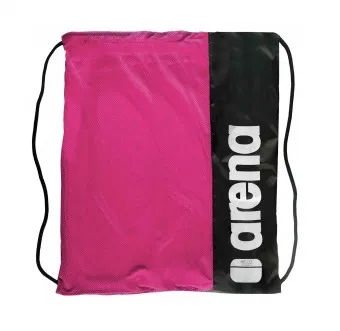
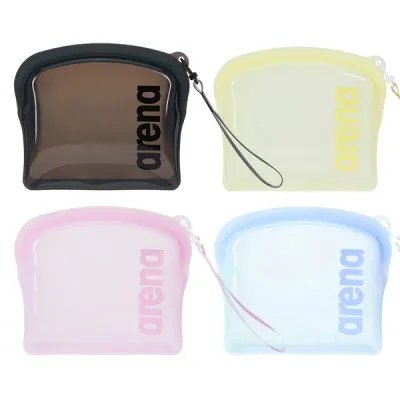
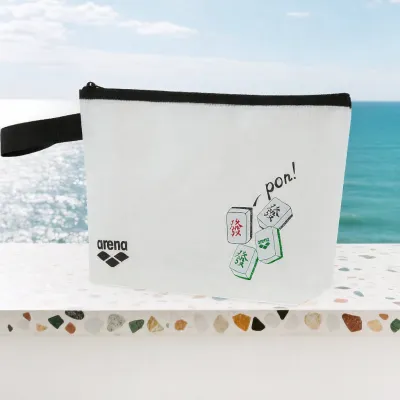
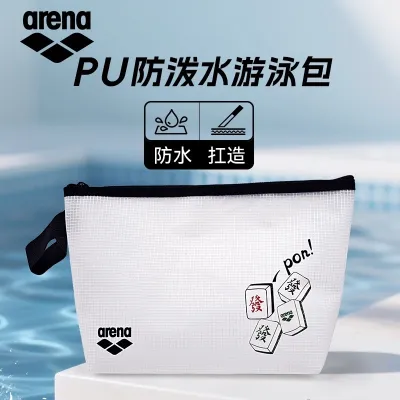
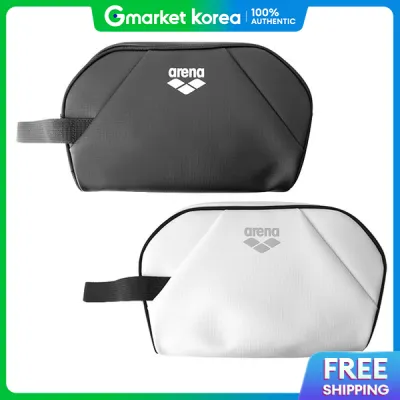
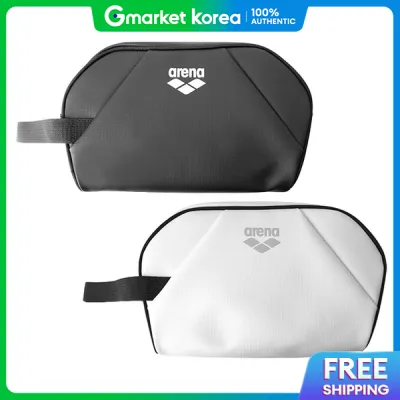
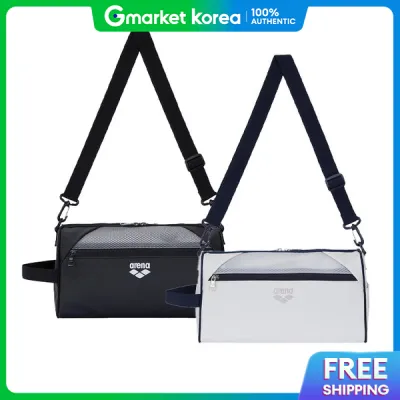
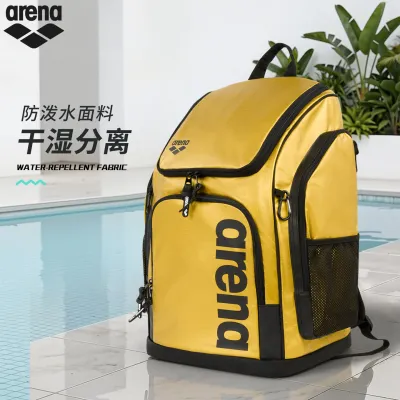
Prices are valid at publication and may change. Please refer to the product page for the latest price.
Speedo, by contrast, frequently targets fitness swimmers, triathletes, and recreational pool-goers who require a more versatile, multi-functional gear carrier. Many Speedo backpacks feature a streamlined silhouette that transitions smoothly from an office or school environment to the pool. These designs often incorporate lifestyle elements, such as dedicated laptop sleeves, media pockets, and hidden water bottle holders. If your routine involves commuting on public transport before heading to a swimming complex, Speedo’s focus on compact, balanced weight distribution and understated aesthetics may align better with your daily needs.
To verify which design focus matches your routine, visit the official brand websites and check the product line descriptions. Look specifically for terms like “training pack” or “team backpack” if you require maximum gear capacity. If you need a bag for casual fitness or multi-sport transitions, look for terms like “lifestyle pack,” “active backpack,” or “hybrid bag.” Checking these classifications ensures you do not accidentally purchase a massive competitive gear bag when a streamlined fitness pack would be far more practical for your daily commute.
Compartment Layout and Wet/Dry Organization
Effective wet/dry separation is the most critical feature of any swim bag, especially in Singapore’s humid environment where damp fabrics can quickly develop unpleasant odors. Arena bags often utilize a systematic, multi-compartment layout. Many of their high-capacity models feature a large, isolated bottom compartment specifically designed for wet swimwear, sandals, or microfiber towels. This layout keeps heavy, damp items at the base of the bag, lowering the center of gravity and preventing moisture from seeping upward into the main dry compartment. Additionally, Arena frequently incorporates extensive external mesh pockets that allow wet caps and goggles to air-dry while you travel.

Speedo bags often approach wet/dry organization with a mix of built-in compartments and removable accessories. Some models feature a dedicated, ventilated wet pocket on the front or side, while others include a removable waterproof dirt bag or wet pouch inside the main compartment. This removable pouch system offers excellent flexibility, allowing you to isolate wet gear when needed or remove the pouch entirely to free up space for dry clothes or office supplies. Speedo also commonly includes specialized, scratch-free fabric linings in smaller pockets to protect delicate items like goggles and electronics from abrasion.
When evaluating these layouts, consider your typical poolside routine and locker accessibility. If you frequently use narrow, vertical lockers at public pools or gyms, a top-loading bag with external side pockets allows you to retrieve items without pulling the entire bag out. If you prefer to lay your bag flat on a bench to organize your gear, a front-loading clamshell design may be more convenient. Always check the placement and size of the ventilated mesh areas; adequate airflow is vital to ensure that damp gear does not remain sealed in airtight pockets during your commute home.
Material Quality and Durability Verification
Because swim bags are regularly exposed to chlorinated water, rough concrete pool decks, and heavy loads, verifying material quality is essential for long-term durability. When comparing bags, start by reading the fabric specifications on the product tags or online listings. Look for high-denier polyester or nylon fabrics, typically rated between 450D and 600D or higher. Polyester is highly resistant to chemical degradation from chlorine and UV exposure, making it an excellent choice for outdoor pools. Nylon is exceptionally lightweight and offers high tensile strength, but it should feature a water-resistant treatment to prevent moisture absorption.
Structural durability also depends heavily on the base of the bag. A high-quality swim bag should feature a reinforced, water-resistant base made from materials like thermoplastic polyurethane (TPU) or coated polyester. This protective barrier prevents water on the pool deck from soaking upward into the bag’s contents when placed on wet surfaces. Inspect the zippers closely; they should be heavy-duty, corrosion-resistant plastic rather than standard metal, as chlorine and humidity can quickly cause metal zippers to rust, stick, or break.
Finally, evaluate the load-bearing components of the bag. Wet swim gear is significantly heavier than dry gear, placing immense stress on shoulder straps and handles. Look for wide, padded shoulder straps with breathable mesh backing to distribute weight comfortably across your shoulders. Check the stitching at the connection points where the straps meet the bag body; reinforced box-stitching or bar-tack stitching indicates a construction designed to withstand heavy loads. Avoid bags with thin, unpadded straps if you plan to carry heavy training aids over long distances.
Price Positioning and Value Assessment
To determine which brand offers better value, you must compare their cost-to-feature ratio rather than relying on a single price point. To find accurate, up-to-date pricing, check the current listings in S$ on official brand websites, authorized local sports retailers, and reputable online marketplaces in Singapore. Prices can vary based on seasonal promotions, colorways, and specific model updates, so verifying current local retail rates is the most reliable way to establish your budget.
When assessing overall value, consider the expected lifespan of the bag and any included accessories. A premium swim bag with a higher initial price tag may offer better long-term value if it features a robust warranty, highly durable zippers, and a reinforced base that lasts for several years of daily use. Conversely, an entry-level bag might be highly cost-effective if you only swim once a week and do not need to transport heavy training gear. Look for value-added features such as included wet dry bags, integrated carabiners for hanging gear, or specialized laptop compartments that eliminate the need to carry a second bag.
Both Arena and Speedo offer products across multiple price tiers, which can be categorized as follows:
- Entry-Level: Typically lightweight mesh drawstring bags or basic duffels. These are highly affordable and excellent for carrying wet gear short distances, but they lack structured support, dry compartments, and advanced shoulder padding.
- Mid-Range: Standard backpacks (usually 30 to 35 liters) featuring basic wet/dry separation, padded straps, and a few dedicated accessory pockets. These offer a balanced mix of utility and affordability for fitness swimmers.
- Premium: High-capacity training backpacks (40 to 45 liters) with advanced ergonomic suspension systems, fully reinforced waterproof bases, specialized compartment layouts, and premium materials. These are designed for competitive swimmers and triathletes who require maximum durability and organization.
Decision Framework: Choosing the Right Brand for You
To make your final decision, align your choice with your specific swimming routine, gear requirements, and local facility constraints. Use the following conditional framework to guide your purchase:
Choose an Arena swim bag if:
- You are a competitive swimmer, club athlete, or frequent trainer who needs to carry a large volume of training gear, including kickboards, fins, and pull buoys.
- You prefer a structured backpack that stands upright on the pool deck, keeping your gear organized and off the wet ground.
- You prioritize dedicated, high-capacity wet/dry separation with large, integrated bottom compartments and extensive external mesh ventilation.
Choose a Speedo swim bag if:
- You are a fitness swimmer or multi-sport athlete who needs a versatile bag that transitions easily from work, school, or the gym to the pool.
- You require a streamlined design with lifestyle features, such as a dedicated laptop sleeve and protective pockets for electronics.
- You prefer a flexible wet/dry organization system, such as a removable waterproof pouch, that allows you to customize the internal space based on your daily activities.
Before finalizing your purchase, always verify the physical constraints of your swimming routine. Measure the dimensions of the lockers at your primary pool facility or gym. A high-capacity 45-liter training backpack may be too wide or deep to fit comfortably into standard-sized lockers, forcing you to leave your bag on the floor or bench. Checking these dimensions beforehand ensures that your chosen arena swim bag or Speedo alternative fits seamlessly into your daily routine.
Frequently Asked Questions (FAQ)
How do I prevent mold and odors in my swim bag?
To prevent mold and unpleasant odors, always empty your wet swimwear, towels, and training gear from your bag immediately after returning from the pool. Never leave damp items sealed inside closed compartments overnight. Open all zippered pockets and hang the bag inside out in a well-ventilated, shaded area to air-dry completely. If the bag develops a chlorine odor or light staining, wipe the interior linings down with a damp cloth and mild soapy water, then allow it to dry thoroughly before your next swim.
Can I use a regular sports backpack instead of a dedicated swim bag?
While you can use a regular sports backpack, it generally lacks the specialized features required for swimming gear. Standard backpacks rarely have dedicated wet/dry separation, meaning damp swimwear can easily transfer moisture and odors to your dry clothes, books, or electronics. Furthermore, regular backpacks often lack ventilated mesh pockets, causing moisture to trap inside, and they rarely feature water-resistant bases to protect against wet pool decks. Over time, exposure to chlorinated water can also degrade the standard fabrics and metal zippers of a regular backpack far more quickly than those of a dedicated swim bag.

Community discussion
Share your experience or ask a question. Comments are reviewed before publication.