
Selecting the right swimming float is a decision that directly impacts water safety, physical development, and pool enjoyment. The ideal choice is never a one-size-fits-all solution; instead, it depends entirely on the swimmer’s age, physical size, water confidence, and the specific environment. Arm bands are highly effective for toddlers building early pool confidence in shallow waters. Swim vests support active play and help young learners transition to a natural, horizontal swimming posture. In contrast, swimming rings are strictly recreational items meant for confident swimmers who want to lounge in calm, supervised pools.
Understanding the distinct mechanics, safety limits, and ideal use cases of each float type ensures you make an informed choice. Equipping a beginner with the wrong device can hinder their learning progress or, worse, create severe safety hazards in the water.
Assess Your Swimmer: Evaluate Age, Skill, and Water Environment
Before browsing different float designs, you must evaluate the specific profile of the person who will use the device. This diagnostic step requires looking at three primary dimensions: physical size, swimming ability, and the intended venue. Relying solely on age is a common mistake, as physical development and water confidence vary significantly among children of the same age group.
Products mentioned in this guide

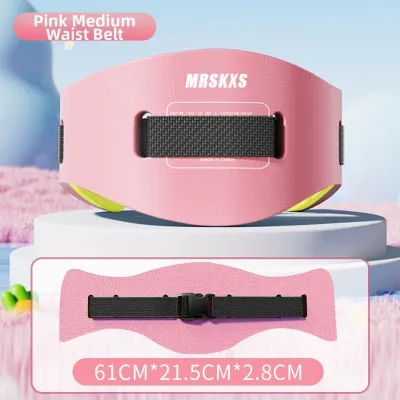
Prices are valid at publication and may change. Please refer to the product page for the latest price.
Physical size and weight dictate the buoyancy requirements of any flotation device. A float must be rated to support the user’s actual weight to keep their airway safely above the water surface. Always verify the manufacturer’s weight limits printed on the product packaging before purchase. If a child is heavy for their age, a device designed strictly for their age bracket may fail to provide adequate buoyancy, causing them to struggle to stay afloat.
Swimming skill level is the next critical factor. Swimmers generally fall into three categories: non-swimmers who require constant physical support, beginners who are building confidence but cannot swim independently, and confident swimmers who can swim without assistance. A non-swimmer requires maximum stability and direct, hands-on support, whereas a confident swimmer only needs a float for casual relaxation.
Finally, consider the water environment. A calm, shallow backyard condominium pool or a public ActiveSG wading pool presents very different conditions compared to open waters, such as the beaches of Sentosa or East Coast Park. Open waters involve unpredictable currents, wave action, and wind, which drastically increase the risk of a float drifting away or flipping over. Recreational floats are designed for controlled pool environments and should never be trusted to keep a weak swimmer safe in open water.
Arm Bands: Building Early Pool Confidence for Toddlers
Arm bands, often referred to as water wings, are inflatable bands worn on the upper arms. They are among the most common swimming aids used to introduce young children to the water, providing a high level of lateral buoyancy that helps keep the head upright.

Ideal Scenarios and User Profile
Arm bands are best suited for toddlers and young children, typically between the ages of 2 and 6, who are taking their first steps toward water familiarity. In a controlled, shallow pool environment, arm bands provide the upright support necessary to keep a child’s chin and mouth clear of the water. This vertical stability helps reduce fear, allowing beginners to splash, play, and practice basic leg kicks.
Because the flotation support is positioned on the upper arms, the child’s torso remains relatively free. This design allows them to experience the sensation of buoyancy while keeping their head high enough to look around and interact with parents. It is an excellent tool for early water acclimatisation, helping children realize that the water can be a fun, non-threatening environment.
Limitations and Pre-Use Checks
Despite their popularity, arm bands have notable physical limitations. Because they rely on inflation, they are susceptible to punctures from rough pool edges, sharp toys, or fingernails. If one chamber deflates, the sudden loss of balance can cause a child to panic and submerge. Additionally, arm bands can slip off wet skin, especially if they are under-inflated or if a child raises their arms straight up while jumping into the pool.
From a developmental standpoint, arm bands force the body into an unnatural, vertical “bobbing” position. This posture is the opposite of the horizontal position required for proper swimming strokes. Relying on arm bands for too long can make it harder for a child to learn how to float horizontally later on.
Before every pool session, perform a thorough inspection of the arm bands. Check the seams and valves for any signs of air leakage or material wear. Always inflate all air chambers fully, and ensure the safety valves are pressed flat into the band so they cannot be accidentally opened during play. If you apply sunscreen to your child, do so before putting on the arm bands, and ensure the skin is dry and non-greasy where the bands sit to prevent them from sliding off.
Swimming Vests: Supporting Active Play and Natural Posture
Swim vests are wearable buoyancy aids constructed with built-in foam inserts or inflatable chambers, secured with front zippers, adjustable buckles, and safety straps. They offer a more secure and integrated fit compared to arm bands.
Ideal Scenarios and User Profile
Swim vests are ideal for active children who want to move dynamically through the water. They are highly suited for pool play and calm, shallow beach settings where a child is constantly moving, splashing, and exploring. Because the buoyancy material is concentrated around the chest and back, the vest leaves the arms completely free to rotate.
This torso-focused buoyancy is highly beneficial for learning. It naturally encourages a more horizontal, prone swimming posture, which is essential for practicing freestyle or breaststroke kicks and arm movements. For beginners who have progressed past basic water acclimatisation, a swim vest provides the perfect balance of security and physical freedom to practice early swimming techniques.
Limitations and Pre-Use Checks
An ill-fitting swim vest poses a serious safety hazard. If the vest is too loose, the buoyancy of the foam will push the vest upward while the child’s body sinks downward. This causes the collar of the vest to ride up over the child’s chin, mouth, and nose, potentially trapping their airway underwater. To prevent this, a high-quality swim vest must feature a secure crotch strap. This strap runs between the legs and prevents the vest from sliding over the head when the child enters the water.
It is vital to understand that recreational swim vests are not certified life jackets (Personal Flotation Devices or PFDs). A recreational swim vest is designed to assist a conscious swimmer in maintaining a swimming position; it does not have the self-righting capability of a certified life jacket, which is engineered to turn an unconscious person face-up in the water. Never use a recreational swim vest for boating, sailing, or any deep open-water activities.
Before using a swim vest, check that all zippers, buckles, and straps are fully functional and free of sand or debris. Adjust the side straps so the vest fits snugly against the child’s torso—you should only be able to fit two fingers flat between the vest and the child’s skin. Always fasten and adjust the crotch strap securely before letting the swimmer enter the water.
Swimming Rings: Casual Lounging for Confident Swimmers
Inflatable swimming rings and tubes are classic pool accessories. However, they should be viewed strictly as recreational toys rather than safety devices or learning aids.
Ideal Scenarios and User Profile
Swimming rings are best reserved for older children, teenagers, and adults who are already confident, independent swimmers. They are perfect for casual lounging, drifting, and playing in supervised, calm pool environments. In these settings, the user can easily hold onto the ring, drape their arms over it, or sit inside it to relax.
Because these users already possess the skills to swim, tread water, and recover their balance independently, the ring serves purely as a comfort accessory. If the ring slips away or deflates, a confident swimmer can easily swim to the pool edge or stand up without panicking.
Limitations and Pre-Use Checks
Using a swimming ring for toddlers or non-swimmers is extremely dangerous. Because rings are open in the center, a child can easily slip straight through the middle and submerge. Alternatively, if a child leans too far forward or backward, the ring can flip upside down, trapping the child’s head underwater while their legs remain caught in the ring.
Furthermore, swimming rings provide absolutely no passive safety. If a non-swimmer loses their grip on the ring, they will sink immediately. The ring does not attach to the body, meaning it offers zero protection if the user panics or becomes fatigued.
Before using an inflatable ring, inspect the outer seams for any signs of splitting or air loss. Ensure the inflation valve is tightly sealed and pushed flush into the ring’s surface. Never use inflatable rings in windy conditions or areas with strong currents, as the high surface area of the ring makes it highly susceptible to being swept away from safety rapidly.
Decision Matrix: Match the Float to Your Swimmer's Profile
To help you make the final choice, use this structured comparison matrix to match the float type to your swimmer’s age, skill level, and intended activity.
| Float Type | Target Age Group | Required Skill Level | Best Water Activity | Required Supervision Level |
|---|---|---|---|---|
| Arm Bands | 2 to 6 years | Beginner / Non-swimmer | Shallow pool play, early water confidence | Direct "touch supervision" |
| Swim Vest | 3 to 8 years | Beginner learning strokes | Active pool play, calm shallow beaches | Close, active supervision |
| Swim Ring | Older kids & Adults | Confident swimmer | Casual lounging, supervised pools | Distant / general supervision |
Use these conditional guidelines to finalize your purchase decision:
- Choose Arm Bands if your child is a toddler who is still hesitant in the water and needs vertical support to keep their face clear while staying close to you in a shallow pool.
- Choose a Swim Vest if your child is active, enjoys splashing around, and is ready to practice horizontal swimming movements and basic strokes in a controlled environment.
- Choose a Swimming Ring if the user is a fully competent swimmer who simply wants a comfortable accessory for lounging and relaxing in a calm pool.
If your planned activity involves open water, boating, or if the swimmer’s safety profile falls between categories, prioritize a certified life jacket (PFD) over any recreational float.
Safety Boundaries: Supervision and Equipment Limits
No flotation device can ever replace active, undivided adult supervision. For toddlers and non-swimmers, this means maintaining “touch supervision” at all times—meaning an adult is within arm’s reach and fully focused on the child, without distractions like phones or books. Drowning can occur silently and in a matter of seconds, even in shallow wading pools.
Always adhere strictly to the manufacturer’s weight, height, and age limits printed on the product labels. Do not buy a larger size hoping a child will “grow into it,” as an oversized float will fail to provide the correct fit and buoyancy, creating a severe safety risk.
Proper equipment care is essential to prevent sudden material failure. Tropical climates, such as Singapore’s year-round warmth and high humidity, can accelerate the degradation of plastics and foam. After every use, rinse the float thoroughly with clean, fresh water to remove chlorine, salt, and sunscreen residue. Allow the equipment to dry completely in a shaded, well-ventilated area. Never leave inflatable floats in direct sunlight on a balcony or by the pool, as the intense heat will cause the air inside to expand, weakening the seams and leading to sudden ruptures during future use. Store all gear in a cool, dry place away from sharp objects.
Frequently Asked Questions (FAQ)
Can I use a swimming ring for my toddler in a kiddie pool?
No, you should never use a swimming ring for a toddler, even in a shallow kiddie pool. Toddlers lack the core strength and coordination to maintain their balance inside a ring. They can easily slip through the center opening and submerge, or lean too far and flip the ring upside down, trapping their head underwater. For toddlers, always opt for properly fitted arm bands or a swim vest equipped with a secure crotch strap, and maintain constant, arm’s-reach supervision.
What is the difference between a swim vest and a life jacket?
A swim vest is a recreational swimming aid designed to assist conscious swimmers with buoyancy in controlled, calm environments like pools. It helps the wearer maintain a horizontal swimming position but will not keep an unconscious person’s head face-up. A certified life jacket (Personal Flotation Device) is a safety device engineered with specific buoyancy distribution to automatically turn an unconscious wearer face-up in the water, keeping their airway clear. Swim vests should never be used for boating, water sports, or in rough open water.
Community discussion
Share your experience or ask a question. Comments are reviewed before publication.