
Selecting the ideal arm weights for your fitness routine depends on your primary workout style, comfort requirements, and joint health. Wrist weights are highly effective for light cardio, walking, and rehabilitation, while weighted arm cuffs offer superior weight distribution for high-intensity strength training. Repurposing ankle weights for your arms is generally a temporary compromise that carries fit and safety risks due to their bulkier design and loose straps. By understanding how each option affects your movement mechanics, you can make a practical purchase that enhances your workouts without risking joint strain.
When choosing between these options, the core decision factor is how the weight placement alters your body’s biomechanics. Loading the extremity of your limb (distal loading) increases the leverage and torque on your joints, making even a light weight feel significantly heavier. Conversely, placing the weight closer to your torso (proximal loading) reduces joint strain and allows for more natural movement patterns. Balancing these forces is key to finding a tool that supports your fitness goals safely.
Understanding the Three Types of Arm Weights
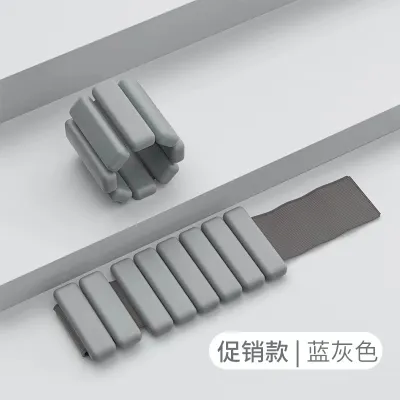
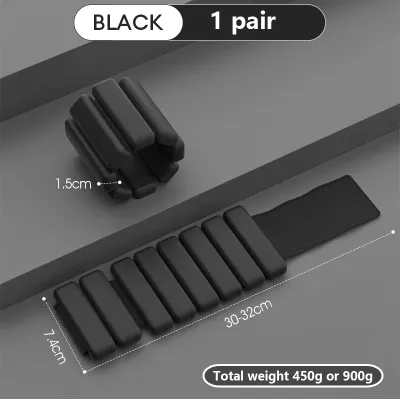
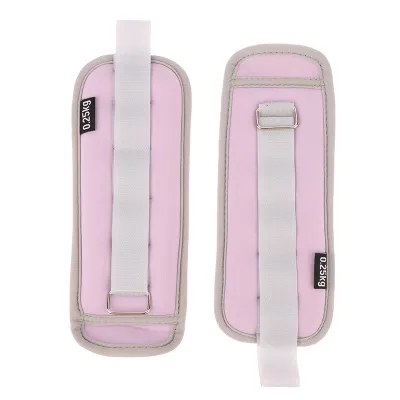
To choose the right equipment, you must first understand how these three options differ in design and placement. Wrist weights are compact, band-like accessories designed to wrap directly around the wrist joint. They typically use a simple hook-and-loop closure and offer a low profile, keeping the resistance concentrated at the very end of your arm. This design is highly intuitive but places the entire load directly against the delicate bones and tendons of the wrist.
Products mentioned in this guide
![SG [2lb/1pair] Silicone Ankle Wrist Weights Adjustable Weight Sports Wristbands Exercise Filled Arm Wrist Band Gravity](https://img.lazcdn.com/g/p/13a78bcec6aa29222e298e2ef63ca87b.jpg_400x400q80.jpg_.webp)

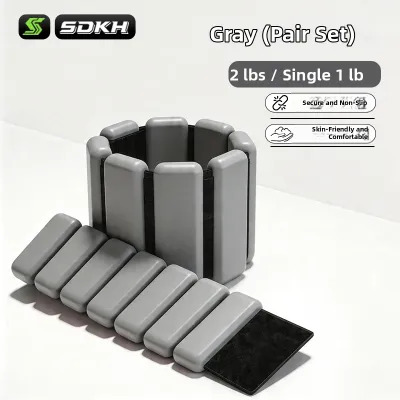
Prices are valid at publication and may change. Please refer to the product page for the latest price.
Weighted arm cuffs, on the other hand, are designed as broader sleeves or wide bands. You wear them higher up on the forearm or around the bicep, which distributes the load across a larger surface area rather than concentrating it on a single joint. This design allows for heavier weight capacities without putting excessive leverage on the elbow or shoulder, making them a favorite for dynamic movements.
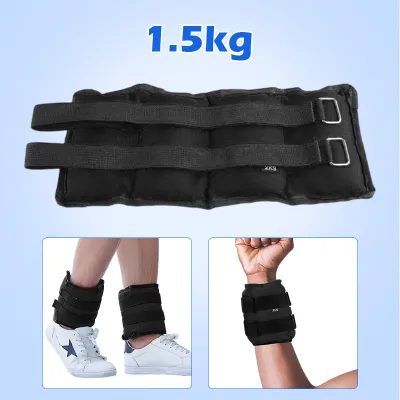
Ankle weights are specifically engineered for the lower leg, featuring a wider circumference and longer straps to accommodate the ankle and lower calf. While some fitness enthusiasts repurpose them for arm workouts to save money, their dimensions and weight distribution are not optimized for the upper body. The looser fit often results in shifting weight, which can disrupt your exercise form.
Wrist Weights: Pros, Cons, and Best Use Cases
Wrist weights are a popular entry point for adding light resistance to daily activities and low-impact exercises. One of their primary advantages is convenience; they are incredibly easy to put on, highly portable, and compact enough to slip into a small gym bag. Because they sit snugly at the wrist, they leave your hands completely free to hold water bottles, keys, or other light fitness accessories during outdoor activities. Modern designs often feature sleek, silicone-coated steel bands that are easy to wipe clean after a sweaty session.

However, this placement also introduces specific drawbacks. Because the weight is positioned at the far end of your arm, it creates a long lever arm that increases the rotational force on your wrist and elbow joints. This concentrated load can lead to joint fatigue or strain if used during high-velocity movements like punching or throwing. Additionally, because of their compact size, wrist weights generally have a lower maximum weight capacity, usually topping out at around one to two kilograms per wrist.
These characteristics make wrist weights best suited for low-impact cardio, brisk walking, Pilates, and targeted physical therapy routines. If you are recovering from an injury or looking to gently increase your heart rate during a morning walk, a pair of lightweight wrist bands can provide the subtle resistance you need. They allow you to maintain a natural stride while gently engaging the muscles of the upper body.
Weighted Arm Cuffs: Pros, Cons, and Best Use Cases
Weighted arm cuffs offer a more robust solution for individuals looking to incorporate heavier resistance into dynamic workouts. The standout benefit of arm cuffs is their superior weight distribution. By wrapping around the forearm or bicep, they spread the load across a wider muscle group, significantly reducing the localized strain on your wrist and elbow joints. This ergonomic design allows manufacturers to offer heavier weight options, making them suitable for progressive strength training.
Despite these benefits, arm cuffs are not without their disadvantages. Their broader profile makes them inherently bulkier than slim wrist weights, which can restrict your range of motion during complex or fast-paced movements. In warm and humid climates, such as Singapore, the larger surface area of these cuffs can trap heat and sweat, potentially causing skin irritation or discomfort during long, intense training sessions. Some users also find that compression-style sleeves can slide down the arm if they lose their elasticity over time.
The best use cases for weighted arm cuffs include structured strength training, shadow boxing, and high-intensity interval training (HIIT). Because they remain securely in place higher up on the limb, they do not slide or bounce when you punch, swing, or perform rapid bodyweight movements. This stability allows you to focus entirely on your form and intensity rather than constantly adjusting your gear.
Ankle Weights on Arms: Pros, Cons, and Safety Limits
Using ankle weights on your arms is a common shortcut, especially if you already own a pair for lower-body training. The main benefit of this approach is cost-effectiveness, as it eliminates the need to purchase a separate set of arm-specific weights. Many ankle weights also feature adjustable compartments with removable sandbags or steel shot, allowing you to customize the resistance level for different exercises without buying multiple sets.
However, the ergonomic mismatches quickly become apparent during use. Ankle weights are designed for the thicker anatomy of the lower leg, meaning their straps are often too long for the average forearm or bicep. This poor fit leads to a loose, unstable wrap that can slide up and down your arm or rotate awkwardly during exercise. Furthermore, the heavy metal D-rings or oversized buckles can press painfully against your wrist bones or catch on your clothing during movement.
To protect your joints, you must establish clear safety limits when using ankle weights on your arms. Stop using them immediately if they slip during movement, cause chafing or skin irritation, or create any discomfort in your wrists, elbows, or shoulders. If you find yourself constantly adjusting the straps or tightening them to the point of restricting circulation, it is time to transition to a dedicated arm-weight product.
Feature Comparison: What to Check Before You Buy
Before making a purchase, evaluating specific design features will ensure you select a product that matches your fitness goals and physical comfort. The first factor to consider is weight adjustability. Fixed-weight models are simple and durable, but they limit your ability to progress. Models with removable sandbags or steel shot allow you to adjust the resistance as your strength improves, though they tend to be bulkier and more difficult to clean.
Next, examine the strap mechanism. Look for wide Velcro straps that distribute pressure evenly across your skin, and check the durability of the D-ring or buckle system. A secure fastening system is critical for preventing the weights from shifting during dynamic movements. Ensure the strap length is compatible with your specific wrist or arm circumference to avoid a loose fit; measuring your arm with a flexible tape measure before buying is highly recommended.
Material and breathability are also vital, particularly for workouts in warm environments. Neoprene is a common choice because it is soft and flexible, but it can trap heat. If you sweat heavily, look for moisture-wicking fabrics, perforated materials, or silicone-coated options that promote airflow and reduce the risk of skin chafing.
| Feature | Wrist Weights | Weighted Arm Cuffs | Ankle Weights (on Arms) |
|---|---|---|---|
| Primary Placement | Wrist joint | Forearm or bicep | Forearm (repurposed) |
| Weight Distribution | Concentrated at the joint | Evenly across the limb | Uneven and bulky |
| Fit Stability | High (snug fit) | High (sleeve design) | Low (prone to slipping) |
| Max Weight Capacity | Typically low (0.5kg – 2kg) | Medium to high (1kg – 5kg) | Medium to high (1kg – 5kg) |
| Best Workout Type | Walking, Pilates, rehab | HIIT, shadow boxing, strength | Slow, controlled movements |
| Breathability | Moderate | Low (covers more skin) | Low (thick padding) |
Final Verdict: Which Arm Weight Should You Choose?
Your final decision should align with your primary exercise activities and physical comfort. Choose wrist weights if you prioritize convenience, portability, and a low-profile design for light cardio enhancement, walking, or rehabilitation. They are the easiest to integrate into a daily active lifestyle without feeling overly encumbered or restricted.
Opt for weighted arm cuffs if your goals involve heavier resistance, joint protection, and high-intensity workouts like shadow boxing or strength training. The distributed load of a cuff protects your joints while allowing you to challenge your muscles with heavier weights. This makes them a much safer choice for dynamic, fast-paced movements.
Avoid relying on repurposed ankle weights for dynamic arm exercises, as their loose fit and shifting weight can compromise your form and safety. If you have pre-existing wrist, elbow, or shoulder conditions, always verify your physical readiness by consulting a qualified healthcare professional before adding any external resistance to your limbs.
Frequently Asked Questions (FAQ)
Can I wear arm weights all day to burn more calories?
Wearing arm weights continuously throughout the day is not recommended. Prolonged wear places constant, unnatural stress on your joints and connective tissues, which can alter your natural biomechanics and lead to repetitive strain injuries. To protect your body, limit the use of arm weights to dedicated, structured workout sessions.
How heavy should my arm weights be for a beginner?
For beginners, it is best to start with the lightest available option, typically 0.5kg to 1kg per arm, to test your joint tolerance. Starting light allows your muscles, tendons, and joints to adapt to the new resistance without overloading them. Always check the product labels and manufacturer guidelines for recommended starting levels.
Do arm weights help tone flabby arms?
Arm weights increase muscle resistance and help build lean muscle tissue, but they do not spot-reduce fat in the arms. To achieve a toned appearance, you must combine resistance training with a comprehensive fitness routine and a balanced nutrition plan that supports overall body fat reduction.
Community discussion
Share your experience or ask a question. Comments are reviewed before publication.