
Choosing a head-heavy badminton racket is a major decision for any attacking player, and the Yonex Astrox 100 ZZ stands as one of the most prominent options in this category. However, its highly specialized design means it is not a universal fit for every player. To determine if this racket or an alternative head-heavy model will truly elevate your game, you must evaluate how its technical specifications align with your physical capabilities, playing style, and experience level.
Quick Answer: Is the Astrox 100 ZZ Right for You?
The Astrox 100 ZZ is designed specifically for advanced players who possess a highly developed, rapid wrist snap and the physical conditioning required to handle an extra-stiff shaft. If your game relies on generating steep, aggressive smashes from the rear court and you can consistently hit the sweet spot of a compact frame, this racket offers exceptional control and power transfer.
Conversely, you should look at alternative head-heavy rackets if you are an intermediate player who requires a more forgiving medium-flex shaft to generate clear depth, or if you primarily play doubles and prioritize rapid defensive transitions over raw attacking power. Players who are unsure of their ability to swing an extra-stiff, head-heavy frame should verify their physical readiness first, as using a racket that is too demanding can lead to shoulder fatigue, slower swing speeds, and potential strain.
Products mentioned in this guide
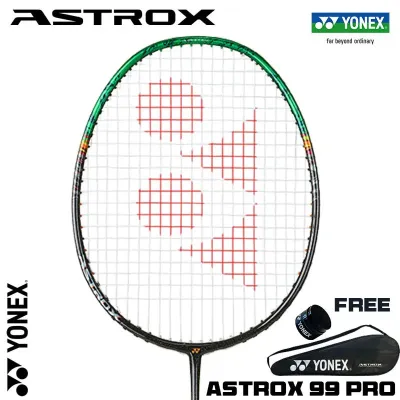
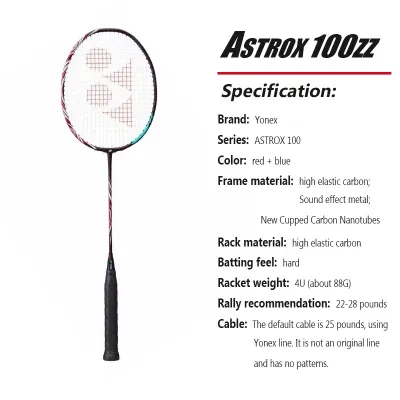
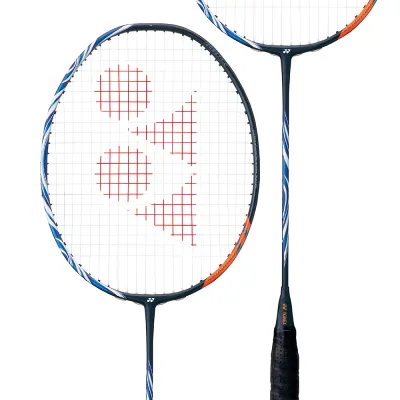
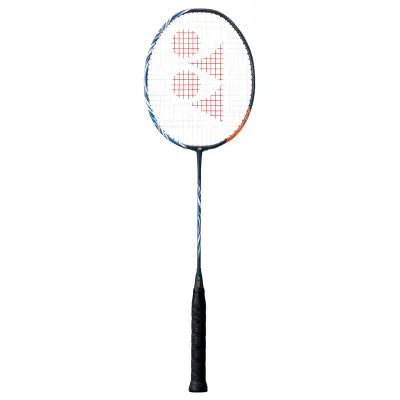
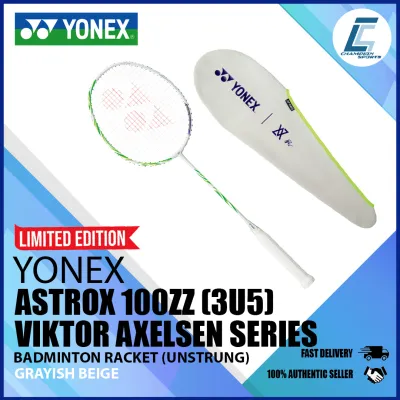
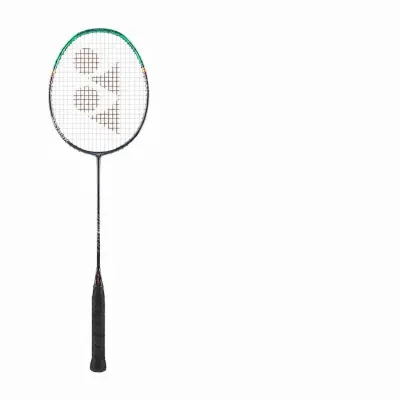
Prices are valid at publication and may change. Please refer to the product page for the latest price.
Decoding the Astrox 100 ZZ Design Profile
To understand how the Astrox 100 ZZ compares to other rackets, you must first look at the specific engineering choices that define its playing profile. This racket is built around a philosophy of concentrated power and aerodynamic efficiency, which manifests in several distinct design elements.

Extra-Stiff Shaft and Solid Core Technology
The shaft of the Astrox 100 ZZ is exceptionally stiff, meaning it resists bending during the swing. This design requires a high level of player-generated swing speed to bend the shaft and unleash the stored elastic energy upon impact. To complement this stiffness, the racket incorporates a solid core technology inside the frame. This core is engineered to absorb vibrations and provide direct, crisp feedback to your hand. When you hit the shuttle cleanly, the energy transfer is highly efficient, but off-center hits will feel unforgiving and can transmit harsh vibrations up your arm.
Compact Frame and Head-Heavy Balance
Unlike standard isometric frames, the Astrox 100 ZZ features a slightly more compact frame shape. This reduction in head size decreases aerodynamic drag, allowing the racket to cut through the air faster than traditional head-heavy models. The trade-off is a smaller sweet spot. The head-heavy balance concentrates mass at the top of the frame, which naturally aids in driving the shuttle downward at steep angles during smashes, provided your timing is precise.
Weight Variants and Physical Demands
The racket is typically available in standard weight classifications, such as 3U (averaging 85 to 89 grams) and 4U (averaging 80 to 84 grams). Choosing between these variants significantly alters the racket’s performance on court:
- The 3U variant offers greater momentum and stability, making it highly effective for heavy rear-court smashing, though it increases physical fatigue over long matches.
- The 4U variant provides improved maneuverability and faster recovery times, making it a more practical choice for players who want head-heavy power without sacrificing too much speed in flat exchanges.
Core Dimensions for Comparing Head-Heavy Rackets
When evaluating the Astrox 100 ZZ against other head-heavy models on the market, you should focus on three core technical dimensions. These metrics will help you understand how different rackets behave during various phases of a rally.
Balance Point Distribution
While all rackets in this category are classified as head-heavy, the actual distribution of weight can vary. Rackets with an extreme head-heavy balance point (often measuring 305 mm or higher from the handle butt) provide maximum leverage for downward smashes but can feel sluggish during quick defensive blocks. Moderate head-heavy setups (typically ranging between 295 mm and 302 mm) offer a more balanced compromise, allowing for faster transitions while still providing a noticeable power boost from the backcourt.
Shaft Stiffness and Torque
Shaft flex is the primary factor determining the timing of your shots. An extra-stiff shaft, like that of the Astrox 100 ZZ, offers immediate response and high control for players with fast, explosive swing mechanics. However, if your swing is slower or more deliberate, a stiff shaft will feel like a board, resulting in short clears and weak smashes. Rackets with a medium or medium-stiff shaft flex are more forgiving; they bend more easily during the swing, helping intermediate players generate depth with less physical effort.
Frame Shape and Aerodynamics
The shape of the racket head directly influences both the sweet spot size and swing speed. A standard isometric frame provides a larger, more forgiving hitting area, which is highly beneficial for maintaining control during off-center hits. A compact or slim-aerodynamic frame reduces air resistance to increase head speed, but it demands highly consistent, centered contact. Additionally, different grommet patterns and frame constructions alter how the string bed deforms upon impact, affecting the overall hold time and repulsion speed of the shuttle.
Matching Racket Characteristics to Your Attacking Style
Selecting the right head-heavy racket requires an honest assessment of your role on the court, your physical attributes, and your technical execution.
Singles Backcourt Attackers vs. Doubles Rear-Court Players
In singles play, rallies are generally more deliberate, allowing you more time to prepare your body and execute a full, high-clear or a powerful smash. A heavier, extra-stiff racket is highly effective here because you can fully exploit its power potential without being constantly rushed. In contrast, doubles play is characterized by rapid, flat exchanges, quick drives, and sudden defensive blocks. If you play rear-court in doubles, you still need smashing power, but you also require a racket that can recover quickly for the next shot. A slightly lighter head-heavy racket with a more aerodynamic frame is often more suitable for the fast-paced transitions of doubles.
Physical Strength and Swing Mechanics
Your swing technique dictates which racket profile will perform best for you. Players who rely on a short, explosive, wrist-driven swing benefit greatly from an extra-stiff shaft, as the quick snap aligns perfectly with the racket’s rapid recovery rate. If your swing is longer, smoother, and driven primarily by your shoulder and arm, a racket with a slightly more flexible shaft will allow the frame to flex and whip naturally, matching your slower swing tempo and preventing shoulder strain.
Skill Level and the Learning Curve
Transitioning to an ultra-stiff, head-heavy racket like the Astrox 100 ZZ requires a significant adjustment period. Intermediate players often find that their clears fall short and their wrists tire quickly when first using such a demanding frame. If you are still developing your overhead stroke mechanics, starting with a moderately head-heavy racket with a medium-stiff shaft will allow you to build proper technique without compensating for a lack of racket-generated power through harmful physical overexertion.
How to Verify and Test Your Choice
To avoid buyer’s remorse and protect yourself from physical strain, you should follow a structured process to verify, purchase, and test your chosen racket.
Authenticity and Specifications Verification
Because high-end attacking rackets are highly sought after, counterfeit products are common on online marketplaces. Always purchase from authorized local sports retailers. When buying, verify the physical details of the racket:
- Check the laser-engraved serial codes on the shaft and the cone.
- Inspect the manufacturer's hologram sticker for proper color-shifting properties.
- Verify that the weight and grip size printed on the cone (such as 4U G5) match the official specifications listed on the manufacturer's website.
Structured On-Court Testing
If you have access to a demo racket, do not simply play a casual match immediately. Instead, run through a series of structured drills to evaluate how the racket handles under specific conditions:
- High Clears: Hit 20 consecutive baseline-to-baseline clears. Note whether you can easily reach the opponent's baseline or if you have to strain your shoulder to get depth.
- Continuous Drives: Stand at the mid-court and engage in rapid flat exchanges. Observe if the head weight slows down your reaction time or causes wrist fatigue.
- Smash Angles: Execute consecutive smashes from the rear court. Evaluate if the racket helps you direct the shuttle downward steeply, or if the stiff shaft causes your timing to mistreat the sweet spot.
Recognizing When to Stop
If you experience persistent pain in your wrist, elbow, or shoulder during or after testing, stop using the racket immediately. This is a clear sign that the shaft is too stiff, the head is too heavy, or the grip size is incorrect for your hand. You should consult a professional stringer to adjust your string tension, or speak with a qualified coach to evaluate whether your swing mechanics are compatible with the racket’s design profile.
Frequently Asked Questions (FAQ)
Does a head-heavy racket automatically increase my smash power?
No, a head-heavy racket does not automatically guarantee a more powerful smash. While the increased mass at the top of the frame provides more potential momentum, you must have sufficient swing speed and proper technique to transfer that energy into the shuttle. If your swing speed is too slow, the extra head weight will actually drag the racket down, slowing your stroke and resulting in a weaker smash with less control.
What string tension is recommended for extra-stiff head-heavy rackets?
You should always begin by checking the manufacturer’s recommended tension range, which is typically printed on the racket shaft near the cone. For extra-stiff rackets, it is highly recommended to consult a professional stringer who can assess your skill level and swing speed. Setting the tension too high on an extra-stiff frame creates an incredibly rigid hitting surface that can cause severe shock to your arm, while setting it too low can cause you to lose control of your shots. Budgeting approximately S$15 to S$30 for professional stringing services at an authorized shop ensures your racket is set up safely for your specific style of play.
Community discussion
Share your experience or ask a question. Comments are reviewed before publication.