
Choosing the right Babolat Boost tennis racket comes down to matching your physical swing style with the specific frame geometry of the Boost D, Boost S, or Boost X. If you need maximum forgiveness and easy power from the baseline, the Boost D is designed with a larger head size to assist your strokes. For players who want to generate more spin and prefer a faster, more maneuverable swing, the Boost S offers a more aerodynamic setup. If you prefer a balanced, classic feel that does not lean too heavily toward either extreme, the Boost X provides an all-court compromise.
By understanding how these three variants differ in weight, head size, and balance, you can select a frame that complements your physical strengths and helps you develop clean stroke mechanics. Rather than relying on a one-size-fits-all recommendation, evaluating your personal playing style against the technical specifications of each model ensures a much better fit for your long-term development on the court.
Understanding the Babolat Boost Lineup
The Babolat Boost range is engineered specifically for recreational players, dedicated club players, and transitioning juniors who need a full-sized graphite frame without the demanding weight of professional-tier rackets. Instead of using heavy, stiff layups that require perfect timing and physical conditioning, these rackets utilize lightweight constructions to help you develop clean stroke mechanics. This makes the entire lineup highly accessible, allowing you to enjoy long rallies without experiencing premature arm fatigue.
Products mentioned in this guide
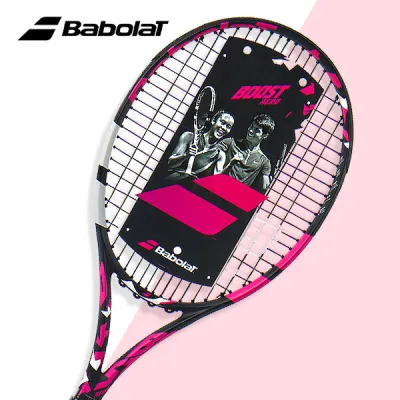
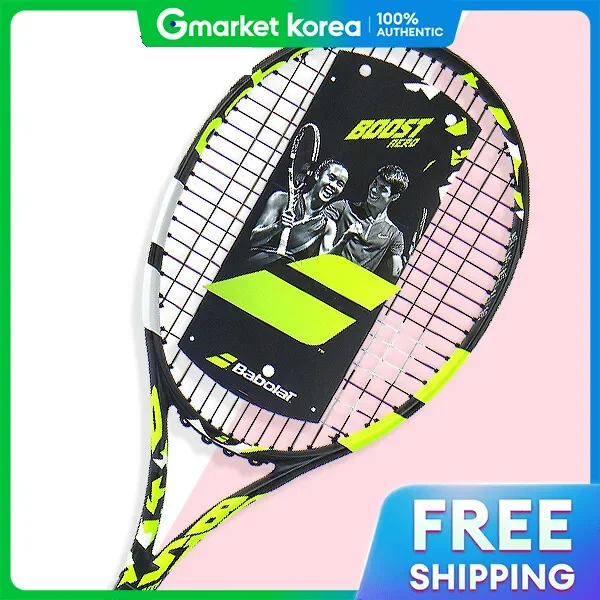

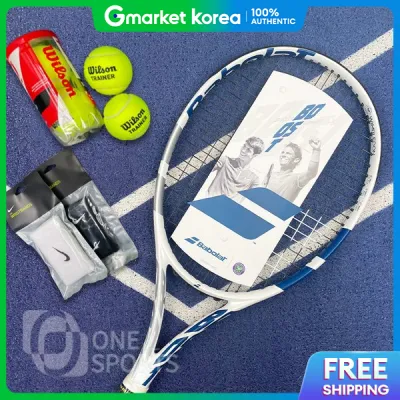
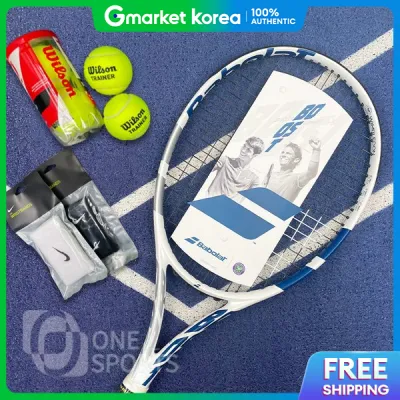

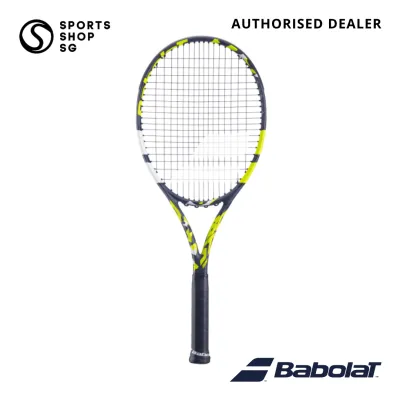
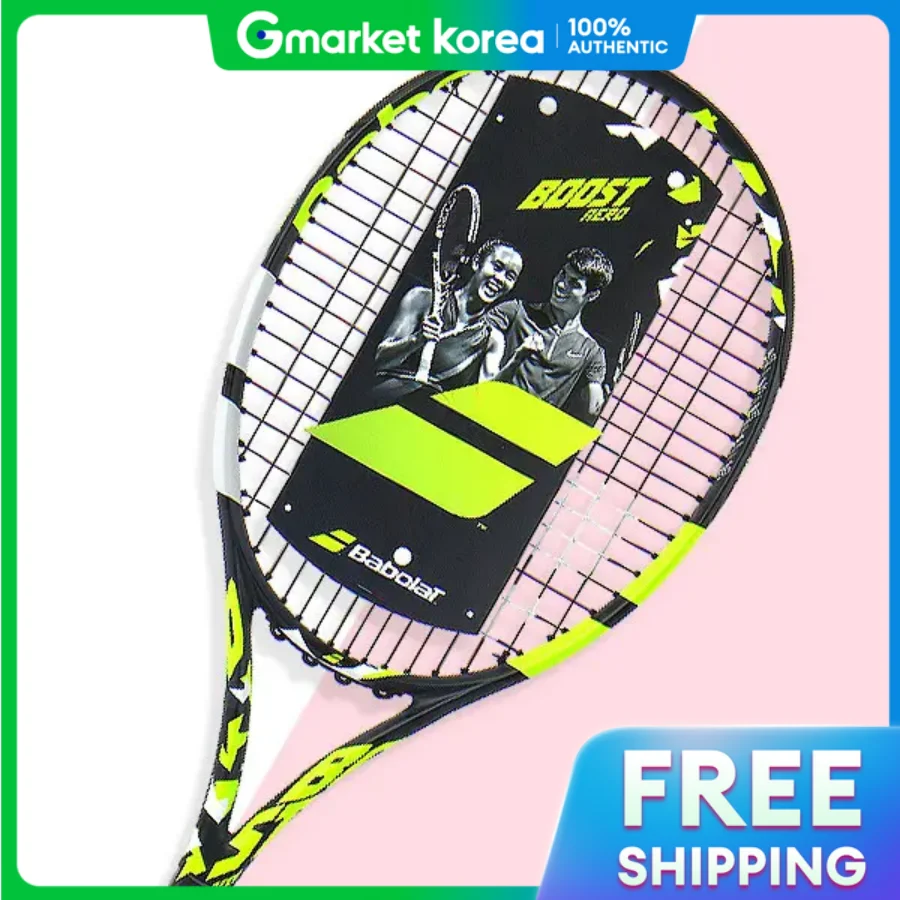
Prices are valid at publication and may change. Please refer to the product page for the latest price.
Each variant in the Boost family targets a distinct on-court behavior. The “D” typically denotes a design focused on power and depth, often utilizing a slightly larger head size to expand the hitting area. The “S” is generally configured for spin, featuring a frame geometry and string spacing that allow the strings to slide and snap back more freely. The “X” serves as the versatile, balanced option, bridging the gap for players who play a mix of baseline defense and net play.
Because manufacturers periodically update their product lines, cosmetic designs and exact specifications can shift between model years. It is always wise to check the latest manufacturer descriptions and product labels to confirm that the specific model year you are purchasing retains the exact playability characteristics you expect. This verification step prevents surprises and ensures your chosen frame matches your current skill level.
Key Specifications to Verify for Your Skill Level
To find the racket that best supports your development, you must look past the paint job and verify several technical specifications on the racket throat or the manufacturer’s spec sheet.

Weight and Swing Weight: The unstrung weight of a racket directly impacts how easily you can swing it over a multi-hour session. A lighter frame reduces arm fatigue and makes it easier to position the racket quickly, which is highly beneficial for beginners or players recovering from tennis elbow. However, a frame that is too light can twist in your hand when facing heavy incoming balls. You should verify the unstrung weight to ensure it matches your physical strength and swing speed.
Head Size and Sweet Spot: Head size is measured in square inches or square centimeters. A larger head size provides a larger sweet spot, meaning off-center hits will still clear the net with reasonable depth. Smaller head sizes offer greater precision and control but require highly consistent contact. If you are still refining your contact point, verifying a larger head size is a practical way to boost your confidence on court.
String Pattern: The string pattern is expressed as the number of main (vertical) strings by cross (horizontal) strings. An open string pattern, such as 16×19, has wider spacing between the strings, which allows the ball to sink deeper into the bed and generate more spin. A denser pattern provides more control and string durability but requires more physical effort to generate depth.
Balance: Racket balance determines how the weight is distributed along the frame. A head-light balance places more weight toward the handle, making the racket feel highly maneuverable at the net. An even or slightly head-heavy balance assists in generating swing momentum, helping you hit deeper groundstrokes with less physical effort.
Matching Your Playing Style: Boost D vs S vs X
Selecting the right model requires an honest assessment of your current playing style and physical preferences.
Choose Boost D if: You find yourself struggling to hit the ball deep into the opponent’s court or if you prefer a highly forgiving frame. The Boost D is engineered to maximize power, making it an excellent match for players with shorter, slower swings who want the racket to do more of the heavy lifting. If your strategy relies on steady baseline rallying and you want to minimize errors on off-center hits, this model’s generous sweet spot provides the necessary support.
Choose Boost S if: You have a moderate to fast swing speed and want to incorporate topspin to keep your aggressive shots inside the lines. The Boost S is designed to feel highly maneuverable, allowing you to whip the racket head through the contact zone quickly. This rapid acceleration, combined with a spin-friendly string bed, helps you generate the upward brush required for effective topspin and slice.
Choose Boost X if: You are an all-court player who likes to mix up your game with baseline groundstrokes, volleys, and slices. The Boost X avoids extreme design biases, offering a balanced weight distribution and head size that perform reliably in all areas of the court. It is an ideal choice if you are still defining your playing style and want a versatile platform that does not lock you into a single tactical approach.
Neither may fit if: You are an advanced tournament player or a highly aggressive hitter who easily breaks strings and requires maximum control. The lightweight, flexible nature of the Boost line cannot support the high-velocity swings of advanced players, who typically require heavier, stiffer frames to prevent the ball from flying out of bounds. If you need a highly customized weight setup or a dense, control-oriented frame, you should look toward Babolat’s performance lines instead.
Side-by-Side Specification Checklist
To ensure you are comparing the correct models, use the following verification framework when browsing retail listings or inspecting rackets in-store.
| Model | Head Size | Unstrung Weight | String Pattern | Primary Focus |
|---|---|---|---|---|
| Boost D | Verify on label (typically larger) | Verify on label (typically lightweight) | Verify on label (typically open) | Power & Forgiveness |
| Boost S | Verify on label (typically midplus) | Verify on label (typically lightweight) | Verify on label (typically open) | Spin & Maneuverability |
| Boost X | Verify on label (typically midplus) | Verify on label (typically lightweight) | Verify on label (typically open) | Balanced All-Court |
Always check the physical markings printed directly on the racket throat, as these represent the definitive specifications of the frame. Keep in mind that the total weight will increase once strings, overgrips, and dampeners are installed. Additionally, specifications can vary slightly depending on the grip size you select or regional market configurations.
Purchasing and Delivery Checks in Singapore
When purchasing a Babolat Boost racket in Singapore, sourcing from authorized sports retailers, official brand stores, or reputable local online marketplaces is essential to ensure you receive an authentic product with a valid manufacturer’s warranty. Avoid purchasing from unverified parallel importers or generic online classifieds where counterfeit rackets are common.
Take time to compare S$ pricing across authorized local channels. Some retailers bundle the racket with professional stringing services, a carrying cover, or complimentary overgrips, which can offer better overall value than a lower base price.
Given Singapore’s highly humid climate, physical inspection upon delivery is crucial. High humidity can degrade factory strings and synthetic grips if the racket has been stored poorly in a warehouse. Inspect the frame thoroughly for any hairline cracks, paint chips, or warping. Check that the grip size matches your order exactly, and press down on the string bed to ensure the strings have not lost all their tension.
Before removing any plastic wrapping from the handle or testing the racket on court, review the retailer’s return and exchange policy. Most local shops will not accept returns once the plastic wrap is removed from the grip or if the strings show signs of ball wear, so perform all physical checks beforehand.
Frequently Asked Questions (FAQ)
Is the Babolat Boost series suitable for beginners?
Yes, the Babolat Boost series is highly suitable for beginners and early intermediate players. Its lightweight graphite construction makes it much easier to swing than heavier player frames, reducing the risk of arm strain as you learn the game. The Boost D, with its typically larger head size, is often the most forgiving option for absolute beginners, as it provides a larger hitting area that helps maintain rally depth even when your contact is not perfectly centered.
Do I need to restring the Babolat Boost racket immediately?
Most Babolat Boost rackets are sold pre-strung with a basic factory synthetic gut string. For beginners and casual recreational players, these factory strings are perfectly adequate for learning the basics and will last for several months of occasional play. However, if you play frequently in Singapore’s humid conditions, or if you want to optimize the racket’s spin and control, you should consult a professional stringer to install a high-quality string at a tension tailored to your specific playing style.
How do I choose the right grip size for my Boost racket?
Choosing the correct grip size is vital for preventing wrist strain and maintaining control of the racket. You can use the classic finger test: hold the racket in an Eastern grip (as if shaking hands with it), and check if you can fit the index finger of your other hand in the gap between your ring finger and palm. If there is not enough space, the grip is too small; if there is excess space, it is too large. In Singapore’s humid climate, many players prefer to buy a slightly smaller grip size (such as Grip 1 or Grip 2) and add an absorbent overgrip to manage sweat and customize the feel.

Community discussion
Share your experience or ask a question. Comments are reviewed before publication.