
Choosing the right tennis racket from a spin-focused lineup requires matching the frame’s physical properties to your personal swing mechanics and physical conditioning. The Babolat Pure Aero family is highly regarded for its spin-generating potential, but the lineup is split into distinct weight classes: the standard Pure Aero, the Pure Aero Team, and the Pure Aero Lite. Selecting the wrong version can lead to early fatigue on humid Singapore courts or a lack of stability against hard-hitting opponents.
To make an immediate decision, evaluate your current playing level and physical strength. The standard Pure Aero is engineered for advanced players and competitive club players who possess full, fast swings and require maximum stability to redirect heavy shots. The Pure Aero Team serves as an intermediate option, offering a balanced mid-weight frame for players transitioning to heavier rackets without sacrificing maneuverability. The Pure Aero Lite is designed for juniors transitioning to adult frames, beginners, or players with shorter swing paths who need a highly maneuverable, lightweight racket to generate head speed.
Before purchasing, always verify your current racket’s weight and balance. If you are experiencing arm fatigue or late contact during long rallies under the tropical heat, transitioning to a lighter model or consulting a local tennis coach is highly recommended.
Products mentioned in this guide

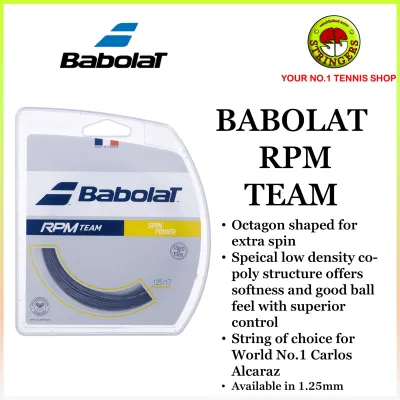

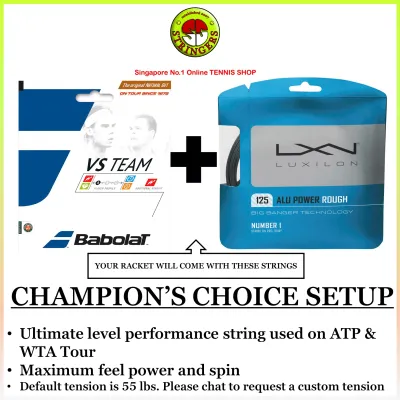
Prices are valid at publication and may change. Please refer to the product page for the latest price.
Quick Answer: Matching the Pure Aero Variant to Your Game
When deciding which model to purchase, a conditional decision framework helps narrow down the choices based on your current skill level and physical strength:
- Choose the standard Pure Aero if you are an advanced player with full, fast swings needing maximum stability against heavy incoming balls.
- Choose the Pure Aero Lite if you are a junior transitioning to an adult frame, a beginner, or a player with a shorter swing needing maximum maneuverability.
- Choose the Pure Aero Team if you are an intermediate player transitioning to heavier frames but still require a racket that is easy to swing.
- Verify your current racket weight and consult a coach if you are unsure of your needs or are experiencing persistent arm fatigue.
Key Specifications to Verify on the Manufacturer Label
When comparing these three models, you should look beyond the cosmetic designs and focus on the technical specifications printed directly on the racket throat or the manufacturer’s official spec sheet. These numbers dictate how the racket behaves in motion and whether it aligns with your physical capabilities.

Unstrung Weight
The unstrung weight is the baseline metric that determines how much physical effort is required to swing the racket. The standard model sits at the heaviest end of this specific lineup, while the Team and Lite versions offer progressively lighter frames. A heavier frame provides more mass to plow through the ball, but it demands greater muscular endurance. A lighter frame allows for rapid acceleration, which is highly beneficial when learning the fundamentals of spin.
Balance Point
Racket balance is measured in millimeters or points head-light or head-heavy. Lighter rackets in this lineup often feature a balance point shifted closer to the head to maintain stability and power despite the lower overall mass. Conversely, the heavier standard model typically features a more head-light balance, keeping the weight closer to your hand to preserve maneuverability during quick net exchanges or fast baseline swings.
Swingweight
Swingweight measures how heavy the racket feels when it is actually in motion. It is influenced by both the overall weight and how that weight is distributed. A high swingweight offers excellent stability and power but can quickly tire out your shoulder and wrist if your technique is not fully developed. Checking the swingweight specifications helps you understand if you can comfortably sustain your swing speed across a multi-set match.
Grip Size Availability
Ensure you verify the available grip sizes for each variant, as some lighter models may have a more limited range of larger grip sizes. Choosing the correct grip size is essential for preventing wrist strain and maintaining a secure hold on the racket, especially during sweaty sessions on outdoor courts.
Matching the Racket to Your Physical Strength and Skill Level
Selecting a racket is a highly personal decision that must account for your physical strength, swing speed, and overall endurance. In Singapore’s warm and humid climate, physical fatigue accumulates rapidly, making the weight of your equipment a critical factor in your performance and injury prevention.
Evaluate your arm strength and swing style honestly. If you have a long, fast swing and regularly play multi-set matches, your body must be conditioned to handle the physical demands of a heavier frame. A heavy racket requires clean technique and precise timing; if your swing slows down due to fatigue, you will likely make late contact with the ball, pushing your shots wide or putting unnecessary stress on your elbow and shoulder joints.
For beginners and developing players, a lighter frame like the Lite version is often the most practical starting point. Generating topspin requires rapid racket head acceleration, particularly at the contact point. A lighter frame allows you to whip the racket from low to high without straining your muscles, helping you establish the correct muscle memory for modern spin mechanics.
The intermediate player often finds themselves in a transitional phase. If you have outgrown a beginner racket but are not yet ready for the demanding weight of a competitive tournament frame, the mid-weight Team version provides an ideal stepping stone. It offers enough mass to handle faster incoming balls while remaining light enough to allow for technical adjustments and recovery during long rallies.
On-Court Trade-offs: Stability vs. Maneuverability
Every adjustment in racket weight involves a direct trade-off between stability and maneuverability on the court. Understanding these dynamics will help you anticipate how each Pure Aero model behaves during different phases of play.
Plow-Through and Stability
Heavier frames excel at absorbing shock and redirecting pace. When you are facing a heavy, fast-paced serve or a deep baseline groundstroke, a heavier racket resists twisting in your hand, allowing you to return the ball with depth and control. Lighter frames, by contrast, can feel unstable or “pushed around” when defending against powerful shots, requiring you to swing harder to achieve the same depth.
Racket Head Speed and Spin
The hallmark of the Pure Aero lineup is spin generation, which relies heavily on racket head speed. A lighter racket is significantly easier to accelerate quickly through the hitting zone. This rapid acceleration allows players with moderate swing speeds to brush up the back of the ball effectively, creating the high-arching topspin that keeps the ball inside the lines.
Vibration Dampening and Comfort
Frame weight and construction play a major role in how vibrations travel up your arm upon impact. While modern frames incorporate specialized dampening materials, off-center hits on a lighter frame can still transmit more harsh vibrations to your joints because there is less mass to absorb the shock. If you frequently hit off-center, a slightly heavier, more stable frame can offer a more solid and comfortable feel, provided you can swing it without late contact.
The Role of String Setup
You can partially customize the performance of your chosen frame through your choice of strings and tension. For instance, if you choose a lighter frame but want more control, you might opt for a co-polyester string at a slightly lower tension to enhance pocketing and spin. Conversely, pairing a heavier frame with a softer multifilament string can improve comfort and power for players looking to ease the physical toll on their arms.
Final Decision Checklist and Next Steps
To finalize your choice among the standard, Team, and Lite variants, use this quick self-assessment checklist to align your needs with the right model:
- Skill Level: Are you a beginner (Lite), intermediate (Team), or advanced player (Standard)?
- Physical Conditioning: Do you have the shoulder and wrist strength to swing a heavier frame for two hours in high humidity?
- Swing Style: Is your swing short and compact (Lite/Team) or long, fast, and fully developed (Standard)?
- Primary Goal: Are you looking for maximum maneuverability and ease of use, or maximum stability and plow-through?
Before making a final purchase, it is highly recommended to demo the rackets. Many local pro shops and tennis academies in Singapore offer demo programs that allow you to test different weights on court. Testing the racket during actual gameplay is the only way to truly feel how the weight, balance, and swingweight interact with your personal stroke mechanics.
Additionally, consult a certified stringer or a qualified coach. They can analyze your swing path and recommend the ideal string type, tension, and grip size to complement your chosen frame. A professional stringing service in Singapore typically costs around S$15 to S$35 excluding the string itself, which is a worthwhile investment to ensure your new racket is perfectly tailored to your game.
Frequently Asked Questions (FAQ)
Can I add lead tape to a Pure Aero Lite to make it play like the Standard version?
While adding lead tape to a lighter frame can increase its overall weight and swingweight, it is highly difficult to perfectly replicate the exact playing characteristics, weight distribution, and internal flex of the standard model. Adding weight to the hoop or handle changes the racket’s balance point and can alter how the frame vibrates upon impact. If you find yourself needing significantly more mass and stability, upgrading to the Team or Standard version is generally more effective than heavily modifying a lightweight frame, as it preserves the structural integrity and engineered feel of the racket.
Do all three Pure Aero models have the same string pattern and head size?
You should always verify the exact specifications on the manufacturer’s official product sheets, as head sizes and string patterns can occasionally vary across different generations of a lineup. Generally, these models share a standard head size and an open string pattern designed to maximize spin potential. However, even when the head size and string pattern are identical, the models will play very differently due to their distinct unstrung weights, balance points, and beam stiffness. The lighter frames are engineered to flex and behave differently to accommodate slower swing speeds, meaning you cannot rely on head size alone to predict how a racket will perform on the court.
Community discussion
Share your experience or ask a question. Comments are reviewed before publication.