
The Babolat Pure Drive is widely recognized in tennis for its power-oriented design and crisp feel. However, looking at a spec sheet filled with numbers can be overwhelming. Understanding what these technical specifications—such as weight, balance, head size, and string pattern—actually mean for your swing speed and ball striking is essential. This guide translates the key numbers into plain language so you can confidently decide if this racket matches your game.
Core Specs: How Head Size, Weight, and Balance Create Power
The foundation of any tennis racket lies in its physical dimensions, which directly dictate how the frame behaves when contacting the ball. For the standard Babolat Pure Drive, the head size is typically 100 square inches. This mid-plus head size is widely considered the sweet spot for modern tennis, offering a generous hitting area that forgives off-center strikes while remaining compact enough for precise directional control. A larger head size inherently increases the trampoline effect of the strings, giving you easy depth even on defensive shots.
Static weight and swingweight are two distinct measurements that confuse many players. The static weight, usually around 300 grams unstrung for the flagship model, represents the physical mass you feel when holding the racket. Swingweight, however, measures how heavy the racket feels when in motion. A frame with a higher swingweight allows you to hit a heavier ball with more plow-through, but it requires more physical strength to accelerate. If the swingweight is too high for your current fitness level, you may find your swing slowing down during long, humid matches on local outdoor courts.
Products mentioned in this guide

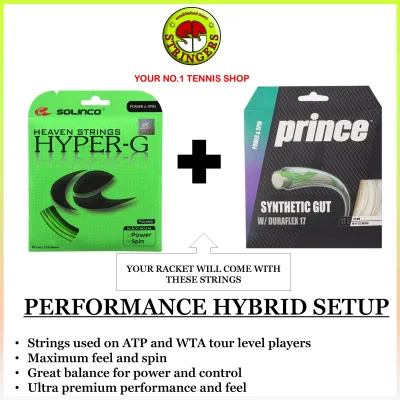



Prices are valid at publication and may change. Please refer to the product page for the latest price.
Balance is the third pillar of core racket geometry, indicating how the weight is distributed between the head and the handle. The Pure Drive is generally designed with a head-light balance when unstrung. This means more of the physical mass is concentrated toward the handle, making the racket feel highly maneuverable. A head-light setup allows you to whip the racket head quickly through the contact zone to generate spin, and it helps you react faster during rapid volleys at the net.
String Pattern and Stiffness: Fine-Tuning Feel and Control
Beyond the basic dimensions of the frame, the string bed configuration and overall frame stiffness determine how the racket transfers energy and grips the ball. The standard Pure Drive features a 16×19 string pattern, consisting of 16 main strings and 19 cross strings. This open string pattern provides larger gaps between the strings, allowing them to deflect and snap back quickly upon impact. This snap-back effect is what generates heavy topspin, helping your powerful shots dive safely inside the baseline.

Frame stiffness is measured using the RA scale, where higher numbers indicate a stiffer frame. The Pure Drive is known for having a relatively high stiffness rating, often landing in the high 60s or low 70s. A stiff frame deforms less when striking the ball, meaning less energy is lost to frame flex and more power is returned directly to your shot. While this creates an incredibly explosive and crisp feel, a stiffer frame also transmits more impact shock to your wrist, elbow, and shoulder.
Because of this high stiffness, your choice of strings and tension is critical to maintaining comfort and control. In warm, tropical climates like Singapore, tennis strings tend to lose tension faster due to heat and humidity. If you pair a stiff frame with a stiff polyester string at a high tension, you may experience increased arm fatigue. Opting for a softer multifilament string or lowering your tension by a few pounds can help cushion the impact, protecting your joints while still capitalizing on the frame’s natural power.
Matching the Spec Profile to Your Playing Style
The specific combination of a 100-square-inch head, a 300-gram static weight, and a stiff frame makes the Pure Drive highly suited for intermediate to advanced players. These players typically have established swing mechanics and can generate their own pace, using the racket to amplify their power. If you are a beginner still developing a consistent swing path, the explosive power of this spec profile might make it difficult to keep the ball in play.
Baseline aggressors who love to dictate rallies with heavy, deep groundstrokes will find this spec profile highly rewarding. The stability of the frame allows you to redirect fast incoming balls with ease, while the open string pattern helps you hit high-arcing topspin shots that push your opponent backward. However, if you are a touch player who relies on delicate drop shots, precise slices, and frequent net rushes, you might find the stiff, power-focused nature of the frame slightly more difficult to control compared to a more flexible, control-oriented racket.
If you love the overall feel of the lineup but find the standard specs too demanding, consider the alternative models in the family. Lighter versions, often designated as “Team” or “Lite,” reduce the static weight to make the racket easier to swing for juniors, seniors, or developing players. Conversely, if you want more control and precision, look for variations with a tighter string pattern or a slightly smaller head size, which trade raw power for surgical accuracy.
How to Verify Exact Specs Before You Buy
Before purchasing, always verify the exact specifications printed on the inside of the racket throat. Manufacturers print these details directly on the frame, including the unstrung weight, balance point, head size, and recommended tension range. Because specifications can vary slightly between different production runs and model generations, checking the physical frame ensures you know exactly what you are buying.
Keep in mind that the printed specifications represent the bare, unstrung frame. Once you add strings, an overgrip, and a vibration dampener, the total weight of the racket will increase by approximately 15 to 20 grams, and the balance point will shift slightly toward the head. When testing or comparing rackets, always ask if the quoted weight is strung or unstrung so you can make an accurate comparison.
Finally, be aware of minor spec adjustments across different model years. Racket manufacturers frequently update their flagship lines every few years, introducing subtle changes to the frame’s beam width, material composition, or weight distribution. If you are upgrading from an older version, compare the new model’s specifications side-by-side with your current racket to anticipate how the subtle changes will affect your timing and swing path on the court.
Frequently Asked Questions (FAQ)
Does a heavier racket always mean more power?
No, a heavier racket does not automatically guarantee more power. Power is determined by both the mass of the racket and the speed at which you swing it. If a racket is too heavy for your physical strength, your swing speed will decrease, which actually reduces the overall power of your shots and increases the risk of wrist or shoulder strain. You should only move to a heavier frame if you can maintain a fast, clean swing throughout a full match.
How much does stringing change the racket's weight and balance?
Stringing a racket typically adds about 15 grams of weight to the frame. Because the strings are installed in the head of the racket, this added mass shifts the balance point toward the head, making the racket feel slightly less head-light than its unstrung specification indicates. If you want to restore a more head-light feel after stringing, you can add an overgrip or a heavier replacement grip to the handle to balance out the weight of the strings.

Community discussion
Share your experience or ask a question. Comments are reviewed before publication.