
Choosing the right baby float is one of the most important decisions you will make when introducing your child to the water. The ideal choice depends on your child’s physical development, weight, and comfort level in the water. A seat float is generally best for younger infants who require full physical support, while a ring float offers freedom of movement for active toddlers who can sit up independently. A swim vest is best suited for older toddlers and young children who are actively transitioning to a horizontal swimming posture.
Understanding how these designs function and matching them to your child’s specific developmental milestones is essential for a safe and enjoyable time in the water. While these flotation aids can help build confidence, they are recreational tools rather than life-saving devices. Selecting the right style requires evaluating where you plan to swim, your child’s current physical abilities, and the specific safety features of each design.
Understanding the Core Differences: Ring, Seat, and Vest
Baby floats generally fall into three primary categories, each designed to support a child at a specific stage of physical development and water familiarity. Understanding these design differences helps you select a tool that matches your child’s natural posture and movement goals in the water.
Products mentioned in this guide
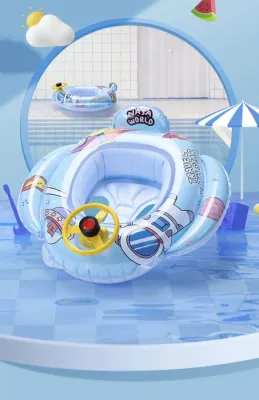
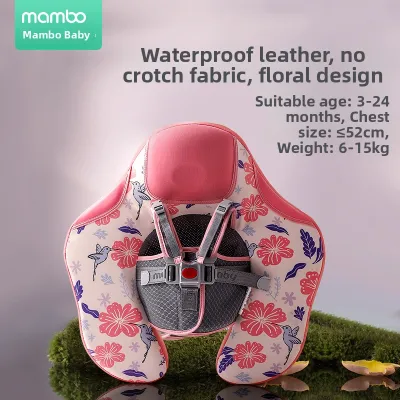
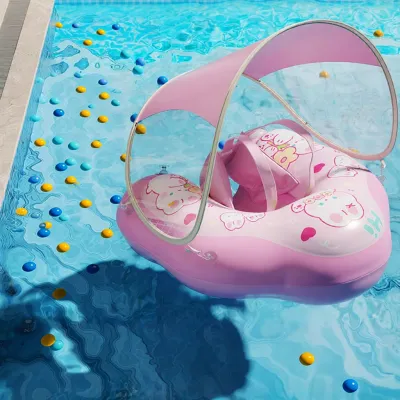
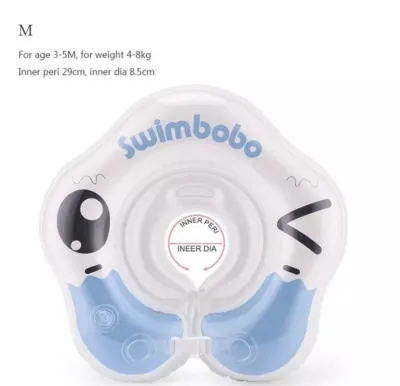
![[𝐒𝐆 𝐒𝐞𝐥𝐥𝐞𝐫] BabySPA Neck Float Swimming Inflatable Premium](https://img.lazcdn.com/g/p/590ccfc80df351ffa5056dc827b3cdf8.jpg_400x400q80.jpg_.webp)
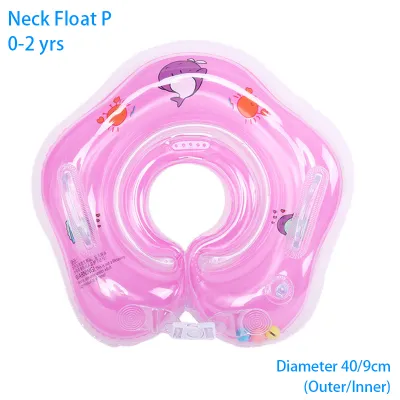
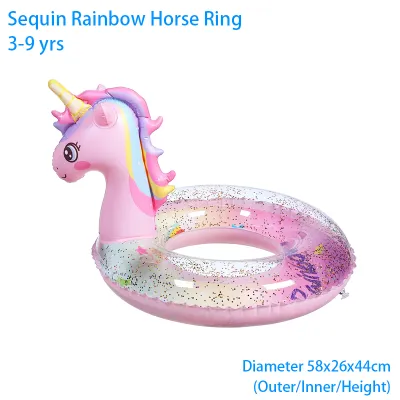
Prices are valid at publication and may change. Please refer to the product page for the latest price.
Ring floats consist of a simple circular tube that fits around the child’s waist or under their arms. This design relies entirely on the child’s ability to maintain an upright posture using their own core strength. Because there is no seat or harness holding them in place, ring floats offer completely unrestricted leg movement, allowing children to kick freely and explore water resistance.
Seat floats feature an enclosed design with built-in leg holes and a supportive seat structure, often resembling a swing. This configuration lowers the child’s center of gravity in the water, providing excellent stability and preventing them from slipping through. Many seat floats also include high backrests for head support and detachable overhead canopies to shield delicate skin from the sun.
Vest floats, which include swim jackets and arm-band hybrids, wrap securely around the child’s torso and sometimes their upper arms. Unlike seats and rings that keep a child in a vertical, passive position, vest floats are designed to encourage a natural, horizontal swimming posture. This design helps children learn to balance themselves in the water while keeping their heads safely above the surface.
Matching Float Types to Age, Weight, and Water Confidence
Selecting a baby float is not a matter of choosing the most colorful design; it requires a careful assessment of your child’s physical readiness and weight. Manufacturers design these products with strict physical limits that must be verified before every use.

Age and weight thresholds are the first specifications you should check on any product label. Buoyancy is calculated based on specific weight ranges, and exceeding these limits can cause the float to sit too low in the water, increasing the risk of water entering the child’s mouth or nose. Conversely, placing a child who is too light into a large float can result in them slipping through the openings or tipping over.
Physical readiness is even more critical than chronological age. For a seat float, a baby must have sufficient neck strength to hold their head upright steadily without assistance, which typically develops around six months of age. Ring floats demand even greater physical maturity, requiring the child to have strong core stability and the ability to sit upright unsupported on land before they can safely use one in the water.
Water confidence also dictates which float is most appropriate. A child who is hesitant or new to the water will benefit from the secure, enclosed feeling of a seat float, which keeps them upright and stable. As they gain confidence and begin to splash and kick actively, they can transition to a vest float, which allows them to practice active paddling and body coordination.
Safety First: What Baby Floats Can and Cannot Do
Water safety requires a clear understanding of the limitations of recreational swim gear. No float can replace active adult supervision, and understanding these boundaries is vital for preventing accidents.
The “touch supervision” rule is the most critical safety practice for any parent or caregiver. This rule dictates that an adult must be in the water and within arm’s reach of the child at all times, keeping constant eyes on them. Baby floats can capsize in a split second due to sudden movements, wind, or waves, and a child trapped upside down in a float cannot right themselves.
It is vital to distinguish between recreational flotation aids and certified life jackets. Baby floats, seats, and rings are classified as water toys or swim trainers; they are not certified personal flotation devices (PFDs). They are not designed to keep a child’s face out of the water automatically in an emergency or if the child loses consciousness, which is why they should never be used in high-risk environments.
Performing a pre-use inspection before every swim session is a simple way to prevent equipment failure. Inflate the float fully and check for slow air leaks, particularly around the inflation valves. Inspect the seams for any signs of splitting, thinning plastic, or tearing fabric, and ensure that all plastic buckles, straps, and safety valves close securely and remain locked under pressure.
Knowing when to stop a swim session is just as important as preparing for one. You should immediately remove your child from the water if you notice them slipping down inside a seat float, if the float begins to tilt, or if the child shows signs of shivering, fatigue, or distress. Sudden changes in weather, such as rising winds or rain, also require an immediate exit from the pool.
Comparing Features for Different Water Environments
The environment where you plan to swim plays a major role in determining which baby float is safest and most practical. Different water bodies present unique challenges, from sun exposure to water movement.
In home bathtubs and shallow splash pools, space is limited, making smaller and simpler floats the most practical choice. A basic seat float or a small ring float without a bulky canopy allows the child to experience the sensation of water and splash safely without crowding the limited space. These controlled, shallow environments are excellent for early water familiarization.
Standard swimming pools, such as those found in local sports complexes or residential condominiums, are ideal for larger seat floats with integrated UV-protection canopies. Because pool sessions often last longer, a canopy helps protect your child’s skin from intense tropical sunlight. For older toddlers who are ready to move around the pool actively, a swim vest provides the necessary buoyancy while allowing them to practice kicking across the water.
Beaches and open water present unpredictable hazards, such as waves, currents, tidal changes, and wind drift. Standard inflatable baby floats, seats, and rings are highly dangerous in these environments because they can easily be swept away or flipped by a sudden wave. If you are near open water, avoid inflatable toys entirely and rely on certified life jackets combined with holding your child securely in your arms.
Decision Framework: Which Baby Float Should You Choose?
To make the final decision for your child, evaluate their current physical development and swimming goals against the specific characteristics of each float type.
Choose a seat float if your child is an infant between 6 and 12 months old, has good neck control but cannot yet sit upright unsupported, and needs a stable, secure platform for gentle water introduction in a calm, shaded pool environment.
Choose a vest float if your child is a toddler who has basic water confidence, is actively learning to kick and paddle, and needs a flotation aid that encourages a horizontal swimming posture while keeping their head above water.
Choose a ring float if your child is an older toddler or young child with excellent core stability, enjoys active splashing and kicking, and will be supervised at arm’s reach in shallow, calm water.
Always verify the manufacturer’s weight and age limits before purchasing or using any float. If your child’s weight is near the upper limit of a specific category, or if they have unique physical or developmental needs, prioritize their physical ability and comfort over chronological age guidelines to ensure a safe experience.
Frequently Asked Questions (FAQ)
Can I use a baby float in the ocean or at the beach?
No, recreational inflatable baby floats, seats, and rings should not be used in the ocean or at the beach. Open water environments present unpredictable hazards such as waves, undercurrents, and wind drift that can easily capsize an inflatable float or sweep a child away from the shore. For beach outings, keep your child in shallow water while holding them securely, or use a certified personal flotation device designed specifically for infants and toddlers.
How do I properly clean and store an inflatable baby float?
To maintain the integrity of the material, rinse the float thoroughly with clean, fresh water after every use to remove chlorine, salt, sand, and sunscreen residue. Allow the float to air dry completely in a shaded area, as drying it in direct sunlight can cause UV degradation and weaken the seams. Once dry, deflate the float fully and store it in a cool, dry place away from sharp objects and extreme temperature fluctuations.
At what age should a child transition from a float to swimming lessons?
While parent-child water familiarization classes can begin as early as six months of age, formal swim lessons that teach independent survival skills and swim strokes typically start around age three or four. This transition depends on your child’s physical coordination, cognitive development, and comfort in the water. Recreational baby floats should be viewed as temporary tools for water play and should never be used as a substitute for professional swimming instruction.
Community discussion
Share your experience or ask a question. Comments are reviewed before publication.