
Choosing the right basketball bag is not about finding a one-size-fits-all solution; it is about matching your gear transportation to your daily movement. The debate between a basketball backpack and a duffel bag comes down to how you travel to the court and what you need to carry alongside your basketball. Neither style is universally superior. Instead, the optimal choice depends entirely on the intersection of your commute style, your gear volume, and your daily schedule.
If you rely on public transit, ride a bicycle or motorcycle, or need to carry work or school essentials like a laptop alongside your sports gear, a specialized basketball backpack is generally your best option. Conversely, if you drive to the court, carry multiple pairs of shoes, or prioritize wide-open, immediate access to all your gear while sitting on the bench, a duffel bag is the superior choice. While hybrid bags that attempt to offer both backpack straps and duffel handles exist, they often introduce compromises, such as awkward weight distribution or a lack of specialized, isolated compartments for shoes and wet clothing. By evaluating your routine against the specific structural strengths of each style, you can select a bag that simplifies your transition from daily responsibilities to the court.
Carrying Comfort and Commute: Backpack vs. Duffel Basketball Bag
When evaluating a basketball bag, the physical experience of transporting your gear is a primary consideration. A standard basketball setup—including a size 7 ball, high-top court shoes, a water bottle, and change of clothes—can easily weigh between four to six kilograms. How this weight is distributed across your body during your commute directly impacts your physical comfort and energy levels before you even step onto the court.
Products mentioned in this guide
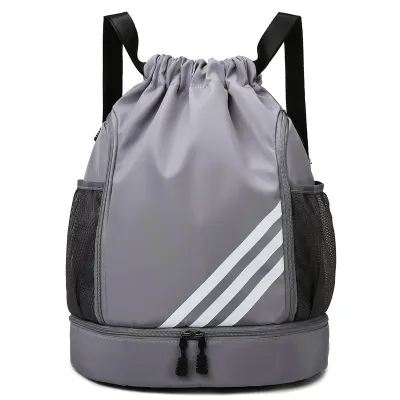
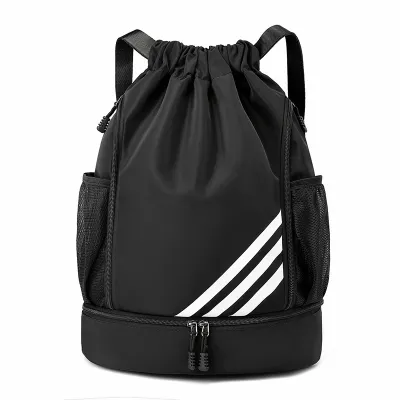
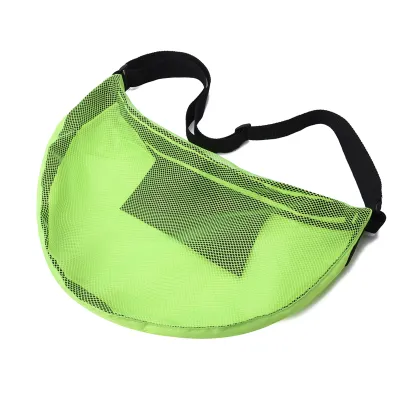
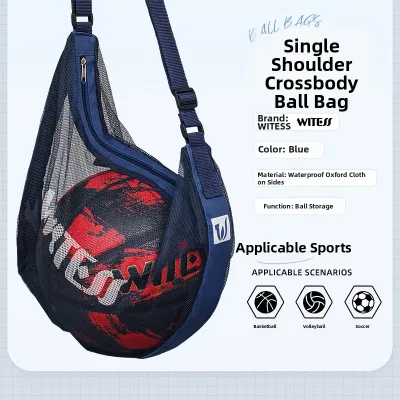
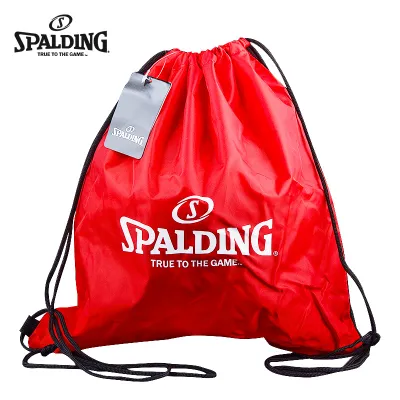
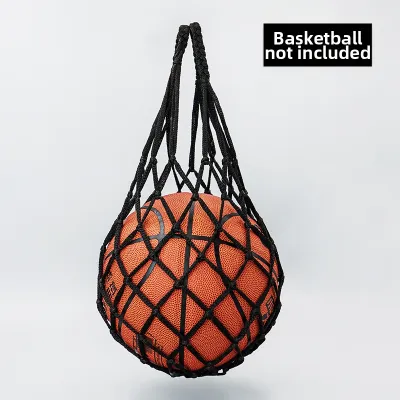
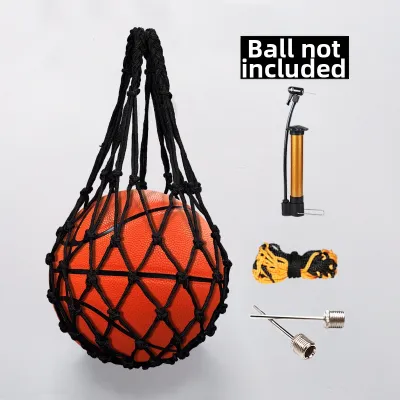
Prices are valid at publication and may change. Please refer to the product page for the latest price.
Backpacks excel in ergonomic weight distribution. By utilizing two symmetrical, padded shoulder straps, a backpack centers the load over your spine and utilizes your larger back and shoulder muscles. This design minimizes asymmetrical muscle strain, making it the ideal choice for players who walk long distances, ride bicycles, or navigate crowded public transit networks like the MRT. Hands-free convenience allows you to hold handrails, use your phone, or carry additional items easily. However, in warm and humid climates, a tightly fitted backpack can restrict airflow, leading to significant back sweat. When choosing a backpack, it is highly recommended to verify that the back panel features thick, ventilated mesh padding or air-channel designs to mitigate this issue.
Duffel bags, by contrast, rely primarily on a single diagonal shoulder strap or dual hand-carry straps. This configuration places the entire weight of the bag on one shoulder, which can lead to posture compensation, neck strain, and muscle fatigue over longer walking distances. While padded shoulder sleeves help cushion the strap, carrying a heavy duffel over one shoulder for more than fifteen minutes is rarely comfortable. However, if your commute consists primarily of driving or taking point-to-point rides, the ergonomic drawbacks of a duffel become negligible. A duffel bag is exceptionally easy to toss into a car boot, slide onto a passenger seat, or place inside a spacious gym locker, making it highly efficient for vehicle-based commutes.
To determine which style suits your commute, calculate your average travel time and primary mode of transport. If your routine involves walking more than ten minutes per trip or relying on buses and trains, prioritize the ergonomic support of a backpack. If your transit is vehicle-based and your walking distance is limited to the path between the car park and the court, the carrying limitations of a duffel will not be a significant hindrance.
Storage Capacity and Gear Organization
The internal architecture of your basketball bag dictates how efficiently you can pack, organize, and retrieve your gear. Basketball equipment is inherently bulky and irregularly shaped, requiring smart compartment design to maximize space and maintain hygiene.

Shoe Compartments
Because basketball shoes feature thick outsoles and high-top ankle collars, they require substantial storage space. Many basketball backpacks feature a dedicated bottom or front shoe compartment. While these compartments isolate dirty outsoles from your clean clothes, they often expand inward, eating into the main compartment’s volume. If you wear a US shoe size 11 or larger, or play in bulky high-top sneakers, you must verify the exact dimensions of the backpack’s shoe pocket before purchase, as many standard backpacks cannot accommodate larger sizes without compressing the rest of your gear. Duffel bags typically handle footwear better, utilizing spacious side end-pockets or allowing shoes to lie flat along the bottom of a wide main cavity, which easily accommodates larger shoe sizes without compromising the rest of the bag’s capacity.
Ball Storage
Storing a fully inflated basketball requires a dedicated space solution. Backpacks designed specifically for basketball often feature an external mesh cargo net that clips to the front, or a specialized zippered front pocket that cradles the ball. This external or semi-external placement preserves the backpack’s internal volume for laptops, books, or clothing. Duffel bags rarely feature external ball nets; instead, the ball must be placed directly inside the main compartment. While the spacious interior of a duffel easily fits a ball, doing so occupies a significant portion of the central cavity, requiring you to pack other items around it.
Main Compartment Shape
The physical geometry of the main compartment determines how easy it is to find your items. Duffel bags feature a wide, horizontal, cylindrical or rectangular opening with a long zipper. This design allows you to open the bag fully and see every item at a single glance, eliminating the need to rummage. Backpacks, conversely, utilize a deep, vertical cavity. Even with clamshell or roll-top openings, items packed at the bottom of a backpack can be difficult to access without removing the items stacked on top of them. If you prefer structured organization where everything has a visible, designated place, the duffel’s layout is structurally superior.
Wet and Dirty Gear Isolation
Playing basketball in tropical climates or intense indoor settings results in heavily soaked jerseys, socks, and towels. Storing damp gear alongside clean clothes or electronics is a recipe for odor transfer and bacterial growth. Duffel bags often feature dedicated, water-resistant end pockets specifically designed to isolate wet gear. Backpacks may include small dry-wet separation pockets, but their vertical, compressed nature limits their capacity. For both styles, look for bags that feature metal grommets or mesh ventilation panels. These features allow moisture to escape, preventing the buildup of mold and unpleasant odors during your journey home.
Court-Side Accessibility and Durability
Once you arrive at the court, your bag transitions from a transport tool to a stationary gear locker. How the bag behaves on the sidelines can affect your focus and the longevity of the bag itself.
Footprint and Stability
On the sidelines, space is often limited to a narrow bench, a concrete ledge, or the floor next to the court. Duffel bags are designed to lie flat on their wide bases, providing excellent stability. They stay open on their own, allowing you to reach in, grab a towel, and toss it back in without the bag tipping over. Backpacks have a much smaller base footprint and a high center of gravity, especially when loaded with a basketball near the top. Consequently, they tend to tip over easily on uneven surfaces unless they are leaned against a wall, bench, or court fence.
Quick Access
During short breaks or timeouts, you need rapid access to small essentials like your water bottle, phone, inhaler, or keys. Backpacks often feature external elastic mesh side pockets that keep water bottles upright and easily reachable. They also frequently include small, zippered top pockets for valuables. Duffel bags require you to unzip the main compartment or access side pockets, which can be less convenient if the bag is sitting on the dusty floor of an outdoor court.
Material and Base Protection
Whether you play on polished indoor hardwood or abrasive outdoor concrete, your bag will frequently contact rough surfaces, dirt, and occasional moisture. The base of the bag is its primary point of vulnerability. To ensure long-term durability, avoid bags with thin fabric bottoms. Instead, check the manufacturer’s specifications for high-denier polyester (such as 600D or higher) or heavy-duty tarpaulin bases. A water-resistant, wipe-clean bottom panel is essential for outdoor courts, protecting your dry clothes inside from ground moisture and making it easy to clean off dirt and dust with a damp cloth after the game.
Matching the Bag to Your Player Lifestyle
Your choice of a sports bag should not exist in a vacuum. To get the most utility out of your purchase, choose a style that integrates smoothly with your daily responsibilities, professional obligations, and playing frequency.
The Student and Daily Commuter
For students and daily commuters, carrying two separate bags—one for books and laptops, and another for basketball gear—is highly impractical. The ideal bag must serve a dual purpose. A specialized basketball backpack is almost always the superior choice for this lifestyle. Look for models that feature a dedicated, padded laptop sleeve (typically accommodating up to a 15-inch device) positioned closest to your back for maximum protection. This setup allows you to carry your academic or personal electronics safely, while the external ball net and isolated bottom shoe compartment keep dirty sports gear completely separate from your schoolwork.
The Office Worker and Weekend Player
Transitioning directly from a professional office environment to an evening recreational league requires a careful balance of aesthetics and organization. Carrying a bulky, brightly colored sports duffel into a corporate office can sometimes look out of place. For this scenario, a sleek, minimalist commuter backpack with hidden sports compartments offers a professional appearance during the day while remaining functional for the court. However, if your job requires you to wear formal business attire that must remain unwrinkled, a structured duffel bag is highly advantageous. A duffel allows you to fold and lay your work clothes flat in the main compartment after you change into your playing gear, preventing the creasing that inevitably occurs when stuffing clothes into a vertical backpack.
The Dedicated and Tournament Player
If you train multiple times a week, play in organized leagues, or travel for weekend tournaments, your gear requirements are significantly higher. You likely carry primary and backup court shoes, multiple jerseys, warm-up gear, resistance bands, recovery tools, and massive water bottles. For this level of volume, a medium-to-large duffel bag (typically 50 liters or more) is unmatched. The sheer physical volume and wide-open structure of a large duffel allow you to pack extensive gear without struggling to zip the bag closed. Because tournament venues often involve sitting on bleachers for hours, the easy court-side accessibility of a flat-laying duffel is highly practical for keeping all your gear organized and within arm’s reach.
Final Decision Framework: How to Choose Your Basketball Bag
Before making your final purchase, use this practical verification checklist to ensure the bag you select will perform reliably in your daily routine:
- Verify Shoe Compartment Dimensions: Do not rely solely on generic "one-size-fits-all" claims. If you wear US size 11 shoes or larger, measure the length of your shoes and compare them against the published dimensions of the bag's shoe pocket to guarantee a comfortable fit.
- Check the Base Material: Ensure the bag features a reinforced, water-resistant base (such as tarpaulin or coated polyester) to protect your gear from wet outdoor courts or dirty locker room floors.
- Assess Strap Padding and Hardware: Inspect the shoulder straps for thick, high-density foam padding. For duffel bags, verify that the strap attachment points utilize durable metal or heavy-duty polymer D-rings rather than thin plastic clips that can snap under heavy loads.
- Confirm Ventilation Features: Look for dedicated air vents, mesh panels, or metal grommets on shoe and wet-gear compartments to facilitate airflow and prevent mold growth in humid conditions.
If you are purchasing your bag at a physical retail store, bring your actual court shoes and basketball with you to test the fit, weight distribution, and ease of access in person. If you are ordering from an online sports retailer, carefully review their return policy so you can perform a test pack at home and return the bag if the compartment sizes or carrying comfort do not meet your real-world expectations.
Community discussion
Share your experience or ask a question. Comments are reviewed before publication.