
Starting a new sport is exciting, but stepping onto the mat for the first time can feel overwhelming when you look at the array of specialized equipment. If you are beginning your athletic journey, you do not need to purchase an entire catalog of athletic wear and training aids immediately. The absolute minimum essential gear you need for your first practice consists of three basic items: a supportive pair of specialized shoes, form-fitting practice clothing, and secure hair ties. By focusing on these core essentials, you can safely learn the basics of stunting, tumbling, and jumping without overspending.
Assess Your Training Stage and Team Requirements
Before spending a single dollar on new gear, your very first step must be to communicate with your coach or team captain. Every cheerleading program, whether it is a school squad, a university team, or an all-star gym, has its own specific rules regarding uniforms, practice wear, and safety standards. Asking for an official mandatory gear list prevents you from purchasing items that might violate team dress codes or safety policies.
Furthermore, many training facilities and schools provide shared equipment for their athletes. Items like practice mats, pom-poms, stunt blocks, and resistance bands are typically kept in the gym for everyone to use during scheduled sessions. Investing in personal versions of these items is highly unnecessary during your first few months. Wait until you have secured your spot on the official roster and fully committed to the season before you consider purchasing high-end custom apparel, personalized team bags, or expensive home training aids.
Products mentioned in this guide
Prices are valid at publication and may change. Please refer to the product page for the latest price.
The Minimum Essential Cheer Gear for Your First Practice
Having the correct basic gear ensures you can participate fully in drills while minimizing the risk of accidents or injuries on the mat.

Cheerleading Shoes
Specialized footwear is the most critical piece of equipment a beginner will buy, serving as your primary line of defense against lower-limb injuries. Unlike standard athletic shoes, cheer shoes are engineered with flat, low-profile, and highly flexible soles that allow you to flex your feet during jumps and feel the floor during tumbling. They also feature specific finger grooves and grip zones on the soles, which are essential for bases to safely hold and support a flyer’s feet during stunts.
Proper fit and robust ankle support are non-negotiable when selecting these shoes. A loose shoe can slide during a stunt or tumble, leading to severe ankle sprains or falls. When trying on shoes, ensure there is no slippage in the heel and that your toes have just enough room to lie flat without being cramped. Because sizing for specialized footwear often differs significantly from standard street shoes, always measure your feet in centimeters and compare the results directly to the manufacturer’s specific size chart rather than relying on your usual shoe size.
Practice Apparel and Base Layers
The clothing you wear to practice must balance freedom of movement with strict safety requirements. Loose, baggy t-shirts and oversized shorts are serious safety hazards in cheerleading because fingers, toes, and even entire hands can easily get caught in loose fabric during transitions, stunts, or baskets. Instead, opt for form-fitting, highly stretchable tops and shorts, such as athletic tanks and compression shorts, which stay close to the body and allow spotters to maintain a clear, unobstructed grip.
In Singapore’s hot and humid tropical climate, the choice of fabric is exceptionally important for your health and comfort. Training sessions in non-air-conditioned school halls or outdoor spaces can lead to rapid overheating and heavy sweating. Look for high-quality moisture-wicking and breathable synthetic blends, such as polyester-spandex or nylon-spandex, which pull sweat away from your skin and dry quickly to prevent chafing and bacterial buildup. Additionally, ensure your base layers—such as sports bras and compression underwear—are seamless and neutral-colored (like nude, white, or black) so they remain completely invisible under your practice wear or future team uniforms.
Hair Accessories and Safety Ties
Proper hair management is a fundamental safety rule in cheerleading that is strictly enforced at every level of training. Loose hair can easily block your vision during a spin or tumble, or worse, get tangled in a flyer’s fingers or a base’s grip during a stunt. To prevent these dangerous scenarios, your hair must be secured tightly away from your face and eyes before you step onto the practice floor.
For daily practices, invest in a pack of high-quality, snag-free elastic bands that can hold a high ponytail securely without snapping mid-routine. Use strong, flat bobby pins or snap clips to secure any loose flyaways or bangs. While large, colorful team bows and ribbons are iconic symbols of the sport, you should hold off on buying them initially. These accessories are highly team-specific, and you should only purchase them once your coach confirms the exact color, size, and style requirements for the upcoming season.
Non-Essential Items You Can Borrow or Delay
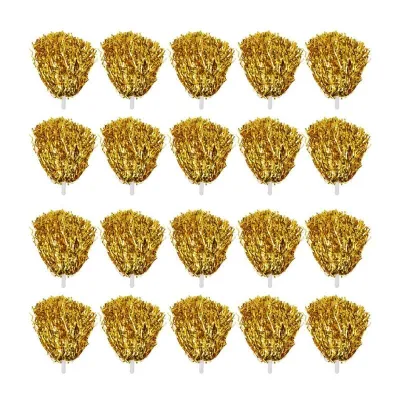
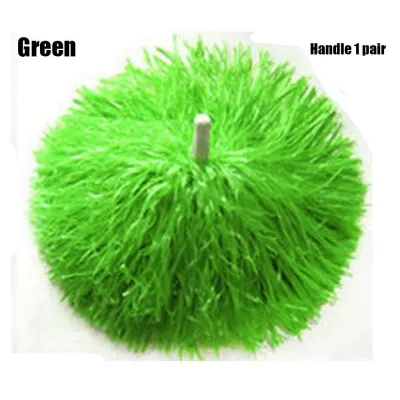
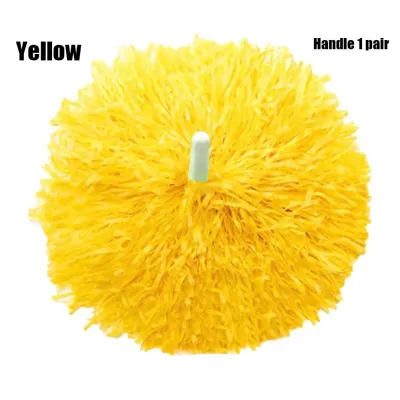
When you are just starting out, it is easy to get swept up in the aesthetic of the sport and purchase items you do not actually need. Pom-poms are a prime example; these performance props are almost always owned and provided by the school or gym for both practices and public performances, meaning beginners rarely ever need to buy a personal pair.
Similarly, specialty training aids like stunt straps, personal folding mats, balance trainers, or flexibility blocks are luxury items that are readily available at any properly equipped training facility. Buying these for home use before you have mastered basic body control under professional supervision is not only a waste of money but can also encourage improper form or injury outside the gym.
You should also exercise patience when it comes to casual team wear and competition uniforms. Custom team jackets, branded hoodies, and casual practice shirts are highly appealing, but purchasing unofficial gear from third-party vendors can lead to mismatched styles and wasted funds. Wait for official team orders to ensure uniformity. Finally, competition uniforms are incredibly expensive and are ordered collectively by the program management later in the season, meaning there is absolutely no need to worry about them during your initial training phase.
How to Verify Fit and Shop Smartly
To make sure you get the right gear on a beginner’s budget, you must approach shopping with a methodical plan. Start by taking precise physical measurements at home. For footwear, place your foot flat on a piece of paper, trace the outline, and measure the distance from the heel to the longest toe in millimeters. Do this in the late afternoon when your feet are slightly swollen from daily activity to ensure the shoes will not be too tight during intense practices.
When shopping on online e-commerce platforms, always read the seller’s return and exchange policies with extreme care. Specialized footwear can have highly unpredictable sizing, and you may need to exchange your first pair for a half-size larger or smaller to achieve that perfect, secure fit.
For a beginner, prioritizing durability, safety standards, and material quality over premium brand names or trendy aesthetic designs is the smartest financial path. Look for reinforced stitching on practice wear and reputable shoe brands that focus on athletic performance rather than lifestyle fashion. A well-constructed, mid-tier shoe will protect your feet just as effectively as a top-of-the-line model while allowing you to test your commitment to the sport without a massive financial burden.
Routine Safety Checks and Replacement Signals
Your gear is not just about looking the part; it is active safety equipment that undergoes severe stress during high-impact routines. Performing regular visual and physical inspections of your gear is essential to prevent sudden failures that could lead to injury. For your shoes, check the outsoles weekly for worn-out treads, peeling rubber, or separation between the sole and the upper material. If the ankle support feels soft or the shoe twists too easily in your hands, the structural integrity has compromised, and it is time for a replacement.
Similarly, inspect your practice apparel regularly for signs of wear. Look closely for loose threads along seams, pilling fabric, or stretched-out elastic bands in your shorts and sports bras. Loose seams can split unexpectedly, and stretched elastic can cause clothing to slip or sag, creating dangerous snagging hazards during partner stunts. If you detect any structural damage, stop using the item immediately and consult your coach or a gear specialist to determine if it can be safely repaired or if a replacement is required.
Frequently Asked Questions (FAQ)
Can I use regular running shoes for cheerleading practice?
No, regular running shoes are highly unsuitable and dangerous for cheer practices. Running shoes are designed with thick, cushioned, and often uneven soles optimized for forward motion, which lacks the lateral stability required for rapid side-to-side movements and tumbling. Furthermore, the bulky tread designs on running shoes can pinch or injure a base’s hands during stunts, and they do not provide the flat, stable platform needed for safe stunting. To protect your ankles and your teammates, you must wear flat, flexible cheer-specific shoes.
Do I need to buy my own cheerleading mat for home practice?
No, beginners do not need to buy a personal cheer mat for home use. Full-sized, high-impact mats are expensive, require significant storage space, and can create a false sense of safety. As a beginner, your home practice should focus entirely on non-impact activities like conditioning, stretching, and motion drills, which can be done safely on a standard yoga mat or carpeted floor. All high-impact tumbling, stunting, and pyramid practice must be kept within a fully equipped gym under the direct supervision of a qualified coach.
Community discussion
Share your experience or ask a question. Comments are reviewed before publication.