
To start cheerleading, a beginner only needs a few high-quality essentials: a pair of dedicated cheer shoes, breathable practice wear, a high-impact sports bra, and safe, snag-free hair ties. Because cheer is a highly physical, multi-directional sport combining gymnastics, dance, and stunting, having the correct basic gear is vital for safety and performance. Specialized items like role-specific braces, custom team uniforms, and home training mats are unnecessary and often counterproductive when you are just starting out.
While the excitement of joining a new program can make you want to buy every accessory available, overspending early on is a common mistake. Beginners should focus on safety, mobility, and comfort, particularly when training in warm, humid climates. Equipment is secondary to proper coaching, physical conditioning, and personal judgment; no piece of gear can replace structured training and progressive skill development.
The Absolute Essentials Every Beginner Needs for Cheer
Investing in dedicated cheer shoes is the most critical decision a beginner will make. Unlike standard running shoes, which feature thick, cushioned midsoles and aggressive tread patterns designed solely for forward motion, cheer shoes are flat, low-profile, and exceptionally lightweight. They are engineered with smooth, rounded edges and specialized finger grooves on the soles, allowing bases to maintain a secure, slip-free grip during lifts. Standard running sneakers can easily catch on foam training mats or scrape a stunting partner, making them a safety hazard during practice.
Products mentioned in this guide
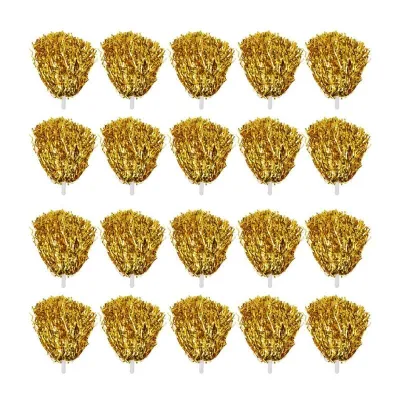
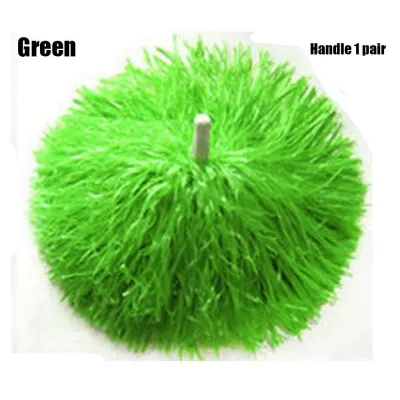
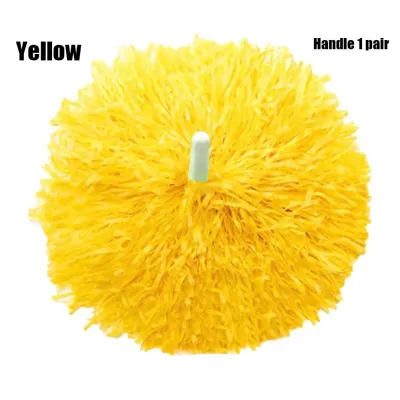
Prices are valid at publication and may change. Please refer to the product page for the latest price.
When selecting practice apparel, prioritising mobility and moisture management is essential. In Singapore’s tropical climate, training sessions in school halls or dedicated gyms can quickly become hot and humid, leading to heavy perspiration. Opt for lightweight, form-fitting clothing made from synthetic blends like polyester-elastane or nylon-spandex, which pull moisture away from the skin and dry rapidly. Avoid heavy cotton fabrics that retain sweat, become heavy, and restrict your range of motion.
Safe hair accessories are a non-negotiable safety requirement for anyone with medium to long hair. Hair must be secured tightly away from the face and eyes to ensure unobstructed vision during rapid rotations, jumps, and stunts. However, you must avoid hard plastic claw clips, metal bobby pins, or elaborate decorative bows during regular practice sessions. These hard objects can fly off onto the mat, creating a stepping hazard, or puncture the scalp during a fall; rely instead on strong, snag-free elastic bands and soft scrunchies.
Supportive undergarments are equally vital for safety and comfort during high-impact movements. Jumps, tumbling passes, and stunting subject the body to significant vertical forces, making a high-impact sports bra essential. Look for designs with wide, supportive shoulder straps, a flat under-bust band, and moisture-wicking properties. Ensure the bra has flat seams to prevent painful chafing during repetitive conditioning drills and long training sessions.
Do You Need Role-Specific Gear Right Away?
Cheerleading positions—such as flyers, bases, and back spots—have distinct physical demands, but beginners should avoid purchasing specialized position-specific gear immediately. During the first few weeks of a program, coaches focus on teaching fundamental movements and assessing each athlete’s flexibility, strength, height, and group chemistry. Most beginners rotate through multiple roles before being assigned a permanent position, making early specialized purchases highly impractical.

Gear Considerations for Flyers
Flyers are the athletes who are lifted, tossed, and balanced in the air during stunts. Because bases must support their weight, flyers require ultra-lightweight shoes, often weighing under 200 grams, to minimize the load on their partners. Some flyers eventually use specialized grip-enhancing sprays or rosin on the soles of their shoes to prevent slipping in their bases’ hands.
Before purchasing any grip aids, beginners should wait and consult their coach. Many gyms have strict rules regarding what substances can be applied to shoes, as certain residues can permanently damage vinyl or carpet training mats. In most cases, beginner flyers will find that clean, dry shoe soles provide more than enough traction as they learn basic balancing techniques.
Gear Considerations for Bases and Back Spots
Bases and back spots are responsible for lifting, throwing, and catching the flyers, which places considerable physical demand on their wrists, shoulders, and knees. To manage this strain, some experienced athletes use neoprene knee sleeves, athletic tape, or wrist supports. Beginners, however, should focus on developing correct lifting mechanics and core strength rather than relying on external supports.
Using supportive braces too early can mask poor stunting technique and prevent the natural development of stabilizing muscles. If you have a pre-existing joint injury, always consult a qualified medical professional before using braces, and ensure any supportive gear is cleared by your coach. For general grip support, simple lifting chalk may be permitted in some gyms, but proper hand placement and timing remain the primary factors in safe stunting.
What to Skip: Gear You Don't Need on Day One
Custom team warm-ups, branded tracksuits, and personalized gear bags are highly appealing but should be skipped initially. These items are expensive, and most school Co-Curricular Activities (CCAs) or private clubs have strict guidelines regarding when and where official team apparel can be worn. Wait until you have successfully completed the trial period and are officially placed on a competitive roster before committing to these non-essential costs.
Home tumbling mats are another popular purchase that beginners should avoid. It can be tempting to buy a thin, folding foam mat to practice stunts or tumbling passes in your living room or balcony. However, home environments lack the essential spring-floor systems and thick, high-impact foam pits found in professional training facilities. Practicing complex physical skills on hard tiled or concrete floors at home, without professional spotters and coach supervision, carries an exceptionally high risk of severe joint injuries and concussions.
Competition-grade makeup, heavy glitter, and large, stiff decorative bows are entirely unnecessary for daily practice. These items are designed specifically for stage presentation under bright competition lights and are highly impractical for training. Stiff bows can easily catch on a teammate’s hands during a basket toss, and heavy makeup can run into your eyes during intense conditioning, causing irritation and distraction.
Excessive recovery technology, such as high-end massage guns, compression boots, and complex electronic muscle stimulators, is not required for beginners. Your body will naturally adapt to the physical demands of cheer training through simple, cost-effective habits. Focus on a thorough post-workout cool-down, consistent stretching, proper hydration, and adequate sleep, which are far more effective for long-term recovery and joint health.
How to Verify Your Gear Choices Before Buying
Before spending money on any equipment, always check your specific cheer program’s requirements. Many school teams and private gyms in Singapore maintain exclusive partnerships with specific uniform vendors or mandate exact shoe brands to ensure visual uniformity and safety compliance. Buying an unapproved brand of shoes or apparel could mean you are not allowed to use them in practice, resulting in wasted expenditure.
To ensure your practice clothing is safe for stunting, perform a physical “snag test” before buying. Run your hands over the fabric to verify that there are no exposed metal zippers, plastic buckles, rhinestones, sequins, or long, dangling drawstrings. These decorative elements can easily scratch a teammate’s face during a catch or trap a partner’s fingers during a rapid transition, leading to avoidable injuries on the mat.
When verifying shoe fit, look for a very snug, glove-like feel with virtually no dead space at the toe and absolute zero heel slippage when you walk, jump, or flex your foot. A loose-fitting shoe allows the foot to slide internally, which significantly increases the risk of rolled ankles and unstable landings. Always try on cheer shoes wearing the exact thickness of socks you plan to use during training sessions.
To maximize your budget, adopt a strategic spending plan that prioritizes safety over aesthetics. Allocate the largest portion of your budget to a high-quality, dedicated pair of cheer shoes, which typically range from S$80 to S$200 depending on the brand and technical specifications. Save money by purchasing basic, unbranded athletic shorts and moisture-wicking t-shirts from local sports retailers rather than expensive, boutique cheer apparel brands.
Frequently Asked Questions (FAQ)
Can I use regular running shoes for cheerleading practice?
No, regular running shoes are not suitable and can be unsafe for cheerleading practice. Running shoes are designed with thick, heavily cushioned midsoles and aggressive tread patterns optimized strictly for forward motion. In cheerleading, these thick soles create ankle instability during rapid lateral movements and jumps. Additionally, the prominent treads can catch on foam training mats or scrape your stunting partners during lifts, whereas dedicated cheer shoes feature flat, low-profile soles designed for multi-directional movement and safe gripping.
Do beginners need to buy their own cheer mats for home practice?
No, beginners should not buy home mats for stunting or tumbling practice. Safe execution of cheerleading skills requires the thick, high-impact foam and spring-floor systems found exclusively in professional training facilities. Practicing complex movements on thin home mats over hard concrete or tile floors in Singapore apartments poses an exceptionally high risk of severe impact injuries. Home practice should be limited strictly to bodyweight conditioning, flexibility training, and basic motion drills that do not require impact absorption.
How should cheer apparel fit to ensure safety during stunts?
Cheer apparel must be form-fitting and sit close to the skin without restricting movement. Loose-fitting t-shirts, baggy shorts, or wide-legged pants can easily wrap around a partner’s fingers, wrists, or toes during complex lifts, tosses, and catches, leading to severe sprains or dropped stunts. Furthermore, snug-fitting clothing allows your coach to clearly observe your body alignment, shoulder positioning, and joint angles, which is critical for correcting your technique and preventing chronic strain injuries.
Community discussion
Share your experience or ask a question. Comments are reviewed before publication.