
Selecting your first fishing bag is a practical decision that directly impacts how enjoyable your early angling trips will be. A reliable fishing bag does more than carry gear; it protects your tackle from moisture, keeps essential tools within arm’s reach, and prevents your hooks and lures from tangling. For beginners in Singapore, where high humidity, sudden tropical downpours, and saltwater exposure are part of the daily environment, finding a bag that balances durability with affordability is key to starting the sport without unnecessary frustration.
Instead of chasing high-end designer labels or buying the cheapest option available on a whim, beginners should focus on construction indicators, material specifications, and functional layouts. By understanding what makes a bag durable and how different designs fit specific fishing styles, you can make an informed purchase that offers excellent value. This guide breaks down the essential features to look for, explains what to expect across different price points, and helps you choose the right style for your local fishing adventures.
What Defines Quality and Value in a Beginner Fishing Bag
To evaluate the quality of a fishing bag, you must look closely at the materials used in its construction. The outer fabric is your bag’s first line of defense against abrasive rocks, concrete jetties, and sharp hooks. Most reliable fishing bags use polyester or nylon fabrics, which are rated by denier (D). A higher denier number indicates a thicker, stronger thread. For a beginner bag, a rating of 600D is generally the minimum standard for decent durability, while 1000D or higher offers excellent resistance to tears and punctures. Additionally, look for bags with a reinforced, molded plastic or rubberized base. This feature prevents water from seeping in when you set the bag down on wet ground, muddy banks, or damp boat decks.
Products mentioned in this guide
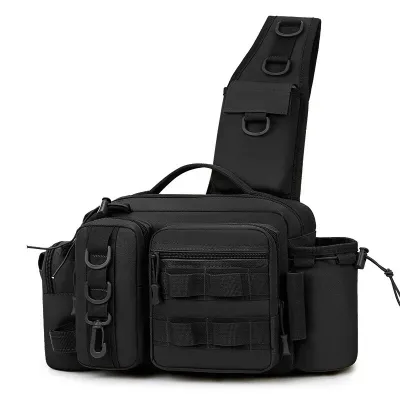
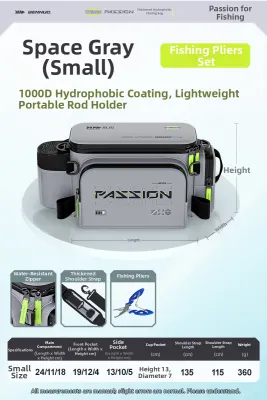
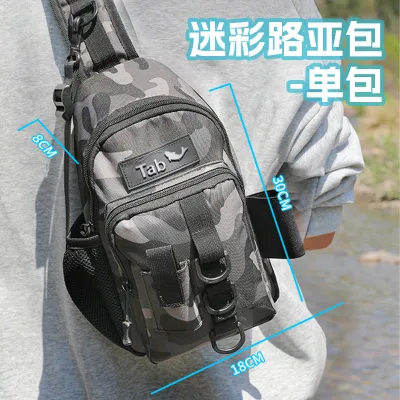
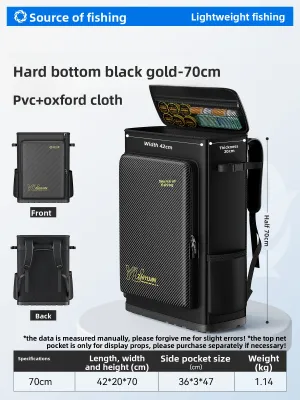
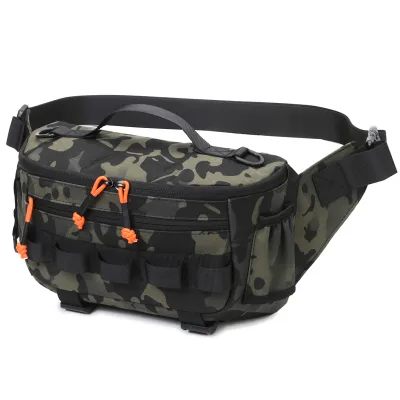
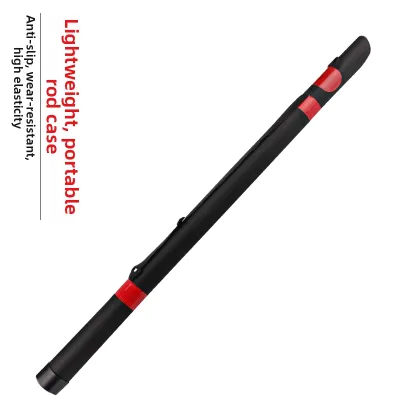
Prices are valid at publication and may change. Please refer to the product page for the latest price.
Compartment layout efficiency is another critical factor that separates a well-designed fishing bag from a generic backpack. A high-quality bag features a main compartment designed to hold standard-sized utility tackle trays flat, preventing your lures from shifting and tangling. External pockets should be easily accessible, allowing you to grab leader lines, scissors, or bait without opening the main compartment. Look for dedicated tool loops, D-rings, or hook-and-loop straps on the exterior. These attachments keep essential tools like pliers and line cutters secure and ready for immediate use, reducing the risk of dropping them into the water.
Water protection is a major consideration, especially in Singapore’s tropical climate where sudden rainstorms are common. It is important to understand the difference between water-resistant and fully waterproof bags. Water-resistant bags are typically treated with a hydrophobic coating that repels light rain and splashes, which is usually sufficient for shore anglers who can seek shelter. Fully waterproof bags, often made from heavy-duty TPU or PVC with welded seams and roll-top closures, can be completely submerged without letting water inside. While fully waterproof bags offer maximum protection, they are generally more expensive and may lack the convenient external pockets found on water-resistant models.
Finally, do not overlook strap comfort and weight distribution. Carrying heavy lead sinkers, spare reels, and water bottles can quickly cause shoulder and back strain during a long day on the water. Look for bags with wide, heavily padded shoulder straps that distribute weight evenly. Breathable 3D mesh padding on the back panel is also highly beneficial, as it promotes airflow and helps keep you cool and comfortable in hot, humid conditions. Adjustable chest or waist straps can further stabilize the bag, preventing it from shifting while you cast or walk along uneven shoreline terrain.
Navigating Fishing Bag Brand Tiers and Budget Expectations
Understanding the general market landscape helps you set realistic budget expectations and identify where the best value lies. The fishing bag market is broadly divided into three tiers, each offering different levels of performance, material quality, and specialized features. By identifying your specific needs, you can avoid overspending on features you do not require or buying a low-quality bag that fails after a few trips.

The budget and entry-level tier typically ranges from S$20 to S$50. Bags in this price bracket are commonly found on online marketplaces and in local tackle shops. They are generally made from lighter fabrics, such as 300D to 600D polyester, and feature standard nylon zippers. While these bags are highly affordable and perfectly adequate for casual weekend anglers visiting local fishing ponds or jetties, they require careful handling. The zippers on budget bags are highly susceptible to corrosion from saltwater, and the stitching may begin to fray if the bag is consistently overloaded with heavy sinkers.
The mid-range versatile tier, ranging from S$50 to S$120, represents the sweet spot for most beginners who plan to fish regularly. Bags in this category offer a significant step up in material quality, often utilizing 1000D water-resistant fabrics and heavy-duty, corrosion-resistant zippers made from molded plastic or treated metals. Many mid-range bags are sold as packages that include one or more matching utility tackle trays, providing excellent immediate value. The stitching is typically reinforced at high-stress points, and the overall design is much more tailored to the specific organizational needs of anglers.
The premium and specialty tier starts at S$120 and can go well beyond S$200. These bags are designed for experienced anglers, guides, or those who fish in extreme environments. They feature advanced materials like fully waterproof TPU, airtight zippers, and specialized designs optimized for kayak fishing, fly fishing, or surf casting. While these bags offer exceptional durability and absolute water protection, the high cost is rarely justified for a beginner who is still figuring out their preferred fishing style and environment.
When deciding how much to spend, consider the trade-off between initial cost and expected lifespan. A very cheap bag may seem like a bargain, but if the zippers rust shut or the straps tear after a few saltwater sessions, you will end up spending more money on a replacement. Investing in a solid mid-range bag often provides the best long-term value, offering the durability needed to withstand local conditions while keeping your initial investment reasonable.
Matching the Right Bag Style to Your Fishing Environment
Choosing the right style of fishing bag depends heavily on where you plan to fish and how much gear you need to carry. Different environments demand different levels of mobility, storage capacity, and accessibility. Matching the bag’s form factor to your specific fishing style will make your time on the water much more efficient and comfortable.
Tackle backpacks are the most popular choice for mobile shore anglers who walk long distances, such as those exploring reservoir banks or walking the length of Bedok Jetty. A backpack distributes weight evenly across both shoulders, reducing fatigue and leaving both of your hands free to carry your fishing rods, a bait bucket, or a landing net. Most tackle backpacks feature a large lower compartment dedicated to storing multiple utility trays flat, with a separate upper compartment for personal items, snacks, and extra reels.
Shoulder sling bags are an excellent alternative for active anglers who prefer to travel light and move constantly. These bags feature a single strap that allows you to quickly swing the bag from your back to your chest, giving you instant access to your tackle without having to take the bag off. Sling bags are perfect for short casting sessions at local canals or ponds where you only need a single box of lures, a pair of pliers, and a spare spool of leader line. However, because the weight is carried on one shoulder, they can become uncomfortable if overloaded with heavy terminal tackle.
Soft-sided cooler bags serve a dual purpose for anglers who use live or dead bait, or those who wish to keep their catch fresh. These bags feature insulated, leak-proof main compartments that can hold ice packs alongside your bait or fish. Many fishing-specific cooler bags also include external pockets and tool holders, allowing you to carry a basic selection of tackle alongside your cold storage. This style is highly practical for jetty or pier fishing where you plan to stay in one spot for several hours.
Before purchasing, evaluate your capacity requirements based on your typical fishing duration. A short two-hour session requires very little gear, whereas an all-day trip demands extra space for water, sunscreen, snacks, and a wider variety of tackle. Additionally, look for useful external features like integrated rod holders or bungee cord systems. These allow you to secure a second rod or strap down a light rain jacket, making transit to and from your fishing spot much easier.
Pre-Purchase and First-Use Inspection Checklist
Once you have selected a fishing bag, performing a thorough inspection before your first trip can help you identify any manufacturing defects and ensure the bag is ready for the water. Checking key stress points and verifying the fit of your gear will prevent frustrating equipment failures when you are far from home.
Start by inspecting the zippers and seams, as these are the most common failure points on any gear bag. Run all the zippers back and forth several times; they should glide smoothly without catching on the fabric or inner lining. Look closely at the stitching around the strap attachments, zipper ends, and pocket corners. The stitching should be tight, even, and free of loose threads. Double-stitched or bar-tacked seams in high-stress areas are strong indicators of a well-constructed bag.
Next, examine the interior linings and any drainage features. If the bag claims to be water-resistant or waterproof, check the inner coating for any signs of peeling, cracking, or uneven application. Look for drainage grommets in the bottom of the pockets or main compartment. These small metal or plastic-lined holes are essential for allowing trapped water, sand, or moisture to escape, preventing mold growth and keeping the interior of your bag dry.
Test the fit of your tackle trays before heading out. Slide your standard utility boxes into the designated compartments to ensure they fit securely without bulging or putting excessive pressure on the zippers. If the compartments are too tight, the zippers will be under constant tension, which drastically shortens their lifespan. Ensure there is still enough room to easily access your tools and personal items when the tackle trays are fully loaded.
Finally, familiarize yourself with the manufacturer’s care instructions and warranty policies. To maximize the lifespan of your fishing bag, especially after exposure to saltwater or mud, make it a habit to rinse the exterior and zippers with fresh water after every trip. This simple step removes salt crystals that can corrode metal components and degrade fabrics. Allow the bag to air dry completely in a shaded, well-ventilated area before storing it away to prevent mold and mildew from developing.
Frequently Asked Questions (FAQ)
Do I need a waterproof or water-resistant fishing bag?
For most beginners, a water-resistant bag is perfectly sufficient. Water-resistant bags repel light rain and splashes, which is usually all you need if you are fishing from a shore, jetty, or pier where you can easily seek shelter during heavy downpours. Fully waterproof bags are only necessary if you plan to fish from a kayak, paddleboard, or open boat where the bag will be sitting in standing water or exposed to constant waves and heavy spray.
How many tackle boxes should a beginner's bag hold?
A beginner’s fishing bag typically only needs to hold one or two standard-sized utility tackle boxes (such as the common 3600 size). This provides more than enough space to organize a versatile selection of hooks, sinkers, swivels, and lures. Keeping your tackle setup minimal prevents the bag from becoming excessively heavy and leaves plenty of room for essential accessories, personal items, and water.
Can I use a regular hiking backpack instead of a dedicated fishing bag?
While you can use a regular hiking backpack to start, it lacks several specialized features that make fishing bags much more practical. Standard hiking backpacks often do not have corrosion-resistant zippers, meaning the metal sliders will rust quickly when exposed to salt air and moisture. Additionally, hiking bags lack flat, structured compartments designed to keep tackle trays organized, which can lead to your gear shifting, spilling, or becoming difficult to access quickly on the water.
Community discussion
Share your experience or ask a question. Comments are reviewed before publication.