
To fit a bench press bench comfortably in an HDB bedroom or study room, you must account for a standard bench footprint of about 120 cm to 150 cm in length and 30 cm to 50 cm in width. However, the actual space required is much larger once you factor in barbell length, plate loading clearance, and safety zones. In a standard HDB room (typically 9 to 12 square metres), balancing your workout needs with existing furniture like wardrobes and beds requires precise planning. By understanding standard equipment dimensions and calculating the necessary clearance, you can safely set up a home gym without blocking essential walkways or damaging your walls.
Understanding Standard Bench Press Bench Sizes
When shopping for a bench press bench, you will generally encounter three main designs: flat, adjustable, and folding. A standard flat bench typically features a footprint of approximately 110 cm to 130 cm in length and 30 cm to 45 cm in width. Adjustable benches, which require more robust rear stabilizer bars and adjustment spines, often extend slightly longer, ranging from 130 cm to 150 cm in length, with a wider base of 45 cm to 60 cm to ensure lateral stability during incline movements.
The height of the bench is another critical dimension, usually sitting between 40 cm and 48 cm from the floor to the top of the pad. This height is designed to allow your feet to plant firmly on the floor for proper leg drive. However, the overall footprint is also influenced by the frame design. Benches with wide, tripod-style feet or flared rear stabilizers offer excellent stability but require more floor area than those with simple T-shaped legs.
Products mentioned in this guide
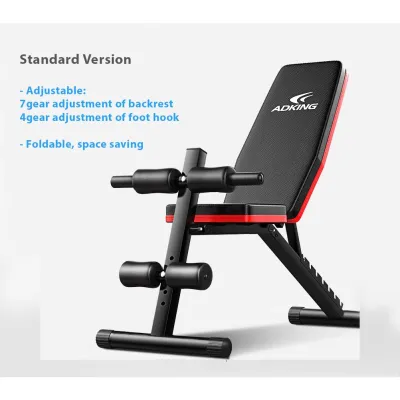
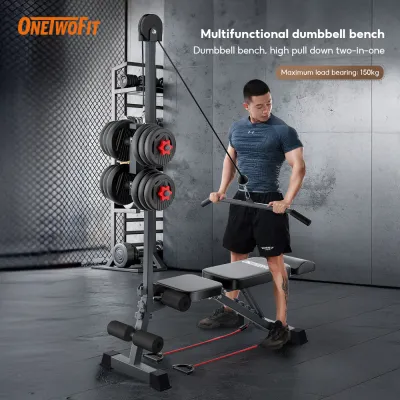
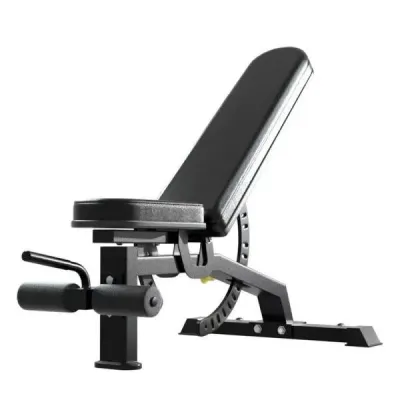
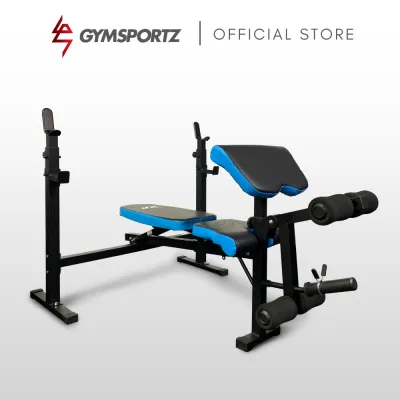
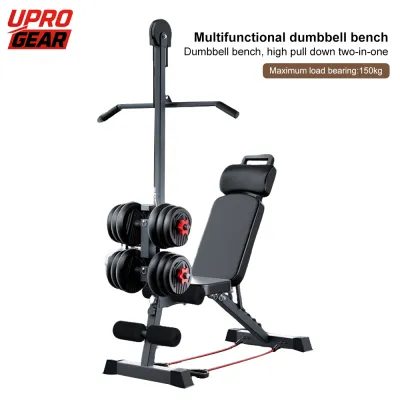
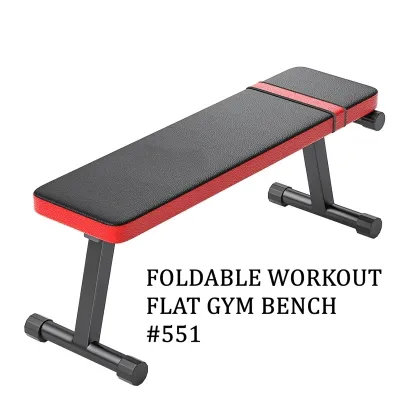
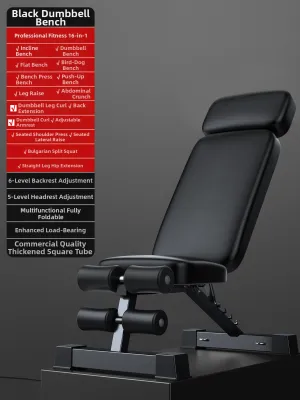
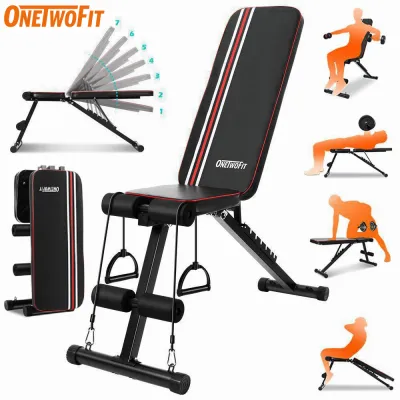
Prices are valid at publication and may change. Please refer to the product page for the latest price.
Because frame designs vary significantly between brands, you must always verify the exact footprint, including the outermost points of the stabilizer feet, in the manufacturer’s technical specifications before making a purchase.
Measuring Your HDB Room for a Home Gym Setup
HDB bedrooms and study rooms are highly optimized spaces, often featuring built-in wardrobes, beds, or study desks that significantly reduce the available floor area. To determine your maximum allowable bench size, start by drawing a simple floor plan of your room. Measure the total wall-to-wall dimensions, then subtract the exact footprints of all permanent furniture. Pay close attention to wardrobe doors; sliding doors require less clearance, but swing-out doors need a clear arc of at least 50 cm to 60 cm to open fully.

Do not limit your measurements to the room itself. You must also measure the width of your doorways, hallway turns, and any tight corners leading into the room. A fully assembled bench press bench can be awkward to maneuver, and ensuring it can pass through a standard HDB doorway (typically around 80 cm to 90 cm wide) is essential to avoid scraping your walls or damaging the equipment during delivery.
Vertical space is equally important, particularly if you plan to use an adjustable bench. When set to a high incline, the top of the backrest rises significantly. Measure your ceiling height—standard HDB ceilings are usually around 2.6 metres—and ensure there is ample vertical clearance for the bench, your head, and dumbbells during overhead exercises.
Calculating Clearance for Safe and Comfortable Use
The physical footprint of the bench press bench is only a fraction of the total space required for a safe workout. The most critical factor to calculate is the width of your barbell. A standard Olympic barbell is 2.2 metres long, which is wider than many anticipate for a small bedroom. Even shorter studio or standard barbells typically measure between 1.5 metres and 1.8 metres. You must ensure that the barbell can sit centered on a rack without its ends striking walls, windows, or wardrobes.
Beyond the barbell itself, you need to factor in side clearance for loading and unloading weight plates. A minimum of 60 cm of open space on both ends of the barbell is necessary to slide plates onto the sleeves safely. Attempting to load weights in a cramped space forces you into awkward lifting postures, increasing the risk of lower back strain or dropping a heavy plate.
At the head and foot of the bench, plan for at least 50 cm of clearance. This space allows you to sit down, stand up, and step away from the bench without tripping. If you plan to train with a spotter, you will need an additional 60 cm to 80 cm of clear space behind the head of the bench.
To calculate your maximum allowable bench size, subtract the length of your barbell plus 120 cm (60 cm on each side for plate loading) from the total room width. For the length, subtract 100 cm (50 cm for the foot and 50 cm for the head) from your available clear floor space.
Space-Saving Bench Options for Compact Bedrooms
If your HDB room serves multiple purposes, a permanent flat or adjustable bench might make the space feel overly cramped. In such scenarios, space-saving designs offer a practical compromise. Folding benches are engineered to collapse flat or fold upward, reducing their footprint by up to 70% when not in use. Some models feature detachable legs or folding transport wheels, allowing you to slide the collapsed frame under a standard bed frame or store it upright inside a wardrobe or utility closet.
While these space-saving options are highly convenient, they do come with trade-offs that you must carefully evaluate. Folding mechanisms introduce hinges and locking pins into the frame, which can sometimes result in a slight wobble compared to a fully welded, solid steel flat bench. Additionally, to keep the weight manageable for easy folding and transport, some compact benches use thinner steel tubing or lighter padding, which can affect overall comfort and stability during heavy lifts.
To ensure your safety, always check the manufacturer’s maximum weight capacity, which must include both your body weight and the weight of the barbell you intend to lift. Look for benches with heavy-duty locking pins, reinforced hinge joints, and wide rubber end caps on the feet to prevent sliding.
Common Sizing and Placement Mistakes to Avoid
One of the most common mistakes when setting up a home gym in an HDB flat is measuring only the bench footprint while ignoring the barbell sleeves and plate clearance. Buying a bench that fits perfectly in a corner, only to realize you cannot load weights onto one side of the bar, renders the setup unusable. Always treat the barbell length as the primary width constraint of your workout zone.
Another frequent error is placing the bench too close to a wall or a piece of furniture. During a bench press, your elbows flare outward, and your shoulder blades require freedom of movement. If the bench is pushed flush against a wall, you risk striking your elbows or the barbell plates against the wall during the descent, which can disrupt your balance and cause injury.
Finally, do not overlook floor protection. Placing heavy steel equipment directly on HDB vinyl, laminate, or parquet flooring can cause permanent scratches or dents. Always place your bench press bench on high-density rubber gym mats. These mats protect your flooring, dampen noise and vibration, and help level out minor floor imperfections to ensure a stable, safe lifting platform.
Frequently Asked Questions (FAQ)
Can I use an adjustable bench in a room with a low ceiling?
Yes, but you must verify the vertical clearance before purchasing. To do this, measure your room’s ceiling height first. Next, check the manufacturer’s specifications for the bench’s height when set to its maximum incline (usually 85 or 90 degrees). Add your seated torso height (from your hips to the top of your head) and your full vertical arm reach to this bench height. If this combined total is less than your ceiling height, the setup is physically compatible. Before performing heavy overhead presses, always test your full range of motion using an empty barbell or light dumbbells to ensure your hands or weights do not accidentally strike ceiling fans, light fixtures, or concrete beams.
Will a folding bench press bench be stable enough for heavy lifting?
A high-quality folding bench can be perfectly stable for heavy lifting, provided you select a model designed for strength training rather than light aerobic workouts. Always check the manufacturer’s certified weight capacity, which should ideally be at least 250 kg to 300 kg (combining your body weight and the loaded barbell). Examine the structural details: look for thick steel frames (at least 14-gauge steel), robust locking pins with threaded screw-in mechanisms to eliminate play, and wide, non-slip rubber floor grips. Avoid models with loose hinges or thin, single-pin locking systems, as these can wobble under heavy loads and compromise your safety.
Community discussion
Share your experience or ask a question. Comments are reviewed before publication.