
A 15mm thick yoga mat provides the ultimate level of joint protection and comfort, particularly when practicing on hard Singaporean tile, marble, or concrete floors. However, choosing the right one requires balancing the desire for deep cushioning against the practical trade-offs of stability, weight, and material durability. For those recovering from joint injuries, practicing restorative styles, or requiring extra padding for knees and spine, a 15mm mat is an excellent investment, provided you select a high-density option that supports rather than sinks.
To make an informed decision, you must understand how different materials behave under load, how Singapore’s tropical climate affects grip and hygiene, and how to safely integrate an ultra-thick mat into your routine. This comprehensive guide breaks down the essential selection criteria, the best product categories available locally, and practical maintenance strategies to keep your mat in peak condition.
Is a 15mm Thick Yoga Mat Right for Your Practice?
Kneeling poses like Cat-Cow (Marjaryasana-Bitilasana) or Low Lunge (Anjaneyasana) put significant localized pressure on the patella. For individuals with thin joint cartilage, past knee surgeries, or sensitive wrists, standard 4mm to 6mm mats often fail to isolate the bone from hard subfloors. Beginners whose joints are not yet conditioned to bearing body weight also benefit immensely from the forgiving surface of a 15mm mat. Furthermore, restorative practices, Yin yoga, and deep meditation sequences—where poses are held for five minutes or longer—rely on sustained physical comfort to allow the nervous system to settle.
Products mentioned in this guide
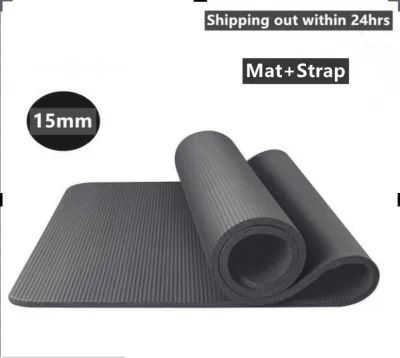
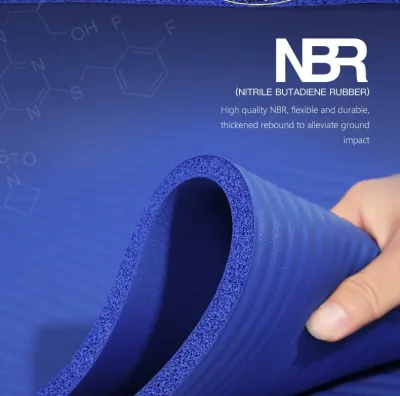
Prices are valid at publication and may change. Please refer to the product page for the latest price.
The primary trade-off of a 15mm mat is the loss of proprioceptive feedback and stability. In standing balance poses like Tree Pose (Vrksasana), Warrior III (Virabhadrasana III), or Eagle Pose (Garudasana), your feet require a firm, predictable surface to micro-adjust and maintain equilibrium. A soft, thick mat acts like wet sand; your ankle joints must work significantly harder to stabilize, which can lead to rapid muscle fatigue or minor strains. Similarly, fast-paced Vinyasa or Ashtanga flows that require quick transitions and jump-backs can feel sluggish and unstable on a highly compressible surface.
Anatomical safety is another critical consideration when using ultra-thick mats. In poses like Downward-Facing Dog (Adho Mukha Svanasana) or Plank, a soft mat can cause the heel of your hand to sink deeper than your fingers. This uneven compression increases the wrist extension angle, placing excessive strain on the carpal tunnel and wrist ligaments. If you experience wrist discomfort during weight-bearing poses, a firmer, high-density mat is always preferable to a soft, pillowy one, regardless of the thickness.
To navigate these balance and alignment challenges, you do not have to abandon thick cushioning altogether. When transitioning to standing sequences in a home practice, simply step off your 15mm mat onto the bare floor to establish a stable foundation. Alternatively, you can use a dual-mat system: lay a thin, high-grip travel mat (1mm to 2mm) over your thick mat during warm-ups, and slide it off when entering standing poses. If a particular pose requires localized knee padding but you otherwise prefer a standard flow, folding the edges of a thinner mat can work, but for dedicated floor-based sessions, the uniform support of a dedicated 15mm mat remains unmatched.
Key Features to Evaluate Before Buying
Do not mistake thickness for support. A cheap, low-density 15mm mat made of low-grade foam will compress completely under your body weight, causing your knees or elbows to “bottom out” against the hard floor. This defeats the purpose of the thickness. Look for high-density specifications, often indicated by the mat’s weight or material composition. High-density mats maintain their structural integrity under load, distributing your weight evenly and offering a spring-like resistance that keeps your joints suspended.

Singapore’s tropical climate introduces high humidity, which can turn a smooth foam mat into a slippery hazard. When evaluating a 15mm mat, examine the surface texture. Ribbed patterns, textured cross-hatching, or specialized non-slip coatings are essential to maintain traction when your hands or feet sweat. Closed-cell materials do not absorb moisture, which makes them easier to wipe clean but can cause sweat to pool on the surface; open-cell materials absorb moisture to maintain dry grip but require more intensive sanitization to prevent mold and bacterial growth in humid environments.
In Singaporean homes, which often feature cool marble, ceramic tile, or polished wood flooring, a 15mm mat offers an additional benefit: excellent thermal insulation. During long Savasana or floor-based Yin sequences, cold floors can draw heat away from your body, causing muscles to tense up. A thick mat acts as an effective thermal barrier, keeping your body warm and allowing for deeper relaxation. However, this thickness also means the mat is highly insulating, so ensure your practice space is well-ventilated to prevent overheating.
A 15mm mat is inherently bulkier than its thinner counterparts. When rolled up, its diameter can easily exceed 20 centimeters, making it difficult to fit into standard yoga bags. Additionally, depending on the material, these mats can weigh anywhere from 1.5 to over 4 kilograms. If you plan to use your mat primarily for home practice, weight is a minor concern. However, if you intend to transport it to local studios or outdoor parks, check the product specifications for weight and ensure it includes a heavy-duty carrying strap, wide sling, or dedicated harness.
Because you will have prolonged skin contact with your mat, verifying chemical safety is paramount. Many inexpensive foam mats contain harmful plasticizers (phthalates), heavy metals, or volatile organic compounds (VOCs) that emit a strong chemical odor. Look for certifications such as OEKO-TEX Standard 100 or RoHS compliance on product tags. If you have a latex allergy, carefully verify that the mat is made of synthetic materials like TPE or high-grade NBR rather than natural rubber blends.
Best 15mm Yoga Mat Categories to Consider in Singapore
High-Density NBR and TPE Mats
Nitrile Butadiene Rubber (NBR) and Thermoplastic Elastomer (TPE) are the most popular materials for 15mm mats due to their excellent cushioning-to-weight ratio. NBR is highly elastic, soft, and offers exceptional shock absorption, making it highly comfortable for floor-based exercises. TPE is a more eco-friendly, recyclable alternative that tends to be slightly firmer and more resilient than NBR, preventing excessive sinking.
In Singapore, reputable fitness brands like Decathlon (under their Nyamba brand) offer dedicated 15mm Pilates and gentle gym mats that double as excellent restorative yoga mats. Adidas and Reebok also produce high-density NBR training mats in the 10mm to 15mm range, which are widely available at local sporting goods stores and online marketplaces. These mats are highly affordable, typically ranging from S$25 to S$60, and are incredibly lightweight, making them easy to move around the house.
When shopping for NBR or TPE mats in Singapore, perform a simple “pinch test” if you are buying in person. Squeeze the mat firmly between your thumb and index finger. If your fingers easily meet with little resistance, the density is too low for therapeutic joint support, regardless of the 15mm thickness. High-quality NBR and TPE mats will resist the pinch, slowly rebounding back to their original shape once released. Keep in mind that while these mats offer superb cushioning, their surface grip is moderate, making them less suitable for intense, sweat-heavy Vinyasa sessions.
Thick Natural Rubber and PU Mats
For dedicated yogis seeking premium performance, natural tree rubber and Polyurethane (PU) are the gold standards. Natural rubber provides unmatched grounding, weight, and durability, while a PU top layer offers instant moisture absorption and an incredibly tacky grip, even in high-humidity conditions.
Because natural rubber is highly dense, a true 15mm natural rubber mat would weigh upwards of 6 to 8 kilograms, making it completely impractical to manufacture or carry. Consequently, premium brands design their thickest high-performance mats in the 6mm to 10mm range. For example, the Manduka PRO series offers a highly dense 6mm version that provides cushioning comparable to cheaper 12mm mats due to its industrial-grade density. If you require maximum thickness in a rubber hybrid, look for specialized brands that combine a natural rubber base with a lighter foam core.
These premium mats generally cost between S$120 and S$220 in Singapore. The trade-offs are significant: they are heavy, expensive, and require strict adherence to care instructions to prevent the natural rubber from oxidizing and degrading under tropical conditions. They are best suited for dedicated practitioners who prioritize grip and environmental sustainability over portability.
Multi-Layer and Memory Foam Hybrids
Multi-layer and memory foam hybrid mats represent a specialized niche designed for therapeutic recovery, meditation, and low-impact rehabilitation. These mats typically feature a core of slow-rebound memory foam or orthopedic foam sandwiched between durable, easy-to-clean outer layers.
In Singapore, high-end physical therapy and wellness brands, such as Airex (known for their Swiss-engineered Coronella and Corona mats), provide ultra-thick, sanitised foam surfaces that offer unrivaled joint decompression. These mats are frequently utilized in clinical rehabilitation settings and high-end pilates studios across the island. While they do not support standing yoga sequences due to their high compressibility, they are the absolute best choice for restorative yoga, sound bath meditation, and targeted physical therapy exercises.
Expect to invest S$150 to S$300 for professional-grade orthopedic mats in this category. When purchasing a hybrid mat, ensure the outer skin is non-porous and wipeable. Memory foam is highly susceptible to water damage, so a protective, sweat-resistant outer layer is essential to prevent the core from absorbing perspiration and developing deep-seated bacterial odors.
How to Clean and Maintain Your 15mm Yoga Mat
To maintain the hygiene and structural integrity of a thick mat, establish a regular cleaning routine. After every practice, wipe down the surface with a damp microfiber cloth. For a deeper clean, use a mild, highly diluted dish soap solution or a specialized, manufacturer-approved yoga mat spray. Never soak a 15mm mat in water, submerge it in a bathtub, or put it in a washing machine. Thick foam materials, especially NBR, act like sponges; they will absorb large amounts of water that can take days to dry, leading to internal mold growth, unpleasant odors, and rapid material breakdown.
Proper drying is critical in Singapore’s humid environment. After wiping down your mat, lay it flat or hang it over a drying rack in a shaded, well-ventilated indoor area. Avoid direct sunlight at all costs. Intense ultraviolet (UV) rays will rapidly degrade synthetic foams, causing NBR and TPE to become brittle and crumble, and will cause natural rubber to dry out, crack, and lose its grip. Ensure the mat is completely dry to the touch on both sides before rolling it up for storage.
When storing a 15mm mat, always roll it with the top practice surface facing outward. This prevents the edges from curling up when you unroll it for your next session. Never fold a thick foam or rubber mat, as folding creates permanent crease lines that weaken the material and cause it to split over time. Store the rolled mat horizontally in a cool, dry place away from direct heat sources or damp corners to prevent moisture buildup. Avoid placing heavy objects on top of the rolled mat during storage, as sustained pressure can leave permanent indentations in the foam.
Frequently Asked Questions (FAQ)
Is a 15mm yoga mat too thick for standard studio yoga classes?
Yes, for most dynamic or flow-based studio classes, a 15mm mat is generally too thick. The extreme cushioning reduces your connection to the floor, making standing balances and rapid transitions unstable and potentially unsafe for your ankles. Additionally, its bulky size when rolled makes it highly inconvenient to transport on public transport or fit into crowded studio spaces. For standard studio classes, a high-density 4mm to 6mm mat is usually preferred, while the 15mm mat is best reserved for home-based restorative practices, Pilates, or targeted floor work.
Can I use a 15mm mat for high-intensity interval training (HIIT)?
It is not recommended to use a soft 15mm yoga mat for high-intensity interval training (HIIT) or workouts involving rapid lateral movements, jumps, or heavy weight-bearing exercises. The high compressibility of the foam can cause your feet to sink unevenly, significantly increasing the risk of rolling your ankles during lateral bounds or burpees. Furthermore, the high-friction movements of cross-training can easily tear or gouge soft NBR or TPE materials. For HIIT, opt for a thinner, ultra-dense, specialized fitness mat (usually 6mm to 8mm) designed specifically to handle athletic footwear and high-impact forces.
How do I carry a heavy 15mm yoga mat to the studio?
Transporting a thick, bulky mat requires specialized carrying gear. Standard thin yoga straps or small mat bags designed for 4mm mats will not fit around a rolled 15mm mat. Instead, look for extra-wide, adjustable mat slings with heavy-duty hook-and-loop straps, or invest in an open-ended yoga mat backpack that allows the rolled mat to slide through horizontally or vertically. Some high-density 15mm mats come equipped with their own integrated carrying handles or elastic straps, which are highly convenient for short commutes.
Community discussion
Share your experience or ask a question. Comments are reviewed before publication.