
Selecting a 20kg kettlebell is a major milestone in any strength training journey. At this weight, the implement transition from a light conditioning tool to a serious piece of resistance equipment capable of building substantial power, hypertrophy, and cardiovascular endurance. However, a 20kg kettlebell is not a one-size-fits-all purchase. In Singapore’s unique residential landscape—characterized by high-density apartment living, concrete floor slabs, and high relative humidity—making the wrong choice can lead to damaged floors, noise complaints from neighbors, or a rusted piece of iron that is uncomfortable to swing. Finding the right 20kg kettlebell requires balancing your specific training style with the physical constraints of your home environment.
How to Choose the Right 20kg Kettlebell for Your Home Gym
Material and Coating
The base material and outer coating of a kettlebell directly influence its durability, grip texture, and how it interacts with your hands and floors.
Bare cast iron is the traditional choice, offering a rugged, classic feel. However, bare iron is highly susceptible to rust, especially in Singapore’s tropical climate where relative humidity regularly exceeds 80 percent.
Products mentioned in this guide
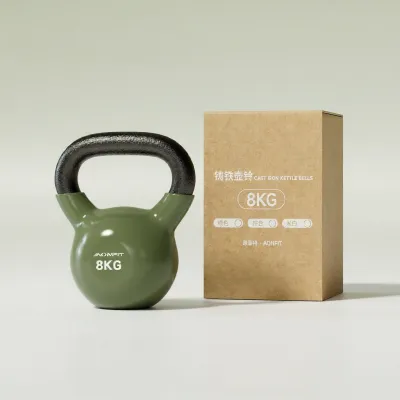
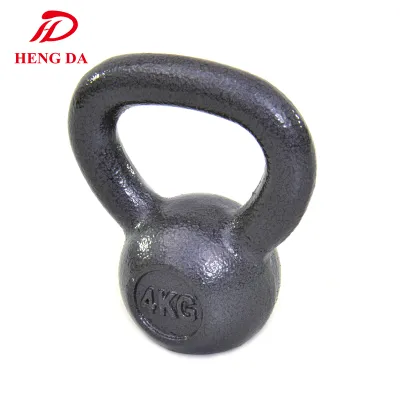
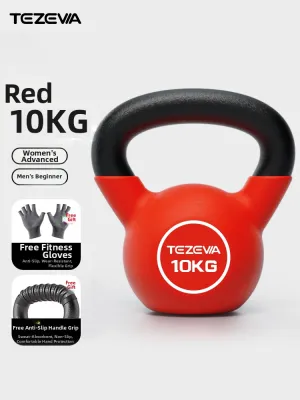
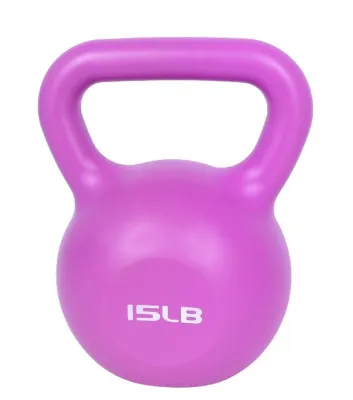
Prices are valid at publication and may change. Please refer to the product page for the latest price.
Powder-coated cast iron is widely considered the gold standard for home use. The powder coating is baked onto the iron, creating a resilient, textured matte finish. This texture provides an exceptional grip that holds chalk securely, protecting the metal underneath from sweat and atmospheric moisture.
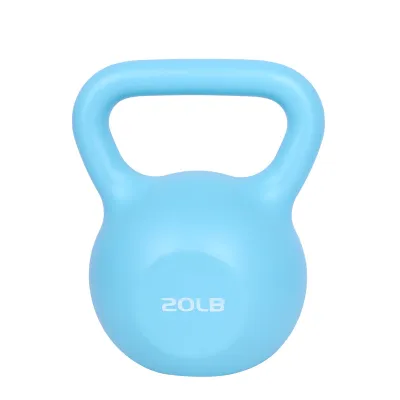
Rubber or vinyl-coated kettlebells feature an iron core encased in a protective outer sleeve. This design is highly effective at reducing the impact noise of putting the weight down and protects delicate flooring from minor scuffs. However, the handles of coated bells are often left bare or finished in chrome, which can become incredibly slippery when wet. Additionally, low-quality vinyl or rubber can split under high stress or emit strong chemical odors in small, air-conditioned rooms.
Handle Geometry and Clearance
At the 20kg threshold, handle dimensions become critical for safety and comfort. The handle diameter typically ranges from 33mm to 38mm. A thicker handle challenges your grip strength and forearm endurance, which is beneficial for overall development but may limit your repetitions if your hands fatigue prematurely.
The handle “window”—the open space between the handle and the bell body—must be wide enough to accommodate both hands comfortably for two-handed exercises like the standard kettlebell swing. The inner corners, known as the horns, should curve smoothly. Any sharp casting seams or rough ridges along the underside of the handle can cause friction, leading to painful blisters or tears during high-repetition cleans, snatches, and presses.
Base Flatness
A perfectly flat, machined base is essential for safety and versatility. Many dynamic exercises require the kettlebell to sit firmly on the ground, such as renegade rows, push-ups on the bell, or bear crawls.
If the bottom of the kettlebell is rounded, uneven, or has excess metal from the casting process, it will wobble under load. This instability can cause the wrist to collapse under your body weight, leading to acute joint injuries. Prioritize single-cast kettlebells where the base is machined flat during the manufacturing process, ensuring a stable, wobble-free foundation.
Apartment Living Considerations
Training with a heavy iron implement in a Singapore HDB flat or condominium requires careful planning. Standard residential floors are typically constructed of concrete slabs finished with vinyl, laminate, parquet, or ceramic tiles. While these structures are highly durable, dropping a solid 20kg iron mass from even a short height can easily shatter ceramic tiles, dent hardwood, or crack laminate.
Furthermore, sound travels efficiently through concrete structures. The impact of setting a heavy kettlebell down too quickly can create low-frequency vibrations that disturb neighbors living directly below you. To mitigate this, home trainees must consider how the kettlebell’s material and their floor setup work together to absorb impact and dampen noise.
Top 20kg Kettlebell Types and Recommendations for Home Use
Best Traditional Cast Iron Kettlebells
Traditional cast iron kettlebells are designed for lifters who prioritize maximum durability and a classic, no-nonsense training experience. These are solid, single-piece castings with no moving parts or welded joints, making them virtually indestructible when used correctly.

- Ideal for: Trainees with dedicated home gym spaces, ground-floor apartments, or those who use heavy-duty protective flooring and want a reliable tool for classic hardstyle training.
- Key Features to Look For: Look for single-cast designs, which eliminate weak points where the handle meets the bell. A high-quality powder-coated finish is essential to provide a textured surface that holds chalk well and resists the corrosive effects of sweat and humidity.
- Limitations: Cast iron kettlebells offer no built-in floor protection. If they are dropped or set down roughly on bare floors, they will cause damage. They also require regular inspection and light maintenance to ensure any chips in the powder coating do not lead to localized rusting.
Best Competition-Style Kettlebells
Competition kettlebells are made of steel rather than cast iron and are engineered to meet strict international lifting standards. Unlike cast iron bells, which grow in physical size as they get heavier, competition kettlebells maintain identical external dimensions across all weight increments.
- Ideal for: Advanced lifters, kettlebell sport (Girevoy Sport) athletes, or anyone focusing heavily on technical, high-repetition one-handed movements like snatches, cleans, and jerks.
- Key Features to Look For: A standard 20kg competition kettlebell is color-coded green for easy identification. Look for a polished, unpainted steel handle with a diameter of 33mm to 35mm. The handle should have a smooth, non-abrasive finish that allows the bell to rotate freely within your palm without causing friction tears.
- Limitations: Competition kettlebells are designed strictly for one-handed use. The handle window is narrower and square, making two-handed swings highly uncomfortable or impossible for most adults. They also tend to be more expensive than cast iron options due to the steel construction and precise weight calibration.
Best Rubber or Vinyl-Coated Kettlebells
Coated kettlebells feature a solid iron core encased in a thick, protective outer layer of rubber, polyurethane, or vinyl. This design is specifically engineered to address the noise and impact concerns of indoor workouts.
- Ideal for: HDB and condo dwellers who must train in shared living rooms or bedrooms and want to minimize the risk of scratching floors or disturbing family members and neighbors.
- Key Features to Look For: Seek out high-density, vulcanized rubber or polyurethane coatings that are securely bonded to the inner iron core. Avoid cheap vinyl sleeves that loose-fit around the bell, as they can slip and peel. Ensure the rubber is labeled as low-odor, as low-grade rubber can release strong, unpleasant chemical fumes in enclosed, air-conditioned spaces.
- Limitations: The protective coating does not cover the handle, which is often finished in smooth chrome or vinyl. These finishes can become incredibly slick when your hands sweat, compromising your grip. Over time, exposure to high humidity can cause the bond between the iron and the coating to degrade, leading to peeling or cracking.
Best Adjustable Kettlebells
Adjustable kettlebells utilize an internal locking mechanism to hold a series of removable weight plates inside a single, hollow shell. This allows you to adjust the weight from a light starting point all the way up to 20kg or more.
- Ideal for: Beginners who are progressively working their way up to a 20kg working weight, or home trainees with severe space constraints who cannot accommodate a full rack of individual weights.
- Key Features to Look For: Look for adjustable models that mimic the shape and balance of a traditional competition kettlebell. The internal locking mechanism must be incredibly robust, utilizing heavy-duty steel bolts or threaded columns to prevent the internal plates from shifting or rattling during dynamic swings.
- Limitations: Changing the weight plates takes time, which can disrupt fast-paced cardiovascular or circuit-style workouts. Because they contain moving mechanical parts, adjustable kettlebells are inherently more fragile than solid cast iron; dropping them can damage the internal locking system, making them unsafe to swing. Moisture can also accumulate inside the hollow shell, leading to internal rust if not dried regularly.
Where to Buy 20kg Kettlebells in Singapore
Local Sporting Goods Stores
Visiting a physical retail store is highly recommended before purchasing a heavy kettlebell. Large sporting goods retailers and local fitness specialty shops across Singapore allow you to interact with the equipment in person. This hands-on experience is invaluable for testing the handle thickness, assessing the texture of the powder coating, and checking that the base sits completely flat on the floor. It also gives you a realistic sense of how a 20kg load feels in your hands before committing to the purchase.
Brand Official Stores and Authorized Online Retailers
If you prefer the convenience of online shopping, always buy from official brand storefronts or authorized local distributors. Purchasing from reputable sources guarantees that you receive a genuine product with accurate weight calibration and a valid warranty. Avoid unbranded, ultra-cheap listings on general ecommerce platforms; these products often suffer from poor quality control, resulting in rough handle seams, inaccurate weights, and fragile coatings that degrade rapidly.
Shipping and Delivery Logistics
Transporting a 20kg iron block presents unique logistical challenges. If you choose to buy in-store, consider how you will transport the weight home. Carrying a 20kg kettlebell on public transport like the MRT or buses is highly physically demanding and may violate transit comfort guidelines. If you do not have a personal vehicle, using a private hire car or opting for home delivery is the most practical choice.
When buying online, pay close attention to shipping fees. Because of the weight, delivery charges can be exceptionally high. Look for local distributors that offer free delivery once you cross a specific spending threshold (often between S$80 and S$150). Selecting a seller with a local warehouse in Singapore ensures faster delivery times and reduces the risk of transit damage.
Essential Accessories and Safety Tips for Heavy Kettlebell Training
Floor Protection
Never train with a 20kg kettlebell directly on bare residential flooring. Even if you are extremely careful, the repetitive pressure of setting the weight down can cause structural wear over time, and an accidental drop can result in costly floor repairs.
Invest in high-density rubber gym tiles or dedicated weightlifting drop mats. These tiles should be at least 15mm to 20mm thick to effectively absorb the impact of a 20kg mass. Standard, thin yoga mats or foam play mats do not provide sufficient density to protect concrete subfloors from cracking under heavy impact.
Grip Management in Humid Weather
Singapore’s high humidity levels make sweaty palms an inevitable part of any workout. A slippery grip on a moving 20kg kettlebell is a severe safety hazard that can lead to lost control and catastrophic damage to your home or body.
Always keep a clean microfiber towel nearby to wipe down your hands and the kettlebell handle between sets. To maintain a secure hold, use magnesium carbonate (gym chalk). If you want to keep your home workout area clean, liquid chalk is an excellent alternative to traditional chalk blocks. It goes on as a liquid and dries into a clean, dust-free chalk layer that significantly improves grip without leaving a mess on your floors.
Spatial Awareness and Clearance
Before beginning your training session, clear a dedicated workout zone of at least 2 meters by 2 meters. Remove all furniture, electronics, and pets from this area.
Pay close attention to vertical clearance. In standard Singapore HDB flats, ceiling heights typically range from 2.6 to 2.8 meters. If you are performing overhead movements like snatches, clean and presses, or high pulls, ensure your path is completely clear of low-hanging ceiling fans, light fixtures, or structural beams. A collision between a moving 20kg kettlebell and a spinning ceiling fan can cause severe injury and property damage.
Form and Progression
Lifting a 20kg kettlebell requires a solid foundation of core stability and proper movement mechanics. Before attempting dynamic exercises with this weight, you must master the fundamental hip hinge. The power of a kettlebell swing should come entirely from your glutes and hamstrings, not your lower back or shoulders.
Always prioritize form over repetitions. Keep your core braced and your spine neutral throughout every movement. If your form begins to break down, or if you feel any sharp pain in your lower back or joints, stop the exercise immediately. Equipment cannot replace proper physical preparation; if you are new to training at this weight, consider consulting a certified strength coach to verify your technique before progressing.
Frequently Asked Questions (FAQ)
Is a 20kg kettlebell too heavy for beginners?
For most beginners, a 20kg kettlebell is too heavy to start with safely. While an active individual with some strength training experience might manage a 20kg bell for basic lower-body movements like deadlifts or goblet squats, it is generally too heavy for ballistic movements like swings, cleans, and overhead presses. Starting with a weight that is too heavy compromises your form and increases the risk of acute lower back or shoulder injuries. It is highly recommended to master the mechanics of the hip hinge with a lighter weight, such as 12kg or 16kg, before progressing to 20kg.
Can I use a competition kettlebell for standard home workouts?
Yes, you can absolutely use a competition kettlebell for standard home workouts, but you should be aware of the design trade-offs. Competition kettlebells have narrower, square-shaped handles designed specifically for one-handed grip comfort during high-repetition sport lifts. If your home routine relies heavily on two-handed exercises, such as the standard two-handed swing, you may find it difficult to fit both hands comfortably inside the handle window. Additionally, the smooth, unpainted steel handles require the use of gym chalk to prevent slipping when your hands sweat, which can add a maintenance step to your home workouts.
How do I prevent my kettlebell from rusting in Singapore's humid climate?
To prevent your kettlebell from rusting, always store it indoors in a dry, climate-controlled room rather than on an open balcony, service yard, or outdoor patio where humidity levels are high. After every workout, thoroughly wipe down the handle and body with a dry microfiber cloth to remove sweat, skin oils, and moisture. For bare cast iron surfaces or unpainted steel handles, apply a very thin coat of mineral oil or 3-in-1 oil once every few weeks. Let the oil sit for a few minutes to penetrate the metal, then wipe off all excess oil with a clean cloth to ensure the handle does not remain slippery.
Community discussion
Share your experience or ask a question. Comments are reviewed before publication.