
Selecting the right compression abdominal support is not a one-size-fits-all decision. The ideal gear for your routine depends entirely on your specific workout—whether you are bracing for a heavy squat, logging distance on a humid running trail, or flowing through a yoga sequence. Matching the support level, material, and design to your movement patterns ensures you receive the necessary stability without restricting your natural biomechanics or breathing.
Using an abdominal support during exercise is a practical way to enhance your workout safety and comfort, provided you choose a design tailored to your activity. By understanding how different compression levels and materials interact with your body, you can make an informed choice that protects your core and enhances your performance.
Core Benefits of Abdominal Compression During Exercise
Using a compression abdominal support during physical exertion provides several physiological advantages. The primary benefit is the enhancement of intra-abdominal pressure. When you brace your core during a lift or high-impact movement, your internal abdominal walls contract to stabilize the spine. An external compression garment provides a solid surface for your abdominal muscles to push against, reinforcing this natural bracing mechanism and helping to maintain a neutral spinal alignment under load.
Products mentioned in this guide
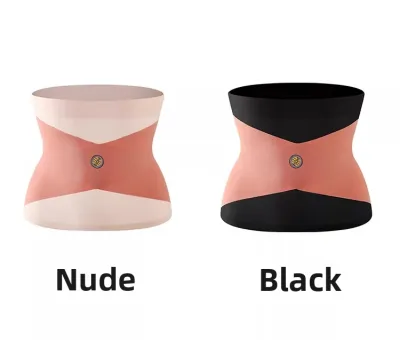
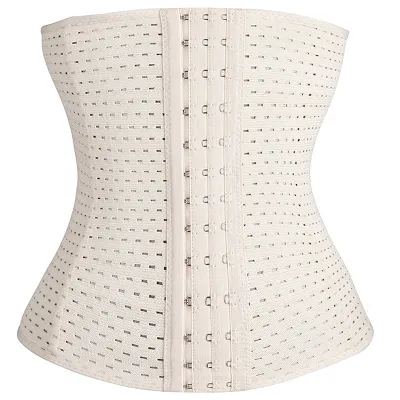
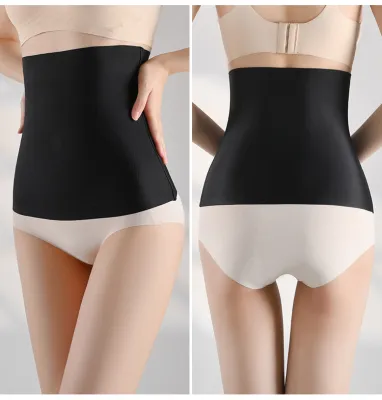
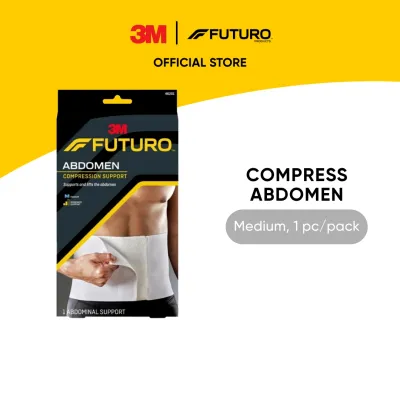
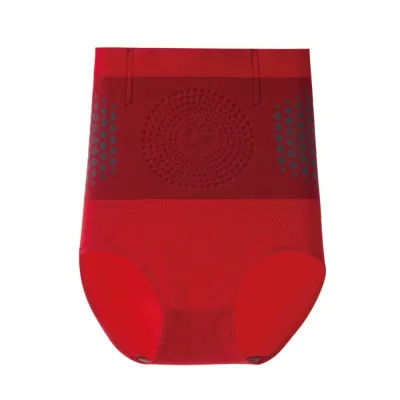
Prices are valid at publication and may change. Please refer to the product page for the latest price.
Beyond structural stabilization, compression garments play a significant role in managing muscle fatigue. During high-impact activities like running or dynamic jumping, your soft tissues undergo rapid vibrations, known as muscle oscillation. This continuous micro-movement contributes to muscle fatigue and can increase post-workout soreness. Applying targeted compression dampens these vibrations, preserving muscle energy and supporting localized blood circulation, which aids in continuous oxygen delivery and metabolic waste clearance during long training sessions.
However, it is crucial to establish a clear safety boundary regarding these accessories. Abdominal supports are training aids designed to supplement proper form and organic core strength; they are not replacements for foundational physical training. Relying on a support to compensate for weak deep-core muscles or poor lifting technique can lead to muscle detraining and increase your risk of injury. Furthermore, compression gear is not a treatment for existing medical conditions or structural injuries. If you are recovering from a hernia, diastasis recti, or chronic back pain, you must consult a qualified medical professional before incorporating compression gear into your routine.
Selecting the Right Compression Abdominal Gear: Key Features to Verify
To find a support that aligns with your physical demands, you must evaluate several technical specifications against your workout environment and body type.

Compression Level
Compression gear generally falls into three categories: mild, moderate, and firm. Mild compression (typically found in light elastane sleeves or high-waisted athletic wear) is designed for recovery, light cardio, and sensory feedback. Moderate compression utilizes structured knits or flexible neoprene to offer noticeable support during dynamic movements. Firm or rigid compression (such as thick nylon or leather belts) is reserved for heavy load-bearing exercises where spinal bracing is the primary safety requirement. Always verify the manufacturer’s compression rating or thickness specifications to ensure the product matches your training intensity.
Material and Breathability
In Singapore’s hot and humid tropical climate, heat dissipation and moisture management are critical. Heavy, non-breathable materials trap sweat against the skin, which can lead to chafing, heat rashes, or bacterial growth. For high-sweat activities, prioritize moisture-wicking synthetic blends like polyester-elastane or highly perforated neoprene. These fabrics pull moisture away from the skin and allow air to circulate, keeping your core cool and dry during intense outdoor or indoor sessions.
Anti-Slip Mechanisms
An abdominal support that shifts, rolls, or rides up during movement is both distracting and ineffective. When evaluating a product, check for integrated anti-slip features. High-quality compression sleeves often feature internal silicone grip waves along the top and bottom hems to lock the fabric against your skin. For adjustable wraps and belts, look for wide, industrial-grade hook-and-loop (Velcro) systems or heavy-duty buckle mechanisms that maintain tension even under high pressure.
Mobility versus Rigidity
Your choice must balance the need for core restriction with the need for multi-directional flexibility. Heavy lifting demands high rigidity to prevent the lumbar spine from flexing or twisting under load. Conversely, dynamic sports, agility training, and flexibility work require your torso to bend, rotate, and expand naturally. Choosing a support that is too rigid for a high-mobility sport will restrict your range of motion and alter your natural biomechanics, potentially causing strain in other joints.
Best Abdominal Support Types for Your Specific Workout
Matching the correct style of abdominal compression to your specific exercise category is essential for maximizing safety and comfort. Different disciplines place distinct physical demands on your core.
Heavy Lifting and Powerlifting
For high-load, low-repetition scenarios such as squats, deadlifts, and overhead presses, your core requires maximum intra-abdominal pressure and spinal stabilization. In these settings, a rigid or semi-rigid weightlifting belt is the standard choice. These supports do not rely on elastic compression; instead, they use stiff materials like heavy-duty leather or reinforced nylon to create an unyielding wall for your abdomen to brace against.
When selecting a lifting belt, pay close attention to the width and closure system. A uniform 4-inch wide belt provides consistent surface area across both the abdomen and the lower back, making it ideal for powerlifting. If you have a shorter torso, a tapered belt that is narrower in the front may be more comfortable, as it prevents the material from digging into your ribs or hip bones during deep hip flexion. For closures, lever systems offer a highly secure, ultra-tight fit that can be locked and released instantly, while single- or double-prong buckles allow for easier micro-adjustments between different exercises. To preserve your natural core strength, limit the use of rigid belts to your heavy working sets (typically 80% of your one-rep maximum or higher), and perform your warm-up sets unassisted to ensure your deep stabilizing muscles remain actively engaged.
Running and Endurance Cardio
Endurance cardio involves high-frequency, repetitive impacts over extended periods. In this scenario, heavy, rigid belts are highly counterproductive, as they add unnecessary weight, trap heat, and restrict the deep diaphragmatic breathing required for aerobic performance. Instead, runners should opt for lightweight, seamless compression abdominal sleeves, high-waisted compression tights, or specialized athletic shorts.
These garments provide mild to moderate compression that offers gentle sensory feedback, reminding you to maintain an upright, efficient posture as fatigue sets in over long distances. The reduction in muscle oscillation helps minimize soreness in the abdominal wall and lower back. When purchasing running compression gear, verify that the product features flatlock seams to prevent friction and chafing against the skin. High-wicking, quick-drying fabrics are essential for comfort on outdoor Singapore running routes, ensuring that sweat evaporates quickly rather than pooling around your waist.
HIIT, CrossFit, and Dynamic Training
High-Intensity Interval Training (HIIT) and CrossFit demand a versatile balance of support, warmth, and multi-directional flexibility. During a single workout, you may transition rapidly from heavy Olympic lifts to high-cardio movements like burpees, box jumps, or rowing. A rigid leather belt is too restrictive for the cardio portions, while a simple compression sleeve may not offer enough support for the heavy lifts.
For these dynamic environments, a flexible neoprene wrap or an adjustable elastic hook-and-loop belt is highly effective. These supports allow you to quickly adjust the tension: you can pull the strap tight for a heavy lift, and then instantly loosen it to allow for deep breathing and full torso flexion during a cardio interval. Neoprene also retains therapeutic heat around the lower back and abdomen, keeping the muscles and connective tissues pliable and reducing the risk of acute strains. Ensure the wrap is wide enough to cover your entire lower torso without restricting your ability to bend at the hips.
Yoga, Pilates, and Flexibility Training
Yoga and Pilates focus on deep, controlled diaphragmatic breathing, spinal articulation, and extreme ranges of motion. Rigid braces, thick Velcro straps, or heavy neoprene wraps are entirely unsuitable for these practices, as they physically block your movement and hinder the natural expansion of your abdomen during inhalation.
If you desire core support during flexibility training, choose high-waisted compression leggings or ultra-thin, second-skin abdominal bands made from high-stretch nylon-elastane blends. These items provide very mild compression that serves as a gentle proprioceptive cue, helping you maintain awareness of your transverse abdominis muscle without restricting your breath. Look for wide, flat waistbands that distribute pressure evenly and feature non-slip inner textures to keep the garment secure during inversions or deep stretches. Avoid any garments with plastic boning, metal stays, or thick, bulky seams that could press painfully into your skin during floor exercises or mat work.
How to Measure, Fit, and Wear Your Support Safely
To ensure your abdominal support functions correctly and safely, you must select the correct size and wear it with the appropriate tension. A poorly fitted support can impair your performance and pose health risks.
To find your correct size, do not rely on your standard clothing or pant size, as athletic wear sizes vary significantly between brands. Instead, use a flexible measuring tape to measure your torso. For most compression sleeves and wraps, you should measure around your natural waistline, which is typically located at the level of your navel. For structured lifting belts, measure around the area where the belt will sit—usually midway between your ribs and hips. Keep the measuring tape snug against your skin but do not pull it tight enough to compress your abdomen. Take the measurement while standing in a relaxed posture with your stomach relaxed, rather than sucking it in.
Once you have the correct size, you must learn to recognize the signs of an improper fit. While an abdominal support should feel snug and secure, it must never cause pain or severe discomfort. Signs that your support is too tight or poorly fitted include:
- Numbness, tingling, or a "pins and needles" sensation in your legs, hips, or pelvic region.
- An inability to take a full, deep diaphragmatic breath.
- The sudden onset of acid reflux, heartburn, or abdominal cramping.
- Skin pinching, bruising, or deep, painful red welts that persist for more than a few minutes after removing the gear.
Always prioritize safety when using compression equipment. If you experience sharp pain, dizziness, shortness of breath, or sudden weakness while wearing an abdominal support, stop your workout and loosen or remove the gear immediately. Equipment cannot replace proper training, physical conditioning, or medical judgment. If you are dealing with persistent abdominal or lower back issues, seek guidance from a physiotherapist or sports physician to address the root cause of the discomfort rather than relying on compression gear to mask the symptoms.
Frequently Asked Questions (FAQ)
Can I wear an abdominal compression support all day?
No, you should not wear an abdominal compression support continuously throughout the day unless specifically instructed to do so by a medical professional. Wearing compression gear for extended periods outside of your workouts can lead to muscle atrophy. When an external wrap or sleeve constantly stabilizes your torso, your deep core muscles—such as the transversus abdominis and multifidus—do not need to work to keep you upright. Over time, this lack of engagement can weaken your natural core stability, making you more susceptible to injury when you are not wearing the support. Additionally, prolonged abdominal compression can restrict blood circulation, impede normal digestion, and shallow your breathing. Limit wear strictly to your active exercise sessions or targeted recovery windows.
Does abdominal compression help with weight loss or belly fat reduction?
No, this is a common fitness myth. Wearing a compression belt, waist trimmer, or high-compression garment during exercise does not burn localized fat or target adipose tissue in the abdominal region. Any immediate reduction in waist size or weight that you observe after exercising with a compression wrap is purely temporary water loss caused by localized sweating under the non-breathable material. Once you rehydrate, this temporary change will disappear. Real, sustainable fat loss requires a consistent caloric deficit achieved through a combination of balanced nutrition, regular cardiovascular exercise, and resistance training. Compression gear is designed solely to provide structural support, improve proprioception, and reduce muscle oscillation during movement.
How do I wash and maintain my compression gear?
Proper maintenance is essential to preserve the elasticity, structural integrity, and moisture-wicking properties of your compression gear. Always check the applied product’s label and the manufacturer’s specific care instructions first. As a general rule, hand wash your compression sleeves and wraps in cold water using a mild, liquid detergent. If you use a washing machine, place the items in a mesh laundry bag and select a gentle cycle with cold water. Before washing, make sure to secure all hook-and-loop (Velcro) straps to prevent them from snagging and damaging the elastic fibers of the fabric. Air dry your gear flat or hang it up in a well-ventilated indoor area away from direct sunlight and high heat sources. Never use fabric softeners, bleach, or a tumble dryer, as these will degrade the elastane fibers and clog the specialized pores of moisture-wicking fabrics.
Community discussion
Share your experience or ask a question. Comments are reviewed before publication.