
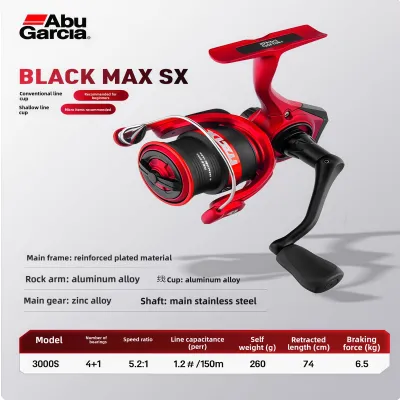
Selecting your first fishing reel can feel overwhelming given the sheer volume of technical specifications, gear ratios, and brand-specific jargon on the market. For beginner anglers, the Abu Garcia Max series—particularly the Max X or Max Pro spinning reels—offers the most practical balance of user-friendly mechanics, durable construction, and accessible pricing. This series minimizes the common frustrations of learning to cast while providing a robust platform that handles both freshwater and light saltwater environments without requiring a massive upfront investment.
Abu Garcia has built a diverse lineup of reels designed to accommodate different skill levels and fishing styles. By understanding how their entry-level and mid-tier series operate, you can make an informed decision that aligns with where you plan to fish, what species you target, and how much time you want to spend mastering casting mechanics.
Why Abu Garcia Is a Smart Start for New Anglers
Abu Garcia carries a long-standing heritage in the fishing tackle industry, tracing its origins back to Swedish precision engineering. Over decades of development, the brand has established a reputation for engineering reels that withstand heavy use. For a beginner, this heritage translates into reliable gear performance, meaning you can focus on learning how to read the water and present your bait rather than troubleshooting mechanical failures.
Products mentioned in this guide
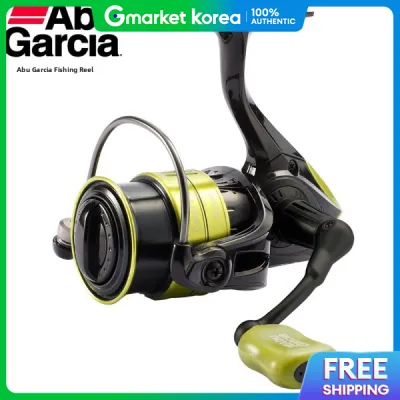
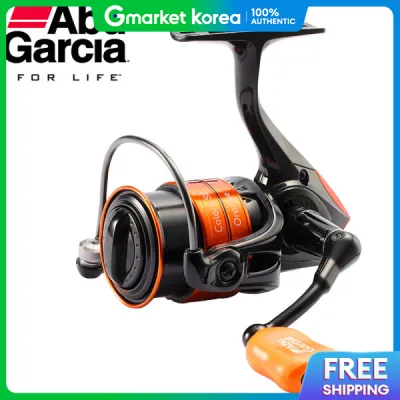
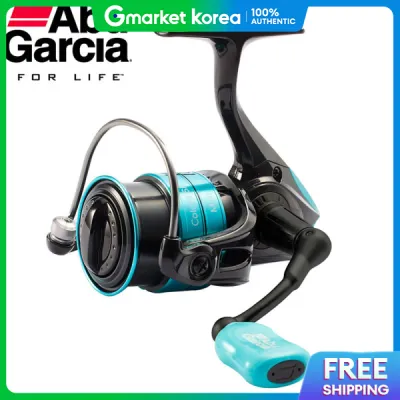
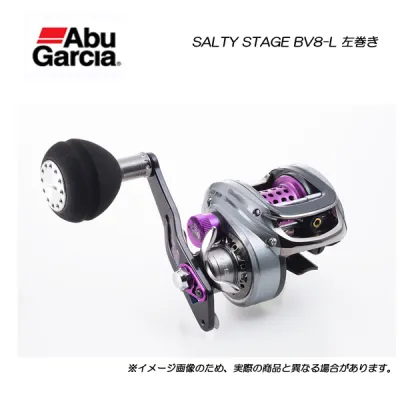
Prices are valid at publication and may change. Please refer to the product page for the latest price.
One of the primary advantages of starting with this brand is the balance it strikes between entry-level pricing and durable construction. Instead of using cheap, brittle plastics that flex under pressure, the brand utilizes lightweight graphite composites and aluminum alloys in its entry-level frames. This ensures that the reel remains rigid when fighting a fish, protecting the internal brass and stainless steel gears from misalignment.
Furthermore, because of the brand’s global footprint, finding replacement parts, extra spools, or professional servicing is highly straightforward. If you accidentally damage a component or need a drag washer replaced after a season of heavy use, local tackle shops in Singapore are highly likely to stock the necessary parts. This widespread availability provides peace of mind that your purchase is a long-term investment rather than a disposable tool.
Spinning vs. Baitcast: Which Reel Type Fits Your Style?
Before choosing a specific series, you must decide between a spinning reel and a baitcasting reel, as their fundamental mechanics are entirely different. A spinning reel features an open, fixed spool mounted underneath the rod. When you cast, the weight of the lure pulls the line off the stationary spool in loose coils, which are guided back onto the spool by a rotating bail arm during the retrieve.

Spinning reels are universally recommended for absolute beginners due to their highly forgiving nature. They cast light lures with ease, perform exceptionally well in windy conditions, and are virtually immune to the nested line tangles known as backlashes. If your goal is to get on the water quickly with minimal learning curve, a spinning setup is the logical choice.
In contrast, a baitcasting reel features a rotating spool mounted on top of the rod. When you cast, the momentum of the lure pulls line directly off the spinning spool. This design offers superior casting accuracy, direct line control, and higher cranking power, making it excellent for pulling heavy fish out of thick cover. However, if the spool spins faster than the lure is traveling through the air, the line will overrun and bunch up into a severe tangle, requiring a steep learning curve to master.
When evaluating any reel, you should learn to read four key specifications on the box:
- Gear Ratio: This indicates how many times the spool rotates for every single turn of the handle (e.g., a 6.2:1 ratio means the spool spins 6.2 times per handle turn). Higher ratios retrieve line quickly, while lower ratios provide more torque for pulling power.
- Drag Capacity: This is the maximum stopping force the drag system can exert before letting line slip out to prevent breakage, measured in kilograms or pounds.
- Bearing Count: This indicates the number of ball bearings inside the reel. While more bearings generally yield a smoother retrieve, the quality and placement of those bearings are far more critical than the raw number.
- Reel Weight: Typically measured in grams, lighter reels reduce hand and wrist fatigue during long casting sessions.
Your decision framework should be simple: choose a spinning reel if you prioritize versatility, ease of use, and light-lure fishing. Opt for a baitcasting reel if you are committed to practicing your casting technique and want to prioritize pinpoint accuracy with heavier lures.
Best Abu Garcia Spinning Series for Hassle-Free Casting
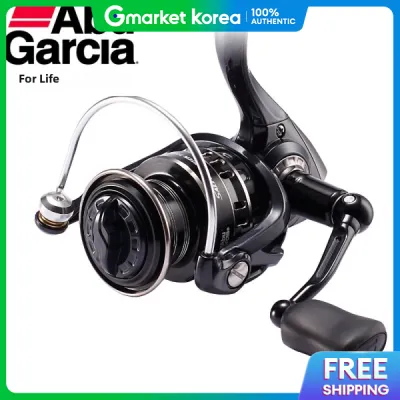
For beginners seeking a straightforward, reliable spinning experience, the Abu Garcia Max series (including the Max X, Max STX, and Max Pro) and the Cardinal series serve as excellent entry points. These series are engineered to minimize line management issues, which are the most common source of frustration for new anglers.
These reels incorporate the Rocket Line Management System, a proprietary design that combines a specific spool lip angle with a slow-oscillation gearing system. This combination controls how the line leaves and wraps back onto the spool, drastically reducing the occurrence of wind knots and line twists. Additionally, the lightweight graphite body and rotor keep the setup balanced, preventing hand fatigue during extended casting sessions.
These entry-to-mid-tier spinning reels are highly forgiving of common beginner mistakes, such as retrieving line while there is slack in the system or experiencing sudden line jerks when a fish strikes. The multi-disc drag systems deliver smooth, consistent pressure, preventing sudden spikes in tension that could snap light monofilament or braided lines. The anti-twist line roller also ensures that line is laid down evenly, even if you spool the reel incorrectly on your first attempt.
Before making a purchase, verify the exact model specifications and bearing counts at your local retailer, as lineup configurations can vary slightly by region. For instance, the Max Pro spinning reel features more bearings than the Max X, resulting in a noticeably smoother retrieve under load. Choosing a mid-range model within these series provides a durable tool that will continue to perform reliably as your casting and retrieving techniques improve.
Top Abu Garcia Baitcast Series for Learning the Basics
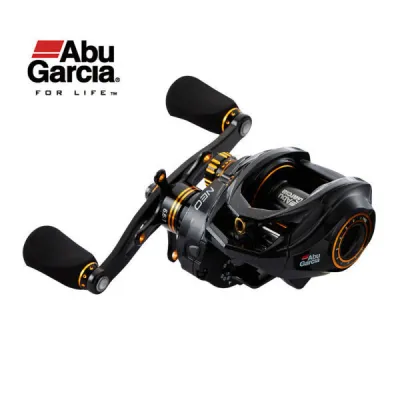
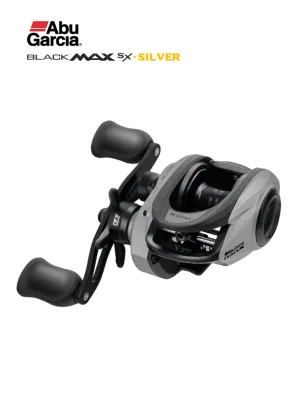
If you are determined to learn the art of baitcasting, the Abu Garcia Max X and Max Pro baitcast series are designed specifically to mitigate the learning curve. The primary barrier for new baitcast users is the fear of backlashes, which these entry-level models address through highly adjustable braking systems.
These learner-friendly baitcasters are equipped with the MagTrax magnetic braking system. This system uses a series of small magnets inside the sideplate to exert consistent braking pressure on the spool during a cast. By adjusting an external dial, you can increase or decrease this magnetic force to control how fast the spool spins, matching the spool’s rotation speed to the weight of your lure.
When starting out, you should set the magnetic brake dial to its maximum setting. This will limit your casting distance slightly but will almost entirely prevent the spool from overrunning. As your thumb control improves and you learn to naturally feather the spool as the lure approaches the water, you can incrementally reduce the braking force to achieve longer, more effortless casts.
These reels also feature a low-profile ergonomic design, allowing your hand to comfortably cup the reel while it sits low on the rod seat. The bent handle design and large co-molded knobs provide a secure grip, while the star drag system allows you to make quick, precise adjustments to the drag tension while fighting a fish.
Before taking your new baitcaster to the water, it is highly recommended to tie on a simple lead casting plug or a heavy sinker with the hooks removed. Spend an hour practicing your casting motion in an open park, field, or empty void deck. This pressure-free practice allows you to calibrate the tension knob and magnetic brakes without the risk of tangling your line in overhanging trees or water vegetation.
Adapting Your Reel Choice to Singapore's Fishing Spots
To get the most out of your Abu Garcia reel, you must match its specifications to the unique fishing environments found in Singapore. Local fishing generally falls into two categories: freshwater reservoirs or payponds, and saltwater coastal jetties or brackish estuaries.
In freshwater settings, such as Bedok, Lower Seletar, or Pandan Reservoirs, you will primarily target species like Peacock Bass, Tilapia, and occasionally Toman (Giant Snakehead). For these spots, a 2000 to 3000 size spinning reel, or a 100 to 200 size baitcaster, is ideal. This size range is light enough to cast the small minnows, soft plastics, and topwater frogs commonly used to lure Peacock Bass, yet possesses enough drag capacity (typically around 5kg to 6.5kg) to steer a powerful Toman away from submerged structures and weed beds.
If you plan to fish saltwater or brackish environments, such as Bedok Jetty, Woodlands Jetty, or the mangrove estuaries of Pasir Ris, corrosion resistance becomes your top priority. Saltwater is highly corrosive and will quickly destroy standard steel bearings and gears. When selecting a reel for these areas, check for models featuring High Performance Corrosion Resistant (HPCR) bearings and corrosion-resistant frame materials.
Using a reel designed strictly for freshwater in saltwater environments without immediate care will quickly ruin the internal gears and void the manufacturer’s warranty. If you do fish in saltwater or brackish canals, you must rinse the reel thoroughly with fresh water immediately after your session. This simple step prevents salt crystals from forming inside the housing and binding the moving parts.
Finally, pay close attention to line capacity. Saltwater species like Barramundi (KBL) or small Groupers caught off local jetties can make sudden, powerful runs. Ensure your chosen reel size can hold at least 150 meters of your chosen line rating, giving you plenty of buffer when a strong fish decides to run toward deeper water.
Pre-Purchase Checklist and Essential Reel Maintenance
To ensure your new Abu Garcia reel performs optimally and lasts for years, you must pair it with the right supporting tackle and commit to a basic maintenance routine.
Rod Matching
Always match your reel to a compatible rod to maintain a balanced setup. A reel that is too heavy will make the rod feel tip-light and tire your wrist, while a reel that is too light will ruin casting accuracy. Check the line and lure weight ratings printed just above the rod handle, and ensure they match the specifications listed on your reel. Generally, a 2500-size spinning reel pairs perfectly with a medium-light to medium power rod ranging from 6 to 7 feet in length.
Line Selection
For your first spool of line, you must choose between monofilament and braided line. Monofilament is highly forgiving because it stretches under tension, acting as a shock absorber when a fish strikes, and is very easy to knot. However, it has high line memory, meaning it retains coils over time. Braided line offers virtually zero stretch, incredible sensitivity, and a thin diameter for long casts, but it requires learning specialized leader knots (like the Double Uni or FG knot) to attach a fluorocarbon leader, as braid is highly visible to fish.
Post-Trip Care
After every fishing trip, especially those in saltwater or brackish environments, rinse your reel under a gentle mist of fresh tap water. Never use a high-pressure hose, as the force can drive salt, sand, and grit deep into the internal gear housing. Keep the drag tightened completely during the rinse to prevent water from entering the drag washers, and then loosen the drag completely before storing the reel to prevent the drag washers from becoming compressed and losing their smoothness.
Basic Upkeep
Periodically apply a single drop of specialized reel oil to the spool bearings, the line roller guide, and the handle knobs to keep them spinning freely. When storing your gear, keep it out of direct sunlight and high-heat environments, such as the trunk of a car, as extreme heat can degrade the factory lubricants and weaken graphite components.
Never use heavy household lubricating oils, automotive grease, or penetrating sprays like WD-40 on your reel. These products are designed to displace water rather than lubricate high-tolerance gears; they will dissolve the specialized factory grease, attract dirt, and eventually degrade the plastic and rubber seals inside your reel.
Frequently Asked Questions (FAQ)
Is a spinning reel or baitcaster better for a complete beginner?
A spinning reel is highly recommended for a complete beginner. Its fixed-spool design is incredibly forgiving, virtually eliminating the risk of backlashes (line tangles) and allowing you to focus on learning basic casting mechanics, knot tying, and fish handling. Baitcasters are excellent tools for precision casting but require a dedicated commitment to mastering thumb control and spool tension adjustments, making them better suited as a secondary setup once you have gained basic angling experience.
How do I prevent backlash when using a baitcaster?
To prevent backlashes on a baitcaster, you must coordinate your mechanical brakes and your physical casting technique. Start by adjusting the spool tension knob so that when you release the spool, your lure falls slowly to the ground and the spool stops spinning the instant the lure lands. Next, set your magnetic or centrifugal brakes to their maximum setting. Finally, always keep your thumb lightly resting on the spinning line during the cast, applying firm pressure to stop the spool entirely just before the lure hits the water.
What reel size is best for general freshwater fishing in local reservoirs?
A 2500 to 3000 size spinning reel is the most versatile option for general freshwater fishing in local reservoirs. This size class offers the perfect balance of line capacity and drag power for common local species like Peacock Bass and Tilapia, without adding unnecessary weight to your setup. It is light enough to cast small lures all day without fatigue, yet strong enough to handle an unexpected run from a larger Toman or Peacock Bass near structure.
Community discussion
Share your experience or ask a question. Comments are reviewed before publication.