
Finding the right ankle guard support in Singapore depends heavily on your physical activity, injury history, and daily environment. There is no single “best” brand for everyone; instead, your choice should align with your specific functional requirements and comfort needs.
- Premium medical-grade brands are ideal if you require targeted, breathable compression for chronic instability, post-surgery recovery, or long hours of standing in humid climates.
- Professional sports-specific brands are best if you need rigid lateral support, biomechanical straps, or protective guards to prevent rollovers during high-impact, multi-directional court sports like badminton, basketball, or netball.
- Everyday, budget-friendly brands are perfect for mild compression, joint warmth during light gym sessions, or managing minor swelling without a high financial commitment.
Ultimately, the perfect match is a balance between the mechanical support your joint requires, how well the brace fits inside your sports shoes, and your budget.
Key Decision Factors for Your Ankle Guard Support
To choose an effective ankle guard support, you must evaluate three primary dimensions: structural support, physical comfort within local climate conditions, and long-term budget.
Products mentioned in this guide
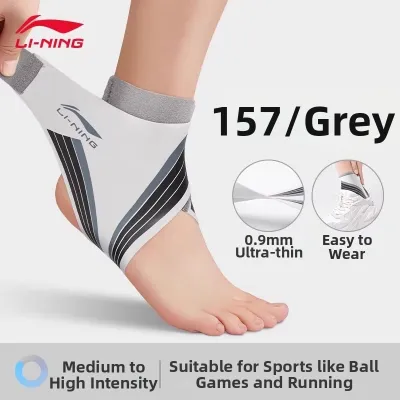
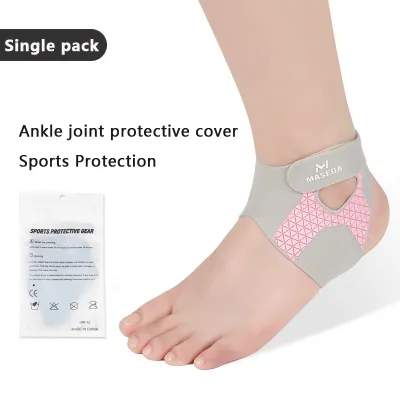
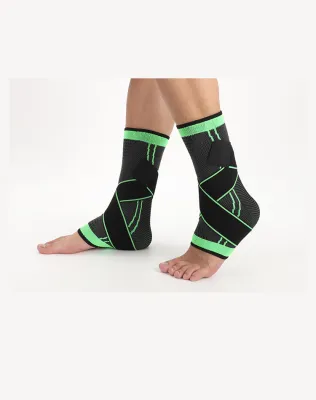
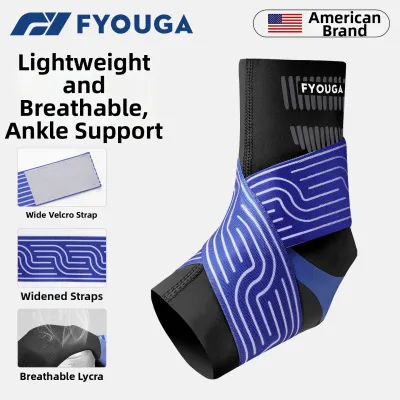
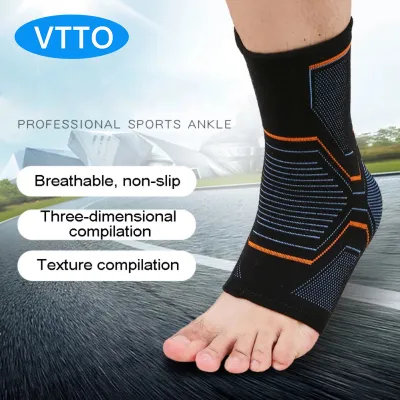
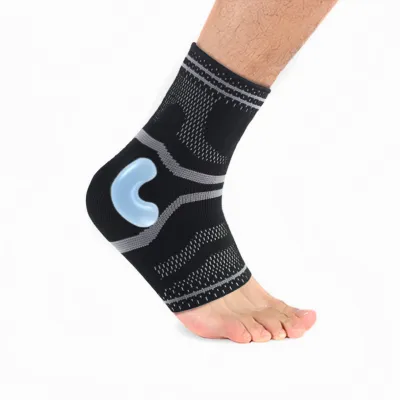
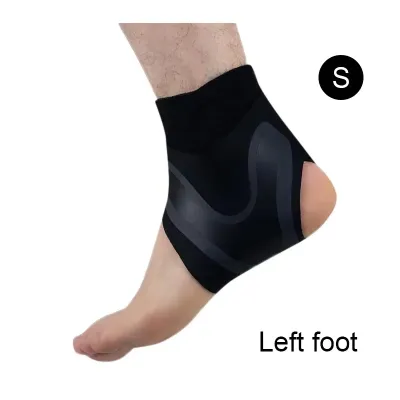
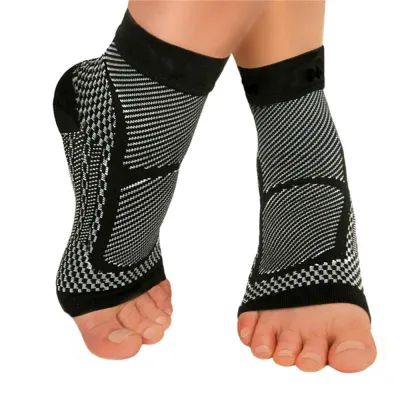
Prices are valid at publication and may change. Please refer to the product page for the latest price.
Support Levels
Ankle guards generally fall into three structural categories, each offering a different degree of joint restriction:
- Sleeves: Lightweight, elastic, or knit pull-on sleeves provide mild compression. They do not mechanically restrict movement but enhance proprioception (the body's awareness of joint position) and keep the joint warm.
- Strap and Lace-Up Braces: These provide moderate, adjustable stabilization. They typically feature figure-eight or figure-six straps that mimic athletic taping, limiting excessive side-to-side movement (inversion and eversion) while allowing comfortable forward and backward bending.
- Rigid and Hinged Supports: These offer maximum protection. They incorporate plastic or metal side guards (stays) or mechanical hinges to physically block the ankle from rolling over, which is crucial during high-impact sports or severe ligament recovery.
Comfort, Shoe Compatibility, and Climate
In Singapore’s hot and humid tropical climate, material breathability is a major comfort factor. Heavy neoprene materials retain heat and sweat, which can lead to skin irritation, chafing, and unpleasant odors during outdoor runs or intense court sessions. Advanced 3D flat-knit fabrics offer superior moisture-wicking and air circulation.
Furthermore, shoe compatibility is critical. A highly supportive, bulky brace is useless if it does not fit inside your badminton court shoes, running shoes, or work boots. Look for slim-profile designs if you have tight-fitting footwear, or prepare to adjust your shoe lacing to accommodate a thicker brace.
Budget Considerations
Pricing for ankle supports in Singapore varies widely, reflecting the materials and engineering involved. Budget-friendly neoprene sleeves and basic wraps typically cost under S$30. Mid-range sports braces featuring adjustable straps and lightweight plastic stays generally range from S$40 to S$80. High-end, medical-grade knit braces with integrated silicone inserts or advanced structural designs can cost upwards of S$100 to S$150. Viewing this purchase as an investment in injury prevention or rehabilitation can help you justify the cost of higher-end options.
Comparing Popular Ankle Guard Brands in Singapore
Let us look at how the most common ankle guard brands available in Singapore compare across design philosophy, target audience, and typical price positioning.

Premium and Medical-Grade Options
Brands like Bauerfeind represent the premium tier of ankle support. Their design philosophy focuses on medical-grade compression, anatomical fit, and high-performance knit fabrics.
- Design and Materials: Instead of neoprene, these brands use highly breathable, 3D flat-knit fabrics that conform precisely to the contours of your ankle. They often integrate viscoelastic silicone inserts (pads) around the lateral and medial malleoli (ankle bones) to massage the soft tissue, reduce swelling, and relieve pressure points.
- Best For: Individuals suffering from chronic ankle instability, post-operative recovery, osteoarthritis, or those who need to wear a support all day at work or during long walks. They are highly favored by active individuals who prioritize skin health and breathability in Singapore's humid weather.
- Price Positioning: Typically high-end, with prices generally ranging from S$100 to over S$160 per brace. They are available at specialty medical supply shops, private physiotherapy clinics, and selected high-end sports retailers.
Court and Field Sports Specialists
Brands like Zamst and McDavid are engineered specifically for athletes who engage in high-impact, multi-directional sports.
- Design and Materials: These brands focus on biomechanical engineering. They use a combination of rigid resin stays, semi-rigid shells, and complex strapping systems (like figure-eight or dual-crossover straps) to mimic professional athletic taping. For example, Zamst's popular models feature anatomically correct guards that prevent the ankle from rolling inward (inversion) while allowing natural running and jumping motions. McDavid utilizes durable lightweight materials, including reinforced nylon and adjustable laces, to provide a locked-in feel.
- Best For: Basketball players, badminton players, netballers, and trail runners who require robust lateral stability to prevent acute sprains during sudden lateral cuts, jumps, and landings on uneven surfaces.
- Price Positioning: Mid-to-high range, typically costing between S$50 and S$110. These brands are widely stocked in major sports department stores and specialized athletic retail outlets across Singapore.
Everyday and Budget-Friendly Supports
Brands like LP Support, Mueller, and Futuro offer highly accessible, versatile, and cost-effective options.
- Design and Materials: These brands primarily utilize neoprene, elastic blends, or basic knit fabrics. Their designs are straightforward, ranging from simple pull-on elastic sleeves to adjustable neoprene wrap-around straps. Neoprene provides excellent heat retention, which is beneficial for soothing stiff joints and promoting blood flow, though it can feel warm during outdoor activities.
- Best For: Mild ankle sprains, general joint warmth, light gym workouts, weightlifting, or individuals who only require occasional, low-level compression. They are also ideal as a temporary solution or for budget-conscious buyers.
- Price Positioning: Budget-friendly to mid-range, with prices usually between S$15 and S$45. You can easily find these brands in local pharmacy chains (like Watsons or Guardian), supermarkets, and community sporting goods shops.
Matching Support Levels to Your Sport and Recovery Stage
Selecting the right brand is only half the battle; you must match the structural design of the brace to your current recovery stage or the specific physical demands of your activity.
Preventive and Mild Compression
If you are looking to prevent minor fatigue during long-distance running, daily walking, or light gym workouts, a lightweight compression sleeve is usually sufficient.
- Mechanism: These sleeves do not physically stop your ankle from rolling. Instead, they provide constant, gentle pressure that stimulates sensory receptors in your skin. This increases proprioception, helping your brain better coordinate ankle stability.
- Suitable Brands: LP Support elastic sleeves, Futuro comfort compression supports, or Bauerfeind knit sleeves (for premium comfort).
Moderate Stabilization
If you are returning to sports after a mild (Grade 1) sprain, or if you regularly play court sports like badminton or tennis where rapid lateral movements are common, you need moderate stabilization.
- Mechanism: Look for braces that combine a compression sleeve with adjustable elastic straps. The straps should wrap in a figure-eight pattern to lock the heel and support the lateral ligaments, mimicking the protective effect of athletic tape.
- Suitable Brands: Zamst middle-support models, McDavid strap braces, or LP Support adjustable wraps.
Maximum Protection
If you have a history of severe or recurring ankle sprains, are recovering from a Grade 2 or 3 ligament tear, or participate in high-contact sports like basketball or soccer, maximum protection is necessary.
- Mechanism: Choose braces with rigid plastic or resin side stays, or lace-up designs reinforced with non-stretch nylon straps. These components physically block extreme lateral movement while allowing you to bend your foot upward and downward to run and jump.
- Suitable Brands: Zamst high-support series (with anatomical guards), McDavid lace-up braces with steel stays, or heavy-duty medical braces.
Safety Boundary and Professional Advice
While a high-quality ankle guard provides crucial external stability, it is vital to remember that rigid braces do not cure underlying joint weakness. Relying solely on a brace without active rehabilitation can lead to muscle weakness and long-term joint stiffness.
- Rehabilitation: Always pair the use of an ankle guard with targeted strengthening exercises (such as calf raises and single-leg balance drills) to rebuild your natural stability.
- Stop Conditions: If you experience severe pain, immediate swelling, an inability to bear weight, or numbness in your toes, stop all physical activity immediately. These symptoms suggest a serious injury. Consult a qualified general practitioner, orthopedic doctor, or physiotherapist in Singapore for an accurate diagnosis and a customized recovery plan.
Buying Channels and Fitting Verification in Singapore
To ensure you receive an authentic product that performs as intended, pay close attention to where you buy and how you fit your ankle guard.
Authorized Channels
Always purchase your ankle guard from authorized local sports retailers, established pharmacy chains, or official brand flagship stores online. Avoid buying from unverified third-party sellers on general online marketplaces, as counterfeit braces often use substandard elastic materials that stretch out quickly or fail to provide the promised compression and support.
Fitting Rules
Never select an ankle guard based solely on your shoe size. Different brands have unique sizing charts, and most require you to measure your ankle circumference.
- How to Measure: Use a flexible measuring tape. Measure the circumference of your ankle starting from the heel, wrapping diagonally across the top of your ankle joint, and back to the starting point (or as specified by the brand’s sizing guide). If your measurement falls between two sizes, consult the manufacturer's instructions; generally, a tighter fit offers more compression, while a larger size offers more comfort.
The Shoe Test
Once you receive your ankle guard, perform a dry run at home before heading out for an intense workout.
- Socks and Shoes: Put on the actual sports socks and athletic shoes you plan to wear.
- Check for Pressure Points: Lace up your shoes fully. Walk around, perform a few light squats, and move side to side. Check if the brace pinches your heel, rubs uncomfortably against your ankle bone, or excessively compresses your toes. If you feel any numbness, tingling, or sharp pain, the brace may be too tight or incompatible with your footwear.
Frequently Asked Questions (FAQ)
Should I wear an ankle guard all day?
You should generally only wear an ankle guard during physical activities, sports, or periods of prolonged standing and walking, unless specifically instructed otherwise by your doctor or physiotherapist. Wearing a supportive brace during prolonged rest or sleep is unnecessary and can restrict healthy blood circulation. Furthermore, continuous, non-stop wear without active rehabilitation can cause your ankle muscles and tendons to become reliant on the external support, potentially slowing down your natural recovery.
Can ankle supports weaken my ankle muscles over time?
Ankle supports themselves do not actively weaken your muscles if used correctly as a temporary aid during recovery or high-stress sports. However, if you rely on a highly rigid brace as a permanent substitute for physical therapy and strength training, your body may adapt to the external stabilization, leading to a gradual loss of muscle strength and joint mobility. To maintain strong, resilient ankles, use the guard as a protective tool while actively performing balance and strengthening exercises.
How do I wash and maintain my ankle brace?
To preserve the elastic integrity and structural materials of your ankle guard, always check the manufacturer’s care label first. As a general rule, hand wash the brace in cool or lukewarm water using a mild detergent. Avoid using bleach, fabric softeners, or harsh chemicals, as these can degrade elastic fibers and silicone pads. Gently squeeze out excess water without twisting or wringing the fabric. Air dry the brace flat in a shaded, well-ventilated indoor area, keeping it away from direct sunlight and heat sources like dryers, which can warp plastic stays and damage elastic components.
Community discussion
Share your experience or ask a question. Comments are reviewed before publication.