
Swimming with foggy goggles is one of the most frustrating experiences in the pool, turning a focused workout or a relaxing swim into a constant battle to clear your vision. When water vapor condenses on the inside of your lenses, it scatters light and reduces visibility, which can disrupt your stroke rhythm and make it difficult to track lane lines or open-water landmarks. To combat this, swimmers rely on three primary methods: built-in factory coatings, aftermarket anti-fog sprays, and pre-moistened anti-fog wipes.
Choosing the best anti fog for goggles depends on the age of your gear, how often you swim, and your pre-swim preparation habits. Built-in factory coatings are the absolute best option for brand-new goggles because they require zero effort and provide flawless optical clarity right out of the box. However, because these coatings naturally degrade over time, you will eventually need an aftermarket alternative. For regular swimmers who train multiple times a week, anti-fog sprays offer the most durable, long-lasting, and cost-effective solution. If you prioritize convenience, travel light, or need a quick fix right on the pool deck, pre-moistened anti-fog wipes provide excellent portability without requiring dry time.
Understanding Your Goggles' Anti-Fog Needs
To choose the right prevention method, it helps to understand why goggles fog up in the first place. Fogging is caused by condensation, which occurs when warm, moist air inside the goggle lens meets the cold surface of the lens cooled by the pool water. The temperature difference causes the water vapor to transition into microscopic liquid droplets. These droplets cling to the inner surface of the plastic, scattering light and creating a cloudy barrier.
Products mentioned in this guide
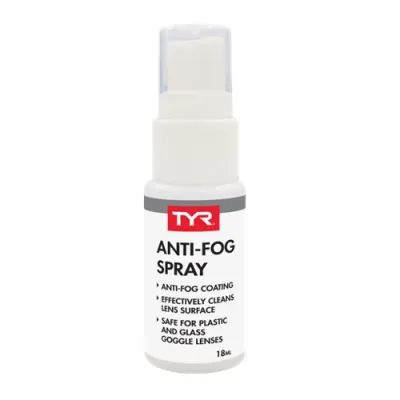
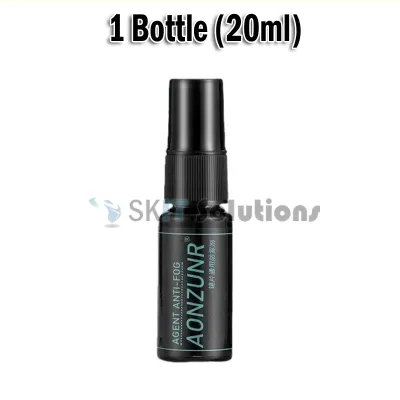
![[SG Stock] Anti Fog Spray Goggles 20ML Antifog Swimming Reusable Google Long Lasting SunSplash](https://img.lazcdn.com/g/p/66a0ef2683ff6d3f049fc4b3320f3e63.jpg_400x400q80.jpg_.webp)
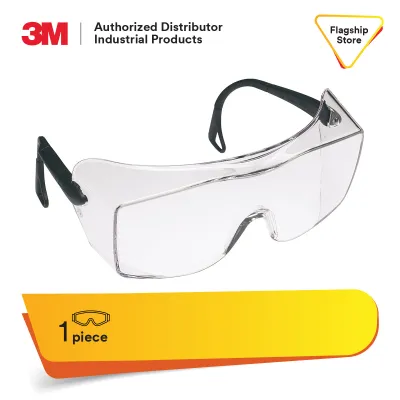
![[SG SELLER] 3M 1621AF Anti Fog Clear Plastic Goggle Safety Splash Goggle Personal Protective Equipment [H211]](https://img.lazcdn.com/g/p/6329eced95a897c34830f10024dd9f7c.jpg_400x400q80.jpg_.webp)
Prices are valid at publication and may change. Please refer to the product page for the latest price.
In Singapore’s tropical climate, this physical process is significantly accelerated. High ambient humidity means the air trapped inside your goggles when you put them on is already saturated with moisture. When you plunge into a cooler pool, the temperature differential triggers rapid condensation. Furthermore, body heat generated during intense swim sets warms the air inside the goggle cups even more, making fogging an almost immediate issue if the lenses are untreated.
Before selecting a solution, evaluate the current state of your swimming gear. If your goggles are brand new, they already possess a delicate chemical barrier designed to prevent condensation. If you have owned your goggles for several months and notice they cloud up within minutes of entering the water, that factory barrier has likely worn off. Identifying where your goggles sit in this lifecycle prevents you from wasting money on unnecessary products or accidentally damaging a perfectly intact factory coating.
Regardless of your goggles’ age, you must observe a strict care rule: never touch the inside of the lenses with your fingers, towels, or abrasive cloths. The skin on your fingers carries natural oils that leave smudges, while fabrics can easily scratch the plastic or scrape away the ultra-thin anti-fog layer. Once this layer is physically scratched or contaminated with oils, restoring its performance becomes significantly more difficult.
Built-In Anti-Fog Coatings: The Factory Standard
Built-in anti-fog coatings are applied by manufacturers during the fabrication process. These factory coatings consist of a highly advanced, hydrophilic (water-loving) chemical layer cured onto the inner surface of the polycarbonate lenses. Instead of allowing moisture to bead up into individual light-scattering droplets, the hydrophilic layer forces the water to spread out flat into a continuous, microscopic sheet. Because this sheet of water is completely flat and uniform, light passes through it without distortion, keeping your vision perfectly clear.

The primary advantage of built-in coatings is complete, hassle-free convenience. When you purchase a new pair of goggles, you do not need to buy external chemicals, carry extra bottles in your swim bag, or spend time applying and drying formulas before your swim. You simply rinse them in clean water, put them on, and swim. The optical clarity of a fresh factory coating is incredibly high, providing a sharp, undistorted view of the pool floor or open-water surroundings.
However, these built-in coatings are inherently temporary. Exposure to pool sanitizing chemicals like chlorine or bromine, dissolved salts in ocean water, sweat, and facial cosmetics gradually breaks down the delicate hydrophilic layer. For a typical fitness swimmer training two to three times a week, a factory coating generally maintains its peak performance for two to six months. Over time, the chemical bonds of the coating degrade, and its water-sheeting capability declines.
You can easily identify when your factory coating has worn off by observing how water behaves on the lens. If you rinse your goggles and see water gathering in distinct droplets or patches of fog forming in specific areas, the hydrophilic layer has failed. Once this degradation occurs, the factory coating cannot be chemically “recharged” or restored to its original state. At this point, you must transition to aftermarket solutions like sprays or wipes to maintain clear vision.
Anti-Fog Sprays: The Reapplication Solution
Anti-fog sprays are liquid surfactant formulas designed to replace or supplement worn-out factory coatings. When sprayed onto the inner surface of a clean lens, the liquid leaves behind a microscopic chemical film that lowers the surface tension of any condensing water. This forces the moisture to sheet out flat, mimicking the behavior of a brand-new factory coating. These formulas are typically water-soluble polymers that adhere temporarily to polycarbonate plastics.
The greatest strength of anti-fog sprays is their exceptional longevity per application. When applied correctly and allowed to dry, a single treatment can easily last through multiple long-distance swim sessions or high-intensity workouts without washing away. This makes sprays the most cost-effective aftermarket option available. A single 15ml to 30ml bottle, which typically costs between S$10 and S$25 in Singapore retail shops, can provide dozens of individual applications, lasting a frequent swimmer for many months.
Despite their high performance, sprays require a disciplined application routine and prep time. Most manufacturers specify that the spray must be applied to a clean lens and allowed to air dry completely before the goggles are submerged. If you rush this process or apply too much liquid, the formula can run, creating thick streaks that distort your vision. Furthermore, entering the pool before the spray has fully dried can cause the active ingredients to wash off immediately into the water, rendering the application useless and potentially irritating your eyes.
To ensure a safe and highly effective application, always follow these structured steps:
- Rinse: Clean the goggles with fresh, cool tap water to remove any residual chlorine, salt, or oils.
- Spray: Apply a single, light mist of the anti-fog spray directly onto the inner surface of each lens.
- Coat: Gently tilt the goggles back and forth to ensure the liquid coats the entire inner surface evenly. Do not touch the lens with your fingers or a cloth to spread the liquid.
- Dry or Rinse: Check your specific product's label. Some sprays require you to let the formula air dry completely for several minutes, while others instruct you to perform a very quick, gentle rinse in cool water immediately after application to wash away excess surfactant. Always verify the manufacturer's exact instructions to avoid eye sting.
Anti-Fog Wipes: The On-the-Go Convenience
Anti-fog wipes are pre-moistened, single-use or reusable cloths saturated with a mild surfactant solution. They work on the same basic chemical principle as sprays, transferring a thin, uniform layer of surface-tension-reducing chemicals directly onto the inner lens. However, instead of relying on a liquid mist that must flow and dry, the wipe uses mechanical contact to distribute the formula evenly across the plastic surface.
The standout benefit of anti-fog wipes is their incredible portability and speed. Because the chemical is pre-dosed on a soft cloth, there is generally no drying time required. You can simply wipe the inside of your goggles right on the pool deck, give them a quick rinse if directed by the packaging, and jump straight into your swim lane. They are highly convenient for triathletes transition-training outdoors, open-water swimmers who do not want to carry liquid bottles onto sandy beaches, or casual pool-goers who frequently forget to prep their gear at home.
However, this convenience comes with a higher cost per use. Individually packaged single-use wipes are significantly more expensive per application than a bottle of spray. Additionally, because wipes require physical contact with the lens, they carry an inherent risk of scratching. If a tiny grain of sand, pool deck grit, or salt crystal is present on the lens or the wipe itself, rubbing the cloth across the plastic can drag that debris, leaving permanent micro-scratches that ruin the lens’s optical clarity.
To minimize the risk of lens damage when using wipes, always observe the following precautions:
- Pre-Rinse: Thoroughly rinse your goggles with clean water before wiping to flush away any abrasive particles.
- Light Pressure: Use extremely gentle pressure when swiping the wipe across the inner lens surface.
- Single Direction: Move the wipe in a single, smooth motion from the center of the lens outward, rather than rubbing back and forth.
- Discard Promptly: If using single-use wipes, discard them immediately after one use to prevent cross-contamination or the transfer of dried-on debris back to your gear.
Head-to-Head Comparison: Spray vs Wipes vs Built-In
To help you determine which anti-fog method aligns best with your swimming habits, budget, and gear condition, the table below compares them across five critical decision dimensions.
| Performance Dimension | Built-In Factory Coating | Aftermarket Anti-Fog Sprays | Aftermarket Anti-Fog Wipes |
|---|---|---|---|
| Initial Effectiveness | Excellent (Flawless optical clarity) | Very High (Requires proper application technique) | Moderate to High (Quick, thin coating) |
| Longevity per Application | Long-term (Lasts 2 to 6 months of regular use) | Moderate (Lasts for multiple swim sessions) | Short-term (Typically lasts for a single swim) |
| Convenience & Portability | High (No extra gear needed initially) | Moderate (Requires carrying a bottle and drying time) | Excellent (Individually packed, instant use on pool deck) |
| Cost per Use | Included in goggle price (High upfront cost) | Very Low (Estimated S$0.10 to S$0.30 per application) | Moderate to High (Estimated S$0.50 to S$1.50 per wipe) |
| Risk of Lens Damage | Low (Factory applied, but easily ruined by manual rubbing) | Very Low (No-touch liquid application) | Moderate (Physical contact can drag trapped debris) |
Interpreting this comparison depends heavily on your lifestyle. A competitive athlete training daily at a local sports complex will find that the low cost per use and multi-session durability of a high-quality spray far outweigh the minor inconvenience of waiting for it to dry. On the other hand, a recreational swimmer who packs a swim bag once a fortnight for a casual dip at an ActiveSG pool will likely prefer the instant, fuss-free application of a pack of wipes.
How to Choose the Right Anti-Fog for Your Goggles
Selecting the ideal anti-fog solution requires matching your specific swimming profile and gear condition to the strengths of each method. Use the conditional framework below to make your decision.
- Choose Built-In Coatings if: You are purchasing a brand-new pair of goggles and want a completely maintenance-free experience for the first few months. To make this phase last as long as possible, handle your new goggles with care and store them properly from day one.
- Choose Anti-Fog Sprays if: Your factory coating has worn off, you swim multiple times a week, and you want a highly economical, durable aftermarket solution. Sprays are ideal for swimmers who have a structured pre-swim routine at home or in the locker room and can allow the formula the necessary time to dry or set.
- Choose Anti-Fog Wipes if: You prioritize rapid application, travel frequently, or prefer to keep your swim bag as light and liquid-free as possible. Wipes are perfect for keeping in your bag as a backup option for those days when you forget to prep your goggles beforehand.
Before applying any aftermarket chemical to your goggles, you must verify the type of lenses you own. Swimming goggles with specialized finishes—such as mirrored coatings, polarized lenses, photochromic transitions, or custom prescription inserts—often require specific care. Certain aggressive chemical surfactants or alcohol-based solvents found in generic anti-fog products can react poorly with these delicate optical finishes, leading to peeling, cloudiness, or permanent discoloration.
Always check the manufacturer’s care instructions for both your swimming goggles and the anti-fog product before application. If the instructions warn against aftermarket chemicals, or if you are unsure of compatibility, contact the goggle manufacturer directly to avoid voiding your warranty or damaging expensive specialized lenses.
Safe Application and Maintenance Rules
To maximize the lifespan of any anti-fog solution—whether it is a factory coating or an aftermarket product—you must practice consistent, proper gear maintenance. Proper care prevents dirt, oils, and pool chemicals from degrading the protective layers.
First, always rinse your goggles thoroughly in clean, cool tap water immediately after every swim. This simple step flushes away chlorine, salt, sweat, cosmetics, and body oils before they can bond with the lens surface and eat away at the anti-fog layer. Avoid using hot water, as high temperatures can warp the soft silicone gaskets and cause chemical coatings to crack or peel.
Second, allow your goggles to air dry completely in a shaded, well-ventilated indoor area before placing them back into their protective storage case. Never leave your goggles drying in direct sunlight, on a hot car dashboard, or stuffed inside a damp, dark swim bag. Prolonged exposure to heat and UV radiation rapidly degrades both the plastic lenses and the anti-fog treatments, leading to premature clouding and brittle silicone.
Third, remember the golden rule of goggle care: never rub, wipe, or touch the inside of the lenses. If you notice dirt or debris inside the lens, gently flush it out with a stream of clean water. Physical friction is the single most common cause of premature anti-fog failure.
Finally, if you are applying a new aftermarket spray or wipe to specialized or expensive goggles for the first time, perform a localized compatibility test. Apply a tiny droplet of the solution to an inconspicuous corner of the inner lens, such as the very outer edge near the silicone frame. Allow it to sit for the recommended time, rinse it, and inspect the area under bright light. If you observe any peeling, clouding, or changes in the lens finish, stop using the product immediately and consult the manufacturer.
Frequently Asked Questions (FAQ)
Can I use baby shampoo or household DIY solutions instead of commercial anti-fog?
While diluted baby shampoo, saliva, or mild dish soaps are popular DIY alternatives that can temporarily prevent fogging by leaving a basic surfactant film, they are not recommended for modern swimming goggles. These household substances present several distinct risks compared to purpose-built commercial products.
- Eye Irritation and Safety: Household soaps and shampoos are not formulated for ophthalmic safety in high-moisture environments. When you sweat or if pool water leaks into your goggles, these chemicals can easily dissolve and run into your eyes, causing severe burning, redness, and blurred vision mid-swim, which can be dangerous in deep water.
- Lens and Gasket Degradation: Many household products contain additives, artificial fragrances, moisturizing oils, or chemical solvents that can slowly degrade the polycarbonate lenses and dry out the silicone gaskets, causing your goggles to leak prematurely.
- Inconsistent Performance: DIY solutions lack the specialized binding agents found in commercial formulas. Consequently, they wash away much faster, often requiring reapplication mid-workout, and can leave behind a greasy residue that actually attracts dust, lint, and pool debris. For reliable, eye-safe, and long-lasting clarity, always use dedicated commercial products.
Community discussion
Share your experience or ask a question. Comments are reviewed before publication.