
Selecting the right grip tape is one of the most immediate ways to improve your racket control, shot accuracy, and overall comfort on the court. The best grip tape for your badminton racket depends entirely on your hand characteristics—specifically how much you sweat—and your tactical playing style. Players who rely on powerful, aggressive smashes require a high-friction, tacky surface to keep the racket secure, while defensive players and net specialists need a smoother, dry-feel tape that allows for rapid finger adjustments. Matching these physical material properties to your personal playing conditions is the key to optimizing your performance.
In tropical, high-humidity environments like Singapore, where players frequently transition between air-conditioned sports halls and non-air-conditioned community courts, moisture management becomes a primary concern. A grip tape that works perfectly in a dry, cool climate can quickly become a slippery liability under intense humidity. By understanding the structural differences between grip types and evaluating their thickness, tackiness, and absorbency, you can make an informed decision that prevents your racket from twisting mid-swing and protects your hands from blisters.
Overgrips vs. Replacement Grips: What Do You Actually Need?
To build the perfect handle setup, you must first distinguish between the two primary categories of grip tape: replacement grips and overgrips. A replacement grip, often referred to as a base grip, is the thick, cushioned layer that comes pre-installed on the wooden handle of a new racket. It is designed to sit directly on the wood, providing the foundational cushioning, shock absorption, and structural shape of the handle. Over time, these base grips degrade, lose their elasticity, or accumulate deep-seated sweat, requiring a complete replacement to restore the racket’s original feel.
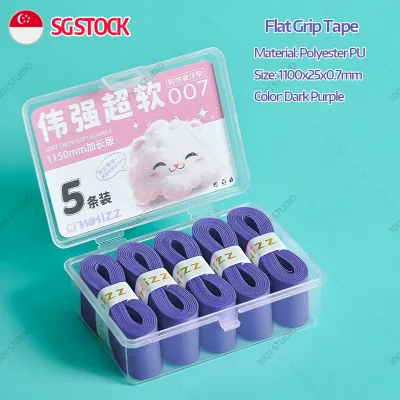
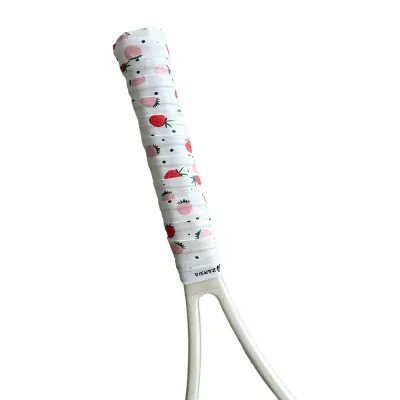
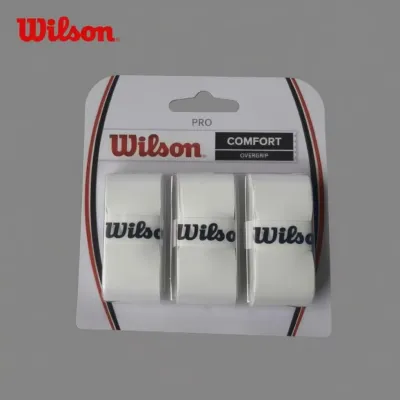
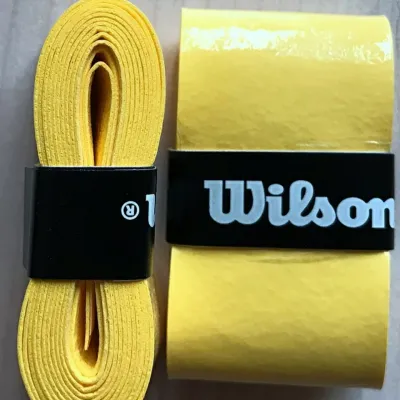
Products mentioned in this guide
![[SG Ready Stock] Yonex Premium Badminton Pickleball Tennis Racket Grip Tape sweat & shock absorption grip wrap anti-slip Sports](https://img.lazcdn.com/g/p/adf16b151b395cfca056e21fcdb0af0e.png_400x400q80.png_.webp)
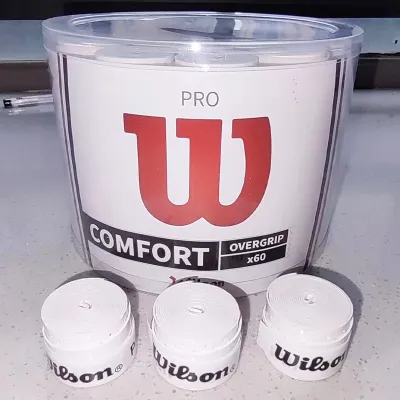
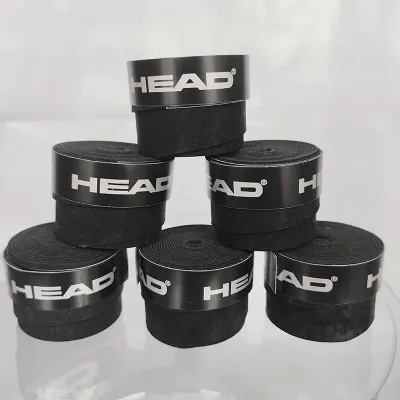
Prices are valid at publication and may change. Please refer to the product page for the latest price.
An overgrip, by contrast, is a much thinner, highly stretchable outer layer designed to be wrapped on top of the replacement grip. Overgrips are the primary point of contact for your hand and are engineered for specific performance attributes like moisture absorption, tackiness, and texture. Because they are thin and relatively inexpensive, they are designed to be replaced frequently to maintain hygiene and consistent playability.
Most badminton players searching for new grip tape are looking for overgrips, as they allow for easy customization without altering the core handle size too drastically. However, you will need a replacement grip if your current base grip has worn down to the bare wood, if you want to significantly increase the handle diameter, or if you prefer a highly cushioned feel that a thin overgrip alone cannot provide. Knowing which layer you are replacing prevents bulkiness and ensures your fingers can wrap naturally around the handle.
How to Evaluate Grip Tape: Thickness, Tackiness, and Absorbency
When evaluating different grip tapes, you should look past brand marketing and focus on three objective technical specifications: thickness, surface texture (tackiness versus dryness), and moisture absorbency. These three factors directly influence how much feedback you receive from the racket frame and how securely you can hold the handle during high-speed rallies.

Thickness and Racket Feedback
Thickness is measured in millimeters and typically ranges from a ultra-thin 0.4 mm to a plush 1.6 mm or more. Thin overgrips (0.4 mm to 0.6 mm) are favored by control-oriented players because they preserve the bevels of the wooden handle, allowing your fingers to feel the exact angle of the racket face. Thick grips (1.0 mm and above), including cushioned replacement grips, excel at absorbing the vibrations generated by high-tension strings, making them ideal for players recovering from wrist strain or tennis elbow.
Surface Texture: Tacky vs. Dry
Tackiness and dryness represent two opposite ends of the tactile spectrum. Tacky grips feature a specialized polyurethane coating that creates a sticky, high-friction bond with your palm, ensuring the racket will not slip during maximum-effort swings. Dry-feel grips, on the other hand, have a velvety, matte finish that mimics the texture of peach skin or soft suede. This smooth surface minimizes friction during quick transitions, allowing you to slide your hand up and down the handle effortlessly.
Moisture Absorbency and Saturation Limits
Absorbency determines how well the material manages perspiration during long matches. Open-cell polyurethane and cotton towel fabrics are highly porous, drawing moisture away from the surface to keep your hands dry. However, highly absorbent materials have a saturation limit; once they are completely soaked, they can become heavy, lose their structural integrity, and take a long time to dry out. When shopping, always check the manufacturer’s specifications for moisture management to ensure the tape matches your sweat level.
Best Grip Tape Types for Your Playing Style and Hand Condition
Every player has a unique combination of hand physiology and tactical tendencies. By categorizing grip tapes into specific material types, you can easily identify which option aligns with your physical needs and court positioning.
Towel Grips for Heavy Sweaters and Humid Climates
Towel grips are constructed from 100% cotton terry cloth, featuring a looped pile structure identical to a household bath towel. This design provides unparalleled moisture-wicking capabilities, making towel grips the gold standard for players with hyperhidrosis or those competing in humid, non-air-conditioned halls. The cotton loops physically trap sweat, keeping the surface remarkably dry and slip-free even during intense, multi-hour sessions.
Despite their exceptional sweat absorption, towel grips come with notable trade-offs. They are inherently thick and bulky, which can round out the handle bevels and reduce your ability to make precise finger adjustments. Furthermore, cotton fibers harden as they dry, meaning towel grips require frequent application of specialized grip powder (magnesium carbonate) to maintain their soft, high-friction texture. They also accumulate bacteria and sweat odors quickly, requiring replacement every few sessions to maintain basic hygiene.
Tacky PU Overgrips for Aggressive Smashers
Aggressive smashers rely on explosive racket-head speed and sudden, violent wrist snaps to power the shuttlecock downward. For this playing style, tacky polyurethane (PU) overgrips are highly effective. The sticky surface formulation creates a secure lock between your palm and the handle, preventing the racket from twisting or flying out of your hand during maximum-effort overhead smashes.
This high level of friction is incredibly reassuring during fast-paced drive exchanges where you have fractions of a second to react. However, tacky PU grips are highly sensitive to environmental contaminants. Natural skin oils, dust from the court, and heavy sweat will quickly coat the sticky resin, causing the grip to lose its adhesive quality and become slick. If you choose a tacky PU grip, expect to replace it frequently to preserve that signature sticky feel.
Dry and Smooth Overgrips for Control and Defensive Players
Control players, doubles net specialists, and defensive tacticians prioritize rapid racket manipulation. They constantly shift their grip between forehand and backhand, slide their hand closer to the cone for quick net taps, or drop it to the butt cap for defensive lifts. For these players, a dry, smooth overgrip is the ideal choice. The velvety, non-sticky surface allows the handle to rotate freely within the palm without catching or bunching.
These dry-feel synthetic grips perform exceptionally well for players with naturally dry or moderately damp hands. Because they do not rely on a sticky chemical coating, they are highly durable and do not attract dust or dirt from your gear bag. They maintain a consistent, reliable texture over weeks of play, making them a low-maintenance option for players who prefer a clean, smooth feel over intense tackiness.
Cushioned Replacement Grips for Shock Absorption
For players who suffer from joint pain, vibration dampening is a critical safety consideration. Cushioned replacement grips are built with thick polyurethane bases and often incorporate an integrated EVA foam strip running down the center. This foam creates a raised, ribbed profile when wrapped, providing deep channels for your fingers to slot into and absorbing the harsh shock waves that travel up the shaft during off-center hits.
Before purchasing a thick cushioned replacement grip, it is vital to verify your racket’s handle size (commonly G5 or G4). Applying a thick replacement grip to an already large handle can make it difficult for your fingers to close fully, leading to forearm fatigue and reduced wrist flexibility. When installing these grips, apply firm, even tension to ensure the adhesive backing bonds securely to the wooden handle without creating uneven lumps.
Quick Comparison: Matching Grip Tape to Your Profile
To help you quickly identify the right material for your next session, the table below summarizes how each grip tape type aligns with specific playing styles, hand conditions, and physical trade-offs.
| Grip Type | Best Suited For | Primary Benefit | Main Limitation |
|---|---|---|---|
| Towel Grip | Heavy sweaters; humid, non-AC halls | Maximum sweat absorption and wet slip resistance | High bulk; hardens quickly; requires grip powder |
| Tacky PU Overgrip | Aggressive smashers; power players | Secure, sticky bond; prevents racket twisting | Degrades quickly with sweat, dust, and skin oils |
| Dry/Smooth Overgrip | Defensive players; doubles net specialists | Fast, smooth transitions; high durability | Minimal slip resistance for heavily sweaty hands |
| Cushioned Replacement | Players with joint pain; vibration relief | High shock absorption; comfortable ribbed feel | Increases handle size; less raw racket feedback |
How to Wrap and Know When to Replace Your Grip Tape
Applying your grip tape correctly is just as important as choosing the right material. A poorly wrapped grip with wrinkles, gaps, or uneven tension will cause hot spots on your hand, leading to painful friction blisters and a compromised hold on your racket.
Step-by-Step Wrapping Technique
To wrap an overgrip or replacement grip, start at the bottom of the handle (the butt cap). Peel off the protective plastic film and secure the tapered end of the tape to the flat side of the cap. Holding the racket firmly, begin rotating the handle while pulling the grip tape with consistent, moderate tension. Each turn should overlap the previous layer by approximately 1/4 to 1/3 of its width. Overlapping too much will make the handle excessively thick, while overlapping too little can leave gaps that expose the base grip beneath. Once you reach the plastic cone at the top of the handle, cut any excess tape at an angle and secure it tightly with the included adhesive finishing tape.
Key Indicators for Replacement
Knowing when to discard your old grip tape is essential for maintaining both performance and hygiene. Do not wait for the tape to completely tear before changing it. Instead, look for these clear, observable indicators:
- Visible Wear and Fraying: The surface layer begins to peel, flake, or show bald spots where your fingers rest.
- Loss of Friction: A tacky grip feels slick and smooth, or a dry grip feels slippery even when your hands are dry.
- Hardening and Compression: The material feels thin, hard, and no longer absorbs shock, transferring more vibration to your wrist.
- Persistent Odor: The grip emits a sour, musty smell, indicating that sweat has deeply penetrated the fibers.
- Slipping During Swings: You find yourself gripping the racket tighter than usual to prevent it from rotating during hits.
In humid climates, regular replacement is also a critical hygiene practice. Sweat-soaked grips wrapped over wooden handles create a dark, damp environment that is highly conducive to mold, mildew, and bacterial growth. Replacing your overgrip every 4 to 8 sessions—or immediately if it remains damp after a match—will protect your racket’s wooden core from rotting and keep your hands clean.
Frequently Asked Questions (FAQ)
Can I use an overgrip without a replacement grip?
While physically possible, wrapping an overgrip directly onto a bare wooden handle is highly discouraged. The thin material of an overgrip does not provide enough cushioning to absorb impact shock, which can quickly lead to wrist fatigue, blisters, or joint strain. Furthermore, without a base replacement grip to act as a barrier, sweat will seep directly into the bare wood, causing the handle to rot, warp, and eventually snap under the stress of high-tension play.
How often should I change my badminton overgrip?
There is no strict calendar schedule for changing your overgrip, as replacement frequency depends on how often you play, how much your hands sweat, and the grip material you use. Towel grips and high-tack PU grips generally require replacement every 3 to 6 playing sessions due to rapid sweat saturation and oil accumulation. Dry-feel synthetic overgrips are more durable and can often last 8 to 12 sessions before they lose their texture and need to be swapped.
Does grip tape thickness affect the racket's balance?
Yes, adding or removing grip tape layers will alter your racket’s weight distribution, though the effect is subtle. Adding a thick replacement grip or wrapping multiple overgrips adds weight to the handle end of the racket, slightly shifting the balance point toward the handle (making the racket feel more head-light and maneuverable). Conversely, stripping down to a single thin overgrip shifts the balance point toward the head, slightly increasing smash power at the expense of defensive speed.
Community discussion
Share your experience or ask a question. Comments are reviewed before publication.